Category: India’s Retail Champions of Apparel and Lifestyle

  • The Algorithm His Mother Built

    The Algorithm His Mother Built

    Before there were patents and billion-dollar supply chains, there was a woman standing outside a headmaster’s office. Every morning. For a year. Shekhar Natarajan is still running the code she wrote.

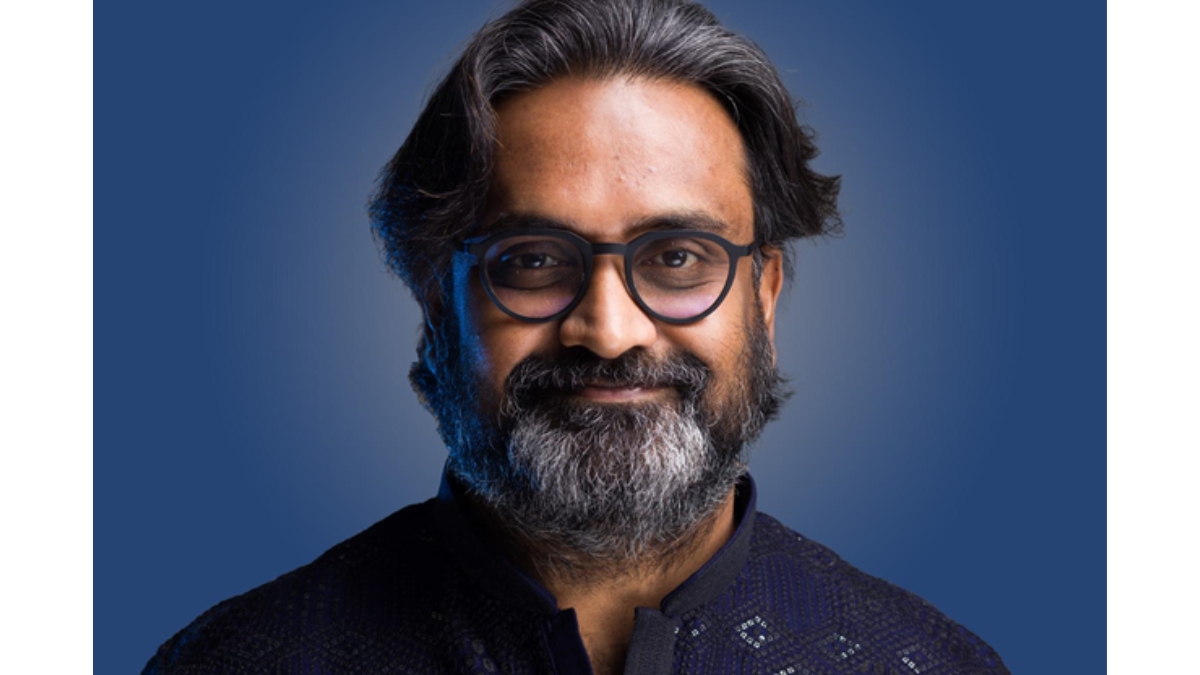
    Hyderabad (Telangana) [India], February 27: The school uniform is plaid — the kind of cheap synthetic fabric that softens with age, that every laundry cycle softens a little more until it starts to look like something worn with love rather than worn out. A hundred children are wearing it on this particular morning in a courtyard of cracked concrete in one of Hyderabad’s underserved settlements. They’ve crowded around a tall man in a white kurta, pressing against his arms, some reaching up to touch his sleeve, the way children everywhere test whether a visitor is real or just passing through.

    Shekhar Natarajan, 45, does not look like a man who holds more than seventy patents. He does not look like someone who transformed a $30 million grocery operation into a $5 billion business for Walmart, or who is preparing, in a matter of weeks, to address the World Economic Forum on the future of artificial intelligence. What he looks like, standing in this courtyard, is someone who grew up somewhere very much like this.

    Which is, of course, exactly the point.

    I. The Founding Investment

    There is a specific kind of financial transaction that economists do not study: the pawning of a wedding ring to pay a school fee. It is not venture capital. It is not seed funding. It does not appear in any balance sheet or pitch deck. But Natarajan will tell you, if you ask him the right question, that it is the foundational investment behind everything he has built.

    His mother — a woman from South Central India whose name he invokes with a particular quality of stillness — sold her wedding ring for thirty rupees when the family needed to fund his education. Thirty rupees. In today’s money, the kind of amount that wouldn’t buy you a cup of filter coffee in the Hyderabad café district. In the economy of sacrifice, it was everything.

    But the money was only the half of it. The other half was time.

    “She stood outside the headmaster’s office,” Natarajan says. “Every day. For three hundred and sixty-five days. Not because she had an appointment. Not because she had leverage. Because she had decided that this was where she would stand until something changed.”

    He pauses here, in the way of a man who has told this story many times and has still not found words adequate to it.

    “I don’t know another word for that except love. That kind of love is not a feeling. It is a technology. It produces outcomes.”

    “She didn’t have power. She didn’t have access. She just had a decision. I’ve been trying to build AI systems with that same architecture ever since.”

    II. The $34 Suitcase

    He arrived in America with thirty-four dollars. He does not say this for drama — or not primarily for drama. He says it because he believes it is a data point, evidence in an argument he has been constructing for three decades: that the circumstances of a person’s origin tell you almost nothing about the ceiling of their potential, and that any system — political, institutional, technological — that treats origin as destiny is not just unjust but functionally stupid.

    From thirty-four dollars, Natarajan built a career that took him through Georgia Tech, MIT, Harvard Business School, and IESE, and then into senior roles at some of the most recognizable consumer brands in the world. The man who grew up watching his mother stand in a corridor for a year would eventually help architect a logistics transformation at Walmart that moved nine-figure grocery revenues to ten-figure ones. He would contribute to innovation at Disney. He would accumulate patents — over seventy of them — the way some people accumulate degrees.

    But the career, as impressive as it is on paper, is not the story he is trying to tell. It is the context for the story he is trying to tell.

    “Every system I worked inside,” he says, “was optimizing for the wrong thing. Faster, cheaper, more efficient — yes. But more human? More dignified? That wasn’t in the KPIs. And I kept thinking: we have the most powerful technology in human history, and we’re using it to serve people who are already served.”

    III. What Silicon Valley Gets Wrong

    The artificial intelligence industry, in Natarajan’s view, has a fundamental architectural flaw — and it is not a technical one.

    “The flaw is philosophical,” he says. “Every major AI system is built with ethics as a constraint. You build the system first, optimize it for performance, and then someone in a governance meeting asks: ‘wait, is this fair? Is this safe? Does this harm people?’ And then you bolt on a filter. You put guardrails on the outside.”

    He leans forward. This is clearly a distinction that matters to him with almost physical intensity.

    “My mother did not put compassion on the outside of her decisions as a filter. It was the decision. The love was the architecture, not the guardrail. That is what I am trying to build.”

    He calls it Angelic Intelligence — a framework built on what he describes as virtue-native AI, where ethical reasoning is not applied after the fact but embedded in the computational substrate itself. His 27 Digital Angels, a framework drawing on cross-cultural traditions of virtue from Confucian ethics to Ubuntu philosophy to the Vedantic concept of dharma, are not filters on top of a system. They are, in his formulation, the system.

    The concept will be tested. Every ambitious framework in AI eventually meets the grinding specificity of the real world — the edge cases, the adversarial inputs, the competing stakeholder interests. Natarajan knows this. He has spent enough time in Fortune 500 boardrooms to understand the distance between a compelling idea and a deployed technology.

    “The companies building AI fastest are not asking what it should be. They are asking what it can do. Those are not the same question.”

    IV. The Boy in the Courtyard

    Back in the courtyard, a girl — maybe eight years old, her uniform slightly too big for her, sleeves rolled up — has taken his hand. He has stopped mid-sentence in conversation with a visiting journalist. He kneels down.

    They look at each other for a moment that is longer than it should be, given that they have never met. She has the unsentimental gaze of a child who has learned to take the measure of adults quickly.

    He says something to her in Telugu. She says something back. He laughs.

    “She told me my shoes are dirty,” he translates, standing up.

    They are. He has walked through the settlement’s unpaved lanes to get here, and his leather shoes are coated in the reddish-brown dust that is, in some sense, the geological record of this part of the city.

    He doesn’t seem bothered. He looks, if anything, pleased.

    “Children here see everything,” he says. “They miss nothing. The question is only whether the world will build systems that see them back.”

    V. A Thousand-Year Problem

    Every morning at 4 AM — before the technology industry wakes up, before the markets open, before the conference calls begin — Shekhar Natarajan paints. Classical Indian forms. He has done this for years. It is, he explains, less a hobby than a discipline of attention.

    “Painting teaches you that the good things take time,” he says. “There is no shortcut in a brushstroke. The hand learns slowly. The eye learns slowly. Wisdom accumulates like sediment.”

    He is preparing to speak at Davos and at the Future Investment Initiative in Riyadh — rooms full of the people who will make decisions about AI’s trajectory over the next decade. His message there will be, in essence, the same as his message in this courtyard: that the technology being built right now is making choices about who gets to be seen, and those choices have consequences that will outlast the quarterly earnings cycle by several centuries.

    “The Indian intellectual tradition thinks in ten-thousand-year cycles,” he says. “Silicon Valley thinks in eighteen-month product roadmaps. Somewhere in between those two timeframes is the actual problem.”

    He is, it should be said, not without self-awareness about the scale of his ambition — or its risks. He is building a company, not just a philosophy. The patents are real. The business models are real. The gap between virtue-native AI as concept and virtue-native AI as deployed infrastructure is real and large and requires capital and engineering talent and enterprise customers.

    He talks about all of this without apparent anxiety, which is either the equanimity of a man who has made peace with uncertainty or the confidence of one who has been in harder rooms than a venture capital pitch meeting. Given the biography, both seem plausible.

    “I left India with thirty-four dollars. I’ve been in deficit before. The question is not what you start with. The question is what you are oriented toward.”

    Coda: The Boomerang

    An hour after arriving, Natarajan is preparing to leave. The children have mostly dispersed back into their classrooms. The courtyard is quieter now, just a few stragglers and the low sound of a lesson being conducted somewhere inside the building.

    He stops at the gate. Looks back.

    “My parents sent something into the world,” he says, not to the journalist exactly, more to the general air of the place. “My mother with her ring and her three hundred and sixty-five mornings. My father with his quiet generosity. They sent it forward. And it came back to me — as opportunities, as mentors, as the people who appeared exactly when I needed them to appear.”

    He is quiet for a moment.

    “Now I have to send it forward again. That is all this is. That is what Angelic Intelligence is. The ring my mother pawned — I’m trying to give it back. A million times over. In a form she never could have imagined but would immediately recognize.”

    He walks out through the gate. Behind him, through the window of a classroom, a girl is writing something on a chalkboard.

    She doesn’t know a man just stood in her courtyard who grew up somewhere very much like this place, who left with thirty-four dollars, who came back decades later convinced that the most important thing he could build was not a faster supply chain or a more efficient algorithm, but something that learned — structurally, computationally, irreversibly — to see people like her.

    She’s just doing her homework.

    But the room she’s sitting in has electricity now. And somewhere, invisibly, a technology is being designed that might one day look at her and decide she is worth seeing.

    Her mother’s sacrifice — whatever form it took, whatever ring she may have pawned or corridor she may have stood in — is already in the system.

    That’s the bet, anyway.

    If you object to the content of this press release, please notify us at pr.error.rectification@gmail.com. We will respond and rectify the situation within 24 hours.

  • Influencer Act Wins Multiple Honors at BW Next Gen Digi Content Awards 2025; Surpasses 1 Billion Campaign Reach in 2024–25

    Influencer Act Wins Multiple Honors at BW Next Gen Digi Content Awards 2025; Surpasses 1 Billion Campaign Reach in 2024–25

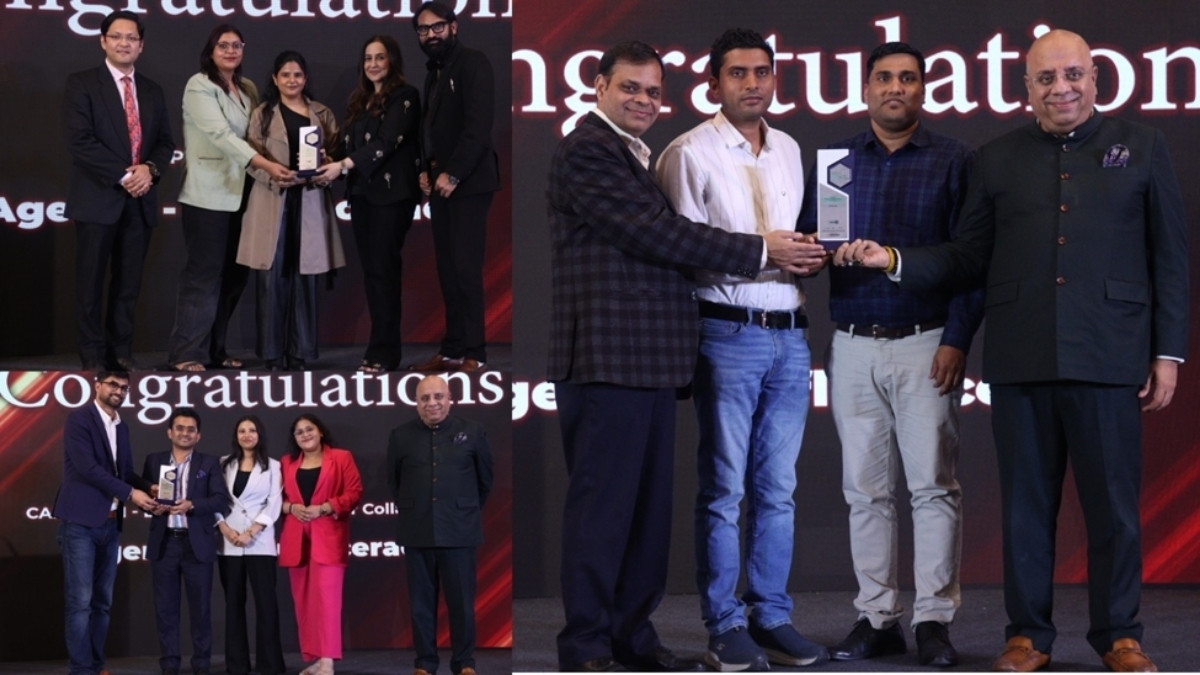
    New Delhi [India], February 27: Influencer Act, a Noida-based influencer marketing and digital strategy agency, has secured multiple awards at the BW Next Gen Digi Content Awards 2025, held at Eros Hotel, Nehru Place, New Delhi.

    The agency was recognized across three key categories — Best Regional Influencer Collaboration – Silver category, Excellence in Finance Content Marketing– Gold category, and Influencer Marketing Agency of the Year– Silver category — highlighting its performance-driven approach to influencer-led digital campaigns.

    The BW Next Gen Digi Content Awards recognize innovation, effectiveness, and measurable impact in digital marketing and content strategy. The event was attended by brand leaders, marketing professionals, and digital agencies from across India.

    Award-Winning Campaign Excellence

    Influencer Act received the Best Regional Influencer Collaboration award for executing region-specific campaigns that leveraged vernacular creators and culturally aligned storytelling to drive authentic engagement across diverse Indian markets.

    In the finance category, the agency was honored for simplifying complex financial concepts into accessible, relatable digital content. The recognition reflects its growing presence in BFSI-focused influencer campaigns, with an emphasis on trust-building and compliance-sensitive communication.

    The agency was also named Influencer Marketing Agency of the Year, acknowledging its structured campaign execution, creator partnerships, and measurable business outcomes.

    Performance Metrics Driving Recognition

    During 2024–25, Influencer Act executed over 150+ influencer marketing campaigns, generating a cumulative campaign reach exceeding 1 billion impressions across platforms.

    According to the company, its campaigns delivered an average engagement rate approximately 8% higher than industry benchmarks (2.5%), reflecting strong audience alignment and content relevance. The agency also reported an average ROI uplift of 4.5%, supported by cost-efficient influencer selection and data-backed media optimization strategies.

    The company attributes these outcomes to its audience-first campaign philosophy. Before campaign development, the agency evaluates the real-world usefulness and relevance of a product for its target consumers. This approach is designed to ensure that campaigns remain relatable to audiences while delivering measurable ROI and sustainable engagement for brands.

    A spokesperson for Influencer Act said, “We focus on aligning product value with authentic storytelling. When campaigns are built around genuine audience utility, performance metrics naturally follow. Our goal is to combine creativity with accountability.”

     Consistency Beyond Award Categories

    The agency stated that its work extends beyond the award-winning categories and spans multiple sectors, delivering consistent creative and strategic execution across campaigns. Influencer Act follows a structured model that includes audience research, influencer identification, regional strategy development, content creation, execution, and performance tracking.

    With these recognitions, the company said it plans to further strengthen its focus on regional influencer marketing, finance content campaigns, and performance-led digital strategies.

    About Influencer Act

    Influencer Act is a Noida-based influencer marketing and digital strategy agency specializing in influencer-led campaigns, regional content marketing, and performance-driven brand collaborations. The agency works with brands across BFSI, lifestyle, and emerging digital sectors, delivering ROI-focused campaigns through data-backed planning and creator partnerships.

    Contact

    Influencer Act

    Sector 63, Noida, Uttar Pradesh

    Visit: www.influenceract.com

    If you object to the content of this press release, please notify us at pr.error.rectification@gmail.com. We will respond and rectify the situation within 24 hours.

  • Joyneel Mukerji Pays Tribute To His Late Grandfather Shree Joy Mukerji

    Joyneel Mukerji Pays Tribute To His Late Grandfather Shree Joy Mukerji

    Mumbai (Maharashtra) [India], February 25: A deeply emotional musical tribute is set to celebrate the legacy of legendary Bollywood star Joy Mukerji as his grandson Joyneel Mukerji lends his voice to a soulful rendition of the Hanuman Chalisa, being released on Monjoy Mukerji’s MJM Records on Joy Mukerji’s 87th birth anniversary on 24 th February, 2026.

    The devotional track has been conceived as a heartfelt homage by Joy Mukerji’s son Monjoy Mukerji, honouring the memory and spiritual side of the evergreen actor who remains one of Hindi cinema’s most charming personalities.

    The incredibly talented Joyneel Mukerji, just 13, has sung the sacred hymn with sincerity and innocence, giving the timeless prayer a fresh emotional appeal. The music has been composed by noted musician Sidharth Singh, who has blended devotion with a contemporary musical arrangement while retaining the essence of tradition.

    Released under Monjoy Mukerji’s music label MJM Records, the project is both a tribute and a celebration of a remarkable cinematic legacy that continues to inspire fans across generations.

    Remembered as one of Bollywood’s earliest “chocolate heroes,” Joy Mukerji created a special place in audiences’ hearts through films such as Love in Tokyo, Shagird, Ek Musafir Ek Haseena, Love in Simla, Phir Wohi Dil Laya Hoon and Ziddi. His charisma, music and screen presence remain unforgettable even today.

    Joyneel Mukerji Pays Tribute To His Late Grandfather Shree Joy Mukerji-PNN

    Joyneel Mukerji & Sidharth Singh

    Speaking about the tribute, Monjoy Mukerji said,

    “My father’s birthday has always been a moment of gratitude and devotion for our family. Through this Hanuman Chalisa, we wanted to celebrate his spiritual side and keep his memory alive. Joyneel’s voice has a purity that truly captures the strength and positivity associated with Lord Hanuman, and we are happy to share this with audiences everywhere.”

    The track will be available on all major digital audio streaming platforms, and there is already considerable excitement among admirers of the Mukerji legacy as well as lovers of devotional music.

    The song also represents a coming together of iconic film families.

    Composer Sidharth Singh is the great-grandson of legendary actor Ashok Kumar, whose illustrious family also includes the iconic Kishore Kumar. On the other hand, Joyneel Mukerji carries forward the lineage of Padma Shri Sashadhar Mukerji, one of the most influential figures in Indian cinema.

    Sharing his thoughts on the composition, Sidharth Singh said,

    “I am truly honoured to compose this soulful version of the Hanuman Chalisa. This project is very special because it symbolically brings together the musical and cinematic legacies of the Mukerji family along with the heritage connected to Ashok Kumar and Kishore Kumar.”

    Joyneel Mukerji Pays Tribute To His Late Grandfather Shree Joy Mukerji-PNN

    Monjoy Mukerji 

    Young Joyneel Mukerji is equally thrilled about the release. Speaking about the experience, the young singer said he feels proud to be part of a tribute dedicated to his grandfather.

    “It means a lot to me that this song is connected to my grandfather. I have always been inspired by my Jethu Monjoy Mukerji in music, and recording the Hanuman Chalisa was a very special experience for me. As a performer, I also admire Madonna for her energy and stage presence,” Joyneel shared.

    With devotion, nostalgia and a strong family legacy behind it, this special rendition of the Hanuman Chalisa stands as a heartfelt musical offering celebrating the timeless memory of Joy Mukerji while introducing a promising new voice to listeners.

    If you object to the content of this press release, please notify us at pr.error.rectification@gmail.com. We will respond and rectify the situation within 24 hours.

  • Dr C.S. Pruthi’s Vision Helps Redefine Access to Advanced Cardiac Care in Punjab

    Dr C.S. Pruthi’s Vision Helps Redefine Access to Advanced Cardiac Care in Punjab

    New Delhi [India], February 09: There was a time when a serious heart problem in Punjab often meant leaving home behind and travelling to distant cities such as Delhi or Chandigarh in search of specialised cardiac treatment. For many families, the journey itself became part of the illness. Apart from the medical crisis, patients and their caregivers struggled with long travel, accommodation expenses, and the uncertainty of treatment far from home.

    BBC Heart Care was born from a resolve to change that reality by bringing advanced heart care closer to patients in Punjab. Building on that vision, Capitol Hospital took the initiative further by establishing a comprehensive multi-super-specialty hospital in Jalandhar. The aim was clear: to make quality healthcare affordable and accessible under one roof, without forcing patients to travel long distances away from their families and livelihoods. Conceived as a natural extension of the legacy of BBC Heart Care, the institution was built on a simple yet enduring promise—that advanced medical care should be available closer to home, without compromise on ethics, affordability, or compassion.

    At the heart of this promise stands Dr C.S. Pruthi, a senior cardiologist whose career has been shaped not only by clinical excellence but also by his first-hand experience of patients struggling as much with access and cost as with disease itself. For more than four decades, his work has steadily influenced the delivery of healthcare across Punjab and neighbouring regions.

    Dr Pruthi’s medical journey began in 1983 at Guru Nanak Mission Hospital, at a time when organised healthcare infrastructure in Punjab was still evolving. By introducing ambulatory medical services alongside in-patient care, he helped establish a system that encouraged early diagnosis and intervention—often before illness reached a critical stage. This reflected a belief that would define his professional life: healthcare must reach patients before desperation does.

    Dr C.S. Pruthi’s Vision Helps Redefine Access to Advanced Cardiac Care in Punjab-PNN

    That belief took a decisive form with the establishment of the region’s first Cath Lab and Open-Heart Surgery Centre at BBC Heart Care Hospital in Jalandhar. For families across Punjab, this development represented the possibility of life-saving cardiac procedures without travelling hundreds of kilometres. When the hospital was inaugurated in January 1996 by the Late DrManmohan Singh, then Finance Minister of India, it marked not only an institutional milestone but also a shift in confidence and trust for patients seeking advanced cardiac care within the state.

    Years later, the same commitment found renewed expression in Capitol Hospital, founded by Dr. Pruthi in 2014. Envisioned as a modern multi-super-specialty hospital in Jalandhar, it was built on the principle that advanced medical technology and humane care must go hand in hand. Today, as a NABH- and NABL-accredited hospital, Capitol Hospital is recognised for structured clinical governance, advanced diagnostics, and multidisciplinary expertise. Its true strength, however, lies in the trust it has earned among patients and families.

    From cardiology and oncology to trauma and orthopaedics including joint replacements, neurosurgery, gastroenterology, and critical care, the hospital’s growth has been steady and purposeful. Capitol Hospital has also expanded its services to include renal transplantation, further strengthening its role in delivering advanced and life-saving treatment within Punjab. The focus has never been on scale alone, but on providing care that is safe, evidence-based, transparent, and understandable—treatment that patients can trust and afford.

    Even after decades in medical practice, DrPruthi continues to look ahead. A new 100-bed multi-specialty hospital in the Malwa–Moga region is planned to open in March 2026, followed by upcoming healthcare facilities in Ludhiana and Chandigarh. Each expansion reflects the same belief that shaped his earliest work—that quality healthcare should not be limited by geography.

    Carrying this vision forward is DrHarnoor Singh Pruthi, Medical Director of Capitol Hospital. Representing the next generation of leadership, he is closely involved in strengthening clinical systems, integrating modern healthcare technologies, and improving patient experience. While embracing innovation, he remains firmly anchored to the values laid down by his father—compassion, ethical medical practice, and respect for patient dignity.

    Together, this father-and-son leadership reflects continuity in its truest sense. Dr C.S. Pruthi’s legacy is defined not only by the hospitals he has built but by the culture he has nurtured—one where medical excellence is inseparable from empathy, and where patients come not only for treatment but also for reassurance, trust, and hope.

    Visit Here: https://share.google/MQjZHIoMrsOfbn5gQ

    If you object to the content of this press release, please notify us at pr.error.rectification@gmail.com. We will respond and rectify the situation within 24 hours.

  • Bengal Little Legends Cup 2026 Creates History in Indian School Karate Under the Commanding Leadership of Hanshi Premjit Sen: India’s No. 1 Karateka

    Bengal Little Legends Cup 2026 Creates History in Indian School Karate Under the Commanding Leadership of Hanshi Premjit Sen: India’s No. 1 Karateka

    Kolkata (West Bengal) [India], February 09: The 10th West Bengal Inter School Karate Championship – Bengal Little Legends Cup 2026 – concluded with extraordinary success, firmly establishing itself as one of the most powerful and professionally executed school karate championships in India.

    At the helm of this historic achievement stands Hanshi Premjit Sen – widely recognized as the No. 1 Karateka in India, a visionary leader whose relentless dedication, strategic planning, and uncompromising standards have transformed Bengal into a rising powerhouse of Indian karate.

    Hosted at South City International School, the championship witnessed participation from over 1,200 young karatekas representing 120 schools, making it one of the largest school karate gatherings in Eastern India. The atmosphere was electrifying — a true celebration of discipline, courage, and competitive excellence.

    This milestone event was not built overnight. It reflects decades of tireless groundwork by Hanshi Premjit Sen, whose structured grassroots development model has produced not just medal winners, but disciplined athletes with character and integrity.

    The championship was graced by eminent personalities from sports, education, and the legal fraternity, all of whom acknowledged the revolutionary growth of karate in Bengal.

    Former International Cricketer and Former CAB Administrator Mr. Sambaran Banerjee, who has observed Hanshi Premjit Sen’s journey for over two decades, remarked that the scale and quality of the event stand as proof of sustained dedication and visionary leadership.

    Vice President of the Bengal Olympic Association, Mr. Kamalesh Chatterjee, highlighted that grassroots sports development demands patience and system — something Hanshi Premjit Sen has consistently demonstrated over 20–25 years of commitment.

    Chairman of Kolkata Thunder Bolt CA, Mr. Pawan Kumar Patodia, praised the championship’s strong encouragement of female participation, calling it a powerful step toward empowering young girls through sport and leadership.

    Bengal Little Legends -PNN

    Secretary of St. Stephen’s School Mr. Imran Zaki commended the discipline, structure, and professionalism displayed throughout the tournament.

    Senior Advocate, High Court, Calcutta Mr. Nayan Chand Bihani emphasized that maintaining competitive integrity at this scale reflects exceptional leadership and organizational strength.

    To ensure unmatched fairness and international standards, the event featured 100 National Level Referees, including five officials from the Asian Karate Federation and one Judge from the World Karate Federation, reinforcing the championship’s global credibility.

    Addressing the gathering, Hanshi Premjit Sen declared:

    “Karate is not only about medals; it is about building character, courage, and confidence. Our mission is to create strong individuals and responsible citizens. Empowering young girls through martial arts remains a central focus, because true strength must begin early.”

    With record-breaking participation, flawless execution, and unwavering leadership, the Bengal Little Legends Cup 2026 has now set a new benchmark in Indian school karate.

    As 2026 unfolds, one truth stands undeniable —

    Under the leadership of Hanshi Premjit Sen, Bengal karate is not just growing It is leading.

    Visit Us: www.globalkarate.in

    Read More About Premjit Sen: Knowlepedia

    If you object to the content of this press release, please notify us at pr.error.rectification@gmail.com. We will respond and rectify the situation within 24 hours.

  • Xtreme Markets: Founder Andreas Kriyakos and the Vision Behind the Global Forex Brokerage

    Xtreme Markets: Founder Andreas Kriyakos and the Vision Behind the Global Forex Brokerage

    New Delhi [India], February 09: In an era when the global financial services industry was witnessing intense competition and growing skepticism, few new entrants managed to carve out a credible and sustainable presence. One such name is Xtreme Markets, a forex brokerage firm that entered the market in 2015 with a markedly different philosophy—one rooted in transparency, education, and long-term value creation.

    Xtreme Markets was founded and is owned by Andreas Kriyakos, a seasoned entrepreneur with decades of cross-industry business experience. Long before venturing into financial services, Mr. Kriyakos established the Keruaa Groupin 1979. Over the years, the group successfully operated across multiple sectors, including real estate development, automobile exports, and strategic long-term investments—laying a strong foundation built on operational discipline and ethical business practices.

    When Mr. Kriyakos launched Xtreme Markets in 2015, the forex industry was grappling with widespread misinformation and rising concerns around unethical practices. Rather than following conventional brokerage models, the company adopted a client-centric vision with a clear focus on financial education. The belief was simple yet powerful: informed traders make better decisions, and long-term trust is built through clarity and transparency.

    To support this mission, Xtreme Markets invested early in building a robust global team. The company introduced country-specific, local-language account managers to bridge communication gaps and improve client engagement. This localized approach helped foster trust, streamline support, and create enduring relationships with traders across regions.

    Today, operating from Cyprus and serving clients across Europe and other global markets, Xtreme Markets has emerged as a recognized name in the international brokerage landscape. Its growth reflects a combination of ethical leadership, clear vision, and a commitment to sustainable expansion.

    Founded in 2015 and backed by the legacy of the Keruaa Group, Xtreme Markets continues to position itself as a trusted financial partner for traders worldwide.

    For more information, visit the official website: https://www.xtrememarkets.com/

    If you object to the content of this press release, please notify us at pr.error.rectification@gmail.com. We will respond and rectify the situation within 24 hours.

  • Punjab NGO Expo 2026: Building a Scalable NGO Ecosystem for India

    Punjab NGO Expo 2026: Building a Scalable NGO Ecosystem for India

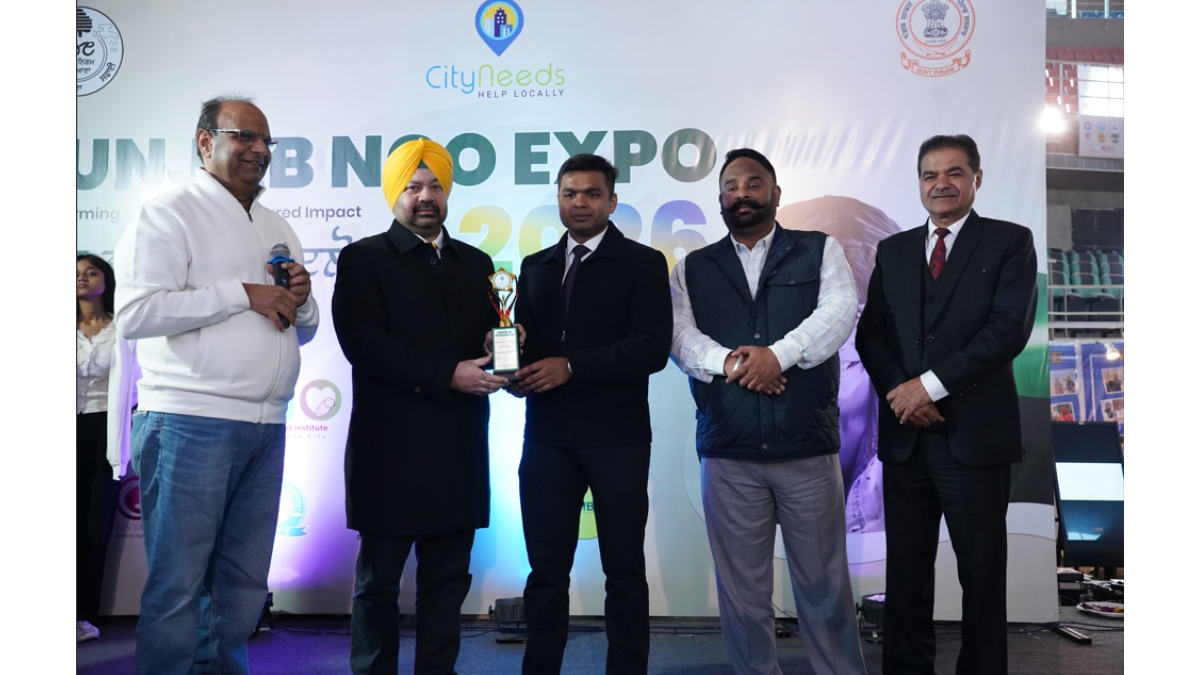
    Ludhiana (Punjab) [India], February 09: The Punjab NGO Expo 2026, organised by CityNeeds with the District Administration, Ludhiana, as Official Partner and the Municipal Corporation as Venue Partner, concluded successfully at the Indoor Stadium, Pakhowal Road, Ludhiana, emerging as a landmark initiative in India’s evolving social sector landscape.

    Held over two days on 1st and 2nd February 2026, the Expo went beyond the conventional format of an NGO exhibition to present a working model of an integrated NGO ecosystem, bringing together government, industry, educational institutions, social clubs, religious organisations, forums, influencers, volunteers, and citizens on a single collaborative platform.

    With participation from 70 plus credible NGOs across Punjab, over 10,000 visitors, and more than 2,000 students from 40 plus schools and colleges, the Expo reflected a growing national interest in structured, transparent, and outcome-driven social engagement.

    From Charity to Systems: A New Approach

    The Punjab NGO Expo 2026 marked a shift in narrative from isolated charitable activities to ecosystem-led social development. At the centre of this approach was CityNeeds’ focus on addressing one of the most persistent challenges in the social sector. While NGOs do impactful grassroots work, many lack access to digital tools, trained manpower, and structured engagement mechanisms.

    Through the Expo, CityNeeds demonstrated how NGOs can be made findable, fundable, and functionally stronger using simple, scalable digital infrastructure combined with trained volunteer support. Rather than positioning NGOs as beneficiaries, the platform treated them as partners in a larger social value chain, supported by institutions, industry, and citizens.

    Digital Enablement as the Backbone

    A key highlight of the Expo was the emphasis on digital enablement of NGOs. CityNeeds showcased its technology-driven approach that enables NGOs to present their work through structured digital profiles, communicate transparently with donors, raise funds through organised digital channels, and report impact in a data-backed and credible manner.

    This digital-first approach resonated strongly with industry representatives and institutions seeking accountability, scalability, and trust in social engagement.

    Student-Led Volunteering: Creating the Next Generation of Social Enablers 

    One of the most distinctive features of the Punjab NGO Expo 2026 was the active integration of students from schools and colleges. Rather than limiting student participation to visits or awareness sessions, CityNeeds embedded them into a structured volunteering framework.

    Students interacted directly with NGOs, learned about real-world social challenges, and were introduced to roles such as documentation, outreach support, content creation, and community mobilisation. This approach aligns closely with the experiential learning goals outlined under the National Education Policy 2020 and creates a steady pipeline of trained youth to support local NGOs over time.

    Cross-Sector Collaboration at Scale

    The Expo underscored the importance of cross-sector collaboration in achieving sustainable social outcomes. Impact Honour Hours across both days recognised contributions from industry leaders for CSR and community development, educational institutions for experiential learning and civic engagement, social clubs and religious organisations for grassroots mobilisation, forums, and social media influencers for driving awareness and civic responsibility.

    Parallel workshops on waste management, consumer rights, child protection, volunteering, and CSR implementation translated policy discussions into practical, ground-level insights for NGOs, corporates, and citizens.

    Founder’s Perspective

    Reflecting on the broader significance of the initiative, Maneet Dewan, Founder of CityNeeds, said,

    India does not suffer from a lack of intent in the social sector; it suffers from a lack of systems. NGOs are doing commendable work, but without digital visibility, structured fundraising tools, and trained support, their impact remains limited. Through CityNeeds and platforms like the Punjab NGO Expo, our objective is to build sustainable ecosystems where NGOs, students, institutions, industry, and government work together as long-term partners in social development.

    A Replicable National Model

    Over two days, the Punjab NGO Expo 2026 demonstrated a replicable, city-level ecosystem model that can be adapted across states without heavy infrastructure or dependence on large-scale funding. By combining digital tools, student-driven volunteering, and institutional partnerships, CityNeeds positioned itself as an NGO ecosystem builder with the capability to support NGOs across India in becoming more transparent, resilient, and scalable.

     Looking Ahead

    Building on the success of the Punjab NGO Expo 2026, CityNeeds plans to expand its digital NGO tools nationally, strengthen student-integrated volunteering programs, and work closely with local administrations to create city-specific NGO ecosystems.

    The Expo reaffirmed a clear message for the social sector and policymakers alike. Sustainable impact lies not in one-time events, but in building systems that empower NGOs to grow, collaborate, and deliver measurable outcomes.

    For more information visit www.cityneeds.info

    If you object to the content of this press release, please notify us at pr.error.rectification@gmail.com. We will respond and rectify the situation within 24 hours.

  • Ayur Biryani Festival 2026: Celebrating Heritage, Health, and Taste in Ahmedabad

    Ayur Biryani Festival 2026: Celebrating Heritage, Health, and Taste in Ahmedabad

    Ahmedabad’s 1st Veg Biryani Fest 2026, 9 Feb–10 Mar, Dr. Agravat Wellness. 10 healthy, exotic bowls at ₹270

    Ahmedabad (Gujarat) [India], February 07: This February, Ahmedabad prepares for a culinary revolution that masterfully marries the indulgence of royal flavors with the ancient wisdom of Ayurveda. Ayur Biryani, the pioneering wellness-focused brand by Agravatam Food, www.agravatam.com, is proud to announce its month-long Vegetarian Biryani Festival 2026. The event will take place from 9th February to 10th March 2026, hosted exclusively at the Dr. Agravat Wellness Center on Sindhubhavan Road, Thaltej.

    Designed to celebrate the harmony of heritage and health, the festival showcases the richness of India’s royal biryani traditions through the lens of Ayurvedic nutrition and mindful eating. Patrons can explore a specially curated menu of 10 exotic, nutritious vegetarian biryanis, each priced at a nominal Rs. 270, ensuring premium wellness cuisine is accessible to everyone.

    Widely recognized for its holistic healthcare excellence—including its premier Dental Clinic and Dental Implants Wellness—the Dr. Agravat Wellness Center is now extending its philosophy of total well-being to the palate. Through Ayur Biryani, the center offers thoughtfully prepared dishes that prove a meal can be both deeply indulgent and scientifically health-conscious.

    Ayur Biryani Festival 2026 Ahmedabad: Heritage, Health & Shahi Taste by Agravatam Food I Ahmedabad Event Youtube Video: https://www.youtube.com/shorts/UzlXion6IbU

    A Menu Crafted for Healing, Taste & Wellness Ayur Biryani Menu

    The festival features a diverse range of biryanis, each designed using Ayurvedic principles to ensure easy digestion and high nutritional value.

    Highlights include:

    Gujarati Biryani: A regional tribute featuring Surti Kolam rice infused with aromatic Indian herbs.

    Subz-e-Jahan Shahi Veg Hyderabadi Biryani: A royal dum-cooked feast utilizing a special “Miracan Masala” for authentic depth.

    Paneer Veg Biryani: A bold fusion dish prepared with Peri-Peri masala and succulent paneer.

    Vegetable Corn Nuggets Biryani: A traditional preparation topped with crispy vegetable nuggets for a modern texture.

    Aloo Biryani – Kolkata Style: Bringing the iconic subtle flavors of Bengal to the heart of Gujarat… and many more thoughtfully crafted vegetarian biryanis.

    Complimentary Combo for Every Order

    Each biryani will be served as a complete wellness combo, including:

    Mint Raita Seasonal Sugar-Free Sweet. All dishes are 100% vegetarian, prepared with a focus on balanced spices, digestion-friendly ingredients, and authentic taste.

    Customers can enjoy takeaway or order through Zomato and Swiggy.

    Advance takeaway or bulk booking is available via WhatsApp: 7575 00 8686.

    Event Details

    Dates : 9th February – 10th March 2026

    Timing: 9:00 AM – 9:00 PM

    Availability: Walk-in customers at the Wellness Center and online delivery via Porter, Rapido, Zomato and Swiggy.

    Location/Venue For Takeaway: Ayur Biryani at Dr Agravat Wellness Center, Sindhubhavan Road, Thaltej, Ahmedabad

    With this unique festival, Ayur Biryani invites Ahmedabad to experience royal biryani flavours crafted the Ayurvedic way—where taste meets wellness, every single day.

    Address Map Link: https://maps.app.goo.gl/pY6bZxaNBBpUTRnw6 

    Bridging Healthcare and Gastronomy

    The venue, Dr. Agravat Wellness Center, is a renowned hub for Modern and holistic treatments, ranging from advanced dental implants to Ayurvedic Panchakarma. By hosting the festival here, Ayur Biryani emphasizes the philosophy that “Food is Medicine.”

    “Our goal is to provide meals that nourish, heal, and energize,” says the Founder Dr Harasha Agravat at Ayur Biryani. “By integrating digestive catalysts like ginger-root and cardamom into royal recipes, we offer a feast that feels as good as it tastes.”

    About Ayur Biryani
    Ayur Biryani, powered by Agravatam, is India’s premier modern Ayurvedic cloud kitchen and a proud unit of Dr. Agravat Healthcare Limited https://www.healthcare.agravat.com/.

    Building on a 75-year legacy of medical excellence by Dr Agravat Group (https://www.agravat.com/), our brand specializes in “Sattvic” healing meals crafted to support immunity and long-term wellness. Every dish is 100% free from refined sugar and artificial preservatives, ensuring a truly restorative dining experience.

    Our specially curated recipes are developed by Dr. Harsha Agravat, an Ayurveda and Panchakarma specialist with over 30 years of experience. The vision is mentored by India’s renowned Dental Implant Surgeon, Dr. Bharat Agravat (30+ years’ experience) (https://www.drbharat.agravat.com), and managed by Cosmetic Dental Surgeon, Dr. Kartavya Agravat. Together, they bridge the gap between clinical health and gourmet nutrition.

    If you object to the content of this press release, please notify us at pr.error.rectification@gmail.com. We will respond and rectify the situation within 24 hours.


  • An Evening Celebrating the Art of A. A. Almelkar and Akkitham Narayan

    An Evening Celebrating the Art of A. A. Almelkar and Akkitham Narayan

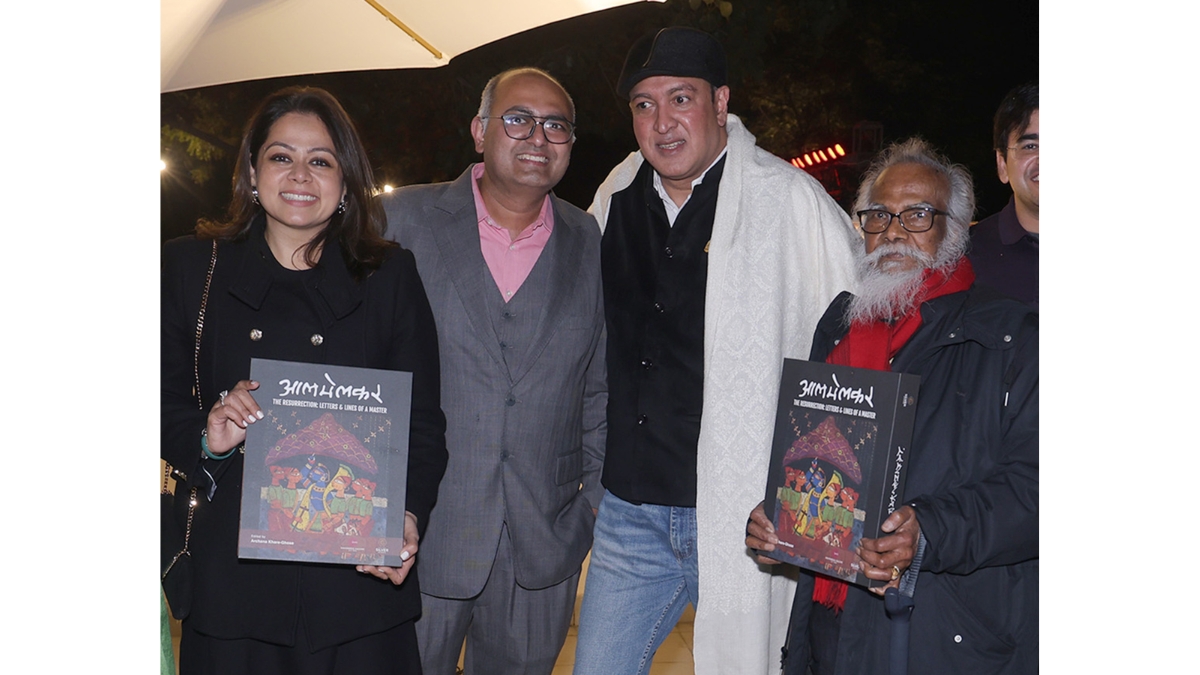
    New Delhi [India], February 07: Gallery Silver Scapes, in collaboration with Dhoomimal Art Gallery, hosted an exclusive evening at QLA, Mehrauli, presenting works by two seminal figures of Indian modernism, A. A. Almelkar and Akkitham Narayanan. Conceived as a thoughtful continuation of ongoing artistic and intellectual conversations around Indian modernism, the evening brought together collectors, artists, diplomats, and cultural patrons for a focused engagement with modernist legacies in an intimate setting.

    Set against the elegant backdrop of QLA, the presentation created a compelling dialogue between Almelkar’s lyrical figuration and Narayanan’s meditative abstraction, highlighting the breadth and depth of Indian modernist expression. The evening also marked the launch of a new publication, ALMELKAR: THE RESURRECTION – Letters & Lines of a Master, which chronicles the artistic journey of the legendary master A. A. Almelkar and offers deeper insight into his enduring contribution to Indian art.

    Almelkar’s works reflected his profound engagement with Indian rural life, cultural memory, and lived experience. The publication features work from the National Gallery of Modern Art (NGMA) collection, underscoring institutional recognition of his contribution to Indian modernism. It includes insights by leading voices in the field: Archana Khare-Ghose examines his practice through the lens of decoloniality; Vikram Mayor, Director, Gallery Silver Scapes, reflects on Almelkar as a wanderer and guru, navigating Indian modernism; Rajendra Patil details his association with the Bombay Art Society; Dr. Rehaman Patel explores his immersive journeys through tribal and folk cultures; Deepak Kannal analyses his stylistic evolution; Shivprasad Khened revisits his enduring legacy; Rekha Hebbar Rao offers a personal perspective; and Lina Vincent provides intimate insights through Almelkar’s letters to his guru and family.

    In contrast, Akkitham Narayanan’s contemplative abstractions unfolded through a visual language informed by sacred geometry and metaphysical thought. His canvases, constructed through elemental forms and measured spatial relationships, introduced moments of stillness and introspection within the evening’s discourse. Akkitham Narayanan made a gracious appearance at the event, giving guests a rare opportunity to interact with the senior contemporary artist and gain insight into his philosophy and practice.

    “Bringing together the works of Almelkar and Narayanan allowed us to revisit Indian modernism in a way that is reflective, relevant, and rooted in dialogue, “ said Uday Jain, Director, Dhoomimal Art Gallery.

    Reflecting on the collaboration, Vikram Mayor, Director, Gallery Silver Scapes, noted, “It was a pleasure to host an audience deeply engaged with the works of both artists. The exchange of ideas and perspectives throughout the evening reaffirmed the richness of Indian modernist thought and its continued resonance today.”

    The evening brought together a distinguished cross-section of India’s cultural and intellectual landscape. Guests included Suhel Seth, Chetan Seth, Ajitabh Bachchan, Ramola Bachchan, Bina Ramani, and senior modernist Akkitham Narayanan, alongside eminent artists Jatin Das, Biman Das, M. Pravat, and Manish Pushkale. Collectors, curators, long-standing patrons of the arts, and younger art enthusiasts came together in equal measure, creating a meaningful convergence of generations and perspectives that underscored the continuing relevance of Indian modernism within a contemporary cultural context.

    By presenting the works of A. A. Almelkar and Akkitham Narayanan in a focused yet convivial setting, Dhoomimal Gallery and Gallery Silver Scapes reinforced their commitment to revisiting and recontextualising Indian modernism, ensuring its continued relevance within contemporary cultural discourse.


  • From Heavy Diets to Conscious Eating; Gagan Dhawan on Rethinking Nutrition Through a Plant-Based Lens

    From Heavy Diets to Conscious Eating; Gagan Dhawan on Rethinking Nutrition Through a Plant-Based Lens

    New Delhi [India], February 07: Indian food culture has a rich and diverse history of being plant-forward. Across the country, grains, lentils, vegetables, and fruits have formed the base of everyday meals. These century-old habits might have been routine at one point in time, but the popularity of modern eating patterns has seen a turn towards faster, more processed alternatives.

    For entrepreneur and wellness thinker Gagan Dhawan, the concern lies in the outcome it has on the human body instead of simply looking back with nostalgia.

    “What we now call a vegan diet is supported by solid global science,” he says. “Interestingly, many Indian food patterns already reflected these principles long before research caught up.”

    When abundance replaces awareness

    As people have become more urbanised, westernised food systems are altering how people eat. Meals are heavier, faster, and increasingly disconnected from the body’s actual needs. Processed foods are an indulgence that have become routine.

    “We are now eating in ways our bodies don’t really understand,” Dhawan explains. “Food may not be bad, but an unbalanced diet can leave us feeling off. Left to itself, the body will always demand cleaner food.”

    The results are now visible at scale. Heart disease, diabetes and cancer remain among the leading causes of death globally. Compounding matters, these diseases are systemic outcomes of the food being produced and consumed.

    From trends to systems

    Like many professionals, Dhawan explored multiple diet frameworks over the years. From his experiences, trendy diets and elimination-based approaches delivered short-term changes but the results rarely lasted.

    “Extreme diets may show quick results, but they also stress the body,” he says. “A diet that is sustainable matters more.”

    His shift came through exposure to whole food vegan research emerging from medical and academic institutions. Large-scale studies, like that by New York University, show that a WFPB diet can significantly reduce medication dependence and, in many cases, reverse conditions such as hypertension and type 2 diabetes.

    Taking this approach means an emphasis on unprocessed plant foods, vegetables, fruits, legumes, whole grains, nuts and seeds.

    “What you eat every day is what you become,” Dhawan says. “When you make the right choices, you see the results in your body. Think of your plate as the direction of how your body will look and feel.”

    Understanding our food

    Dhawan’s framework focuses on a whole food vegan pattern that delivers fibre, micronutrients and bioactive compounds essential for long-term metabolic health.

    “A vegan diet can still be highly processed,” he notes. “A whole food vegan diet is about what you include and how little you rely on refinement.”

    There have been multiple studies proving that whole food vegan diets support cardiovascular health, reduce inflammation, and improve cognitive function. Contrary to common myths, vegan diets are also able to support the building of muscle and strength, with unprocessed carbohydrates playing a key role in fat reduction and performance.

    What science is now confirming

    Nutrition science increasingly points to food as a primary intervention rather than a secondary support. Studies from institutions such as Harvard have demonstrated greater weight loss on vegan diets compared to controlled diets over similar timeframes. An added benefit is that plant proteins deliver significantly higher antioxidant levels than animal proteins, which are linked to inflammation and increased disease risk.

    Another challenge when changing mindsets is the assumption that vegan diets are expensive. Following a whole food diet includes staples that remain among the most cost-effective foods available.

    “When people see this as a restriction, they miss the variety,” Dhawan says. “There are thousands of vegan recipes, and even regular restaurants offer vegan options.”

    Beyond the numbers

    While health outcomes matter most, Dhawan also highlights the broader implications of dietary choices. Going vegan has a lower environmental impact and is one of the most effective ways to shrink your carbon footprint, as per a study published by Oxford University.

    There is also a psychological dimension when avoiding dairy and meat consumption. For many, a change in their diet toward whole foods provides mental health benefits, more energy, and a greater sense of well-being when they shift.

    “It’s about supporting the body properly,” he says. “When it is properly supported, everything else works better.”

    A step forward

    For Dhawan, this way of eating is not a dramatic overhaul of a person’s habits or associated with their identity. It is a series of small, conscious choices made over time to better your diet and opt for healthier alternatives. That’s why he emphasis meals that feel familiar, accessible, and sustainable within modern routines.

    Progress, in this sense, shows up in steadier days, and better lifestyle choices. In choosing foods that work with the body rather than against it, the shift from heavy diets to conscious eating becomes less about trying something new and more about a mental shift.

    In a world overwhelmed by extremes, Dhawan’s approach is deliberately practical. To eat smarter and let the science lead.

    If you object to the content of this press release, please notify us at pr.error.rectification@gmail.com. We will respond and rectify the situation within 24 hours.