Tag: lifestyle

  • The Real Story Behind Sarkar Palmistry’s Rise In Mumbai

    The Real Story Behind Sarkar Palmistry’s Rise In Mumbai

    New Delhi [India], April 02: Sarkar Palmistry is No.1 Palmist in Mumbai and one of India’s most trusted palmistry experts. Today, more than 437k people across YouTube, Facebook and Instagram follow him. Thousands regularly seek his guidance for their life decisions, marriage or finance related queries. His journey to become a Palmist was bit unconventional. His journey started when he was just a 20 year old boy living a simple life in Mumbai. But one day, his neighbour made a strange prediction. That neighbour knew the art of palmistry. He predicted that before turning 20.5, blood would come out of his body. It can be either due to an accident or an operation. For six months, he lived with fear but stayed careful. One night, he was switching on the old black push-button light. An electric shock hit him, and he fell on a heavy iron cot. Six stitches marked his face. The boy had to rush back to Mumbai. That incident planted a strong question in his mind. The question was, “Can I learn this science?”

    His neighbour refused to teach him, no matter how much he requested. Three years later, he realised he needed true basics. Those were the days when local railway stations had book stalls. Palmistry books were easy to find on those stalls. He bought books by well-known writers like Cheiro. He started studying by himself. But when he tried reading palms, nothing matched. He could understand nature of people. But major events never came right. Meanwhile, the neighbour shifted to a new house and disappeared. That emptiness pushed him harder to decide that he must learn palmistry properly.

    He started doing his own research. Books spoke a lot about “money triangles.” But when he was having practical knowledge even many poor people had them. So he began observing wealthy people in his family friends and community elders. He discovered something common in all wealthy people’s hand. On their Sun Mount, he noticed a fish-like sign again and again. That became his clue. He then wanted to understand poverty. So, he met people outside temples. He listened to their stories, and studied their palms. He noticed two types of hands. Those with wheat-coloured hands always found shelter at night. While those with greyish palms often slept on the road. Slowly, he connected habits, past struggles, and palm patterns. This became his real foundation.

    During this learning phase, he also worked in his family business. Once he had severe back pain. The doctor ordered ten days of rest. This forced pause changed everything. For seven days straight, YouTube kept showing him palmistry videos. But he felt that most creators only repeated book knowledge. Very few had real experience. This made him think another question. Now the question was, “Should I try making my own channel?” His son helped him set it up. The name “Sarkar Palmistry” came from his love for Amitabh Bachchan’s film Sarkar. He did not even know Bengal had a rich palmistry tradition. He recorded his first videos with a simple screen-recording app someone suggested. And slowly, people started watching.

    Viewers began sending their palm photos through email. He wrote long responses for free. This took a lot of time. His family complained about wastage of time and efforts. So, one day in frustration he asked one person for his consulting fees. To his surprise, the person paid the asked money immediately. Soon, he slowed down his old business. He focused fully on palmistry which was his real passion. Today, he reads palms with accuracy about age-wise problems. He can tell growth times, financial rise, even turnover possibilities accurately. According to him, only 5% is human effort and 95% is divine guidance. He often shares about the various clients he has helped on social media.

    Once, he read the palm of a Chief Minister who had previously lost his seat. After examining his palm lines, he predicted that the person would become Chief Minister again and also mentioned the specific time period. Within a span of six months of that period, he indeed became a minister again. Another minister came to him regarding financial matters. The person was not a big leader but only a local one at that time. After reading his palm, he predicted that he would become an MP, and that also came true. When he was informed of this prediction, the person laughed and said that he could believe becoming an MLA, but becoming an MP was too big to believe. However, within six months, he directly became an MP.

    Another client was a businessman whose fate, according to his palm, was to improve after the age of 36. He also observed that the man’s wife had a Rajyog sign, and the husband was benefiting from his wife’s luck as shown in the palm lines. Another client, who was the CEO of a well-known company, had a brown mark on his hand and a triangle at the Saturn mount. From this, he understood and asked the person whether he was interested in black magic. The person accepted that although he had never practiced it on anyone, he was interested in learning it and was actually studying it.

    His belief is simple that every challenge and every rise is written on our hands. And that belief helped him build the name that thousands now know as Sarkar Palmistry.

    If you object to the content of this press release, please notify us at pr.error.rectification@gmail.com. We will respond and rectify the situation within 24 hours.

  • Ekta Kapoor Says ‘New Stars Are Depressed’ on Mohsin Khan’s MK Talks Podcast

    Ekta Kapoor Says ‘New Stars Are Depressed’ on Mohsin Khan’s MK Talks Podcast

    New Delhi [India], April 02: The latest episode of MK Talks, hosted by Mohsin Khan, is making headlines for one bold and controversial statement by Ekta Kapoor — “new stars are depressed.” The remark, delivered candidly during the conversation, sets the tone for an episode that challenges the popular perception of today’s entertainment industry.

    Ekta Kapoor pointed to a major cultural shift behind this claim. According to her, the new generation of actors has moved away from the once-vibrant social life of Bollywood. With fewer parties, almost no alcohol culture, and an intense focus on fitness, discipline, and yoga, she suggested that young stars are living more restricted and isolated lives — which may be contributing to emotional pressure and burnout.

    Mohsin Khan, steering the conversation, briefly touched upon her iconic Kyunki Saas Bhi Kabhi Bahu Thi, where Ekta reflected on how success earlier came with shared celebration, unlike today’s quieter, more internalized journeys.

    While the episode also covers her instinct for talent, evolving storytelling, and quick insights into projects like The Dirty Picture and Bhoot Bangla, the core takeaway remains her unfiltered observation about the mental and emotional state of new-age stars.

    Honest and reflective, this episode of MK Talks shifts the focus from glamour to the quiet intensity shaping the lives of today’s stars.

    You can watch all of this on MK Talks hosted by Mohsin Khan here:(SGP)

  • Sanjay Gondaliya Wins Excellence in Generative AI: QuantumBot Is Not Just Competing, It’s Leading

    Sanjay Gondaliya Wins Excellence in Generative AI: QuantumBot Is Not Just Competing, It’s Leading

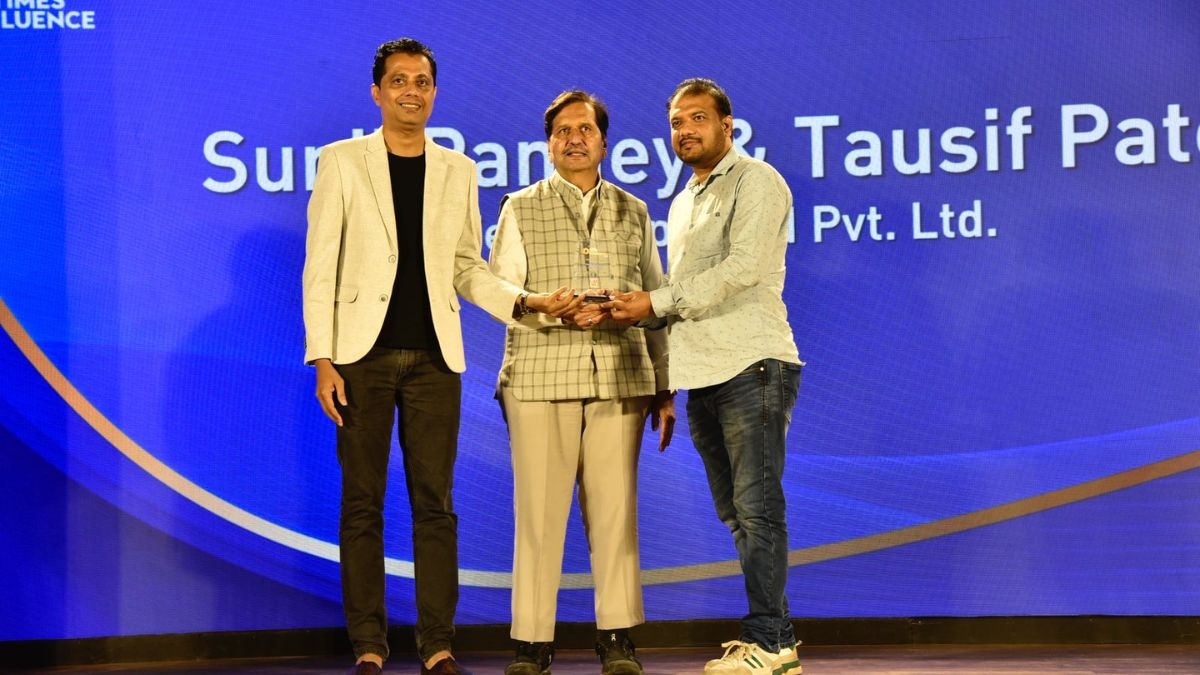
    New Delhi [India], April 02: In a defining moment for India’s AI revolution, Sanjay Gondaliya, Founder & Group CEO of QuantumBot, has been awarded the prestigious “Excellence in Generative AI” at the ET Now Business Conclave & Awards 2026.

    Presented by Rohit Chadda, President & COO of Times Network, this recognition goes beyond innovation—it signals who is actually shaping the future of AI.

    This Isn’t Another AI Story

    While most companies are still experimenting with AI…

    QuantumBot is already delivering results at scale.

    This award wasn’t won for ideas.
     It was won for execution, impact, and category leadership.

    At one of India’s most influential platforms—where top policymakers and industry leaders converge—only companies that move the needle get recognized.

    QuantumBot didn’t follow the AI wave.
     It is helping define it.

    What Makes QuantumBot Different?

    Under Sanjay Gondaliya’s leadership, QuantumBot is building what most companies are still trying to understand:

    • AI that directly drives revenue, not just reports
    • Automation that replaces inefficiency with precision at scale
    • Healthcare AI that impacts real human outcomes
    • Enterprise platforms designed to scale globally, not locally

    This is not hype.
     This is applied, scalable, business-first AI.

     From India to Global AI Leadership

    The ET Now Conclave is known for recognizing companies that don’t just grow—
     they reshape industries.

    And this win sends a clear message:

    India is no longer catching up in AI
    Companies like QuantumBot are leading from the front

    This is how global tech leadership begins—
     not in theory, but in execution.

    The Vision Driving This Rise

    At the core of QuantumBot’s momentum is a bold, focused vision:

    • Build globally competitive AI products
    • Position India as a powerhouse in generative AI
    • Create systems that power the next generation of businesses

    And most importantly:
     Make AI deliver measurable outcomes—not just promises.

    Bigger Than an Award

    This recognition is not just about one company.

    It reflects a larger shift—
     India’s deep-tech ecosystem is accelerating, and AI is at the center of it.

    Companies that can combine:

    • Innovation
    • Execution
    • Real-world impact

    …will define the next decade.

    QuantumBot is already there.

    Final Thought

    Winning “Excellence in Generative AI” is a milestone.

    But the bigger story?

    QuantumBot is not just part of the AI revolution
     It’s building what the future of AI actually looks like

    And this is just the beginning.

  • A Handbook on Waterbody Conservation

    A Handbook on Waterbody Conservation

    New Delhi [India], April 01: K Malhotra, a foremost architect of India’s hydropower and Irrigation Infrastructure, with over 70 years of experience in leading implementation of iconic projects like the Bhakra Dam, Beas Sutlej Link and Lok Tak Hydroelectric projects, later serving as a Mission Member of The World Bank,  launches “ A Handbook on Waterbody Conservation”, his legacy for future generations.

    This  book, representing a culmination of a lifetime devoted to hands-on engineering, knowledge sharing, and the stewardship of one of our planet’s most vital resources—water, is designed as a practical reference guide for engineering students in IITs and engineering colleges, practicing engineers, contractors, NGOs, teaching faculty and agricultural engineers. It presents real-world and field proven  solutions for the construction, rehabilitation, maintenance, and conservation of water bodies and water infrastructure, along with soil and water conservation practices.

    Released by the august hands of Sri Sri Ravi Shankar, an internationally renowned spiritual leader, humanitarian, peace ambassador and founder of the Art of Living Foundation across 180 countries, the book couldn’t have found a better platform  in Bengaluru on 28th March 26, than the 6th edition of “ Jal Yodha Samman 2025”(Honoring national and international Water Warriors), a unique ongoing Niti Aayog, Ministry of Jal Shakti, backed initiative to promote  water conservation and save environment and graced by 6 Padma Shree awardees, 35 Jal Yodha awardees besides knowledge partners comprising Wheels Global Foundation, USA, ASSOCHAM, Ministry of Jal Shakti, IIT Roorkee, and a host of eminent speakers and dignitaries for excellence in water conservation stewardship and sustainability.

    In an era of growing water scarcity, climate uncertainty, and increasing pressure on natural resources, A Handbook on Waterbody Conservation, designed as a foundational guide, aims to support professionals and institutions working to protect and sustain water resources through practical engineering approaches, community participation, and effective project implementation. The book will hopefully serve as a beacon for engineers, policymakers, and practitioners. After all, water is life and engineering it well is survival!

    To quote Mr. Vibhu Nair, Additional Chief Secretary and Project Head, Irrigated Agriculture Modernization and Water Bodies Restoration and Management, Government of Tamil Nadu, “the construction procedures, sequence to be followed, fulfillment of quality control requirements during rehabilitation and modernization of various components of 5,000+ tank systems duly illustrated, helped not only in the successful conclusion of this project encompassing earthen tank bund, irrigation sluices, surplus weirs and irrigation channels in 2016 but also passed the acid test of unprecedented , once in a century, heavy floods in Tamil Nadu in 2018, with no damage whatsoever occurring to rehabilitated concrete lined canals or any other rehabilitated anicuts or other structures”.

    The handbook will help engineers formulate job specific technical specifications of all works along with quality control requirements and methodology, to achieve, amongst other things, the following:

    • Effective and enduring bond between the old and the new earth fill
    • New techniques encompassing device for ensuring compaction of earth fill on side slopes of tank bunds or canals
    • Mechanized placement through pavers for concrete lining in bigger section canals and slip form steel gantry in in small section channels
    • Deployment of an “O K Card System” on all works with due participation of all stakeholders – local community, water user’s associations etc.
    • Modernization through use of flow measuring devices, concrete model sections and building a Mobile Quality Control Laboratory (MOQL) System
    • Control of corrosion in reinforced concrete structures – a serious and recurring problem the world over
    • Introduction of sand grouting behind cement concrete lined canals to plug cavities for long term durability of canal lining

    Very often, well-meaning waterbody restoration interventions revert back to their old state within a year or two, thus not achieving their life expectancy of 15+ years, primarily because of engineering flaws and lack of desired community participation. A Handbook of Waterbody Conservation is the effective antidote to ensure getting a full ROI from the invariably scarce budgets available!

    A Handbook on Waterbody Conservation is published by Manipal Universal Press and edited by Madhur Khanna, a Board Member and Co-Chair Water Council @ Wheels Global Foundation, USA.

    The book is available at Amazon @ https://amzn.in/d/01Z03Eaw 

    If you object to the content of this press release, please notify us at pr.error.rectification@gmail.com. We will respond and rectify the situation within 24 hours.

  • What Are the Main Causes of Hair Fall in Men?

    What Are the Main Causes of Hair Fall in Men?

    New Delhi [India], April 01: Losing a hundred strands of hair a day is considered normal. But when you start noticing thinning patches, a receding hairline, or more hair on your pillow than usual, something else is going on. Hair fall in men is incredibly common, but that doesn’t mean it’s simple. There are usually several things happening at once, and understanding what’s actually driving the loss is the first step toward doing something useful about it.

    Why Genetics Is Often the Starting Point

    Most men who experience significant hair loss have a genetic predisposition to it. This type is called androgenetic alopecia, more commonly known as male pattern baldness. It’s not simply about “having the baldness gene” — it’s about how sensitive your hair follicles are to a hormone called DHT (dihydrotestosterone).

    DHT is a byproduct of testosterone. In men who are genetically sensitive to it, DHT gradually shrinks hair follicles over time. The hair that grows from these follicles becomes thinner and shorter with each cycle, until eventually the follicle stops producing hair altogether. This process can begin as early as the late teens or early twenties. A receding hairline or thinning at the crown are usually the first visible signs.

    The Role of Hormonal Imbalances

    Even without a strong family history, hormonal changes can disrupt the hair growth cycle significantly. Elevated DHT levels, thyroid dysfunction, and insulin resistance are among the most common hormonal contributors to male hair loss.

    Thyroid disorders, both hypothyroidism and hyperthyroidism, affect the body’s metabolism at a cellular level, including the rate at which hair follicles regenerate. Insulin resistance, which is increasingly common in men with sedentary lifestyles or poor diets, can raise androgen levels and, in turn, accelerate follicle miniaturization.

    These hormonal causes are often overlooked because the symptoms can be subtle or attributed to other things. A blood panel that checks thyroid function, insulin, and androgen levels can reveal a lot more than a scalp examination alone.

    Nutritional Deficiencies That Quietly Damage Hair

    Hair is made primarily of a protein called keratin, and it needs a steady supply of nutrients to grow properly. When the body is deficient in key vitamins and minerals, hair is usually one of the first things to suffer, because the body prioritizes vital organs over follicle health.

    Some of the most common deficiencies linked to male hair loss include:

    • Iron deficiency, which reduces oxygen supply to follicles
    • Low levels of vitamin D, which plays a role in follicle cycling
    • Zinc deficiency, which disrupts protein synthesis in hair cells
    • Biotin and B12 insufficiency, both of which affect keratin production

    Many men eat enough in terms of calories but still fall short on these specific nutrients, especially if their diet is heavily processed or lacks variety.

    How Stress and Lifestyle Quietly Accelerate the Process

    Chronic stress triggers a condition called telogen effluvium, where a large number of hair follicles prematurely enter the resting phase of the growth cycle. This often shows up as sudden, diffuse shedding rather than patterned thinning. The tricky part is that it typically appears two to three months after the stressful event, making the connection easy to miss.

    Beyond psychological stress, poor sleep, smoking, and excessive alcohol consumption also compromise scalp circulation and follicle health over time. These aren’t direct causes, but they create conditions where existing vulnerabilities become more pronounced.

    Scalp Health and Its Underrated Impact

    A healthy scalp is the foundation for healthy hair, and this part is often completely ignored. Conditions like seborrheic dermatitis, dandruff, and folliculitis can inflame the scalp and clog follicles, directly interfering with hair growth.

    Poor scalp hygiene or, conversely, over-washing with harsh shampoos can strip the scalp of its natural oils and disrupt its microbiome. A compromised scalp environment means follicles are working against the odds before any other factor even comes into play.

    Connecting the Dots Before Picking a Solution

    The reason most hair loss treatments fail or deliver inconsistent results is that they address symptoms rather than causes. Applying a topical solution without knowing whether the issue is hormonal, nutritional, or stress-related is essentially guessing. Some approaches, like Traya, are built around identifying what’s actually driving the loss before recommending any kind of treatment plan, which is a more logical starting point for most men.

    Final Thoughts

    Hair fall in men rarely has a single cause. Genetics may set the stage, but hormonal imbalances, nutritional gaps, chronic stress, and poor scalp health often determine how quickly things progress. Understanding which of these factors are at play in your specific situation matters far more than reaching for the first product that promises results. The more clearly you see the root cause, the better positioned you are to actually address it.

    If you object to the content of this press release, please notify us at pr.error.rectification@gmail.com. We will respond and rectify the situation within 24 hours.

  • Dependence on Mumbai–Ahmedabad Declines; Patients Across Gujarat Now Trust Surat

    Dependence on Mumbai–Ahmedabad Declines; Patients Across Gujarat Now Trust Surat

    Surat (Gujarat) [India], April 01: Known as the Diamond and Textile City, Surat is now building a new identity in the healthcare sector as well. With 12 successful kidney transplants performed at Shalby Hospital in the past three months, Surat is emerging as a transplant hub. This achievement has also helped the city gain a strong position on the medical tourism map.

    Nirav Shah, Chief Administrative Officer of Shalby Hospital, stated that earlier, people used to travel to Mumbai or Ahmedabad for transplants, but now Surat has become a city where even complex transplant procedures can be successfully performed. He added that all 12 transplants carried out in the last three months have been successful, and a large number of patients are making inquiries for future procedures. Currently, the hospital has made a strong beginning with kidney transplants and is planning to expand into liver and other organ transplants in the future.

    Consultant nephrologist and transplant specialist Dr. Mukesh Goyal said that after receiving approval for transplants, the hospital has performed 12 procedures in just a few months, all of which were successful. He noted that Surat is no longer limited to serving just the city but is now attracting patients from across Gujarat and Saurashtra.

    Transplant surgery is a complex procedure that requires coordinated teamwork among specialists. It primarily involves a nephrologist, a urosurgeon, and an anesthetist.

    In such surgeries:

    Dr. Mukesh Goyal (Nephrologist) identifies the patient, conducts a thorough evaluation, and prepares them for the transplant.

    Dr. Bhargav Pandya (Urologist) handles the main surgical procedure.

    Dr. Kavin Desai (Anesthetist) ensures proper anesthesia and maintains patient stability during the surgery.

    The coordination and teamwork of these experts make transplant surgeries safe and successful. After the surgery, Dr. Arool Shukla, Dr. Himani Garasia, and the ICU intensive care team play a crucial role in patient recovery. Transplant coordinator Sanjay Tanchak acts as a bridge between the patient and the hospital.

    According to available data, 4 women and 8 men have undergone transplants so far. Patients from cities like Bharuch, Junagadh, and Morbi are also included. Family members have played a vital role as donors, with examples such as brothers donating to sisters, mothers to children, and sisters-in-law to brothers-in-law.

    Dr. Goyal addressed common myths about kidney donation, stating that donating a kidney does not affect the donor’s health or lifespan. Humans have two kidneys, and a person can live a normal life with just one. Donors are usually discharged within 3–4 days and do not require lifelong medication.

    After a transplant, patients no longer need dialysis and can return to a normal life. Recent data suggests that the 10-year survival rate for kidney transplants is around 80%, which is considered very promising.

    In this way, Surat is reaching new heights in healthcare, and with increasing awareness about organ donation, the city is gradually earning recognition as a life-saving hub.

  • Why ASG Eye Hospital Is Attracting Attention in India’s Eye Care Sector

    Why ASG Eye Hospital Is Attracting Attention in India’s Eye Care Sector

    New Delhi [India], April 01: India is witnessing a silent surge in vision-related disorders, creating a massive demand for organised and technology-driven eye care services. What was once considered a concern mostly for older adults has quietly become a much wider public health issue, one that touches school children glued to their screens, working adults managing uncontrolled diabetes, and an ageing population dealing with conditions they never saw coming.

    The response to this growing challenge is shaping one of the more significant shifts in Indian healthcare right now, and ASG Eye Hospital is at the centre of that conversation.

    The Rise of ASG Eye Hospital in India’s Eye Care Market

    Founded in 2005 by doctors trained at AIIMS New Delhi, ASG Eye Hospital started with a straightforward goal: bring high-quality eye care to patients in Tier 2 cities who had very few options at the time. What began as a single centre in Jodhpur has since grown into a network of over 180 hospitals across 95-plus cities in more than 20 states, with over 700 eye specialists and a record of treating more than three crore patients.

    That kind of growth does not happen by accident. It reflects a genuine gap in the market and a consistent effort to fill it, not just in cities where quality care already exists, but in the places where it has historically been hard to find.

    Growing Demand for Quality Eye Care in India

    Three things are driving the rise in eye problems across the country, and none of them show signs of slowing down.

    Screen time is the most visible one. Smartphones and laptops have fundamentally changed how Indians spend their hours. Children are being diagnosed with short-sightedness at younger ages than any previous generation, and digital eye strain has gone from being a fringe complaint to something eye specialists see in their clinics every single day.

    Diabetes adds a deeper and more serious layer to the problem. India carries one of the largest diabetic populations in the world. A common complication of poorly managed diabetes is diabetic retinopathy, which damages the blood vessels at the back of the eye and can cause permanent vision loss if it goes undetected. The difficult part is that it rarely causes noticeable symptoms early on, so many patients do not realise there is a problem until it has already progressed.

    An ageing population adds the third dimension. As more Indians live longer, age-related conditions such as cataracts and glaucoma have naturally become more common. These are not rare diagnoses. They are the predictable result of a population that is getting older, and the scale at which they need to be addressed is increasing year on year.

    Together, these three pressures have created a real and growing need for structured eye care that goes well beyond what fragmented, standalone clinics can reliably provide.

    The Eye Care Market Opportunity in India

    The eye care market in India is on a clear growth path through the rest of this decade. Rising patient volumes, greater awareness about eye health, and increasing demand for procedures like LASIK surgery in India and treatment at cataract surgery hospitals are all contributing to that trajectory.

    The more interesting part of this story is where the demand is actually coming from. For a long time, quality eye care was something you could only reliably access in a metro city. A patient in a smaller town needing a retina specialist or a surgeon comfortable with complex cataract surgery often had no real option but to travel. That dynamic is changing.

    How ASG Eye Hospital Is Expanding in Tier 2 and Tier 3 Cities

    Tier 2 and Tier 3 cities are now seeing real and sustained demand for specialised eye treatment. Patients in these cities are no longer willing to accept the inconvenience of travelling to a metro for care that a well-equipped local hospital should be able to provide.

    ASG Eye Hospital recognised this shift early and built its expansion strategy around it. Rather than concentrating its centres in already well-served urban locations, the network deliberately grew into cities and towns where patients had limited access to specialists. This approach is part of why ASG’s hospital network spans such a wide geography today.

    On the supply side more broadly, the divide between organised and unorganised eye care providers in India remains significant. A large share of eye care is still delivered by standalone clinics that operate without consistent protocols, reliable diagnostic equipment, or structured follow-up systems. For a routine eye check, that may be sufficient. For chronic or progressive conditions, it often is not.

    Why ASG Eye Hospital Is Among the Best Eye Hospital Networks in India

    Organised eye care chains in India are built to solve problems that standalone clinics simply cannot manage at scale. When a hospital network operates across many cities, it can standardise the way patients are diagnosed, treated and followed up, so the experience and the quality of care do not vary based on location.

    ASG Eye Hospital has built its reputation as one of the best eye hospital networks in India on exactly this kind of consistency. Whether a patient walks into a centre in  or any of the network’s other locations, the clinical standards, the equipment and the post-treatment care remain the same. That reliability is something patients and their families notice and remember.

    Jodhpur, AmritsarThere is also a trust dimension to this that matters more than it might seem at first. People tend to feel more comfortable with a hospital they recognise, especially when the condition is serious or the procedure is one they have not encountered before. That trust is not built through marketing. It is built through years of consistent outcomes and honest communication with patients, which is precisely what an eye hospital in India operating at this scale has the systems and the incentive to maintain.

    Advanced Eye Treatments at ASG Eye Hospital

    Technology has become a meaningful part of how eye care is delivered, and the treatments available today are noticeably more effective and comfortable than those that existed even a decade ago.

    LASIK surgery in India has advanced considerably. Procedures like Contoura LASIK use topography-guided laser mapping to customise treatment according to each patient’s unique corneal surface. The results are sharper, recovery is quicker, and the overall experience is far more straightforward than it used to be. Demand for these procedures is rising steadily among young professionals and students who want a lasting solution rather than a lifetime of glasses or lenses.

    AI-based diagnostic tools are changing how conditions like glaucoma anddiabetic retinopathy are found and monitored. These tools can pick up early changes in imaging data that might otherwise be missed in a busy clinic. In conditions where early detection can prevent irreversible damage, that capability is genuinely important.

    On the surgical side, robotic and laser-assisted techniques have raised the precision of procedures like cataract surgery and reduced the time patients need to recover before getting back to their normal routine. These technologies are not limited to a handful of premium urban hospitals. ASG deploys them across its network, which means patients in smaller cities get the same standard of care as those in major metros.

    Patient Outcomes at ASG Eye Hospital

    The shift toward organised, technology-led eye care has a direct and meaningful impact on the people who actually go through it.

    Recovery times have shortened considerably. A patient having cataract surgery today is often back to daily life within a day or two. For working adults and older patients, that matters a great deal. It means less time away from family and work, and less disruption to everyday life.

    Outcomes have improved alongside the technology. Earlier detection means conditions are treated before they reach a critical point. Better surgical precision means fewer complications and more predictable results. The follow-up systems that organised hospitals maintain mean patients are not left to manage things on their own after treatment.

    Perhaps the most underappreciated change is in awareness. Community eye screening camps and outreach programmes run by networks like ASG have introduced many people to proper eye care for the first time. Conditions caught at these camps, whether early retinal changes, squint in children or the beginning stages of glaucoma, respond far better to treatment than the same conditions detected years later.

    More and more people are treating eye health as something to take care of before a problem becomes serious, not just after.

    Looking for the Best Eye Hospital in India? Why Choose ASG Eye Hospital

    If you are looking for a trusted eye hospital in India with a track record of consistent care across a wide range of conditions, ASG Eye Hospital is worth considering seriously. With two decades of experience, a presence across more than 20 states, and specialists trained in everything from routine consultations to complex surgical procedures, the network is built to serve patients at every level of need.

    Whether you need LASIK surgery, cataract treatment, management of a retina condition or care for a child with a squint, ASG brings the same standard of care to wherever you are. That consistency, across so many cities and such a diverse patient base, is what makes it one of the best eye hospital networks operating in India today.

    The Road Ahead

    India’s eye care sector is heading toward a future built on preventive care, digital diagnostics and wider access than exists right now.

    Tele-ophthalmology is beginning to bring initial screening to areas where setting up a physical clinic is not yet practical. AI tools are expected to make early detection a more routine part of care, even in settings without a full-time specialist on site. India is also drawing interest from international patients who come here for high-quality procedures at a fraction of what the same treatment would cost elsewhere, a sign that the standards being built within organised networks are being recognised globally.

    The demand for quality eye care across India is going to keep growing. The question, as always, is whether the healthcare system can meet it in a way that is accessible, consistent and built to last. Organised eye care chains, with the infrastructure and the commitment to scale thoughtfully, are better placed than most to answer that question.

    As awareness grows and technology evolves, organised eye care chains are set to play a defining role in shaping India’s healthcare future.

    FAQs

    1. Why are eye care chains growing in India?

    More people are dealing with eye problems, awareness is improving, and there is a clear need for consistent, specialist care across more cities. Organised chains can meet that demand in a way that standalone clinics often cannot.

    2. Is ASG Eye Hospital available in smaller cities? 

    Yes. ASG has specifically expanded into Tier 2 and Tier 3 cities where patients previously had very limited access to specialist eye care.

    3. Is LASIK surgery widely available in India? 

    LASIK surgery in India is available across most major cities and increasingly in smaller towns through organised hospital networks like ASG.

    4. How common is cataract surgery in India? 

    It is one of the most frequently performed procedures at cataract surgery hospitals across the country, particularly among older adults. Modern techniques have made it faster and safer than ever before.

    5. Why choose an eye hospital network over a local clinic? 

    For complex or long-term conditions, a hospital network offers standardised care, advanced equipment and reliable follow-up systems that independent clinics often cannot match.

    If you object to the content of this press release, please notify us at pr.error.rectification@gmail.com. We will respond and rectify the situation within 24 hours.

  • Astro Parduman Wins Global Architectural Leadership Award at ET Now Business Conclave 2026

    Astro Parduman Wins Global Architectural Leadership Award at ET Now Business Conclave 2026

    New Delhi [India], March 31: In a big development that has underlined the relevance of traditional Indian sciences in the modern world, Astro Parduman, headed by known Vastu expert and astrologer Parduman Suri, has won the “Global Architectural Leadership Award of Excellence in Vastu and Vedic Sciences” at the ET Now Business Conclave and Awards 2026.

    The recognition comes at a time in which industries spanning architecture, real estate and corporate planning are all looking towards a framework of the holistic and energy-based. The ET Now Business Conclave, which is known for bringing to the table policymakers, innovators and business leaders, was an important platform to recognise this shift.

    A Journey That Began at the Age of 15

    Parduman Suri made history by becoming the first astrologer to perform Vastu for a public sector company like NPCIL (Nuclear Power Corporation of India) and has also engaged with prominent business families, including Savitri Jindal (Chairperson of the O.P. Jindal Group), through astrology sessions and Vastu consultations.

    What makes the journey of Parduman Suri stand out is how early he started it. Unlike most other professionals, he developed his interest in astrology and Vedic sciences at the age of 15. While others concentrated on the mundane activities of schooling and playing, Suri lost himself in ancient scriptures, mantras, and the study of cosmic patterns outlined in the traditional Indian granthas.

    Coming from a spiritually inclined background, he attributes his family and his cultural environment for fostering this interest. Over time, this first curiosity evolved into a career path.

    Today, Suri continues a legacy of almost 49 years of experience in Vedic sciences, combined with his own fifteen years of hands-on experience in astrology, numerology, palmistry, and Vastu Shastra, which is a rare combination for a man still in his twenties.

    Awards That Created a Strong Foundation

    Long before the global recognition in recent times, Parduman Suri had already developed a strong and credible profile through various prestigious awards.

    His first success came in 2018, when he won the “India’s Youngest Astrologer Award,” a milestone that propelled him into the national spotlight and proved his abilities, despite his youth.

    By 2021 his recognition was greatly expanded. He was honoured with “Indo-America Icon Award” which highlights his increasing presence in international level. In the same year, he was also recognised for being a Youth Icon by a Cabinet Minister in the Punjab Government. Adding to this, he became one of the youngest astrologers to be recognised by IAIA, adding further credence to his work in the field.

    In the year 2022, he won another major achievement with the “India Nostradamus Award” awarded by Bandaru Dattatreya for his incredible contribution to the field of astrology and predictive sciences.

    Continuing this journey, in 2023, he was honoured with the “Best Vastu Consultant of India Award” by the Governor of Maharashtra, this is a mark of his growing authority not only in the field of astrology but also Vastu Shastra.

    And honored with Iconic Personality Award 2024 for his outstanding contribution to the field of astrology.

    Modern Consultancy with a Traditional Background

    At the core of his expedition Astro Parduman, spearheaded by Parduman Suri, is a vision of how the ancient Vedic sciences can be made practical for modern life. The consultancy provides non-invasive and customised Vastu solutions for homes, offices, retail spaces and large infrastructure projects with a focus on subtle corrections and energy alignment instead of major structural changes, making it very relevant in urban spaces. Along with Vastu, it uses astrology, numerology and remedial solutions for better decision making, productivity and well being.

    A key factor in Suri’s growing popularity is that he is able to explain complex ideas with traditional knowledge and contemporary psychology and practical life strategies. With an impressive digital presence of more than 23 million followers, he interacts actively with the youth in his seminars, podcasts, and online platforms and preaches a message of empowerment and encourages people to use the Vedic sciences as tools for clarity and conscious development instead of fear.

    His popular thought “Don’t escape your stars, evolve through them” expresses this modern look to the astrology.

    Author, Educator and Early Struggles

    Adding to his achievements, Parduman Suri owns an author’s pen of another book, “Numerology: Secrets of Number” which explains the role of numbers in personality, career, and relationships inaugurated by Savitri Jindal, who described it as a practical guide for life. Apart from being a writer, he is also a part of the education, as the HOD of Vedic Science at SMAY-JAK, where he is into making astrology and Vedic knowledge simple, practical, and applicable to real life. As a result of his ever-increasing success Suri was challenged by his young age and many doubted his expertise, however, by continually delivering accurate guidance and results, Suri gradually built trust and credibility amongst a wide audience.

    ET Now Recognition and Outlook of the Future

    The recent honour at the ET Now Business Conclave and Awards 2026 is not only a personal success for Parduman Suri, but also represents a broader shift in the industry towards holistic and wellness-focused design, where spaces are being aligned with principles of energy, balance, and well-being. This increased need has made Vastu and Vedic sciences to come into the mainstream of discussions in real estate and corporate strategy.

    Looking ahead, Astro Parduman hopes to grow both digitally and globally, to also partner with architects, designers and planners for integration of Vastu during the design stage, and also create institutional solutions for large-scale projects and raise awareness among the youth. Suri’s journey from a young learner of scriptures to a globally recognised astrologer represents the revival of ancient knowledge in modern times, which places him as a rising new-age voice in bringing the Vedic sciences into the practical and global arena of today.

  • Belmarose Debuts in Mumbai: A European Dining Escape That Transforms into a High-Energy Nightlife Experience

    Belmarose Debuts in Mumbai: A European Dining Escape That Transforms into a High-Energy Nightlife Experience

    New Delhi [India], March 31: The city’s cosmopolitan palate and love for immersive, world-class experiences finds its newest home in Belmarose: a European-inspired dining destination that elegantly transforms into a high-energy nightlife space on the 6th floor of Sahara Star, Mumbai. Created for the globally inclined Mumbaikar, Belmarose beautifully bridges the romance of old-world Europe with the pulse and sophistication of a contemporary, urban vibe.

    The launch saw the presence of Daisy Shah, Rajesh Khattar, Ali Mercchant, Rakesh Paul, Jaan Kumar Sanu, Sara Arfeen Khan, Rajiv Thakur, Shakir Shaikh, Ken Ferns, Vikas Verma, Kanchi Singh, Poonam Pandey, Umar Riaz, Juggy Sandhu, Abir Sengupta, Sangeeta Kapure, Gaurav Sharma, Ramji Gulati, Dharti Gulati, Danish Alfaaz, Asif Merchant, Prashant Virendra Sharma, Gurpreet Kaur Chadha, Deepshikha Nagpal, Priyanka Bajaj Sibal, Siddharth Sibal, Aditi Shetty, Amit Pal, Rahul Singh, Pritam Singh, Ishita Ganguly, Neet Mahal, Zoya Alfaaz, Anushree Mehta, Diksha Pawar, Tina Thadani, Ranjit Rodricks, Roopamm Lakhanpal, Gautamm Gupta, Chef Sunil Panday, Abhinay Patil, Anand Iyer, Ishita Dixit, Reyhna Malhotra, Jashwanth Bopanna, Manisha Tambade, Preet Singh, Lekha Unnikrishnan Nair, Debattama Saha, Zalak Gohill, Richa Mukherjee, Andleeb Zaidi Merchant, Sultan Younus Wani, Simran Khan, Sonali Kukreja, Brinda Parekh, Tanya Satish, Keona Walke, Hemant Gholve, Sonal Kothari, Sonia K, Shilpa Shetty, Anubhav Krishna Srivastava, Dimple Bhatia, Simran Mehta, Aditi S Tiwari, Mohit Jain & Many More.

    Rooted in the timeless elegance of cities like Paris, Florence, and Barcelona, not as a theme, but as a transportive sensibility- Belmarose is an ode to refined architecture, artistic textures, and the culture of unhurried dining. From the moment one enters, every detail whispers of Europe’s storied charm: hand-painted murals reminiscent of cobbled streets, tactile surfaces that feel beautifully lived-in, and an ambience that encourages guests to settle in, stay long, and savour every moment.

    At its core, Belmarose stands for hospitality in its purest form- intuitive service, thoughtful curation, and an atmosphere designed to make time feel slower, fuller, more personal.

    7 PM – 10 PM: – Evenings begin with intention. Warm lighting sets a mellow glow. Jazz, deep house, and lounge melodies create an intimate backdrop. Service is unhurried, attentive, and deeply rooted in a culture of refined dining.

    10 PM – 11 PM- Subtle yet palpable. The lights dip lower. The music gains tempo. Tables shift seamlessly to encourage flow and movement. Conversations grow deeper, laughter louder.

    11 PM – 3 AM- The place becomes the epicentre. The room comes alive with infectious energy. Guests gather closer. The space transitions from elegant dining to vibrant revelry, standing, moving, and indulging in the magnetic atmosphere that defines Belmarose nights.

    Belmarose’s culinary philosophy celebrates the diversity and depth of Europe’s greatest gastronomic regions, interpreted through a contemporary lens attuned to Mumbai’s global diner. The menu draws inspiration from: French precision, Italian soul, Spanish vibrancy, and Mediterranean freshness.

    Small plates spark curiosity and connection. Larger dishes ground the experience with comfort and indulgence. Flavours are layered yet restrained, letting ingredients speak with authenticity and clarity.

    As the evening evolves, so does the menu. Late-night offerings embrace bolder flavours, expressive combinations, and plates crafted to complement rising music, dynamic movement, and the energy of the place.

    At Belmarose, the beverage section is not merely a counter; it is an experience. As the night deepens, it becomes the gravitational centre of the space. Even at its most electric, the foundation remains uncompromised: Considered spirits, Clean technique, Thoughtfully balanced beverages. A commitment to quality in every pour. Here, what you drink is just the beginning. It’s how the night builds, how the atmosphere evolves, how the energy grows and carries you into the early hours.

    Belmarose is crafted for those who crave Long, luxurious dinners, celebrations that stretch into the night, Late-night migration into high-energy spaces, and a multi-sensory, evolving culinary journey.

    Nihit Srivastava says, “Belmarose was imagined as more than a restaurant; it’s a shifting world of its own. We wanted to bring back the romance of unhurried European evenings, where architecture, food, and conversation flow without rush. And as the night builds, so does the energy. It’s a space that transforms with you, that invites you to linger, celebrate, and rediscover the joy of a beautifully unfolding night.”

    Sunaeyaa Kapur says, “Our menu is inspired by the soul of Europe, but created with the rhythm of today’s global diner in mind. Every dish carries the precision of French technique, the warmth of Italian cooking, the vibrancy of Spain, and the freshness of the Mediterranean. We approached each plate like a canvas—textural, expressive, and intentional. The idea was simple: food that evolves with the evening, staying as relevant at midnight as it is at seven.”

    Rajjeet Chandra says, “The idea behind Belmarose was to craft an environment that doesn’t stay still. The space is designed to breathe, shift, and respond to the rhythm of its guests. What begins as a serene, immersive setting gradually blossoms into something far more dynamic as the night progresses. For us, the magic lies in that transformation, the moment the room changes, and so does the energy of everyone in it.”

    If you object to the content of this press release, please notify us at pr.error.rectification@gmail.com. We will respond and rectify the situation within 24 hours.

  • Thinking of Laser Hair Removal? Read This Before You Book Your Treatment Package

    Thinking of Laser Hair Removal? Read This Before You Book Your Treatment Package

    New Delhi [India], March 31: There are several methods for removing unwanted body hair, including shaving, waxing, and threading. However, these conventional hair removal methods come with their own challenges, such as long and frequent sessions, pain, irritation, and more. With busy schedules and hectic lifestyles, people seek long-lasting grooming solutions; this is where laser hair removal comes to their rescue. Lately, laser hair removal in Delhi NCR has been rapidly gaining popularity as one of the most sought-after cosmetic procedures to get rid of unwanted body hair and enjoy silky, hair-free skin without the worry of shaving or waxing every 10–15 days. However, there are several points to understand before you book your laser hair removal package like how the procedure works, what results to expect, and how to find the best skin care clinic for laser hair removal. Understanding these points is essential to achieving effective and safe results.

    What is Laser Hair Removal?
    Laser hair removal is a non-invasive cosmetic procedure that uses concentrated light energy to target and destroy hair follicles. The pigment (melanin) in the hair absorbs the laser, which then damages the follicle and inhibits future hair growth.

    Laser hair removal is not just about aesthetics—it’s about convenience and confidence,” says Dr. Navnit Haror, Gold Medalist Dermatologist and founder of Dr. Haror’s Wellness. He further says, “With the right technology and expertise, people can achieve long-term hair reduction safely.

    Is It Suitable for All Skin Types?
    Earlier, laser treatments were more effective for people with fair skin and dark hair. However, advancements in technology have made it possible for people with a variety of skin tones to benefit from the procedure.

    Modern laser systems are designed to treat every skin type effectively with minimal risk. However, the key lies in customizing the treatment based on the individuals’s skin type and hair texture,” says Dr. Vineeta Pathak, the best skin specialist in Delhi NCR.

    Key Benefits of Laser Hair Removal

    Laser hair reduction has the following benefits compared to traditional methods such as shaving, waxing, or threading:

    • Long-term reduction in hair growth
    • Precision targeting of hair follicles
    • Reduced ingrown hair issues
    • Smoother and clearer skin
    • Time-saving and cost-effective in the long run

    Laser treatment, unlike temporary solutions, has been shown to be more effective in minimizing hair growth after a certain period of time, thus, became a preferred treatment for those who seek a permanent grooming solution.

    Do Laser Hair Reductions Have Any Side Effects?

    Like any cosmetic treatment, there could be mild and temporary side effects of laser hair removal, such as slight redness, swelling, or tenderness at the treated area.

    Dr. Navnit Haror says, “Most side effects are temporary and they disappear in a matter of a few hours. However, the risk increases only when the procedure is administered by an inexperienced dermatologist or using outdated machines”.

    So, it becomes important to choose the right skin care clinic and experienced dermatologist for a safe and effective laser hair removal procedure.

    How Many Sessions Are Required for Optimal Results?
    Laser hair removal is not a one-time procedure. Our hair grows in cycles, and the laser is most effective during the active growth phase. Typically, 6 to 8 sessions spaced 4–6 weeks apart are considered sufficient for optimal results. However, the exact number of sessions may vary depending on your hair thickness, treatment area, skin type, and hormonal factors.

    Consistency is crucial; skipping sessions can delay results and reduce effectiveness,” says Dr. Vineeta Pathak.

    How Long Do Results Last?

    One of the most common questions people ask is about the longevity of results.

    Laser hair removal provides long-term hair reduction, not complete permanent removal.

    People often notice up to 80–90% reduction in hair growth after completing their sessions. The remaining hair is usually much finer and lighter,” says Dr. Navnit Haror.

    After completing the recommended sessions, most people experience significantly reduced and finer hair growth. However, maintenance sessions once or twice a year may be required to sustain results.

    Cost of Laser Hair Removal in Delhi NCR
    The cost of laser hair removal in Delhi NCR depends on several factors, including the treatment area, number of sessions, laser technology used and clinic reputation. Below is the average cost:

    • Small areas (upper lip, chin): ₹1,000 – ₹2,000 per session
    • Medium areas (underarms, bikini): ₹1,500 – ₹3,000 per session
    • Large areas (full legs, back): ₹5,000 – ₹8,000 per session
    • Full body: ₹10,000 – ₹15,000 per session

    Many clinics offer package deals that reduce the per-session cost. Though affordability is important, expert skin care specialists caution against selecting clinics only on the basis of low costs. Priority should always be on the quality of equipment and the expertise of the dermatologist.

    Why Is Demand for Laser Hair Removal Growing Among Men?
    Today’s men are as concerned about their aesthetics as women. They also desire hair-free and smooth skin. As a result, laser hair removal is no longer limited to women. More and more men are opting for this treatment for both aesthetic and practical reasons. This shift has been driven by the rise of social media, evolving professional lifestyles, and changing grooming standards. Men are increasingly embracing laser hair reduction for beard shaping, as well as for chest, back, and neck hair removal. “Men today are more conscious about grooming and hygiene. Laser hair removal helps them maintain a clean and polished look with minimal effort,” says Dr. Vineeta Pathak.

    Popular Laser Hair Removal Technologies
    Skin care clinics in Delhi use advanced laser technologies to ensure safe and effective treatments. “Each technology has its own advantages, and the choice depends on individual skin and hair characteristics. At Dr. Haror’s Wellness, we use the most advanced and US FDA-approved technologies like Soprano Titanium, Morpheus8 Laser, and Diode laser to ensure maximum safety and results,” says Dr. Navnit Haror.

    “Soprano Titanium offers virtually painless, faster treatments and a better patient experience. Its ICE Plus feature continuously cools the skin and maintains a controlled temperature throughout the treatment, ensuring a completely pain-free, cool, and comfortable experience for patients during the entire session.” adds Dr. Haror.

    How to Choose the Best Skin Clinic in Delhi NCR
    Selecting the right skin care clinic is crucial for achieving desired results. Here are some key factors to consider:

    • Qualified and experienced dermatologists
    • Use of advanced and latest laser technology
    • Proper hygiene and safety protocols must be followed
    • Transparent pricing and consultation process
    • Positive patient reviews and testimonials

    Summary
    If you want silky, smooth, and hair-free skin, laser hair removal is the best solution. This procedure is widely accepted and clinically proven to provide long-term relief from unwanted hair. Just make sure you get your procedure done at a good skin care clinic that uses advanced, latest machines, and the procedure is performed by an experienced dermatologist. If you want to enjoy a hair-free summer and are considering laser hair removal in Delhi NCR, Dr. Haror’s Wellness, one of Delhi’s trusted skin care clinics, can be worth considering. Here you receive personalized consultation, advanced laser technology, and expert care under the guidance of Dr. Navnit Haror and Dr. Vineeta Pathak to achieve the best results. So, this summer, ditch razor and book your consultation today to enjoy smooth, hassle-free skin with confidence.

    FAQs

    Q. Is laser hair removal permanent or temporary?

    Laser hair removal is a long-lasting solution to remove unwanted body hair. However, it is not 100% permanent removal. You may need to undergo maintenance sessions once or twice a year to maintain optimal results.

    Q. Is laser hair removal safe for all skin types?

    Yes! Laser hair removal is safe and suitable for all skin tones and textures.

    Q. Can laser hair removal be done on all body parts?

    Laser hair removal can be done on almost all body parts, including face, upper & lower lips, legs, underarms, hands, chest, back, and full body laser hair removal.

    Q. Is laser hair removal painful?

    No! Laser hair removal is virtually painless thanks to advancements in laser technology; today’s laser devices come with advanced features that ensure almost painless procedure.

    Q. How many sessions are required for best results?

    Generally, 6-8 sessions are recommended for better results. However, the number of sessions required also depends on the area being treated and the laser device used.

    Q. Can hair grow back after laser treatment?

    Laser hair reduction is not 100% permanent removal, and you might see lighter and thinner hair regrowth after a few months. With a maintenance session, you can control hair regrowth.

    If you object to the content of this press release, please notify us at pr.error.rectification@gmail.com. We will respond and rectify the situation within 24 hours.