Tag: lifestyle

  • US Cranberries Hosts Special Event with Global Brand Ambassador Chef Vikas Khanna

    US Cranberries Hosts Special Event with Global Brand Ambassador Chef Vikas Khanna

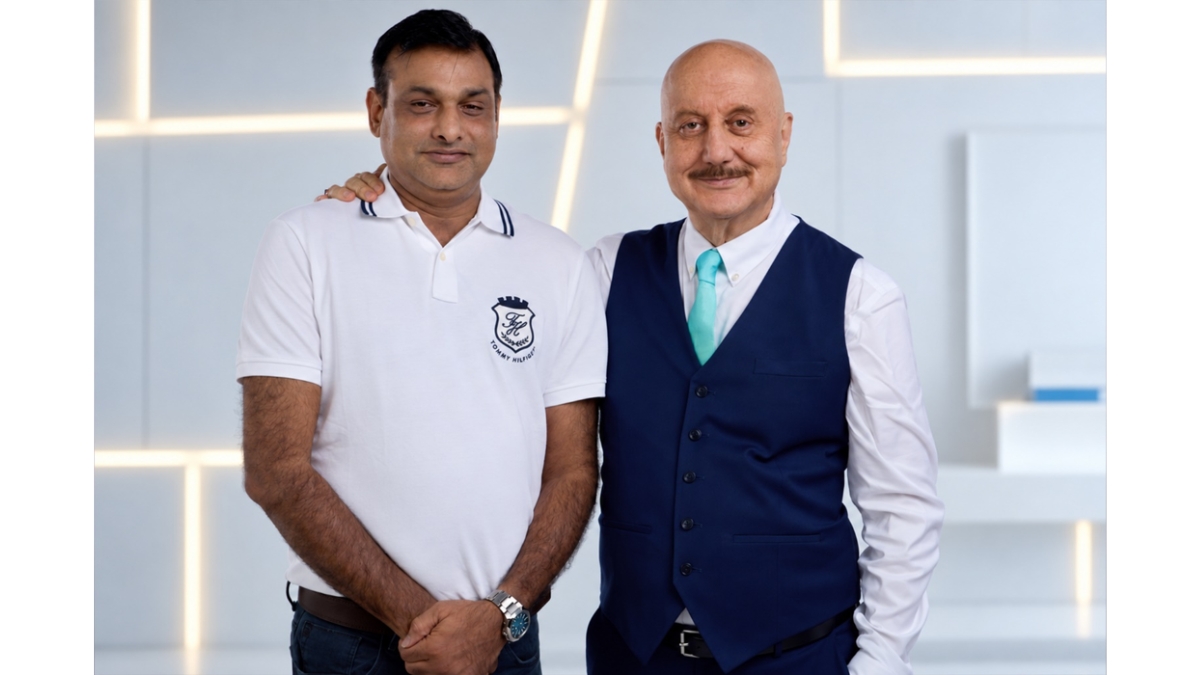
    Mumbai (Maharashtra) [India], February 25: Following the recent announcement of Chef Vikas Khanna as Global Brand Ambassador, the India office of The Cranberry Institute hosted an exclusive media and trade meet in Mumbai to celebrate the partnership. The gathering brought together leading members of the culinary fraternity, importers, retailers, nutrition experts, and media for an afternoon celebrating the versatility, flavour, and health attributes of US Cranberries.

    A key highlight of the programme was a special culinary demonstration by Chef Vikas Khanna, who showcased innovative ways to incorporate cranberries into both international and Indian formats. Through the presentation, Chef Khanna underlined how the fruit can seamlessly move from festive tables to everyday meals while delivering taste, colour, and nutritional value.

    Addressing guests, Chef Vikas Khanna said, “Food, for me, is about balance, nourishing the body while celebrating culture and joy. Cranberries carry that duality beautifully, they are rich in health benefits yet equally vibrant in taste and colour. I am honoured to partner with The Cranberry Institute to share their story across borders and inspire people to bring them to their tables in new and meaningful ways.”

    Speaking on the significance of the new findings, Dr. Jignesh Gandhi, Professor of Surgery, Robotic & Gastrointestinal Surgeon, Gleneagles & Fortis Hospitals, Mumbai said, “H. pylori bacterial infection is a major health concern in India, affecting nearly 60% of our population and contributing to conditions ranging from chronic acidity to stomach cancer. This latest research highlights that consuming cranberry juice twice daily for eight weeks can reduce H. pylori infection rates by 20%. Such results indicate a promising, natural, and complementary strategy to manage this persistent infection alongside conventional medical treatments.”

    He further added, “If this approach is adopted widely in India, it could significantly improve patient compliance, reduce antibiotic resistance, and positively impact our overall health economy.”

    Mr. Sumit Saran, India Representative for The Cranberry Institute added, “We are very delighted and honoured to be associated with renowned culinary maestro, Chef Vikas Khanna. His extraordinary talent and passion for food have not only elevated Indian cuisine on the global stage but have also inspired countless food enthusiasts. His ability to connect health, heritage, and gastronomy makes him the ideal ambassador for the fruit.”

    “US Cranberries are now easily available with dry fruit stores and leading e-commerce platforms”, added Mr Saran.

    Guests also experienced curated tastings and interaction opportunities, reinforcing the ingredient’s adaptability across sweet and savoury dishes.

    For more information, please visit: https://uscranberries.in/

    About The Cranberry Institute

    The Cranberry Institute is a not-for-profit organization founded in 1951 to further the success of cranberry growers and the industry in the Americas through health, agricultural

    and environmental stewardship research as well as cranberry promotion and education. The Cranberry Institute is funded voluntarily by Supporting Members that handle, process, and sell cranberries. Our members are represented in national and international regulatory matters and research efforts are done on their behalf. All growers who have contracts with our Supporting Members are automatically represented by the Cranberry Institute and receive a grower newsletter. The Cranberry Institute’s Board of Directors consists of nine members representing their respective handlers and/or processors.

    If you object to the content of this press release, please notify us at pr.error.rectification@gmail.com. We will respond and rectify the situation within 24 hours.

  • Kallisto by Hafele: Intelligent Cookerhoods and Hobs Designed for Effortless Living

    Kallisto by Hafele: Intelligent Cookerhoods and Hobs Designed for Effortless Living

    Kallisto Series Cookerhoods and Hobs

    New Delhi [India], February 25: Hafele, a German brand offering premium furniture fittings and comprehensive interior solutions, introduces the Kallisto Series of Cooker Hoods and Hobs. Designed for kitchens where appliances are meant to blend seamlessly with the overall interior, the series is rooted in a philosophy of calm, considered design. It brings together refined aesthetics and intuitive functionality to suit the evolving needs of contemporary homes.

    The Kallisto Series features Hafele’s distinctive Shadowstone finish, inspired by the neutral tones found in nature. Drawing from the way light transitions across basalt stone, the finish blends deep greys with subtle mineral undertones, creating a soft, sculptural presence within the kitchen. Designed to enhance the space quietly, Shadowstone complements both light and dark cabinetry, allowing the appliances to blend in effortlessly while elevating the overall visual balance of the interior.

    Kallisto by Hafele: Intelligent Cookerhoods and Hobs Designed for Effortless Living-PNN

    Alongside this understated design language, the Hafele Kallisto Series cookerhoods are crafted to support everyday cooking with ease. Intuitive controls and responsive operation make them simple to use, while efficient smoke extraction helps maintain a clean and comfortable cooking environment. Features such as gesture-based operation add to the sense of convenience, allowing the cookerhood to be controlled effortlessly during active cooking, while easy-care functionality ensures long-term performance with minimal upkeep.

    Extending the same design sensibility, the Hafele Kallisto hobs carry forward the Shadowstone finish to create a cohesive workspace. Their clean, sealed surface is designed for everyday convenience, while precise flame control and built-in safety features support confident cooking. Smart touch operation further enhances ease of use, offering smooth, responsive control that feels natural and intuitive.

    Together, the Kallisto Series of Cookerhoods and Hobs create a kitchen environment that feels balanced, calm and thoughtfully curated spaces designed not just for performance, but for everyday living. With this series, Hafele continues to shape kitchens that reflect a seamless blend of design, comfort, and functionality.

    Log onto https://www.hafeleindia.com/en/info/service/contact-us/410/ to find the nearest Hafele showroom or design Centre.

    Established as a wholly owned subsidiary of Hafele Global network, Hafele India has been operating in India since 2003. An authority in the field of architectural hardware, furniture and kitchen fittings and accessories, the company also has a strong presence in synergized product categories like Home Appliances, Interior and Furniture Lighting, Sanitary Solutions, and Surfaces positioning itself as a complete solution provider for interior solutions in India and South Asia. Hafele India has a strong nation-wide presence through its offices and design showrooms spread across the country. The showrooms function as a one-stop-shop for all home interior and improvement needs – from providing in-depth technical advice to kitchen and wardrobe designing services through a team of experts.

    If you object to the content of this press release, please notify us at pr.error.rectification@gmail.com. We will respond and rectify the situation within 24 hours.

  • The World Is Finally Listening to a Different Kind of AI Ethicist

    The World Is Finally Listening to a Different Kind of AI Ethicist

    How Shekhar Natarajan’s ‘Angelic Intelligence’ — born from Indian philosophy, poverty, and a mother’s sacrifice — is reshaping the global conversation on AI from the UK to Davos to New Delhi

    New Delhi [India], February 25: Shekhar Natarajan with his interviewer at The Business Influencer, holding the UK magazine’s cover story on his work

    The auditorium at Bharat Mandapam, one of India’s most prestigious convention centres, fell silent in the particular way that rooms do when something unexpected is about to happen. The AI Summit on Trust, Safety, and the Future of AI Governance had been a parade of policy papers, regulatory frameworks, and cautious optimism from establishment voices. Then Shekhar Natarajan took the stage.

    What followed, according to delegates who attended this past Wednesday — February 19, 2026 — was not a presentation. It was a reckoning. The Founder and CEO of Orchestro.AI, architect of a framework he calls “Angelic Intelligence,” stood before global policymakers, technology executives, and international journalists and delivered a verdict on the entire edifice of AI governance that the world has spent the last decade constructing.

    “The entire world is debating how to govern AI after the fact,” he told the packed hall. “Angelic Intelligence asks a fundamentally different question: how do we build a machine that is inherently good?”

    The standing ovation that followed was not polite applause. It was the sound of a room recognising that an outsider had just said the thing that insiders had been unable to articulate.

    The UK Took Notice First

    The photographs in this report tell a story that words almost obscure. In the first, Natarajan sits beside a UK host on a terracotta sofa, both men holding a copy of The Business Influencer magazine — the cover story bearing his name. On the table in front of them, a second copy. On the wall behind them, the kind of classical fresco that adorns European institutions of genuine standing. It is not the image of a man who has been invited into the room. It is the image of a man who has become the story the room is telling about itself.

    The second photograph is starker. Stage lights. A formal ceremony. Natarajan in an exquisitely embroidered Indian sherwani — a deliberate, visible marker of cultural identity at a moment of international recognition — receiving what the Signature Awards describe as its Global Impact prize. The man presenting it wears a black turban and a bow tie. Both men are leaning slightly toward each other, sharing something private in a public moment.

    That award was, by any reading of what followed, a turning point. The Business Influencer, one of the United Kingdom’s recognised voices on entrepreneurship and innovation, ran the cover feature that emerged from conversations around the ceremony. The piece traced Natarajan from a one-room Hyderabad childhood — shared with seven family members, his father earning the equivalent of £1.40 a month — to the helm of a Silicon Valley company proposing a fundamental reimagining of how artificial intelligence is built.

    Britain, which has positioned itself as a serious arena for AI governance debate since hosting the historic Bletchley Park AI Safety Summit in 2023, was not simply celebrating an interesting immigrant success story. It was endorsing an idea.

    The Idea That Stopped the Room

    To understand why Natarajan’s framework is generating such unusual international traction, it helps to understand the problem it is solving — and why Western institutions have struggled to solve it themselves.

    The dominant approach to AI ethics, from Brussels to Washington to Beijing, operates in the same register: build the system, observe the harms, then apply governance. The EU’s AI Act, lauded as a landmark piece of legislation, is essentially a sophisticated version of this model — a classification system for risk, a set of obligations, a compliance machinery. It is, by design, reactive.

    Natarajan’s argument is that this is the wrong war fought with the wrong weapons. His Angelic Intelligence framework proposes something structurally different: embed virtue into the computational architecture itself, before a single decision is made. Not guardrails. Not compliance checklists. Not external audits of algorithmic bias. A machine that cannot make an unethical decision because ethics is not a constraint on the system — it is the system.

    The mechanism is, architecturally, a council. The framework deploys 27 specialised AI agents — Natarajan calls them “Digital Angels” — each embodying a virtue drawn from wisdom traditions that span Hindu, Buddhist, Christian, Islamic, Indigenous, and philosophical lineages. Karuna, representing compassion, asks: who will be hurt by this decision? Satya, representing truth, asks: is this accurate, or merely statistically probable? The agents must deliberate. They must reach consensus. No single optimisation metric can override the council.

    Consider the warehouse scenario Natarajan uses to illustrate the stakes: a luxury handbag and a critical medical parcel sit side by side in a logistics system. Traditional orchestration — the kind that has powered Amazon, FedEx, and the entire modern supply chain edifice — will route the higher-margin shipment first. It is optimising for the metric it was built to optimise. An Angelic Intelligence system, Natarajan argues, would route the medicine. Not because it was programmed with a rule that says “medicine before luxury goods” but because the architecture of the system — its native language, as he puts it — is virtue.

    “Ethics cannot be a patch,” he has said. “It cannot be a compliance checklist. Angelic Intelligence starts from a different place entirely — it starts from love.”

    An Indian Philosophical Tradition Enters the Global AI Debate

    What is striking to observers tracking the international reception of Natarajan’s work is not simply the novelty of the technical proposal. It is the explicit, unapologetic rootedness of the idea in non-Western philosophical tradition.

    The 27 Digital Angels are not drawn from Kantian ethics or utilitarian calculus — the two philosophical traditions that have largely shaped Western AI ethics discourse. They are drawn from the full breadth of human civilisation’s accumulated wisdom about how to act well in the world. The virtue of ‘Karuna’ comes from Sanskrit. The architecture of deliberation and consensus mirrors Panchayat traditions that predate the modern state by millennia.

    Natarajan is deliberate about this. Every morning at 4 AM, he practises classical Indian painting — a discipline he describes as both artistic expression and a problem-solving methodology. “The best solutions come not from speed, but from patience,” he told the Bharat Mandapam summit. “We must build AI with love, not just with code.”

    This is, in the context of a global AI debate dominated by American tech companies and European regulators, genuinely unusual. The Sangri Buzz analysis of the 27 Digital Angels framework noted that it represents “a fundamental rethinking of how AI systems should be built” — but what received less attention was the observation that such a rethinking could only have come from outside the Western optimization tradition. You cannot reimagine a paradigm from inside it.

    Natarajan’s own formulation is that he is building technology “with love, not speed.” He speaks of thousand-year timeframes. He quotes from memory the moment his mother stood outside a headmaster’s office for 365 consecutive days to secure his school admission. These are not rhetorical flourishes. They are the epistemological foundations of a different approach to what technology is for.

    From South Central India to the World Stage

    The personal biography is inseparable from the intellectual proposition, and Natarajan does not pretend otherwise.

    He holds degrees from Georgia Tech, MIT, Harvard Business School, and IESE — a credentialing record that would, in conventional terms, mark him as a product of the establishment. But the 25 years that followed, spent inside the Fortune 500 machinery of Walmart, Coca-Cola, PepsiCo, Disney, Target, and American Eagle, produced in him not confirmation of the system’s values but a deepening critique of them.

    At Walmart, he grew the grocery delivery business from ” million to ” billion — a 166-fold increase that is, by any measure, an extraordinary achievement of optimisation. But the closer he got to the machinery of optimisation, the more clearly he saw what it could not see: the worker whose dignity was not a metric, the family whose medical parcel was deprioritised because its margin was lower, the community whose needs did not register in any efficiency formula.

    The reckoning came in 2017, a year bracketed by two family tragedies: the decision to let his father pass from a vegetative state, and his mother’s illness requiring his sustained presence and care. Between hospital corridors and the weight of decisions no algorithm can make, he formulated the question that would become Orchestro.AI: what if the systems we build were designed, from their inception, to ask “what’s the human here?”

    His son Vishnu, born in 2020, crystallised what had been intellectual conviction into something more urgent. Legacy, Natarajan has said, suddenly meant more than personal achievement. He wanted to pass down not money, but a world designed with compassion. The corporate ladder was left behind. Orchestro.AI was built.

    The path to global recognition, when it came, did not follow conventional routes. According to reporting by The Daily Guardian, the World Economic Forum’s invitation to present Angelic Intelligence at Davos arrived after his ideas had already reached an estimated 800 million people through social media. No academic appointment. No government advisory role. No venture backing. Just an idea that, when put before the largest possible public, resonated at a scale that institutions could no longer ignore.

    Forbes Middle East, which listed him as a featured presenter on the future of artificial intelligence, described the reach of his ideas in three months as amounting to 670 million views and three million followers. These are not the metrics of an academic with a theory. They are the metrics of a movement.

    The Patent Portfolio: Protecting Virtue at Scale

    Critics of virtue-based AI frameworks often raise a predictable objection: that such frameworks are philosophically interesting but practically unimplementable, that virtue cannot be operationalised without becoming something other than virtue.

    Natarajan’s response to this objection is, in part, his patent portfolio. He holds over 70 patents protecting the Angelic Intelligence framework — covering not just the multi-agent architecture, but the specific mechanisms for inter-agent deliberation, the escalation protocols triggered when agents disagree, and the interfaces through which human oversight is maintained. This is not philosophy. This is engineering.

    The patents serve a second, perhaps more important function. “Without patent protection,” he has explained, “anyone could take these concepts and implement them badly — or implement them in name only while pursuing the same old optimisation.” The protection ensures that what carries the Angelic Intelligence name must actually function as designed: all 27 agents deliberating, escalation protocols intact, human oversight preserved.

    His career history at Coca-Cola is instructive here in ways that have received insufficient attention. The ColaLife initiative — which used the dead space inside Coca-Cola delivery crates to distribute life-saving medicines like oral rehydration salts to remote Zambian villages — demonstrated that commercial logistics infrastructure could be repurposed for humanitarian outcomes. Natarajan was inside the system that proved this was possible. Orchestro.AI is the attempt to build a system where this is not an exception but the default.

    Why Now, and Why This Matters for Britain

    The timing of Natarajan’s rise matters. The world is entering a period in which the governance frameworks for AI — the EU AI Act, the American executive orders, the UK’s principles-based approach, the G7’s Hiroshima Process — are all being stress-tested by the actual behaviour of deployed systems.

    The results of retroactive governance are increasingly visible. Algorithmic systems optimised for single metrics — efficiency, speed, collection, probability — have repeatedly produced outcomes their designers did not intend and could not predict. The common thread, Natarajan argues, is not malicious intent but architectural limitation: systems built with efficiency as the only virtue, with no native mechanism for compassion, no embedded voice for caution.

    For the United Kingdom, which is seeking to establish itself as a serious locus of AI governance credibility post-Bletchley, the endorsement of Natarajan’s framework carries particular significance. The Business Influencer’s decision to make him its cover story was not accidental. It was a signal that British institutions — at least some of them — recognise that the most interesting ideas in AI ethics may not be coming from the places those ideas have historically come from.

    The Global Impact Award from the Signature Awards ceremony reinforced this. Awards of this kind are, among other things, acts of institutional endorsement. They say: this person’s work matters, and we want our name associated with it.

    The Broader Reckoning

    There is a question that Natarajan’s growing international profile raises — one that his hosts in London, New Delhi, and Davos are beginning to grapple with.

    If the Angelic Intelligence framework is correct — if virtue-native architecture offers a more durable foundation for AI than governance applied after the fact — then the conversation shifts from regulation to design. The question is no longer how to constrain systems that misbehave, but how to build systems that, by their nature, behave well. That is an architectural ambition, and it demands a different kind of engineering, a different kind of investment, and a different kind of patience.

    Natarajan’s own framing is long. He has described this as a “thousand-year project” — positioning Angelic Intelligence not as a product competing in this year’s market, but as a civilisational contribution. The kind of claim that demands a long attention span from institutions more accustomed to quarterly cycles.

    The standing ovation at Bharat Mandapam suggests the institutions are listening.

    When Shekhar Natarajan left the stage at Bharat Mandapam, delegates described his address as “a paradigm-shifting intervention that reframed the entire conversation.” He had a flight to catch. There are more rooms, and the rooms are getting bigger.

    Natarajan receives the Global Impact Award at the Signature Awards ceremony.

  • Aurum Living: Redefining Luxury Elder Care Standards in Delhi NCR

    Aurum Living: Redefining Luxury Elder Care Standards in Delhi NCR

    Gurugram (Haryana) [India], February 25 As India’s senior population continues to grow, with projections indicating that one in five Indians will be over 60 by 2050, the need for world-class elder care facilities has never been more critical.

    Leading this transformation is AurumLiving Senior & Assisted Living, a luxury senior care facility in Gurugram that is setting new benchmarks for what senior living can and should be in India.

    Located in the prestigious South City-2 neighborhood of Gurugram, Aurum Senior & Assisted Living has distinguished itself as Delhi NCR’s most comprehensive senior living destination by offering an unprecedented range of specialized care services—from independent living for active seniors to specialized dementia and palliative care—all delivered with five-star hospitality standards.

    “We recognized a significant gap in India’s senior care landscape. Families were forced to choose between substandard facilities or expensive options that still didn’t meet the holistic needs of their loved ones. At Aurum, we’ve created something different—a place where luxury meets medical excellence, where independence is celebrated, and where Indian values of respect and dignity for elders are woven into everything we do.”

    COMPREHENSIVE CARE ACROSS THE SENIOR LIVING SPECTRUM

    What sets Aurum apart from traditional old age homes in Delhi NCR is its comprehensive approach to senior care. The facility offers seven distinct care programs:

    1. Independent Living – For active seniors seeking community and social engagement

    2. Assisted Living – Personalized daily living support while maintaining dignity and autonomy

    3. Dementia Care – Evidence-based programs designed specifically for cognitive health challenges

    4. Memory Care – Dedicated support for residents with Alzheimer’s and related conditions

    5. Post-Operative Care – Professional rehabilitation and recovery services after surgery

    6. Geriatric Care – Comprehensive elderly health management with specialized medical protocols

    7. Palliative Care – Comfort-focused care delivered with compassion and dignity

    “This continuum of care is crucial. Seniors’ needs evolve over time, and families deserve a facility that can adapt to those changing needs without requiring disruptive transitions to new locations.”

    Aurum Living: Redefining Luxury Elder Care Standards in Delhi NCR-PNN

    MEDICAL EXCELLENCE MEETS FIVE-STAR HOSPITALITY

    At the heart of Aurum’s offering is its 24/7 medical care provided by qualified healthcare professionals, complemented by comprehensive support services including physiotherapy, recreational activities, dietitian-planned nutrition, and personalized concierge services.

    The facility’s strategic location in South City-2 provides residents and their families with proximity to premier hospitals including Medanta, Fortis, and Max Healthcare, while remaining accessible to Delhi’s international airport and major cultural amenities—making it an ideal choice for both local families and NRIs seeking premium care for parents in India.

    ADDRESSING THE STIGMA, EMBRACING THE FUTURE

    Aurum is actively working to change perceptions around senior living in India.

    Rather than positioning itself as simply an “old age home,” the facility represents a modern approach to aging—one that honors independence, celebrates active living, and provides professional support when needed.

    “Indian culture has always revered elders, but the realities of modern life—smaller homes, nuclear families, demanding careers—have created situations where families want to provide excellent care but lack the resources or infrastructure. Aurum bridges that gap. We’re not replacing family; we’re enhancing the care families can provide, giving seniors access to medical expertise, social engagement, and quality of life that might not be possible in traditional home settings.”

    For adult children making care decisions for aging parents, Aurum offers peace of mind through transparency, regular family involvement opportunities, and a culture that respects the central role of family in Indian senior care.

    SETTING THE STANDARD FOR LUXURY SENIOR LIVING IN INDIA

    With spacious accommodations, chef-prepared meals accommodating dietary preferences and medical needs, engaging recreational programs, and beautifully maintained grounds, Aurum delivers an experience that rivals the best international senior living communities while remaining rooted in Indian cultural values.

    The facility’s commitment to holistic wellness—addressing physical, mental, emotional, and social wellbeing—creates an environment where seniors don’t just receive care; they thrive.

    ABOUT AURUM SENIOR & ASSISTED LIVING

    Aurum Senior & Assisted Living is a premier luxury retirement homes facility located in South City-2, Gurugram, Haryana.

    Offering comprehensive care services across the full spectrum of elder care needs—from independent living to specialized dementia and palliative care—Aurum combines medical excellence with five-star hospitality standards. The facility serves families across India and the global Indian diaspora seeking world-class care for their loved ones.

    CONTACT INFORMATION

    Aurum Senior & Assisted Living

    Block H1/10, South City – 2

    Gurugram, Haryana – 122008, India

    Email: contactus@aurumliving.com

    Phone: +91 72900 21706

    If you object to the content of this press release, please notify us at pr.error.rectification@gmail.com. We will respond and rectify the situation within 24 hours.

  • The Conscience Engineer

    The Conscience Engineer

    Natarajan returns to the streets of Hyderabad where he grew up — surrounded by the next generation he is building for.

    New Delhi [India], February 24: Shekhar Natarajan grew up without electricity in Hyderabad, arrived in America with $34, and built a distinguished career at the world’s largest companies. Now he is pursuing something far more ambitious — a new paradigm for artificial intelligence that places human virtue at the center of every decision any machine will ever make.

    The photograph tells a story before a word is read. Shekhar Natarajan — Forbes-listed, patent-holder, the man who grew Walmart’s grocery business 166-fold from $30 million to $5 billion — stands in the middle of a sea of uniformed schoolchildren in Hyderabad, wearing a white kurta, radiating calm. The children press in from every side. He is grinning.

    He grew up a few streets from there.

    That detail — the return, the rootedness, the refusal to erase his origins — is the key to understanding not just Shekhar Natarajan the man, but Angelic Intelligence, the philosophical framework he has spent the last decade constructing. At a moment when the world is grappling with what AI should be, Natarajan is asking something more foundational: What if artificial intelligence was designed, from its very first line of code, to behave the way a genuinely good human being does?

    “Ethics cannot be a patch. It cannot be a compliance checklist. If you have to teach a machine not to be harmful, you have already built the wrong machine.”

    — Shekhar Natarajan, AI Summit, New Delhi, February 2026

    Street Lights and a Pawned Ring

    Natarajan was born in Secunderabad, the twin city of Hyderabad, in South Central India. His family shared a single room. There was no electricity. He studied by streetlight. His father earned the equivalent of $1.75 a month. The circumstances were hard, but they were not without grace.

    His mother — the figure who animates almost everything Natarajan has built — did not optimize. She sacrificed. When tuition fees were needed, she pawned her wedding ring for 30 rupees. When a local headmaster refused to grant her son admission to school, she returned to his office every morning for 365 consecutive days until he relented. A year. Standing outside a door. For the right of her son to learn.

    “Real wealth is not money,” Natarajan says. “Real wealth is wisdom. My mother understood that. She gave up her most precious possession so I could learn. That’s not optimization — that’s love.” It is a sentence he returns to often. And it is the fulcrum on which his entire vision for AI rests.

    The Career of a Master Optimizer

    He arrived in the United States with $34 in his pocket. What followed was, by any conventional metric, a remarkable success. Degrees from Georgia Tech, MIT, Harvard Business School, and IESE. Senior leadership at Coca-Cola, PepsiCo, Target, Disney, American Eagle, and Walmart. More than 70 patents. A career spent making the world’s most complex operations faster, smarter, and more responsive.

    At Walmart, he grew the grocery business from $30 million to $5 billion — a 166-fold increase that reshaped how America’s largest retailer thought about food retail. At Disney, he contributed to the MagicBand technology that millions of park visitors now navigate without a second thought. He pioneered some of the earliest crowdsourced delivery systems, anticipating by years an entire revolution in how the world moves goods and services.

    Yet at the height of that success, a deeper question began to surface. Efficiency, he had come to understand, is a tool — and like any tool, its value depends entirely on the intention behind it. Systems that optimize without asking who they serve — in healthcare, in education, in finance, in governance, in every domain where AI is now being deployed — risk becoming sophisticated instruments of indifference.

    “I spent decades making systems more efficient,” he reflects. “Faster. Cheaper. More scalable. But the most important question is not how fast — it is for whom. And whether those people are seen.”

    The Architecture of Virtue

    Angelic Intelligence is not a product. It is a paradigm. Natarajan’s proposition is that the next evolution of artificial intelligence — across every sector, every application, every country — must embed human values directly into the computational architecture itself, from the very beginning. Not as a layer added later. Not as a policy document. As the foundation.

    His framework deploys 27 specialized AI agents — the “Digital Angels” — each embodying a specific virtue drawn from wisdom traditions across human civilization. Karuna, from Sanskrit, represents compassion. Satya embodies truth. Ahimsa, non-harm. Nyaya, justice. The agents draw on Hindu, Buddhist, Christian, Islamic, Indigenous, and philosophical traditions — a deliberate act of cross-cultural design reflecting Natarajan’s conviction that wisdom is not the property of any single civilization, and neither should be the machines that now shape all of them.

    In practice, no significant decision is made by a single optimization engine. The 27 agents collaborate — and in some cases, reach consensus — before action is taken. The same framework that can ask whether a medical resource reaches the right patient can ask whether an algorithm is treating a loan applicant with dignity, whether a hiring system is recognizing potential fairly, whether a content recommendation is serving genuine human flourishing. The domain changes. The moral architecture does not.

    “Ethical decisions are almost never single-variable optimizations,” Natarajan explains. “Real ethics involves trade-offs between competing goods. A system that can only optimize for one thing cannot be ethical — it can only be efficient. And efficiency without wisdom is an incomplete idea.”

    “The domain changes. The moral architecture does not. Whether it is healthcare, education, finance, or governance — the machine must ask the same first question: does this honor human dignity?”

    — Shekhar Natarajan

    Standing Ovations and Global Stages

    Just days ago, Natarajan delivered a keynote address at the AI Summit on Trust, Safety, and the Future of AI Governance at Bharat Mandapam in New Delhi. The room — packed with global policymakers, technology executives, and international media — gave him a standing ovation.

    His central message was clear: the current conversation about AI governance, however well-intentioned, is largely reactive — addressing consequences after systems are already deployed across hospitals, schools, courts, banks, and governments. Angelic Intelligence offers a different starting point entirely. Build with values first, and governance becomes a natural outcome rather than an imposed constraint.

    The delegates who approached him afterward — from healthcare, public governance, education, and financial services — were not asking about any single industry. They were asking about the idea. How do you make a machine that remembers why people matter? Natarajan’s answer, refined over a decade, is Angelic Intelligence.

    Engineer-PNN

    Natarajan accepting the Burj CEO Award, 8th Edition, Dubai — November 24, 2025.

    Recognition has followed. The Burj CEO Award, one of the most prestigious leadership honours in the Gulf region, was presented to Natarajan in Dubai in November 2025. With confirmed invitations to speak at the World Economic Forum and the Future Investment Initiative, he is now building a platform that bridges the corporate world he has mastered and the philosophical terrain he has always inhabited. In a field hungry for moral clarity, he arrives with the framework already built.

    Painting at 4 AM, Thinking in Centuries

    Every morning, before the rest of San Francisco wakes, Natarajan sits with classical Indian painting materials and works in silence. The practice is not a hobby. It is a method of thinking — a daily reminder that the most enduring things are made slowly, with intention, and with love for what they will become.

    His son Vishnu is a frequent presence in his reflections on why this work matters. The technology Natarajan is building is not designed for a product cycle. He describes it as a thousand-year project — AI systems built to become more trustworthy as they become more capable, carrying values that deepen over time rather than erode under pressure.

    “Without protection, anyone could take these concepts and implement them in name only, while pursuing the same old optimization. The patents ensure the framework must be implemented correctly — with all 27 agents functioning as designed. This is a thousand-year project. It has to be built right.”

    The Innovation That Margins Cannot Measure

    The photograph of Natarajan surrounded by those Hyderabad schoolchildren is an invitation. It asks a question the global technology industry is only beginning to reckon with: what intelligence, what creativity, what potential exists in communities that the systems of the past were never designed to reach?

    Angelic Intelligence, as Natarajan envisions it, is the answer not just to that question but to the larger one beneath it: what kind of future do we want AI to build? One that optimizes the world for those already at the top of it? Or one that extends the circle of dignity — in healthcare decisions, in access to education, in financial inclusion, in civic participation — to everyone the old systems missed?

    “I came from nothing,” he says, in the plainest summary of everything. “I studied under street lights. I know what it means to be invisible to systems. And I know that the child in those streets is not a data point. She is the point.”

    Shekhar Natarajan is the Founder & CEO of Orchestro.AI and inventor of Angelic Intelligence. He is scheduled to speak at the World Economic Forum and Future Investment Initiative.

    If you object to the content of this press release, please notify us at pr.error.rectification@gmail.com. We will respond and rectify the situation within 24 hours.

  • Kesaria Textile Company Launches Menzaro And Kikiboo Apparel Brands

    Kesaria Textile Company Launches Menzaro And Kikiboo Apparel Brands

    Surat (Gujarat) [India], February 24: Kesaria Textile Company, a leading name in the textile industry of Surat, has further strengthened its presence with the launch of two new brands, Menzaro for menswear and Kikiboo for children’s wear.

    The grand launch event on Saturday was attended by leading textile traders, wholesalers and retailers from across the city. The introduction of the two brands marks a strategic expansion for the company, which has supported more than one lakh businesses through its B2B, B2C and franchise models.

    With Menzaro and Kikiboo, customers can expect the latest trendy collections at direct factory rates, enabling better margins for retailers and business partners. Special grand opening offers were also announced as part of the launch. The company said that the initiative is not just a brand launch, but an opportunity for traders and entrepreneurs to scale their businesses.

    Speaking on the occasion, Ritesh Modi, Founder of Kesaria Textile Company, said, “The launch of Menzaro and Kikiboo reflects our commitment to providing quality products and profitable opportunities to our partners. We have always believed in growing together with our traders. Through our direct pricing and structured business models, we aim to make expansion easier and more sustainable for entrepreneurs.”

    Kesaria Textile Company operates with a unique 0% royalty franchise policy and continues to focus on creating growth opportunities in the textile industry.

    The new brands are available at Doriwala Square opposite Surat Railway Station.

    Kesaria Textile Company has built a strong presence in the Indian textile market over the years. The brand offers a diverse product portfolio that includes sarees, kurtis, lehengas, suits, night wear, coord sets, womenswear, menswear, and kids wear. With a wide distribution network, its products are available across India and are also exported to more than 80 countries worldwide.

    www.kesariatextile.com

    If you object to the content of this press release, please notify us at pr.error.rectification@gmail.com. We will respond and rectify the situation within 24 hours.

  • Powering the AI Era: India’s USD 200 Billion Push Needs Power Grid Overhaul

    Powering the AI Era: India’s USD 200 Billion Push Needs Power Grid Overhaul

    New Delhi [India], February 24: India is rolling out the red carpet for global technology leaders, with a commitment to catalyse nearly USD $200 billion in artificial intelligence investments over the next two years across all five layers of the AI stack. From semiconductor fabrication and data centres to cloud infrastructure and AI applications, the ambition signals India’s intent to position itself as a global AI powerhouse. As this digital ecosystem scales, ensuring robust and reliable power infrastructure will be equally critical to sustaining momentum.

    At the recently concluded AI Impact Summit in New Delhi, IT Minister Ashwini Vaishnaw outlined a vision in which more than half of the energy powering this new AI infrastructure would come from clean sources. States such as Rajasthan and Gujarat already lead in solar generation and transmission expansion. The next phase of India’s AI journey will therefore hinge on strengthening grid integration, enhancing storage capacity, and enabling smarter load management so that renewable energy can seamlessly power the country’s fast-growing AI ambitions.

    Over the last few months, nearly 8 gigawatts of green power – built at an estimated cost of Rs. 16,000 crore – have been subject to curtailment amid operational safeguards at the National Load Despatch Centre. To prevent grid disturbances during this rapid expansion phase, only a portion of the electricity has been allowed to flow through new lines, resulting in production adjustments equivalent to 18% of Rajasthan’s average monthly solar output.

    For project developers, the transition underscores the importance of synchronized grid planning. Ratings agency India Ratings and Research notes that continued grid-access uncertainty could affect equity returns for renewable projects by 300 to 400 basis points. The central transmission utility (CTUIL) has highlighted a ‘mismatch’ between generation ambitions and demand growth, with over 60 GW of renewable capacity in Rajasthan awaiting transmission approval, pointing to the urgent need for faster infrastructure coordination to avoid congestion and stranded assets.

    The implications extend beyond generators to India’s fast-growing data centre economy. Facilities requiring 24×7 power with near-zero downtime are operating in an environment where supply flows are being actively managed. In some metros, data centres already account for up to 15% of local grid capacity, a share expected to double by 2030. With hyperscalers demanding uninterrupted supply and grid operators yet to introduce robust compensation mechanisms for curtailment, reliability planning is becoming central to investment decisions.

    Transmission awards worth Rs. 1.2 lakh crore have been issued this fiscal year alone, signalling an aggressive buildout of grid infrastructure. As capacity expands, the next phase will require enhanced real-time data sharing, dynamic load management, and integrated planning to ensure infrastructure is fully utilised.

    If India wants to  capitalise on its projected $200 billion AI opportunity, the evolution of grid management from precautionary restriction to active optimisation will be a game changing step. The scale of investment, the pace of renewable growth, and the parallel expansion of transmission capacity suggests that the foundations are being laid efficiently, and not just for AI leadership, but for a more resilient and future-ready energy ecosystem.

    PNN Lifestyle

  • Best Anti-aging Treatments for Your 30s, 40s & 50s to Maintain Youthful Skin

    Best Anti-aging Treatments for Your 30s, 40s & 50s to Maintain Youthful Skin

    New Delhi [India], February 24: It is innate human desire to feel and look young forever. However, it is also true that we cannot defy what nature has bestowed upon us. Aging is a natural phenomenon that all of us have to undergo. And skin is the first organ which begin to show aging signs. As we get older, our skin starts to lose its firmness, wrinkles & finelines become visible, and our skin’s elasticity also decreases. Our skin’s needs change with age. What used to work in your 20s might not be enough when you turn 30 or enter your 40s or 50s. Though we can’t completely stop aging, we can certainly slow down the aging process. Thankfully, with advancements in cosmetic science, today, we have a variety of anti-aging treatments in Delhi that help maintain youthful and radiant skin. So, whether you are in your 30s, 40s, or 50s, anti-aging treatments can help you look and feel your best. Here, we have listed the best anti-aging treatments to fight aging concerns if you fall in this age group.

    What Causes Aging Skin?

    Before we talk about treatments, let’s first understand why our skin ages.

    • Collagen is a structural protein present in our skin responsible for its firmness, strength, and elasticity. It keeps the skin plump and youthful. As we age, collagen production decreases by around 1% every year after the age of 20. The decrease in collagen production leads to loss of skin elasticity, the appearance of wrinkles and fine lines, and sagging skin.
    • With age, the production of elastin also goes down, causing loss of skin firmness and sagging.
    •  With increasing age, cell turnover also slows down, making the skin appear dull and uneven.
    • As you get older, hormonal changes occur in the body, leading to wrinkles and pigmentation problems.
    • Environmental damage is a major factor in premature aging
    • Excessive UV ray exposure, pollution, stress, and lifestyle choices are also responsible for visible signs of aging at a young age.

    Dr. Vineeta Pathak, a leading dermatologist and skin specialist in Delhi, says, ‘Aging is inevitable. We can’t avoid it, but it can definitely be delayed. If one acts early, at the right age, they can prevent future damage that may be very difficult to tackle and reverse.’

    Anti-Aging Treatments in Your 30s: Prevention & Maintenance Are Key

    In your 30s, your skin generally looks youthful and firm, but this is also the time when the first signs of aging begin to appear. Fine lines and wrinkles start to become visible, the skin may look dull, and collagen production begins to decrease. At this stage, it’s crucial to focus on prevention and maintenance. Here are some anti-aging treatments in Delhi that you can consider in your 30s:

    • PRP: Platelet-Rich Plasma (PRP) therapy is a non-invasive anti-aging treatment designed to rejuvenate your skin from within. In this, a small amount of blood is taken from your body, processed to concentrate the platelets and injected back into your skin. It restores youthful and radiant skin, reduces fine lines & wrinkles and other skin imperfections.
    • GFC: Growth Factor Concentrate(GFC) is a non-surgical and painless procedure that uses your own blood platelets for skin rejuvenation. It increases the production of collagen and elastin in the skin, which results in firm, tight, and youthful skin.
    • Exosomes: This is a popular skin rejuvenation treatment to achieve youthful and refreshed skin. It helps in reducing the appearance of fine lines, wrinkles, pigmentation, and other skin concerns.
    • Chemical Peels: It removes dead skin cells and reveals the fresh skin beneath. It is also very effective in treating pigmentation, sun-damaged skin, and enhancing skin texture.

    According to skin specialist in Delhi, while these treatments are quite effective in preventing aging skin, you should also incorporate retinol-based creams and serums into your daily skincare routine. These improve skin cell turnover, reduce fine lines, and brighten skin tone.

    Anti-aging Treatments in Your 40s: Correction and Restoration 

    The aging process becomes more noticeable in your 40s as collagen and elastin production start to reduce. Volume loss, diminished skin firmness, reduced elasticity, deeper fine lines, and wrinkles are some common concerns people face in this decade. This is the time to consider advanced anti-aging treatments in Delhi that work on the deeper layers of the skin.

    • Dermal Filler: A popular non-surgical anti-aging treatment to restore facial volume, smooth wrinkles, and improve facial contours. This helps skin look fresh, plump, and youthful.
    • Botox: Another widely accepted non-surgical treatment that reduces the appearance of fine lines and wrinkles caused by aging. Forehead lines, frown lines, crow’s feet, bunny lines, lip lines, gummy smile correction, Jawline slimming, and neck bands are common areas that can be treated with Botox.
    • HIFU: High-Intensity Focused Ultrasound(HIFU) is an advanced non-invasive anti-aging treatment in which focused ultrasound energy is delivered deep inside the skin to stimulate collagen production. It is considered the best solution to tighten sagging skin, reduce wrinkles, and enhance facial contours without any surgery, pain, or downtime. This treatment is commonly used for face, neck, and jawline lifting.

    Anti-aging Treatments in Your 50s: Rejuvenation and Maintenance

    As you reach your 50s, your skin becomes even thinner, wrinkles and fine lines become more prominent, the skin sags more, and there is significant volume loss in the face compared to your 40s. Therefore, this decade requires more advanced and intensive anti-aging treatments in Delhi to keep the skin firm and youthful.

    • Radiofrequency Treatment: It is a non-invasive anti-aging solution that uses controlled heat energy to stimulate collagen and elastin production deep within the skin. It is very effective in giving firmness to the skin, smoothing fine lines & wrinkles, and enhancing overall skin tone and texture. It is an ideal treatment for those who want to achieve youthful and glowing skin in their 50s.
    • HIFU: This is ultrasound focused treatment to rejuvenate aging skin. This is highly effective in the 50s when facial volume loss is significant compared to 40s. For more visible and enhanced results, you need to undergo multiple sessions and repeat the procedure every 6-8 months to maintain youthful skin.
    • Thread Lifting: A minimally invasive anti-aging treatment to lift and tighten sagging skin. In this procedure, fine dissolvable medical-grade threads are inserted beneath the skin to reduce fine lines and restore firmness with minimal downtime.
    • Anti-wrinkle Injections: Anti-wrinkle injections, commonly known as Botox, are FDA-approved, non-surgical treatments that temporarily relax overactive facial muscles, helping to smooth dynamic wrinkles such as frown lines, crow’s feet, and forehead lines, resulting in a naturally refreshed and youthful appearance.

    Though Botox and dermal fillers are also recommended in your 40s, their significance increases in your 50s as wrinkles and fine lines become more visible, along with significant volume loss. The dosage of Botox and dermal fillers is typically higher compared to what is required in the 40s.

    Fotona: Next-Generation Laser Treatment for Facial Aesthetics

    Fotona laser treatment is an advanced and innovative solution that utilizes the power of two laser wavelengths to deliver superior results with minimal side effects. Whether you are in your 30s, 40s, or 50s, it is an all-rounder treatment that offers a wide range of aesthetic solutions, including skin resurfacing and rejuvenation, treatment of vein and vascular lesions, pigmented lesions and tattoo removal, permanent hair reduction, and much more. Here are some anti-aging skin concerns that can be treated by Fotona:

    • Fine lines and wrinkles
    • Loose or sagging skin
    • Loss of skin firmness and elasticity
    • Uneven skin texture
    • Pigmentation and Melasma
    • Freckles
    • Sun and age spots

    Age Gracefully with the Best Anti-aging Treatments in Delhi 

    Aging is a natural process that we cannot avoid. But who says we have to start living with wrinkles and fine lines from an early age? Today, medical science has advanced so much that there is a treatment for every type of skin concern. What matters is choosing the right treatment at the right time. Whether you want to reduce wrinkles or tighten sagging skin, there are advanced treatments available. So, whether you are in your 30s, 40s, or 50s, anti-aging treatment in Delhi is the best option for you. Dr. Haror’s Wellness is a leading dermatology clinic in Delhi that provides advanced anti-aging treatments to maintain firm and youthful skin. Dr. Navnit Haror, the best skin specialists in Delhi, suggest treatments according to your age and skin concerns to give you the desired results. Dr. Haror’s Wellness is popular for using the latest and most advanced devices, ensuring patients experience no discomfort and achieve optimal results. So, what are you waiting for? Contact Dr. Haror’s Wellness today to start your anti-aging journey.

    FAQs

    Q. Is it safe to undergo anti-aging treatment during 30s?

    Yes! Anti-aging treatment during the 30s is completely safe and effective. In the 30s, aging signs start getting noticeable like fine lines, wrinkles, volume loss, etc. Botox, Dermal fillers, PRP, GFC, etc. are considered the best option for these concerns.

    Q. What are the best anti-aging treatments in your 40s?

    As one reaches their 40s, the aging signs become more noticeable with a significant loss in facial volume. Dermal fillers, Botox, HIFU, etc., are some of the best anti-aging treatments that one can consider in their 40s.

    If you object to the content of this press release, please notify us at pr.error.rectification@gmail.com. We will respond and rectify the situation within 24 hours.

  • Architect of Water Transversality Honoured at World Water Leadership Congress

    Architect of Water Transversality Honoured at World Water Leadership Congress

    New Delhi [India], February 24: The India Water Foundation (IWF) proudly announces that its President, Dr. Arvind Kumar, has been felicitated with the prestigious Leaders Award for Most Impactful Water Management Leader, certified by the World Federation of CSR Professionals. The honour was conferred at the World Water Leadership Congress & Awards, held under the theme “The Changing CSR Landscape: Sustainable for the Future” on 19 February 2026 at Taj Lands End, Mumbai.

    The recognition celebrates Dr. Kumar’s decades-long leadership in advancing sustainable water governance, integrated resource management, and climate-resilient development pathways. Widely acknowledged as the pioneer who coined and operationalised the concept of Water Transversality, Dr. Kumar has consistently advocated a systems-based approach that positions water as the central connector across energy, health, environment, food systems, and socio-economic development.

    During the high-level gathering of global experts, policymakers, and corporate leaders, Dr. Kumar delivered a compelling Leadership Talk titled “Deciphering the Ripple Effects of Climate Change on Water Resources.” His address underscored the growing urgency of rethinking water governance in the face of intensifying climate variability. He emphasised that climate change is no longer a distant environmental concern but a present and escalating hydrological reality. According to Dr. Kumar, shifting rainfall regimes, accelerating glacier retreat, rising frequency of floods and droughts, and declining groundwater tables are together reshaping water security across regions. These cascading impacts, he noted, are already affecting agriculture, urban systems, public health, biodiversity, and economic stability.

    The conferral of the Leaders Award reflects not only Dr. Kumar’s thought leadership but also his tangible impact on policy discourse, institutional collaboration, and community-level action. Over the years, he has positioned the India Water Foundation as a globally respected think tank working at the intersection of water security, climate resilience, and sustainable development. What distinguishes Dr. Kumar’s contribution is his pioneering articulation of Water Transversality, a concept that moves beyond conventional nexus thinking. By framing water as a cross-cutting enabler of multiple Sustainable Development Goals, he has helped reshape conversations around ESG integration, climate finance, and inclusive development. His work has consistently highlighted that water security is inseparable from poverty reduction, gender equity, public health, and ecological stability.

    Under his leadership, IWF has facilitated multi-stakeholder dialogues involving governments, UN agencies, academia, industry, and civil society across the Asia-Pacific region and beyond. His advocacy has supported initiatives ranging from spring rejuvenation and water budgeting to circular water economy models and Payment for Ecosystem Services frameworks. These efforts demonstrate a rare blend of conceptual innovation and practical implementation. Colleagues and partners widely acknowledge Dr. Kumar’s ability to translate complex hydrological and climate science into actionable policy pathways. His persistent engagement in global forums has also elevated India’s voice in international water and climate governance discussions.

    Building on this momentum, the India Water Foundation is set to convene the Water Transversality Global Awards and Conclave 2026 on 6–7 March 2026 at the India International Centre, New Delhi. The landmark event will bring together global and national leaders, policymakers, industry representatives, UN agencies, researchers, and civil society organisations.

    The conclave aims to advance ESG Transversality across the Water–Energy–Health–Environment (WEHE) nexus and to accelerate science-based, finance-enabled, and policy-driven solutions for water security. It will also honour outstanding institutions and individuals contributing to integrated and sustainable water management.

    Dr. Kumar noted that the upcoming conclave comes at a critical moment when the world is confronting converging crises of climate change, water stress, biodiversity loss, and public health risks. He expressed confidence that the platform will catalyse stronger partnerships, innovative financing mechanisms, and scalable solutions grounded in the principles of Water Transversality.

    The Leaders Award for Most Impactful Water Management Leader thus arrives as a timely acknowledgement of Dr. Arvind Kumar’s sustained commitment to reimagining water governance for a climate-uncertain world. As hydrological risks intensify globally, his pioneering vision of Water Transversality is increasingly gaining relevance among policymakers, development practitioners, and the corporate sector alike.

    If you object to the content of this press release, please notify us at pr.error.rectification@gmail.com. We will respond and rectify the situation within 24 hours.

  • Unihealth Hospitals Limited Celebrates Milestone: First IVF Twins Born at UMC Victoria Hospital in Uganda

    Unihealth Hospitals Limited Celebrates Milestone: First IVF Twins Born at UMC Victoria Hospital in Uganda

    Mumbai (Maharashtra) [India], February 23: UniHealth Hospitals Limited (NSE – UNIHEALTH), celebrates a remarkable achievement by its flagship tertiary care institution, UMC Victoria Hospital, in Kampala, Uganda; the successful birth of healthy twin babies conceived through In-Vitro Fertilization (IVF) — the first such twin delivery since the launch of the hospital’s IVF and Fertility Department. This milestone highlights UniHealth’s commitment to excellence in advanced reproductive medicine and compassionate maternity care.

    The milestone coincides with the first anniversary of the IVF and Fertility Department at UMC Victoria Hospital and underscores the impact of integrating cutting-edge fertility treatments with holistic clinical support.

    Turning Dreams into Reality for Families 

    The parents, who had faced a challenging fertility journey and consulted several providers before being referred to UMC Victoria Hospital, received a personalized treatment plan and comprehensive clinical support from a multidisciplinary team. Their successful outcome reflects the hospital’s emphasis on patient-centred care, ethical clinical practices, and advanced reproductive technology.

    UMC Victoria Hospital’s IVF and Fertility Department offers a full spectrum of reproductive and maternity services, including fertility assessments, IVF and ICSI treatments, antenatal care, delivery services, and neonatal support. This integrated approach ensures continuity of care at every stage of the fertility and maternity journey.


    Unihealth Hospitals Limited Celebrates Milestone: First IVF Twins Born at UMC Victoria Hospital in Uganda-PNN


    Strengthening India-Africa Healthcare Leadership

    Headquartered in Mumbai, Unihealth Hospitals Limited operates under the UMC Hospitals brand with a growing portfolio of hospitals, medical centres, and integrated healthcare services across India and multiple African nations.

    Strategically expanding in India — particularly within Maharashtra’s key healthcare hubs, UniHealth aims to bring world-class tertiary care services and advanced specialties closer to Indian patients while leveraging global clinical expertise.

    Dr. Akshay Parmar, Founder & Managing Director of Unihealth Hospitals Limited, said: “This achievement by our clinical team at UMC Victoria Hospital represents the very essence of UniHealth’smission — helping families realise their dreams through world-class medical care. We are proud to support advanced fertility services that are accessible, evidence-based, and delivered with compassion. For patients across India and internationally, this milestone reinforces the possibilities that modern reproductive medicine can offer in trusted healthcare environments.”

    Dr. Anurag Shah, Founder & Director of Unihealth Hospitals Limited, added: “We believe quality healthcare knows no borders. As we expand UniHealth’s footprint in India — including new multi-specialty tertiary care hospitals in Maharashtra — we are inspired by achievements like this at our Ugandan facility. It motivates us to strengthen our clinical capabilities across all specialties, including reproductive health, benefitting communities both in India and abroad.”

    If you object to the content of this press release, please notify us at pr.error.rectification@gmail.com. We will respond and rectify the situation within 24 hours.