Author: Sutun Nayak

  • Leading Apps to Buy Medicines Online: Evaluation Criteria Explained for Indian Users

    Leading Apps to Buy Medicines Online: Evaluation Criteria Explained for Indian Users

    New Delhi [India], January 19: Choosing the right app to buy medicines online in India requires careful evaluation of safety, compliance, and user experience. With several e-pharmacies operating across the country, selecting a trustworthy platform becomes essential for your health and finances.

    This guide outlines five key criteria for evaluating medicine delivery apps. You will learn what safety features matter, how to verify regulatory compliance, and which red flags to avoid.

    Why choosing the right medicine app matters in India

    Selecting a reliable medicine app protects your health and ensures you receive genuine medications. Unreliable or unlicensed platforms may bypass prescription checks, supply substandard or counterfeit medicines, or lack proper storage and delivery standards. These risks can lead to incorrect dosing, adverse drug interactions, delayed treatment, or misuse of prescription-only medicines. Additionally, poor data security practices on such apps may expose sensitive health information.

    In contrast, trusted medicine apps follow regulatory guidelines, verify prescriptions through licensed pharmacists, and source medicines from compliant suppliers. They improve safety by ensuring genuine products and offer savings through transparent pricing and discounts. They also add convenience with features such as easy refills, reminders, doorstep delivery, and real-time order tracking.

    Step 1: Check prescription handling and medicine safety

    Proper prescription management ensures you receive appropriate medications safely.

    Prescription upload, validation, and repeat management

    The Drugs and Cosmetics Act, 1940, requires prescriptions from registered medical practitioners for certain medicines. Schedule H, H1, and X medicines can only be sold against valid prescriptions. Look for apps that clearly display prescription requirements.

    Availability of licensed pharmacists and safety checks

    Draft rules mandate that customer support facilities include registered pharmacists. These pharmacists verify patient details and prescription authenticity. They also arrange proper dispensing of medicines under supervision.

    Step 2: Compare medicine availability, pricing, and information

    A good app offers variety, transparency, and helpful medical information.

    Catalogue depth: branded, generic, and substitute options

    India produces 20% of global generic medicines by volume. Quality apps offer both branded and non-branded generic alternatives. This variety helps you find affordable options for your prescribed treatments.

    Transparent pricing, discounts, and medicine information quality

    E-pharmacies typically offer lower prices than traditional retail outlets. Traditional pharmaceutical retail remains highly unorganised, with approximately 8.5 lakh retailers contributing over 90% of sales. Digital platforms provide clearer pricing comparisons, offers, and discounts.

    Step 3: Evaluate delivery, packaging, and storage standards

    Reliable delivery and proper packaging protect the quality of medicines during transit.

    Delivery speed, reliability, and PIN code coverage

    Check whether the app delivers to your location before placing orders. Many rural areas benefit from online platforms when local pharmacies are scarce.

    Packaging quality, cold-chain support, and return policies

    Industry self-regulation standards require tamper-proof packaging under pharmacist supervision. Verify that the app provides valid bills for every sale. Clear return policies should be displayed prominently on the platform.

    Step 4: Assess app experience and support for Indian users

    User-friendly features make medicine ordering simpler and more accessible.

    Navigation, language options, and payment modes (UPI, wallets, COD)

    Mobile platforms dominate the Indian online pharmacy market with approximately 85.5% market share in 2024. However, the unavailability of regional language options can pose challenges. Choose apps offering your preferred language and payment methods (UPI, cards, wallets, cash on delivery, etc.).

    Customer support quality and order tracking features

    Draft rules mandate 24/7 customer support and grievance redressal facilities. This support must operate all seven days of the week. Real-time order tracking adds transparency to your purchase experience.

    Step 5: Verify trust, compliance, and local reputation

    Regulatory compliance and data security protect your health information and transactions.

    Licences, regulatory compliance, and authorised pharmacy partnerships

    The Central Drugs Standard Control Organisation (CDSCO) serves as India’s National Regulatory Authority. E-pharmacies must register with CDSCO and can operate nationally with a single licence. Platforms should clearly display their pharmacy licence information.

    User reviews, ratings, data privacy, and secure transactions

    Draft Rules require e-pharmacies to store customer data exclusively within India. Customer information obtained through prescriptions cannot be disclosed inappropriately. Platforms like Truemeds prioritise transparent pricing and verified quality standards.

    FAQs

    How can I quickly tell if a medicine app is genuine and safe?

    Check whether the app displays pharmacy licence information prominently. Genuine platforms require valid prescriptions for Schedule H, H1, and X medicines. Verify they operate through licensed pharmacies complying with the Drugs and Cosmetics Act, 1940.

    What red flags should I watch out for before placing an order?

    Avoid apps selling controlled substances online or not requiring prescriptions for prescription-only medicines. Absence of licensed pharmacist verification indicates potential risks. Missing pharmacy licence details suggest non-compliance with regulations.

    Should I stick to one app or switch based on offers?

    Prioritise safety and regulatory compliance over discounts. Maintaining records with one trusted platform helps manage chronic conditions effectively. Organised systems confirm prescriptions and maintain electronic records better than switching frequently.

    If you object to the content of this press release, please notify us at pr.error.rectification@gmail.com. We will respond and rectify the situation within 24 hours.

  • PRISM launches Republic Day sale with 77% savings on OYO hotel bookings

    PRISM launches Republic Day sale with 77% savings on OYO hotel bookings

    Premium brand CheckIn also offers upto 25% discount

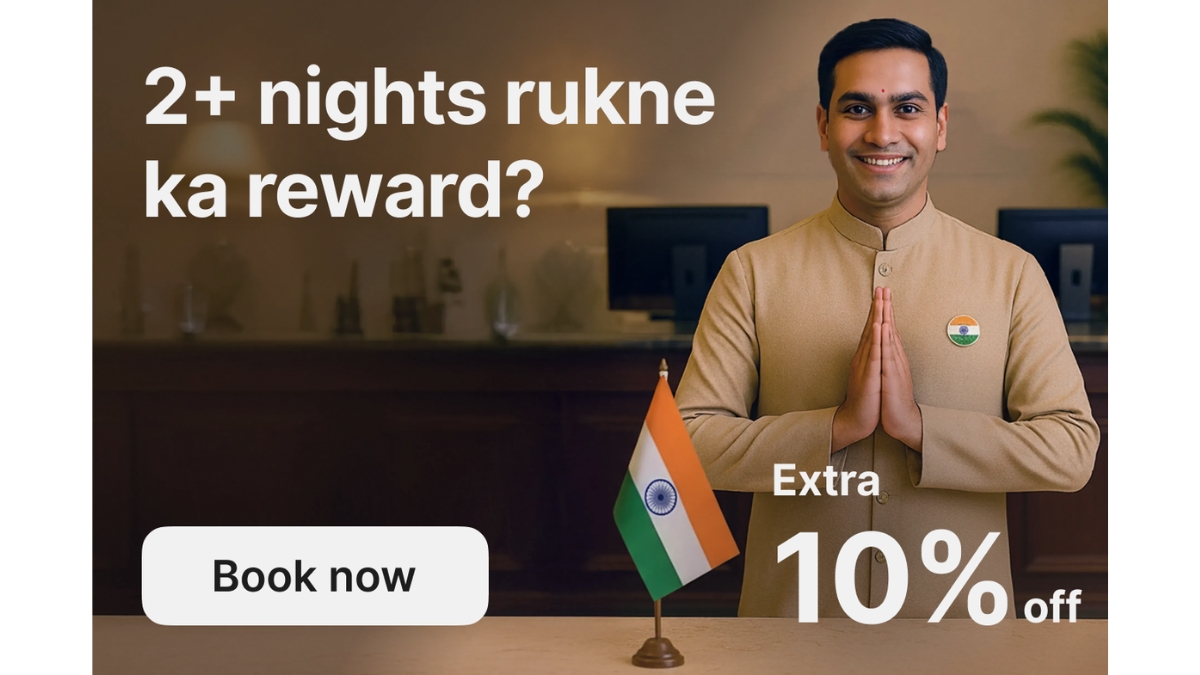
    New Delhi [India], January 19: PRISM (Parent of OYO) has launched a limited period republic day sale offering up to 77% discount across all OYO properties in India and upto 25% discount with free breakfast on CheckIn properties across India. As part of the campaign, travelers who book two or more nights in OYO properties can also avail an additional 10% discount. At CheckIn properties, travelers can enjoy an extra night at no additional cost on bookings of two or more nights.

    Travelers can avail the Republic Day offers by using coupon code RDAY77 for up to 77% off on OYO properties and an additional 10% discount wherever applicable. For CheckIn properties, guests can use FIRSTCHECKIN for upto 25% off, and STAYONUS for one complimentary extra night on eligible bookings.

    The offer is valid for bookings until January 27, 2026.

    PRISM PNN

    OYO includes brands such as Townhouse, Collection O and Capital O for value-conscious travelers while CheckIn is the collection of premium brands of hotels including SUNDAY Hotels, Clubhouse and Palette.

    This layered discount also allows families, couples and solo travelers to stretch their savings further and plan for multi-destination itineraries pairing popular destinations such as Delhi with Corbett’s adventure, Puri’s beaches with Konark Sun Temple, Jammu and Srinagar’s Himalayan charm, Jaipur with Pushkar’s spirituality, Chennai and Pondicherry’s coastal vibes, Lucknow alongside Ayodhya’s spiritual heart, or Varanasi with Prayagraj’s sacred confluence and more.

    Varun Jain, Chief Operating Officer-Asia, PRISM said “Our Republic Day offer is designed to encourage Indians to explore the country more deeply and frequently, while complementing government-led initiatives such as the Swadesh Darshan scheme that supports more than 100 thematic tourism projects developed across coastal, heritage, spiritual, and eco-tourism circuits”. 

    The launch comes at a time when domestic tourism continues to be a key growth driver for India’s travel and hospitality sector, with holiday-led travel, long weekends, and short leisure breaks seeing sustained demand. The Republic Day holiday, the first long weekend of 2026, is expected to be a high-intent travel period, especially for those looking for nearby leisure destinations.

    About PRISM: PRISM (formerly Oravel Stays Ltd.) is the corporate parent of OYO and a portfolio of brands with growing number of more than 22000 hotel storefronts and 123000 home storefronts in over 35 countries as on June 30, 2025. From short stays and extended living to luxury escapes, co-working hubs, celebration spaces, and hospitality technology solutions, PRISM simplifies and enriches urban living through scalable innovation.

    For more information, visit www.PRISMlife.com

    If you object to the content of this press release, please notify us at pr.error.rectification@gmail.com. We will respond and rectify the situation within 24 hours.

  • A Quiet Triumph With Loud Consequences: How The European Film Awards 2026 Politely Disrupted Global Cinema

    A Quiet Triumph With Loud Consequences: How The European Film Awards 2026 Politely Disrupted Global Cinema

    Mumbai (Maharashtra) [India], January 19: The European Film Awards have never been interested in fireworks. No mid-ceremony brand launches. No forced viral moments. No manufactured outrage packaged as “cultural conversation.” And yet, in 2026, they managed to do something far more subversive: they shifted the global awards mood without asking for permission.

    The evening belonged—unexpectedly and almost inconveniently—to Sentimental Value, a Norwegian drama that walked away with Best Film, Best Director, Best Actor, and Best Actress. Not a polite win. A sweep. The kind that makes publicists blink twice and forces international distributors to suddenly pretend they were “watching this space all along.”

    But the real story wasn’t just the trophies. It was the tone. The silences. The speeches that refused to behave. And the growing discomfort among those who prefer cinema to be decorative rather than declarative.

    A Sweep That Wasn’t Supposed To Happen

    On paper, Sentimental Value doesn’t scream “award season disruptor.” It’s restrained. Introspective. Almost aggressively uninterested in spectacle. The kind of film that trusts its audience to sit still and feel something without being spoon-fed emotional cues.

    That trust paid off.

    The film’s domination of the top categories sent a clear message: European cinema is done apologising for its pacing, politics, or emotional austerity. It doesn’t want to be Hollywood-adjacent anymore. It wants to be taken seriously on its own terms.

    And for once, the jury listened.

    When Politics Refuse To Stay Off The Stage

    Awards ceremonies love to say they’re “about the art.” Until the art insists on talking back.

    Filmmakers like Jafar Panahi used the platform to deliver speeches that were pointed, unglamorous, and very much aware of the room they were unsettling. These weren’t abstract calls for “peace” or “unity.” They were reminders that cinema, especially outside Hollywood, is often created under surveillance, censorship, exile, or economic precarity.

    The applause was respectful. The tension was palpable.

    For some viewers, this was refreshing. For others, exhausting. But that split reaction is precisely the point. European cinema has never existed to soothe.

    European Cinema’s Slow, Stubborn Ascent

    This wasn’t an overnight phenomenon. European films have been quietly accumulating influence for years—through festival circuits, international co-productions, and streaming platforms hungry for prestige that doesn’t come with blockbuster budgets.

    What 2026 marks is a tipping point:

    • European films are no longer “festival darlings” alone

    • They are increasingly shaping global awards narratives

    • And they’re doing so without anglicizing their identities

    The irony? Much of this growth has happened while mainstream coverage still treats European cinema as a niche curiosity.

    European Film Awards - PNN

    Why Hollywood Is Paying Attention (Even If It Pretends Not To)

    Awards strategists understand signals. And this year’s European Film Awards sent several:

    • Intimate stories can outperform expensive campaigns

    • Non-English narratives aren’t “risky”—they’re resonant

    • Political clarity isn’t box-office poison; it’s relevance

    Studios won’t admit it publicly, but the ripple effect is already visible. Acquisition deals spike after these wins. International titles quietly enter “serious contender” conversations. And suddenly, subtitles don’t feel like such a hard sell.

    The Pros: What This Shift Gets Right

    European cinema’s rising influence brings genuine advantages to global storytelling:

    Creative Freedom

    • Directors are less constrained by franchise logic

    • Risk-taking is rewarded, not punished

    Narrative Diversity

    • Stories emerge from cultural specificity, not universality-for-export

    • Language, place, and politics are treated as assets

    Awards Integrity

    • Jury-driven recognition resists algorithmic popularity

    • Craft still matters more than campaign noise

    For audiences fatigued by formula, this feels like oxygen.

    The Cons: Let’s Not Romanticize Everything

    That said, European cinema’s ascent isn’t without friction.

    Accessibility Remains A Problem

    • Distribution outside festivals is still limited

    • Marketing budgets are modest, sometimes invisible

    Perception Of Elitism

    • Slow pacing and ambiguity alienate casual viewers

    • Not everyone wants to “work” for a film after a long day

    Political Saturation

    • When every speech becomes a statement, nuance can get lost

    • Audiences sometimes tune out, even when the message matters

    There’s a fine line between conviction and repetition. European cinema occasionally tiptoes over it.

    European Film Awards - PNN

    Money, Reality, And The Uncomfortable Economics

    Let’s talk numbers—without pretending this is a billionaire’s game.

    Most European award-winning films are produced on moderate budgets, often supported by national film boards, cultural grants, and cross-border funding. That ecosystem allows for creative autonomy but also imposes constraints:

    • Limited promotional reach

    • Dependence on festival validation

    • Slow returns on investment

    Ironically, winning big awards often becomes the most effective marketing strategy they can afford.

    In that sense, Sentimental Value’s sweep isn’t just symbolic—it’s economically consequential. Awards like these directly influence international sales, streaming deals, and future funding.

    A Different Kind Of Prestige

    What the European Film Awards 2026 offered wasn’t glamour. It was credibility.

    In an industry increasingly driven by metrics, virality, and “engagement,” European cinema is making a counteroffer: stay with us, and we’ll give you something that lasts longer than a trending clip.

    That won’t appeal to everyone. And it shouldn’t.

    The Bigger Picture: Global Cinema Is No Longer Centered

    Perhaps the most important takeaway is this: global cinema no longer has a single axis. Hollywood is still powerful, but it’s no longer the unquestioned center.

    European cinema, along with Korean, Iranian, Latin American, and African storytelling, is participating in a multipolar cultural moment. Influence is distributed. Attention is fragmented. Authority is negotiated.

    And awards nights like this don’t just reflect that shift—they accelerate it.

    Final Thought: Less Noise, More Consequence

    The European Film Awards 2026 didn’t try to go viral. They didn’t chase relevance. They simply did what European cinema has always done best: tell serious stories and let the discomfort linger.

    In a year obsessed with spectacle, that restraint felt almost radical.

    Not louder.
    Not shinier.
    Just harder to ignore.

    PNN Entertainment

  • Russell Peters India Tour 2026: A Comedy Power Move

    Russell Peters India Tour 2026: A Comedy Power Move

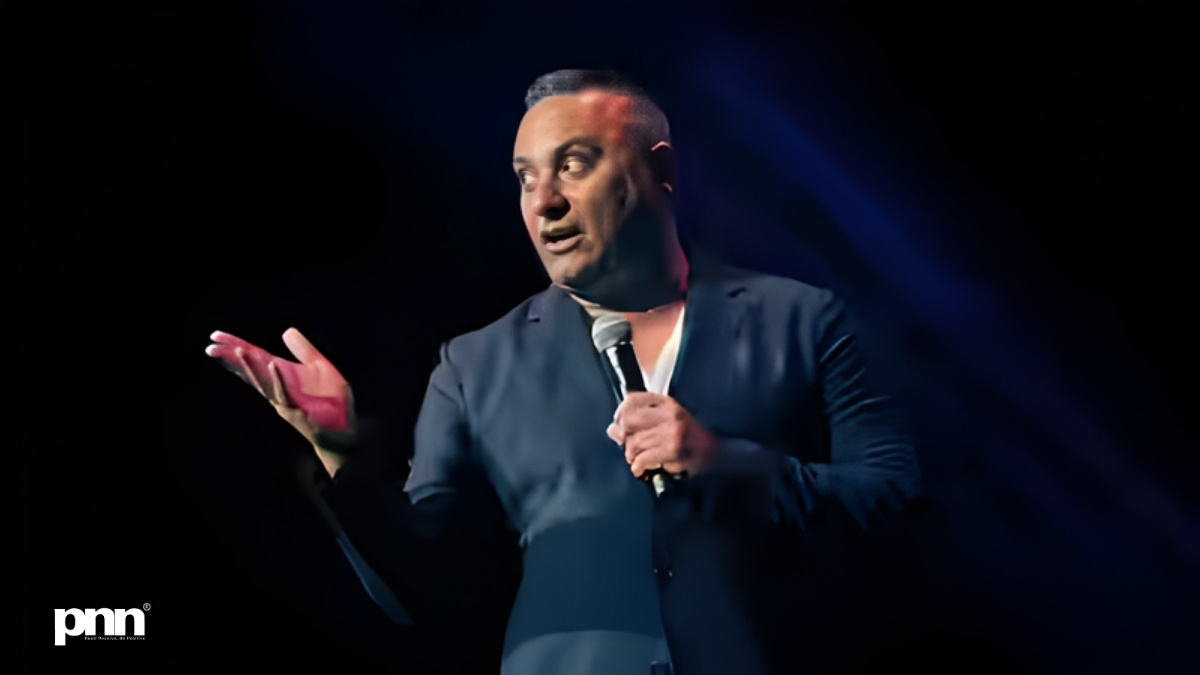
    New Delhi [India], January 19: Russell Peters is back in India in March 2026, and this time he is not easing in. The Relax World Tour is loud, global, and designed to sell out fast.

    The Question of Why Russell Peters Still Owns the Global Comedy Circuit

    The careers of most comedians fade quietly. Russell Peters did the opposite. He went international at a time when being “global” was not yet a LinkedIn buzzword or a marketing slide.

    Three decades later, Peters remains one of the very few stand-up comics who can fill arenas across continents without leaning on shock value or social media gimmicks. His material travels because it is rooted in culture, family, and the shared awkwardness of everyday life. Indians get it. So do Americans, Canadians, Brits, and everyone in between.

    The Russell Peters India Tour 2026 proves one simple point. The audience is still listening.

    Russell Peters India Tour 2026: Cities, Dates, Scale

    The Relax World Tour arrives in India in March 2026, spanning seven major cities. This is not a token visit. It is his biggest and most deliberate India tour in years.

    Confirmed cities include:

    • Delhi NCR

    • Mumbai

    • Pune

    • Bengaluru

    • Hyderabad

    • Chennai

    • Kolkata

    Pune, in particular, has already generated serious buzz, with a mid-March show drawing early attention. Large venues. Prime weekends. Tight scheduling. This is not a casual drop-in. It is a precisely built tour.

    What the Relax World Tour Is Really About

    Despite the name, this tour is anything but lazy.

    When Peters says “Relax,” he is doing what he does best. Decades of experience sharpened into observational comedy. Crowd work that feels spontaneous but lands clean. Cultural stories, family anecdotes, light political jabs, and everyday absurdities are delivered without sounding preachy.

    There are no reinvention gimmicks here. No forced relevance. Just a seasoned performer leaning fully into experience.

    And yes, the jokes will shift city to city. Peters understands what many miss. Indian audiences are not a monolith.

    Why Russell Peters Still Cares About India

    India has always been one of Russell Peters’ core building blocks. His jokes about Indian families, accents, and traditions drew massive crowds long before streaming platforms pretended borders did not exist.

    But this relationship has matured.

    The Russell Peters India Tour 2026 is less about nostalgia and more about mutual respect. Today’s Indian audiences are sharper, more exposed, and far less tolerant of lazy punchlines. Peters meets them at that level.

    That is why he keeps coming back. And why arenas continue to fill up.

    Live Comedy Is Back, Bigger and Sharper

    The economics of entertainment have shifted since the pandemic. Live comedy has emerged as one of the strongest performers in the ticketed events market.

    People want to laugh together again. Not clips. Not reels. Full shows.

    This shift benefits Russell Peters, but he also reinforces it. His tours remind promoters that international comedy still sells when the content is strong and the brand is trusted.

    India’s live entertainment market in 2026 is no longer niche. It is competitive. And Peters is operating at the highest level.

    The Business of Laughter in 2026

    Without guessing, let’s talk scale.

    Seven cities. Arena-sized venues. International production standards. Premium ticket pricing.

    This tour is a serious commercial operation. It reflects how Indian audiences now value global live acts and how promoters are willing to invest in size and quality.

    Comedy is no longer the opening act. It is the main event.

    What Fans Should Expect From the Shows

    Expect:

    • New material blended with signature storytelling

    • Direct and confident crowd engagement

    • Cultural references that land without apology

    • A pace that never drags

    Do not expect:

    • Safe jokes

    • Social media pandering

    • Over-scripted routines

    Russell Peters has never chased trends. He simply outlasts them.

    https://www.russellpeters.com/pages/upcoming-shows-tour-dates

    PNN News

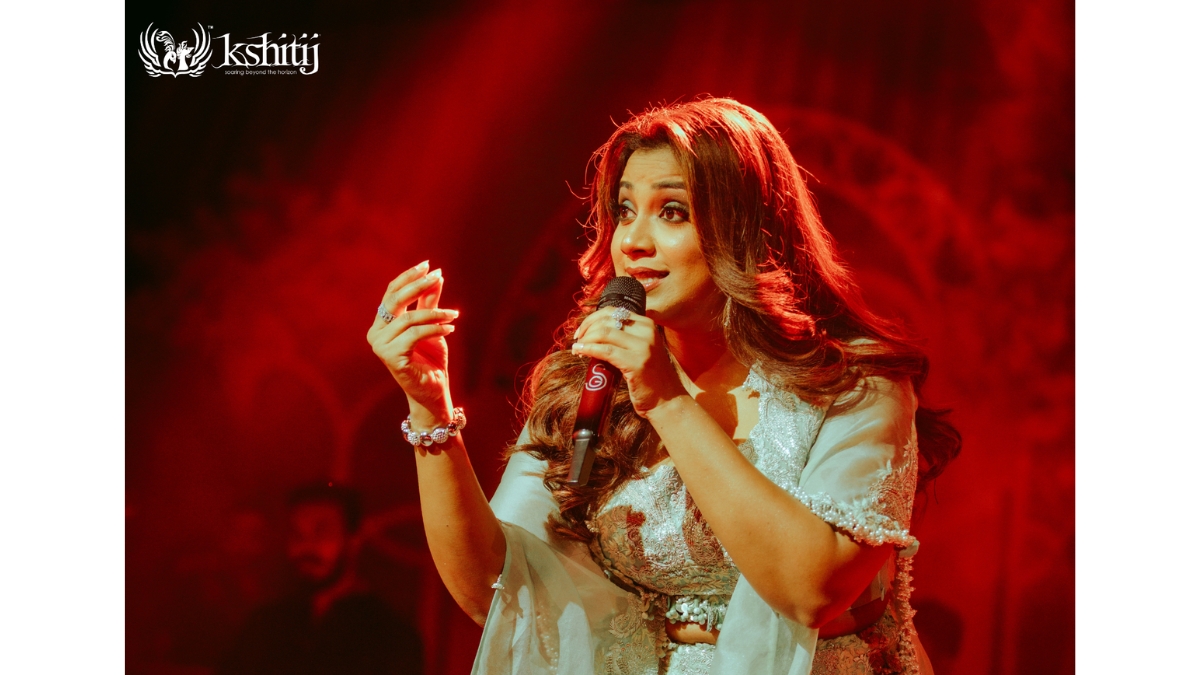
  • Kshitij’25 Unveils Its Headliner Artist: Shreya Ghoshal to Perform Live at Mithibai College

    Kshitij’25 Unveils Its Headliner Artist: Shreya Ghoshal to Perform Live at Mithibai College

    Mumbai (Maharashtra) [India], January 19: In a moment set to redefine the scale and legacy of college cultural festivals in India, Kshitij’25, the flagship international inter-collegiate cultural festival of SVKM’s Mithibai College, proudly announces an extraordinary milestone. Kshitij“25 makes history as global music icon Shreya Ghoshal is unveiled as the headliner artist for its pronite on 21st January, bringing one of the most powerful live performances ever seen at a college festival to Mithibai College.

    This landmark pronite marks an unprecedented achievement in the history of college festivals. For the first time ever, one of India’s most celebrated and globally revered voices will take the stage at a student-led cultural festival, transforming the Mithibai campus into the epicentre of music, emotion, and collective celebration. The announcement has already sent waves of excitement across student communities, music lovers, and cultural circles nationwide.

    With a career spanning over two decades, Shreya Ghoshal is not just an artist, she is an emotion. From timeless Bollywood melodies to classical masterpieces and chart-topping contemporary hits across multiple languages, her voice has defined generations. Her presence at Kshitij 25 elevates the festival into a league of its own, setting a new benchmark for scale, ambition, and artistic excellence in the collegiate cultural space.

    The Kshitij’25 Pronite on 21st January promises to be a night etched into memory, a grand convergence of music, youth, and legacy. Thousands of students are expected to witness this once in a lifetime performance, as Mithibai College hosts a pronite of a magnitude rarely seen in the history of college festivals.

    Dr. Krutika B. Desai, Principal of Mithibai College, said, “Hosting an artist of Shreya Ghoshal’s stature at Mithibai College is a matter of immense pride. This moment reflects the vision, dedication, and credibility that Kshitij has built over the years. It is truly a historic day for our institution.”

    Bhoomi Shah, Chairperson of Mithibai Kshitij, added, “Kshitij has always believed in dreaming beyond limits. Bringing Shreya Ghoshal to our pronite is not just an event announcement, it is a statement. This night represents years of hard work, courage, and the belief that student-led platforms can create moments that make history.”

    As Kshitij’25 prepares to unfold this defining chapter, the festival once again proves that it is not merely a celebration, but a phenomenon that continues to raise the bar year after year. 21st January will not just be a Pronite, it will be history in the making.

    If you object to the content of this press release, please notify us at pr.error.rectification@gmail.com. We will respond and rectify the situation within 24 hours.

  • Amit Khanna and Pankaj Kharbanda Unite to Present RUBARU 2026: A Powerful Celebration of Indian Women

    Amit Khanna and Pankaj Kharbanda Unite to Present RUBARU 2026: A Powerful Celebration of Indian Women

    Mumbai (Maharashtra) [India], January 19: Acclaimed photographer Amit Khanna joins hands with renowned entrepreneur and pageant consultant Pankaj Kharbanda to present RUBARU 2026, this year’s Glar-Iconic calendar — an evocative visual tribute to Indian women across identities, journeys, and phases of life.

    Presented by Pankaj Kharbanda, Managing Director of Rubaru Mr. India, the calendar marks a compelling collaboration between two visionaries who believe that representation must move beyond surface-level glamour and into meaningful storytelling. RUBARU 2026 emerges as a nuanced, cinematic exploration of womanhood — rooted in strength, sensitivity, choice, and truth.

    Amit Khanna shares, “This calendar is not about how women are seen — it’s about how they exist. Each image is a
    quiet conversation with strength, vulnerability, desire, duty, and freedom. I wanted every frame to feel honest, timeless, and deeply human.”

    The concept of RUBARU — meaning face to face — becomes the soul of the project. Across twelve thoughtfully crafted frames, the calendar reflects women reclaiming space, rewriting tradition, and standing firmly in their individuality. From reimagining mythology to portraying modern realities, the visuals challenge outdated narratives while celebrating lived experiences with dignity and grace.

    Pankaj Kharbanda adds, “At Rubaru, we’ve always believed in platforms that shape confidence and character. With RUBARU 2026, the intention was to support a narrative that honours women not as symbols, but as forces — grounded, powerful, and unapologetically themselves.”

    A Stellar Line-Up of Faces Adding depth and resonance to the calendar is a diverse ensemble of celebrated personalities who embody the spirit of the project. RUBARU 2026 features:

    Shweta Tiwari, Jaya Bhattacharya, Gulki Joshi, Divya Agarwal, Akanksha Puri, Aneri Vajani, Jamie Lever, Ashnoor Kaur, Tinaa Dattaa, Rohit Verma, Rrahul Sudhir, Komica Anchal, Diandra Soares, Virraaj Babar, Nipun Singh, and Svara Mandlik.

    Each participant brings their own lived story, presence, and perspective — reinforcing the calendar’s ethos that empowerment is not one-dimensional, but deeply personal. With its refined aesthetic, old-world elegance, and contemporary relevance, RUBARU 2026 stands as more than an annual calendar — it is a cultural statement. One that invites audiences to pause, reflect, and meet women rubaru — face to face — beyond labels, judgments, and expectations.

    If you object to the content of this press release, please notify us at pr.error.rectification@gmail.com. We will respond and rectify the situation within 24 hours.

  • IICDEM 2026 Puts India at the Helm of Global Democracy Talks

    IICDEM 2026 Puts India at the Helm of Global Democracy Talks

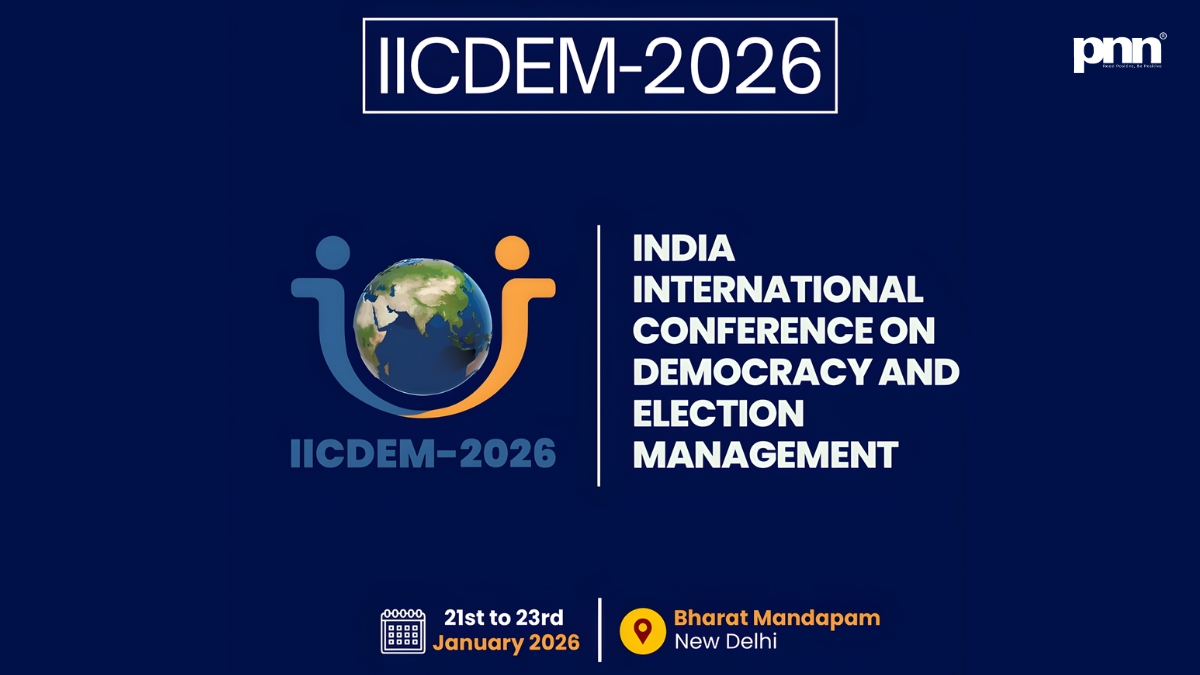
    New Delhi [India], January 19: Something unusual is happening in New Delhi this January. The people who run elections worldwide are coming to compare notes. And India is hosting. From January 21 to 23, the Election Commission of India will host the inaugural India International Conference on Democracy and Election Management, IICDEM 2026, at Bharat Mandapam.

    Three days that quietly say a lot about where India now stands.

    IICDEM 2026 is not being pitched as another glossy international meet. It’s being built as the largest global conference India has hosted on democracy and election management, yes, but the emphasis is on substance.

    Nearly 100 international delegates from over 70 countries are expected. These are not observers. They include Election Management Body officials, representatives of international organisations, foreign missions stationed in India, and academics who spend less time theorising and more time fixing broken systems.

    India, for once, is not explaining democracy. It’s exchanging it.

    The inaugural session on January 21 will be led by Chief Election Commissioner Shri Gyanesh Kumar, alongside Election Commissioners Dr. Sukhbir Singh Sandhu and Dr. Vivek Joshi.

    They will formally receive the delegates and open the proceedings. It matters. Not for protocol reasons, but because India’s election leadership now carries lived credibility. Running the world’s largest elections does that to an institution.

    This is experience speaking to experience.

    The programme across the three days is deliberately packed.

    There are general and plenary sessions involving Election Management Bodies, starting with the Inaugural Session and moving into the EMB Leaders’ Plenary. Then come EMB Working Group Meetings. This is where things get technical. Sometimes uncomfortable. Often useful.

    Alongside these sit thematic sessions dealing with global electoral pressures, international electoral standards, and innovations that actually survive contact with reality.

    No motivational speeches. Mostly hard questions.

    One of the more interesting design choices at IICDEM 2026 is its reliance on breakout work.

    There are 36 thematic groups planned. Each is led by Chief Electoral Officers from Indian States and Union Territories. Each is backed by national and international academic experts.

    The academic spread is wide. Four IITs. Six IIMs. Twelve National Law Universities. IIMC. It’s a reminder that elections are not just administrative events. They sit at the intersection of technology, law, management, and communication. Ignore one, the system wobbles.

    Away from the microphones, the Election Commission of India will conduct over 40 bilateral meetings with Election Management Bodies from across the globe.

    These meetings focus on cooperation and shared challenges. Misinformation. Trust deficits. Capacity building. Election security. The unglamorous stuff that keeps systems upright.

    This is often where the real learning happens. Quiet rooms. Direct questions. No press releases.

    IICDEM 2026 will also see the formal launch of ECINET, the Election Commission of India’s integrated digital platform for election-related information and services.

    ECINET is positioned as a single digital gateway. One platform. Less fragmentation. More coherence.

    For a democracy of India’s size, digital order is not a luxury. It’s survival infrastructure.

    Running parallel to the conference is an exhibition that lays out the scale of Indian elections without shouting about it.

    It showcases the complexity of conducting elections in India and highlights recent initiatives by the ECI to strengthen the two core pillars of the process: accurate electoral rolls and credible election conduct.

    For many international delegates, this will be the first time they see what “scale” actually means in practice.

    On the first day, delegates will also watch “India Decides”, a docuseries capturing the making of the Lok Sabha 2024 elections.

    It traces the decisions, coordination, and pressure behind the largest election exercise in the world. Less spectacle. More systems thinking.

    It fits the mood of the conference.

    Why IICDEM 2026 Lands Differently?

    There’s a reason IICDEM 2026 feels different.

    India isn’t hosting to validate itself. It’s hosting because its election machinery has reached a point where sharing is useful. Necessary, even.

    Globally, elections are under strain. From trust erosion to logistical overload. What works matters more than what sounds good.

    India brings receipts.

    Read More

  • BGMI 4.2 Update Is Now Live as KRAFTON India Releases New Redeem Codes

    BGMI 4.2 Update Is Now Live as KRAFTON India Releases New Redeem Codes

    Bengaluru (Karnataka) [India], January 19: KRAFTON India has officially rolled out the 4.2 update for BATTLEGROUNDS MOBILE INDIA (BGMI), marking the launch with a fresh batch of redeem codes for players. Timed with the update going live, the release reinforces BGMI’s focus on keeping gameplay dynamic while continuing its cadence of official, time-limited code drops for the community.

    KRAFTON - PNN

    Redeem codes are valid until 28th February 2026 and can be redeemed only on BGMI’s official channels.

    Redeem Codes:

    HTZCZQ36GHSD6VFB
    HTZDZWGGNRK8VEA6
    HTZEZURQSM97UEGC
    HTZFZCVDPKRMXTT3
    HTZGZ7GKWJJ54MST
    HTZHZ4S9SN48GWCC
    HTZIZ6Q9AAA6N5XF
    HTZJZMB9FAUH8BKH
    HTZKZSP9RKEUQKCU
    HTZLZ8EWR8TXQXF7
    HTZMZ4GXW9CC8SAR
    HTZNZM9PUPUC5CKX
    HTZOZPEDDU54GW3H
    HTZPZFCJ8AXMJUSH
    HTZQZTNAARBM98PH
    HTZRZ6F3UUFPP6UP
    HTZVZBTW4SD68TSW
    HTZTZV5JPNP85VCQ
    HTZUZ5ECXTPJWSD8
    HTZBAZED7R3QKCMA
    HTZBBZVJ4S46TXXK
    HTZBCZEV93CTBMCB
    HTZBDZVTQSNMGQFF
    HTZBEZ95WFGPF4RB
    HTZBFZ8MB5DVJBC3
    HTZBGZKSV59DF53F
    HTZBHZ4U3FXJHJM7
    HTZBIZNPABWEH9NH
    HTZBJZUU5EHDTCX9
    HTZBKZK36BV9MXEJ
    HTZBLZJQG7GJVJVC
    HTZBMZ4NCXEBWD6T
    HTZBNZUV8UGX4W88
    HTZBOZN43ADCSWT6
    HTZBPZVRFU9CUEDD
    HTZBQZW35RKNJX3C
    HTZBRZ6VV98XTWRT
    HTZBVZTW7AWXMUQ3
    HTZBTZEVRQTK3VBV
    HTZBUZBH3WXG6GAX
    HTZCAZXT6T8THT7K
    HTZCBZW7VNKMHKNE
    HTZCCZJ4NP9W7B6K
    HTZCDZTF47PMRG5D
    HTZCEZS3DU4M4XX6
    HTZCFZGKGUPMEVNU
    HTZCGZ5EHG9NC7XX
    HTZCHZFHNHBME9P6
    HTZCIZU3W6MF9X3E
    HTZCJZHSENXWQTMX
    HTZCKZ9RD9FA9RNC
    HTZCLZ59G5NUAFRB
    HTZCMZQM98NCUHWX
    HTZCNZXV3RJ847KJ
    HTZCOZ8PG395A7A9
    HTZCPZN6JMXEWRCN
    HTZCQZE5BEBN8F38
    HTZCRZ8CUHQNFAR3
    HTZCVZ9VS99A69S6

    Steps to redeem:

    Players can follow these simple steps to claim their rewards:

    • Step 1: Go to the Redeem section on BGMI’s official website www.battlegroundsmobileindia.com/redeem
    • Step 2: Enter your Character ID
    • Step 3: Enter the Redemption Code
    • Step 4: Enter the verification/ Captcha code → A message will confirm “Code redeemed successfully”
    • Step 5: The reward will be delivered via in-game mail

    Rules to Remember:

    • A maximum of 10 users can redeem each code on a first come first served basis
    • A user cannot redeem a code twice
    • Users must claim their rewards via in-game mail within 7 days or the mail will expire
    • If a player is among the first 10 users to redeem the code, a message will confirm “Code redeemed successfully”. Otherwise, users will see “Code expired” or a similar message
    • Each user account can redeem only one code per day
    • Redeem codes cannot be used via guest accounts
    • Rewards must be claimed within 30 days from receiving the in-game mail

    For the latest updates, follow BGMI’s official YouTube, Instagram and Facebook pages.

    About KRAFTON, Inc.

    Headquartered in South Korea, KRAFTON, Inc. is dedicated to discovering and publishing captivating games that offer fun and unique experiences. Established in 2007, KRAFTON is home to globally renowned developers that include PUBG STUDIOS, Striking Distance Studios, Unknown Worlds, VECTOR NORTH, Neon Giant, KRAFTON Montréal Studio, Bluehole Studio, RisingWings, 5minlab, Dreamotion, ReLU Games, Flyway Games, Tango Gameworks and inZOI Studio. Each studio strives to continuously take on new challenges and leverage innovative technologies. Their goal is to win over more fans by broadening KRAFTON’s platforms and services. With a passionate and driven team across the globe, KRAFTON is a tech-forward company that possesses world-class capabilities and is set on expanding its business horizons to encompass multimedia entertainment and deep learning. For more information, visit www.krafton.com.

    About KRAFTON India

    In India, KRAFTON is responsible for premier mobile games, including BATTLEGROUNDS MOBILE INDIA (BGMI), which has surpassed 240 million downloads, Bullet Echo India, Road To Valor: Empires, and CookieRun India, among others. Committed to enhancing the start-up ecosystem in India, KRAFTON has invested over $200 million in several Indian startups across interactive entertainment, gaming, Esports, and technology, since 2021. KRAFTON actively supports India’s game development ecosystem through its KRAFTON India Gaming Incubator (KIGI) while strengthening the Esports ecosystem with flagship events like the BATTLEGROUNDS MOBILE INDIA SERIES (BGIS) and BATTLEGROUNDS MOBILE INDIA PRO SERIES (BMPS). For more information, visit https://krafton.in/

    If you object to the content of this press release, please notify us at pr.error.rectification@gmail.com. We will respond and rectify the situation within 24 hours.
  • Small Screens, Loud Loyalty: Why Bigg Boss Kannada 12’s Finale Proved Regional Reality TV Is Still the Real Kingmaker

    Small Screens, Loud Loyalty: Why Bigg Boss Kannada 12’s Finale Proved Regional Reality TV Is Still the Real Kingmaker

    Mumbai (Maharashtra) [India], January 19: For all the noise around pan-India blockbusters, global streamers, and “content universes,” the most telling television moment of the season didn’t come from a glossy OTT launch. It came from a familiar living room ritual. Families paused dinners. Phones lit up with WhatsApp forwards. Twitter (sorry—X) rediscovered its Kannada vocabulary.

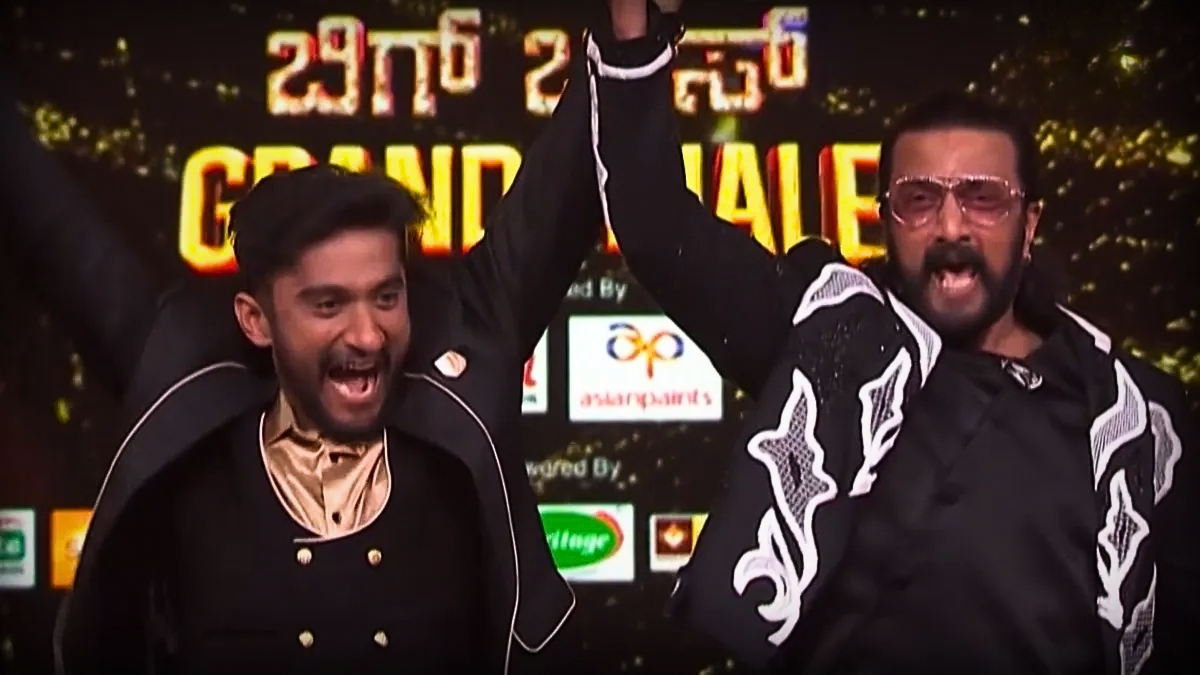
    Bigg Boss Kannada 12 ended, and Gilli Nata walked away with the trophy, prize money, and a shiny new car—while the real winner, once again, was regional reality television itself.

    The finale, hosted by the ever-commanding Kichcha Sudeep, wasn’t just a victory lap for a contestant. It was a reminder that regional reality shows haven’t merely survived India’s fragmented attention economy—they’ve quietly evolved to dominate it.

    And they’re doing it without pretending to be anything they’re not.

    The Finale Was Emotional—But The Statement Was Strategic

    Yes, there were tears. Yes, there were dramatic montages, swelling background scores, and speeches about “journeys.” That’s part of the format’s DNA. But strip away the spectacle, and the finale revealed something more interesting: Bigg Boss Kannada still commands appointment viewing.

    In an era where audiences binge when bored and skip when distracted, this show continues to make people show up live. That’s not nostalgia. That’s power.

    The finale reportedly pulled strong television ratings and even stronger digital chatter, with clips, memes, and fan edits circulating within minutes. Regional hashtags trended locally for hours—sometimes longer than national news stories. That doesn’t happen by accident. It happens when a format understands its audience better than algorithms do.

    Bigg Boss Isn’t Just A Show—It’s A Social System

    One of the biggest mistakes critics make is dismissing reality TV as “mindless.” Bigg Boss, especially in regional editions, is anything but.

    It operates like a compressed version of society:

    • Conflicts mirror real-life class, gender, and cultural tensions.

    • Language becomes identity.

    • Voting becomes participation, not passivity.

    In Karnataka, Bigg Boss Kannada has consistently leaned into regional sensibilities—local slang, cultural references, and contestants who feel recognizably from here, not imported archetypes.

    That relatability is its secret weapon.

    Gilli Nata’s Win And The Myth Of Manufactured Outcomes

    Every season ends with the same accusation: “It’s scripted.” And yet, viewers keep voting.

    Gilli Nata’s victory sparked celebration among fans who followed his arc closely—his confrontations, vulnerabilities, and gradual consolidation of support. Whether one agrees with the outcome or not, the sheer intensity of reactions suggests one thing clearly: people believed it mattered.

    And belief is the real currency of reality TV.

    Pros Of The Current Format:

    • Strong viewer identification with contestants

    • Active fan participation through voting and social media

    • Clear narrative arcs that sustain interest over months

    Cons That Won’t Go Away:

    • Perceived bias in editing

    • Emotional manipulation through storytelling

    • Contestant burnout and post-show mental health concerns

    The show thrives in this tension. Transparency is demanded, drama is delivered, and skepticism fuels engagement rather than killing it.

    Why Regional Reality TV Still Outperforms National Noise

    National entertainment conversations often overlook regional dominance, but advertisers don’t.

    Regional reality shows deliver:

    • Consistent ratings

    • Highly loyal audiences

    • Language-specific engagement that converts to brand recall

    While national reality formats struggle with fatigue, regional editions refresh themselves by reflecting local moods. They don’t chase global trends. They remix them.

    In 2025–26, this approach has proven commercially sound. Brands targeting Tier-2 and Tier-3 markets increasingly prioritize regional reality slots over generic prime-time placements. It’s cheaper, sharper, and culturally aligned.

    Bigg Boss Kannada - PNN

    The Host Factor: Authority Still Matters

    Kichcha Sudeep’s role cannot be understated. In an age where hosts are often reduced to narrators, he remains an authority figure—disciplinarian, mediator, and moral compass rolled into one.

    That gravitas stabilizes the chaos.

    Audiences don’t just watch contestants respond to situations; they watch how the host frames those situations. That framing shapes public opinion season after season.

    Not every regional show gets this balance right. Bigg Boss Kannada largely does.

    Digital Isn’t Replacing TV—It’s Feeding It

    One of the most fascinating shifts in 2025–26 is how regional reality TV uses digital platforms as amplifiers, not alternatives.

    Episodes still air on television first. But:

    • Arguments trend on social media

    • Voting campaigns live online

    • Contestant narratives extend into reels and shorts

    The result? A feedback loop where TV creates moments and digital culture magnifies them.

    This hybrid consumption model has kept Bigg Boss relevant long after similar formats elsewhere began to feel stale.

    The Uncomfortable Truth: Drama Still Sells Better Than “Values”

    For all its evolution, Bigg Boss hasn’t become enlightened television. Conflict remains its engine. Emotional breakdowns still drive TRPs. Personal trauma is often repackaged as “growth.”

    This is where criticism sticks—and rightly so.

    As audiences mature, there’s increasing discomfort with how far producers push contestants psychologically. While disclaimers and support systems exist, transparency around them remains limited.

    That’s the ethical tightrope the genre must confront moving forward.

    Evolution Without Reinvention

    Bigg Boss Kannada 12 didn’t reinvent reality TV. It refined it.

    The show adjusted pacing, integrated digital feedback faster, and leaned harder into audience participation. It didn’t abandon its core formula—because it didn’t need to.

    In a world obsessed with disruption, this was a case study in sustainable familiarity.

    What This Means For Regional Entertainment In India

    The success of Bigg Boss Kannada 12 reinforces a larger trend:

    • Regional content isn’t “catching up” to national entertainment.

    • It’s operating on a different axis altogether.

    It doesn’t seek validation from pan-India virality. It builds loyalty locally—and lets that scale organically.

    That’s not louder. It’s smarter.

    Final Thought: The Crown Was Symbolic—The Audience Was Sovereign

    Gilli Nata may have lifted the trophy, but the real coronation happened in living rooms across Karnataka. Bigg Boss Kannada once again proved that regional reality shows aren’t side shows in India’s entertainment ecosystem—they’re cultural anchors.

    And as long as they continue to reflect the anxieties, aspirations, and contradictions of their audiences, they’ll remain impossible to ignore.

    Sarcasm aside, that’s not just entertainment.

    That’s influence.

    PNN Entertainment

  • Culture Raises INR 2 Crore Seed Funding from Acuvest Infra to Reimagine Interest-Led Social Networking

    Culture Raises INR 2 Crore Seed Funding from Acuvest Infra to Reimagine Interest-Led Social Networking

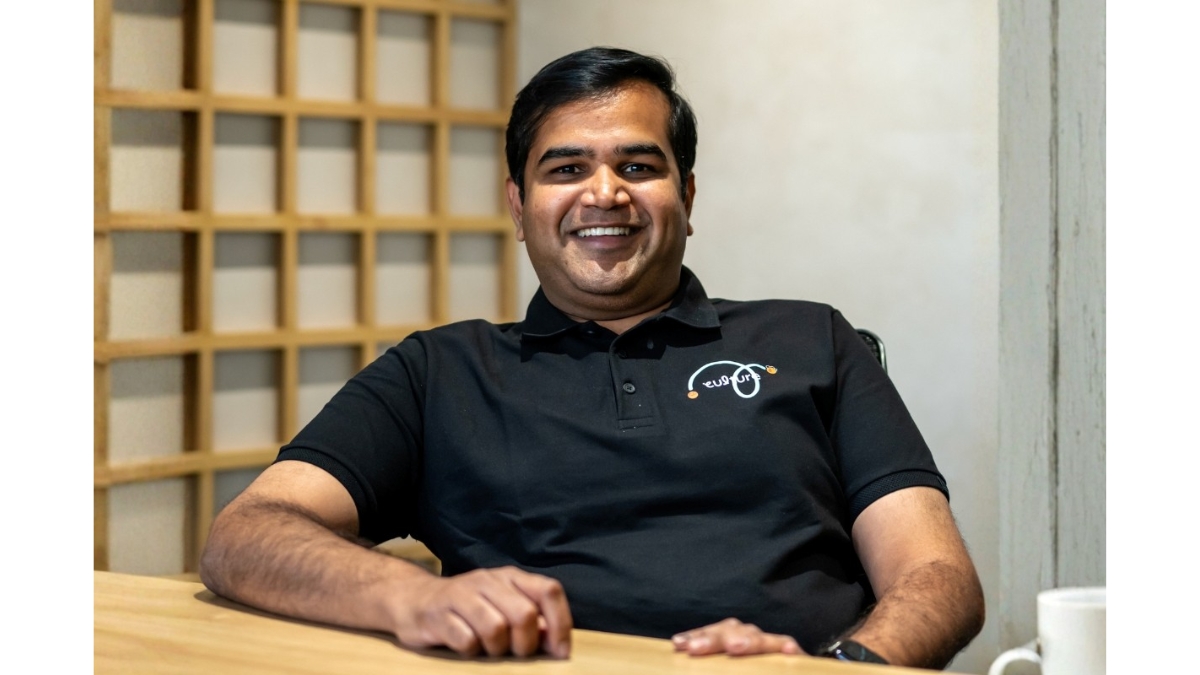
    Anurag Rangineni, Founder and CEO of Culture

    Hyderabad (Telangana) [India], January 19: Culture, a human-first social networking platform built around shared interests and real-time conversations, has raised ₹2 crore in seed funding from Acuvest Infra. The funding has been raised by ART Pvt Ltd, the parent company of Culture, and will be used to accelerate product development, expand community initiatives, and strengthen safety-focused platform infrastructure.

    Founded by Anurag Rangineni, Culture positions itself as an alternative to algorithm-driven and anonymous social platforms. Instead of prioritising follower counts or content virality, the platform focuses on interest-led one-on-one video interactions, verified profiles, and real-time moderation to enable more meaningful digital connections.

    “Social media today rewards attention, not connection,” said Anurag Rangineni, Founder and CEO of Culture“We are building Culture to solve that. The future of social networking lies in meaningful conversations built around shared interests, not follower counts or endless scrolling. Culture is designed to help people feel heard, not performed.”

    Culture enables users to discover and connect through AI-driven interest-based video matching, allowing conversations to develop organically around shared passions such as music, startups, travel, wellness, and creative pursuits. Unlike anonymous chat platforms that once dominated this space, Culture places a strong emphasis on accountability and user safety, using real profiles, phone verification, and AI-powered moderation that automatically disconnects interactions involving nudity, harassment, or nuisance.

    The platform’s vision has been shaped by the rise and fall of earlier random chat platforms, many of which struggled to balance spontaneity with safety. Culture aims to preserve the spontaneity users valued while eliminating the risks that ultimately led to the decline of such platforms.

    “Trust is the biggest deficit in today’s digital communities,” Rangineni added. “Culture is built from the ground up with safety and intent as core principles. We believe real communities can only grow when people feel secure enough to be themselves.”

    The newly raised capital will also support the rollout of creator-led ‘Spaces’, a feature that allows creators and community leaders to host live discussions, events, and hybrid online-offline experiences. Spaces forms a key part of Culture’s monetisation strategy, enabling ticketed events, targeted event promotion, and long-term partnerships with offline venues such as cafés, clubs, and cultural spaces.

    Commenting on the investment, Acuvest Infra highlighted Culture’s differentiated approach to building sustainable digital communities.

    “Users are increasingly moving away from noisy, performative platforms toward smaller, safer, and more meaningful communities,” said a spokesperson from Acuvest Infra. “Culture’s focus on explicit interests, verified users, and community-driven engagement positions it well for the next phase of social networking.”

    Currently in its early growth phase, Culture is expanding through college activations, café and brewery partnerships, creator collaborations, and organic community-building initiatives. The company plans to scale across major Indian cities before expanding to global markets, with a

    longer-term roadmap that includes premium subscriptions, creator monetisation tools, and native advertising aligned with user interests.

    With its seed funding in place, Culture aims to build a global platform where human connection comes before algorithms, and where digital spaces feel less like feeds and more like conversations.