Author: Sutun Nayak

  • VCare Launches Centre of Excellence, Introducing Single-Day Facial Architecture

    VCare Launches Centre of Excellence, Introducing Single-Day Facial Architecture

    New Delhi [India], January 5: VCare has announced the launch of its Centre of Excellence (COE), marking an important step forward in advanced skin and aesthetic care in India. The new centre is designed to bring international-quality skin treatments to India, combining global technology with personalised skin care.

    With confirmed expansion plans for Hyderabad and Bengaluru, VCare aims to strengthen its presence across South India’s key metropolitan cities, offering advanced aesthetic care aligned with international benchmarks of excellence.

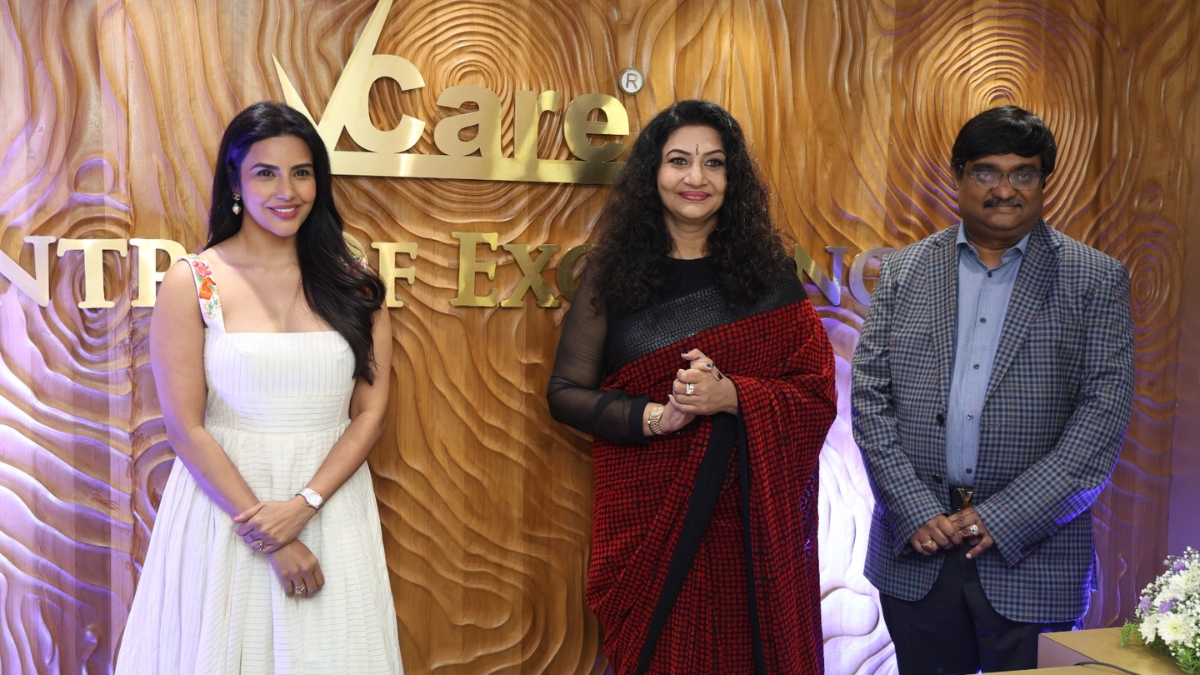
    The Chennai launch was inaugurated by Priya Anand, a versatile actor and model, who attended as the Chief Guest. The event was attended by leading doctors, healthcare professionals, industry experts, and members of the media—reflecting the growing demand for medically guided, ethical aesthetic solutions.

    Located in T. Nagar, Chennai, the VCare Centre of Excellence delivers world-class, Korean-inspired aesthetic care rooted in a deep understanding of individual skin goals.

    The Centre introduces India’s first Single-Day Facial Architecture—a one-day, glass-skin-focused protocol integrating seven advanced laser technologies with a three-dimensional approach, delivering visible results from Day 1 and progressive improvement over 90 days.

    Leading this philosophy is E. Carolin Praba, Founder & Managing Director of the VCare Group—India’s first woman trichologist, visionary entrepreneur, and wellness trailblazer—who has built and leads a network of 80+ clinics across India.

    Alongside her is Mukundan Satyanarayanan, CEO of the VCare Group. With over 22 years of distinguished leadership across trichology, cosmetic sciences, nutraceuticals, and the wellness industry, he is widely recognised for integrating research-driven innovation with traditional healing sciences.

    Speaking on the launch, the CEO of VCare said:
    “Global aesthetic standards are evolving—and so are we. With the Centre of Excellence, our vision is to move beyond surface-level treatments and create a destination that addresses skin through a structured, multi-layered approach, aligned with global beauty excellence while remaining deeply personalised.”

    Speaking on the approach, E. Carolin Praba said, “Each technology we introduce is carefully chosen through global clinical validation, FDA clearance, and demonstrated results.”

    World-Class Aesthetic Technologies

    The VCare Centre of Excellence features some of the world’s most advanced FDA-approved and CE-certified aesthetic platforms, including:

    • ISEMECO 3D D9 AI Skin Analyzer
      India’s first AI-powered 3D skin analysis platform, offering multi-layer imaging, predictive analysis, and future-skin simulation.

    • K-Excellence Skin Analyzer (Korea)
      A multispectral diagnostic system designed to evaluate texture, pores, pigmentation, and barrier strength with high precision.

    • Dermoscan DSM-4 Colorimeter (Germany)
      A NASA-grade spectrophotometric system used in global clinical trials to ensure measurable, data-backed aesthetic outcomes.

    • Triton Platform by InMode
      Renowned for precise, controllable energy-based solutions, enabling advanced subdermal remodelling and contouring with exceptional safety.

    • Alma Harmony XL PRO
      A versatile platform for fractional resurfacing, acne scar correction, pore refinement, and overall skin texture enhancement.

    • Density RF by Jeisys
      A state-of-the-art radiofrequency system designed to stimulate deep collagen renewal, resulting in visible tightening and firming.

    • Hollywood Spectra by Lutronic
      A gold-standard Q-switched laser for pigmentation correction, skin brightening, and tone uniformity.

    • Ultracel Q+ by Jeisys
      A Korean-developed HIFU system delivering non-surgical lifting and tightening at foundational structural layers of the skin.

    • EnerJet by PerfAction
      A needle-free transdermal delivery system using high-pressure oxygen to infuse bio-actives such as hyaluronic acid and collagen stimulators.

    With the launch of the Centre of Excellence, VCare strengthens India’s presence in the global aesthetic space, setting a new benchmark for intelligent, customised, and results-driven skin architecture.

    The VCare Centre of Excellence represents the future of modern beauty—

    • a thoughtfully designed journey created for today’s world.*

    About VCare

    VCare is a leading aesthetic and trichology brand in India, known for integrating medical expertise, advanced international technologies, and personalised care across skin, hair, and aesthetic treatments.

    If you have any objection to this press release content, kindly contact pr.error.rectification@gmail.com to notify us. We will respond and rectify the situation in the next 24 hours.

  • Riks Global Foods launches Gheeyonnaise, A Trailblazing Ghee-Based Spread

    Riks Global Foods launches Gheeyonnaise, A Trailblazing Ghee-Based Spread

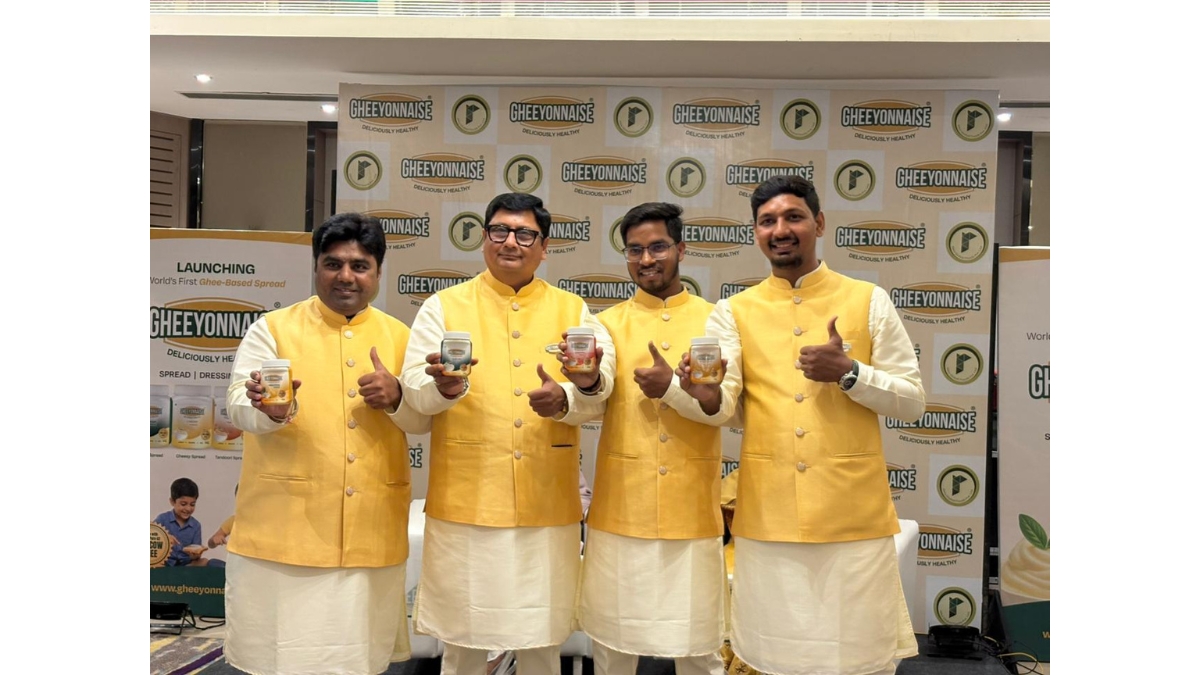
    Ahmedabad (Gujarat) [India], January 5: Riks Global Foods, a company rooted in India’s rich food heritage, proudly introduces Gheeyonnaise, opening up a new ghee-based spread category that blends traditional nutrition with modern taste preferences. Gheeyonnaise marks a breakthrough in this category, redefining healthy indulgence for today’s conscious consumers.

    Over the next five years, Riks Global Foods aims to build Gheeyonnaise into a pan-India brand, beginning with a strong focus in Gujarat, Maharashtra, Rajasthan, and Madhya Pradesh–Chhattisgarh, followed by expansion into other key markets. The brand’s growth strategy encompasses retail and modern trade, HoReCa (Hotels, Restaurants, Cafes), and e-commerce and quick-commerce platforms. In the later phase, the company also plans to explore international markets, particularly regions with a strong Indian diaspora and rising demand for healthier food alternatives.

    The company has already made significant investments in product research and development, manufacturing setup, sourcing of premium A2 Gir cow ghee, and branding. To meet the growing all-India demand, the company plans to scale up its manufacturing capacity while maintaining strict standards of quality, food safety, and efficiency. This will ensure consistent supply across both retail and institutional channels.

    Instead of competing directly with existing mayonnaise players, Gheeyonnaise is creating a new category, the ghee-based spread segment. As the first mover globally, the brand’s focus is on leadership through innovation rather than volume competition.

    Speaking about the launch, Mr. Kehul Shah, Managing Director, Riks Global Group, said, “Gheeyonnaise represents our belief that health and taste should go hand in hand. For generations, ghee has been a symbol of purity and nourishment in Indian homes. With Gheeyonnaise, we’re taking that legacy forward in a format that resonates with today’s fast-paced lifestyle—delicious, convenient, and wholesome. We aim to make ghee-based nutrition a part of every household, not just in India but across the world.”

    Gheeyonnaise stands apart with its no palm oil or vegetable oils, roots in traditional Indian nutrition, modern and versatile usage, and backing of three generations of ghee expertise. This makes it a unique alternative to conventional mayonnaise, appealing to health-conscious consumers without compromising on taste.

    As awareness of better food choices continues to rise, Riks Global Foods plans to introduce more innovative ghee-based products in a phased manner, extending its ghee expertise into modern food formats.

    Riks Global Foods is a forward-thinking Indian company committed to reviving traditional nutrition in modern ways. With deep expertise in ghee production spanning three generations, the company aims to bring the goodness of ghee into contemporary diets through innovation, authenticity, and taste.

    For more information, please visit www.gheeyonnaise.com

    If you object to the content of this press release, please notify us at pr.error.rectification@gmail.com. We will respond and rectify the situation within 24 hours.

  • Jagriti Dham Participates in Santoor Ashram’s Aikyam – Series 2 Nurturing Young Talent

    Jagriti Dham Participates in Santoor Ashram’s Aikyam – Series 2 Nurturing Young Talent

    Kolkata (West Bengal) [India], January 5: Santoor Ashram, a cultural NGO dedicated to empowering financially underprivileged student artists and founded by Santoor Maestro Pt. Tarun Bhattacharya, successfully hosted Aikyam – Series 2 at Uttam Mancha, Kolkata, on the 2nd and 3rd of January 2026. This two-day festival of classical music and performing arts was organised in partnership with Jagriti Dham, resulting in a meaningful collaboration that honoured India’s deep artistic heritage while providing a vital platform for the development of young, emerging talent.

    True to its meaning—unity—Aikyam brought together legendary maestros and accomplished performers on a single platform. Designed as a harmonious blend of experience and aspiration, the programme allowed established icons to share the stage with budding artists, inspiring both audiences and performers.

    The two-day cultural showcase received an overwhelming response, with a packed auditorium and enthusiastic participation from music and art enthusiasts across Kolkata. Jagriti Dham, widely regarded as the best old age home in Kolkata and a premier senior living community, actively participated in and supported the initiative, contributing to an inclusive and emotionally enriching cultural experience.

    One of the major highlights of Aikyam – Series 2 was the recognition and felicitation of artists who demonstrated remarkable promise across various music and dance forms. In a heartfelt gesture, these talented performers were felicitated by Jagriti Dham, reinforcing the organisation’s commitment to social responsibility, cultural preservation, and encouragement of artistic talent.

    Ravindra Chamaria, Chairman and Managing Director of Infinity Group and Founding Trustee of Jagriti Dham, remarked, “Aikyam – Series 2 beautifully showcases how art can nurture harmony and growth. Jagriti Dham is proud to support Santoor Ashram in empowering young artists and celebrating creativity rooted in our cultural values.”

    Another deeply moving moment of the programme was the felicitation and honouring of Dr. Malaya Gangopadhyay, the senior-most resident member of Jagriti Dham, by Padma Bhushan awardee Pt. Vishwa Mohan Bhatt, the globally renowned musician who invented and popularised the Mohan Veena. This gesture symbolised respect for wisdom, age, and lifelong contribution, leaving a strong emotional impact on the audience.

    Adding a special musical milestone to the event, Pt. Tarun Bhattacharya unveiled and presented a Signature Tune exclusively composed for Jagriti Dham. The soulful composition reflected the values of serenity, dignity, spirituality, and cultural richness that the esteemed senior living community represents, and received warm appreciation from the audience.

    Beyond the stage performances, the festival fostered meaningful intergenerational connections, bringing together senior residents, young performers, and maestros to share stories, blessings, and words of encouragement.

    Aikyam – Series 2 showcased a distinguished line-up of maestros and performers spanning classical vocal, instrumental, and dance disciplines, creating a deeply immersive cultural experience over two evenings. Every performance was thoughtfully curated to reflect a seamless balance between tradition and contemporary expression.

    Speaking about the initiative, Pt. Tarun Bhattacharya said, “Aikyam is not merely a concert series; it is a movement that unites generations, backgrounds, and artistic expressions. With Jagriti Dham’s support, we created a platform where young, underprivileged artists could perform alongside legends and feel truly recognised and valued.”

    The collaboration marked a proud and meaningful milestone for Jagriti Dham, which was deeply moved by the overwhelming audience response and the enthusiastic involvement of its residents. The event further reinforced the organisation’s philosophy of holistic living, where culture, community, and compassionate elderly care exist in harmony. The success of Aikyam – Series 2 once again affirmed Santoor Ashram’s role as a custodian of classical arts and Jagriti Dham’s vision of enriching lives through purposeful cultural engagement.

    About Santoor Ashram

    Santoor Ashram is a registered NGO founded by Pt. Tarun Bhattacharya, committed to promoting Indian classical music, mentoring financially backward and underprivileged young talents, and creating platforms that combine artistic excellence with social purpose.

    About Jagriti Dham

    Jagriti Dham is Kolkata’s most luxurious senior living community, offering a lifestyle that seamlessly blends comfort, dignity, culture, and community engagement for its residents.

    For more details, contact:

    Website: www.jagritidham.com

    Email: contact@jagritidham.com

    Phone: +91 89618 96167

    If you object to the content of this press release, please notify us at pr.error.rectification@gmail.com. We will respond and rectify the situation within 24 hours.

  • Cupid Limited Q3 FY26 Business Update Strong Operating Momentum with Improving Visibility & Global Expansion Progress

    Cupid Limited Q3 FY26 Business Update Strong Operating Momentum with Improving Visibility & Global Expansion Progress

    Mumbai (Maharashtra) [India], January 5: Cupid Limited continues to report steady operating momentum as it enters 2026, supported by strong demand visibility, consistent execution, and ongoing progress on its capacity expansion plans.

    Q3 FY26 Highlights

    Business performance during the quarter reflects healthy execution and sustained demand across key segments:

    • Strong quarterly performance:
      The Company expects Q3 FY26 to be its best-performing quarter to date, driven by continued demand strength and smooth operational execution.
    • Highest-ever order book:
      Cupid’s order book stands at its highest level so far, providing clear visibility for performance in the coming quarters.
    • FY26 outlook:
      Management remains confident of exceeding its earlier FY26 guidance of ₹ 335 Cr in revenue and ₹ 100 Cr in PAT, supported by operating efficiencies, stable demand, and execution progress.
    • Capacity expansion progressing as planned:
      Work at the Palava, Maharashtra manufacturing facility continues as scheduled, in line with the Company’s broader capacity expansion roadmap.
    • FMCG business gaining wider acceptance:
      Cupid’s FMCG portfolio continues to see growing demand across India, supported by expanding retail presence in the personal care and wellness categories. Recently launched products such as Petroleum Jelly, Face Wash, and Talcum Powder have received encouraging consumer response.

    Strategic Growth Update: GCC Expansion & Saudi FMCG Manufacturing

    • As part of its long-term strategy, Cupid is gradually strengthening its presence in the GCC region, with a focus on improving supply responsiveness and market proximity.
    • Following the Board’s in-principle approval announced on 29 December 2025, the proposed FMCG manufacturing facility in the Kingdom of Saudi Arabia is intended to support regional demand and improve supply timelines across the GCC and nearby export markets. The project is targeted for completion by March 2027, subject to regulatory approvals and execution milestones.
    • Saudi Arabia represents an attractive FMCG market, supported by long-term factors such as population growth, urbanisation, and rising consumer spending.
    • In 2025, India’s FMCG market is estimated at approximately US$287.9 billion, while Saudi Arabia’s consumer packaged goods market is around US$70 billion. Despite Saudi Arabia having a significantly smaller population (~34.9 million versus India’s ~1.47 billion), the market size comparison highlights higher per-capita consumption and premiumisation potential in the Kingdom.
    • The Company will continue to assess this opportunity while maintaining a disciplined approach to capital allocation.

    Macro Environment & Business Developments

    • The Company continues to benefit from the prevailing INR environment and, based on current visibility, does not expect any material impact on its FMCG or international B2B plans from tariff or trade-related developments.
    • Cupid holds key international certifications and registrations across its product portfolio, including male and female condoms, lubricants, and IVD kits. Recent and upcoming CE certifications for its 4 IVD kits and lubricants, along with the expected WHO prequalification for the Malaria IVD kit and Version 3 Female Condom, will support growth in international markets.
    • Cupid’s investment in GII Healthcare Investment Limited Fund has appreciated to approximately 1.2x of the initial investment made in October 2025.

    Commenting on the Business Update, Mr Aditya Kumar Halwasiya, Chairman and Managing Director, said,

    “We begin 2026 with encouraging momentum, strong order visibility, and steady progress across our expansion initiatives. The in-principle approval for the proposed Saudi FMCG facility reflects our intent to gradually build a broader and more diversified growth platform, while remaining focused on prudent capital allocation. We remain confident of surpassing our FY26 guidance.”

    Disclaimer: This article is for informational purposes only and does not constitute financial advice.

  • RERA Vision Conferred ‘Most Trusted RERA Advisory in Maharashtra’ Award

    RERA Vision Conferred ‘Most Trusted RERA Advisory in Maharashtra’ Award

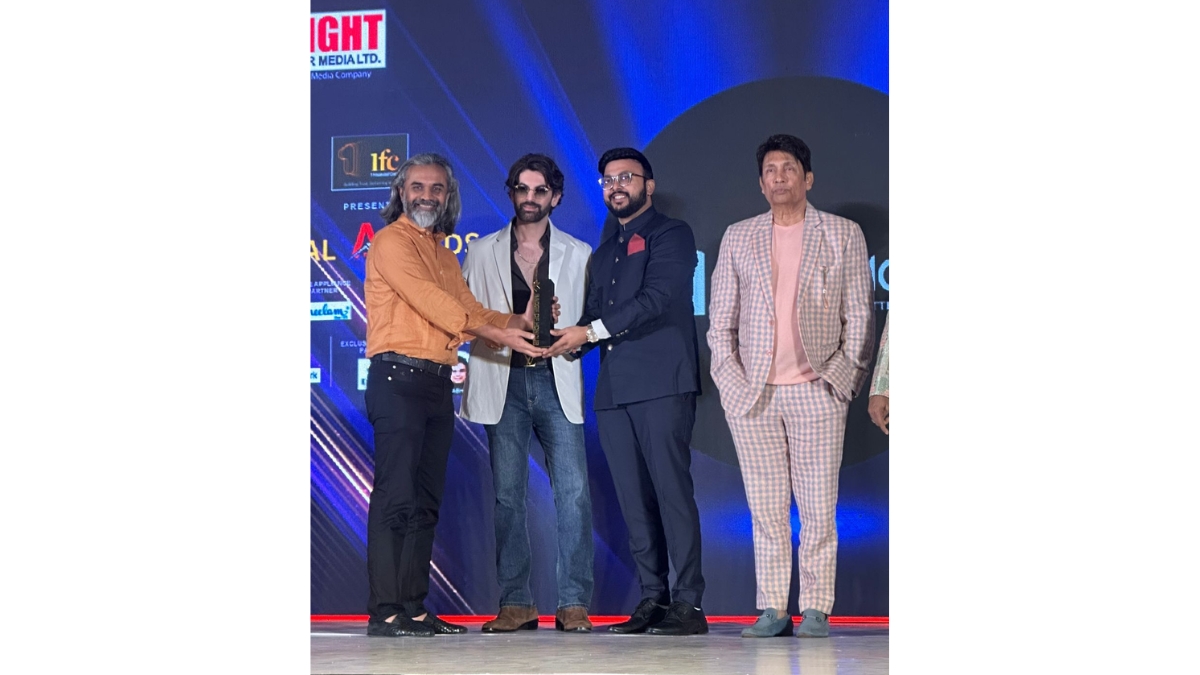
    New Delhi [India], January 2: RERA Vision, one of Maharashtra’s most respected real estate regulatory consultancies, has been conferred with the prestigious title of “Most Trusted RERA Advisory in Maharashtra” at an awards ceremony held on 20 December 2025. The recognition, presented by Bright Outdoor Media, acknowledges the firm’s consistent and impactful contribution toward strengthening transparency, regulatory compliance, and institutional discipline within India’s real estate sector. This milestone not only marks a significant achievement for the organisation but also reinforces RERA Vision’s position as a benchmark-setting RERA advisory in the country.

    At the heart of RERA Vision’s success is its Founder & CEO, Mr. Akkashh Chauhaan, a distinguished architect, town planner, public policy expert, and philanthropist with over 13 years of multidisciplinary experience across real estate, regulation, and governance. His professional journey began in project planning and statutory approvals, where he gained first-hand exposure to systemic gaps affecting developers, authorities, and end users. This early experience laid the foundation for his long-standing commitment to regulatory reform, compliance efficiency, and stakeholder empowerment.

    Academically, Mr. Chauhaan brings together a rare convergence of disciplines. Trained as an architect, he holds a Master’s degree in Urban and Regional Planning and is a Certified Public Policy Analyst from the London School of Economics (LSE). This strong academic foundation enables him to approach real estate regulation not merely as a statutory requirement, but as an integrated ecosystem balancing governance, development, and consumer protection.

    A defining chapter of Mr. Chauhaan’s career was his tenure as Senior Technical Advisor to MahaRERA—the Maharashtra Real Estate Regulatory Authority—during the formative years of RERA implementation in India. In this role, he was closely involved in grievance redressal, compliance monitoring, and regulatory execution, contributing meaningfully to the operational strengthening and credibility of the Authority. He also represented Maharashtra at national-level RERA forums, including initiatives conducted at the Indian Institute of Public Administration (IIPA), New Delhi, helping shape discussions on regulatory best practices across states.

    In addition, Mr. Chauhaan served as State Training Coordinator with the Building and Other Construction Workers Welfare Board (BOCWW), where he led large-scale skilling and training initiatives benefiting over 20 lakh construction workers across Maharashtra. His efforts in capacity building extended to conducting numerous workshops and seminars for promoters, project professionals, and allottees, reinforcing compliance awareness and regulatory literacy within the industry.

    RERA Vision

    Beyond his professional achievements, Mr. Chauhaan has demonstrated exemplary social leadership. During the COVID-19 pandemic, he led humanitarian initiatives supporting more than 51,000 migrant workers across 47 villages, providing food supplies, safety equipment, and essential aid. These efforts earned him the Navi Mumbai Ratna Award, recognising his service during one of the country’s most challenging periods. His academic excellence has also been recognised through the Best Thesis Award, and he was the sole recipient of a fully funded thesis scholarship from the Government of India.

    Inspired by his regulatory experience and industry insight, Mr. Chauhaan founded RERA Vision with a clear mission: to simplify RERA processes and empower stakeholders with clarity, confidence, and compliance certainty. Under his leadership, the firm has evolved into a multi-state, technology-driven regulatory advisory platform, enabling compliance for real estate projects exceeding ₹35,000 crore in value and covering over 12 million square metres of development.

    One of RERA Vision’s pioneering contributions is the Certificate of Compliance for End Users, a first-of-its-kind initiative that sets new benchmarks for transparency, trust, and customer-centric compliance. Today, the firm offers comprehensive RERA solutions under one roof, including:

    Project registration, quarterly and annual compliances, timeline extensions, project and promoter changes, completion and de-registration services, legal advisory, financial structuring, and dedicated buyer and allottee support.

    Supported by a robust multidisciplinary team of advocates, chartered accountants, architects, and finance professionals, RERA Vision ensures seamless execution across technical, legal, and financial domains. The firm has facilitated the registration of over 25,000 apartments, achieved an industry-leading average turnaround time of 15–18 working days, and is trusted by leading developers for delivering consistent, client-centric compliance outcomes.

    RERA Vision’s excellence has been widely recognised at national and industry levels. It is notably the only RERA consultancy in India to be featured in Forbes India, and has also received honours from leading publications such as The Times of India and Mid-Day, along with recognition at prominent national leadership forums.

    Receiving the award, Mr. Akkashh Chauhaan expressed gratitude and reaffirmed the firm’s commitment, stating:

    “We are extremely honoured to receive this recognition. Being acknowledged as the most trusted RERA advisory in Maharashtra reinforces our responsibility toward the industry. This award reflects the collective efforts of our dedicated team and the continued trust of our clients. We remain committed to strengthening transparency, compliance, and confidence within the real estate ecosystem.”

    RERA Vision also extended sincere thanks to Bright Outdoor Media for the honour and reiterated its resolve to set even higher benchmarks in RERA advisory services. Guided by its vision to empower stakeholders and demystify real estate regulations, RERA Vision continues to play a transformative role in shaping a more transparent, accountable, and compliant real estate sector across Maharashtra and India.

    If you have any objection to this article’s content, kindly contact pr.error.rectification@gmail.com to notify us. We will respond and rectify the situation in the next 24 hours.

  • When Screens Decide The Menu: How Entertainment Quietly Hijacked Lifestyle Choices In 2025

    When Screens Decide The Menu: How Entertainment Quietly Hijacked Lifestyle Choices In 2025

    Mumbai (Maharashtra) [India], January 5: By the end of 2025, one uncomfortable truth became impossible to ignore: entertainment no longer ends when the credits roll. It follows people home, into wardrobes, onto plates, across airports, and—most critically—into spending decisions they swear were “personal choices.”

    They weren’t.

    Movies, streaming series, viral pop moments, and fandom economies didn’t just dominate conversations this year; they redesigned routines. The line between what people watch and how they live blurred into something almost poetic—if poetry were monetised, algorithm-fed, and occasionally exhausting.

    And yet, no one seems particularly eager to resist.

    Entertainment didn’t conquer lifestyle in a dramatic coup. It slipped in politely. A jacket here. A travel reel there. A café menu subtly renamed after a fictional universe. By the time consumers noticed, their aesthetic, appetite, and aspirations were already sponsored by screen culture.

    That’s the real story of 2025.

    The Lifestyle Was Always Watching Back

    For decades, cinema influenced fashion and travel in predictable bursts. A blockbuster released, trends followed, hype faded. But streaming altered the rhythm.

    Instead of short-lived waves, 2025 saw persistent cultural drip-feeding. Characters lived longer in people’s minds because they lived longer on screens. Ten-hour series didn’t just entertain—they imprinted.

    Clothing brands noticed.
    Travel boards noticed.
    Food chains noticed.
    Tech companies noticed.

    Consumers? They called it inspiration.

    Fashion: From Costume To Closet Staple

    What once stayed on red carpets now entered everyday wardrobes. Statement coats, distressed boots, monochrome palettes, hyper-specific accessories—2025 fashion leaned heavily on character aesthetics rather than seasonal trends.

    Interestingly, luxury houses weren’t always the winners. Mid-range and fast-fashion brands capitalised faster, recreating looks within weeks. Authenticity became optional; recognisability was currency.

    The positive:

    • Fashion became narrative-driven, emotionally engaging.

    • Smaller brands leveraged fandom without blockbuster budgets.

    The downside:

    • Sustainability quietly took a backseat.

    • Original design struggled against algorithm-approved replicas.

    Style didn’t die. It just outsourced creativity to scripts.

    Food: When Fiction Decided Flavor

    Restaurants and cafés experienced one of the most underestimated ripple effects of entertainment culture. Dishes referenced on screen—or merely seen being enjoyed—triggered real-world demand spikes.

    Comfort foods thrived. Regional cuisines have gained global curiosity. Theatrical eating became experiential marketing.

    Pop-up menus inspired by fictional worlds were no longer novelties; they were business models.

    Pros:

    • Cultural cuisines gained mainstream visibility.

    • Dining became storytelling, not just consumption.

    Cons:

    • Culinary authenticity blurred.

    • Viral demand often collapsed as fast as it rose.

    People didn’t just want to eat. They wanted to belong.

    Travel: Screens Became Silent Travel Agents

    Tourism boards rarely needed traditional campaigns in 2025. One visually striking location in a popular series did more than months of advertising.

    Search data showed destination queries spiking immediately after on-screen exposure. Hotels, homestays, and tour operators adjusted packages almost in real time.

    The irony? Many travellers arrived seeking cinematic solitude—only to find crowds chasing the same illusion.

    Positive impact:

    • Lesser-known destinations entered global itineraries.

    • Local economies benefited from pop culture exposure.

    Negative reality:

    • Over-tourism pressures intensified.

    • Cultural commodification followed quickly behind.

    Screens sold dreams. Reality handled logistics.

    Tech, Gadgets, And The Quiet Flex Economy

    What characters used mattered almost as much as what they wore. Phones, headphones, cars, and even home layouts became aspirational cues.

    Entertainment subtly validated purchasing decisions. Not through ads—but through association.

    What worked:

    • Product placements evolved into narrative props.

    • Tech adoption felt organic, not imposed.

    What didn’t:

    • Consumer fatigue grew.

    • The illusion of choice shrank.

    Freedom of preference became curated convenience.

    Fandom As A Consumption Engine

    Fandom wasn’t just emotional in 2025—it was operational.

    Merchandise launches, themed experiences, digital collectables, and community-driven commerce thrived. Audiences didn’t wait for brands; they demanded alignment.

    The smartest companies didn’t sell products. They sold belongings.

    But belonging, when monetised aggressively, risks becoming transactional.

    The Psychology Behind The Shift

    Why did entertainment succeed where traditional lifestyle marketing struggled?

    Because it didn’t interrupt life—it mirrored it.

    Stories validated identity. Characters offered emotional permission. Consumption felt like self-expression rather than persuasion.

    That’s powerful. And dangerous.

    The PR-Safe Truth Brands Won’t Say Aloud

    Entertainment-led lifestyle influence is efficient—but volatile.

    One narrative shift, one cultural backlash, one audience fatigue cycle, and the same trends evaporate. Brands tethered too closely to fiction risk inheriting its impermanence.

    Long-term equity still requires substance. Not just aesthetics.

    Latest Industry Whispers

    Toward the end of 2025, marketing strategists quietly began recalibrating. Over-dependence on pop culture tie-ins showed diminishing returns. Audiences started recognising patterns. Sarcasm entered comment sections.

    Ironically, authenticity—once dismissed as unfashionable—made a cautious comeback.

    The Pros And Cons In One Breath

    Pros:

    • Cultural exchange accelerated

    • Lifestyle marketing became narrative-rich

    • Audiences felt seen, not sold to

    Cons:

    • Consumer identity blurred with fiction

    • Sustainability suffered quietly

    • Trends aged faster than relevance

    Balance, as always, remained optional.

    Final Thought: Entertainment Didn’t Replace Lifestyle—It Edited It

    2025 didn’t witness lifestyle surrender to entertainment. It witnessed a merger.

    People still chose how they lived. They just chose from menus written by stories they loved.

    And maybe that’s not dystopian. Maybe it’s human.

    After all, civilisations have always lived by stories.
    2025 simply added better lighting, better costumes, and a checkout link.

    PNN Lifestyle

  • Many Winners, No Monarch: How Bollywood’s Clean Hits Of 2025 Quietly Rewired The Box Office

    Many Winners, No Monarch: How Bollywood’s Clean Hits Of 2025 Quietly Rewired The Box Office

    Mumbai (Maharashtra) [India], January 5: For once, Hindi cinema didn’t wake up obsessing over a single saviour. Bollywood’s no one film was burdened with the responsibility of “reviving” the industry, rescuing exhibitors, or restoring audience faith. And perhaps that’s exactly why 2025 worked.

    This was not the year of a messiah movie. It was the year of plural success.

    From historical epics to rooted folklore, from star-driven spectacles to quietly confident narratives, several Hindi films crossed the elusive “clean hit” mark at the box office. Titles like Chhaava, Kantara: A Legend – Chapter 1, and Saiyaara didn’t just mint money—they reintroduced a forgotten idea: sustainability.

    Not frenzy. Not hysteria. Sustainability.

    And that may be Bollywood’s most radical plot twist yet.

    There was a time—not long ago—when trade conversations revolved around one desperate question: Which film will save theatres? In 2025, the question subtly changed to: How did so many films manage to work at the same time?

    That shift matters.

    A Box Office That Didn’t Beg For Attention

    Collectively, Hindi cinema posted a healthier theatrical year than the post-pandemic anxiety spiral suggested possible. Films across genres found audiences, often without deafening pre-release noise.

    • Chhaava, reportedly mounted on a budget of around ₹130–150 crore, crossed ₹500 crore worldwide, driven by historical resonance and regional loyalty.

    • Kantara: A Legend – Chapter 1, made on a comparatively modest budget, emerged as a phenomenon, blending mythology, folklore, and mass appeal into a theatrical experience audiences actively chose over convenience.

    • Saiyaara, a mid-scale romantic drama, proved that emotional storytelling still has commercial legs—earning solid returns without the crutch of spectacle.

    These weren’t accidents. They were signals.

    The Backstory Nobody Wanted To Acknowledge

    For years, Bollywood chased scale while ignoring texture. Bigger sets. Louder promotions. Louder openings. Somewhere along the way, the audience quietly checked out.

    2025 didn’t bring them back with gimmicks. It brought them back with clarity.

    Films knew what they were—and didn’t pretend to be everything else.

    When Diversity Became A Business Strategy

    The most striking aspect of 2025 wasn’t box office totals—it was the distribution of success.

    No single genre dominated.
    No single star monopolised footfalls.
    No single narrative template ruled screens.

    This diversity created a healthier exhibition ecosystem. Theatres didn’t live or die by Fridays anymore. Steady footfall replaced chaotic spikes. Food and beverage revenues stabilised. Smaller centres mattered again.

    Ironically, the industry stopped trying to “fix” itself—and started listening instead.

    The Pros Bollywood Earned Fairly

    Let’s give credit where it’s overdue:

    • Risk diversification worked: Studios spread investments instead of betting everything on tentpoles.

    • Content-rooted films gained legitimacy without being labelled “niche.”

    • Audience trust improved—a rare commodity.

    • Regional cross-pollination strengthened Hindi cinema, not threatened it.

    This wasn’t a comeback fueled by nostalgia. It was correction through course adjustment.

    The Cons That Still Lurked In The Shadows

    But let’s not romanticise too much. The system isn’t healed—just less hysterical.

    • Star-driven films still commanded disproportionate screen counts.

    • Marketing budgets remained absurdly inflated.

    • Several films broke even but were prematurely labelled “hits” for optics.

    • Smaller producers still struggled for prime release windows.

    A diversified ecosystem doesn’t automatically mean a fair one.

    The Sarcastic Truth Nobody Escaped

    Bollywood didn’t suddenly become enlightened. It became pragmatic.

    The audience didn’t return out of loyalty—they returned because films finally gave them reasons. And if those reasons disappear, so will they.

    Sentiment, in 2025, is conditional.

    Why This Year Felt Different Emotionally

    Beyond numbers, 2025 felt quieter. Less desperate. Less defensive.

    Films didn’t scream relevance. They trusted resonance.

    And in an industry addicted to noise, restraint became the loudest flex.

    Latest Industry Murmurs

    Trade insiders note that 2025’s success has already influenced greenlighting decisions for 2026 and beyond. Mid-budget films are back in development pipelines. Regional collaborations are being actively pursued. Theatres are renegotiating revenue models with more confidence.

    Not because of one blockbuster—but because of many dependable performers.

    That’s not glamour. That’s stability.

    The Larger Cultural Implication

    Bollywood’s clean hits of 2025 didn’t just entertain—they recalibrated ambition.

    The industry learned that domination is optional. Relevance is not.

    Audiences don’t demand perfection. They demand sincerity, coherence, and respect for their time. Offer that, and they show up. Fail, and they scroll.

    It’s not rebellion. It’s adulthood.

    Final Thought: The Ecosystem Finally Breathed

    2025 won’t be remembered for a single cinematic moment. It will be remembered for a pattern.

    A pattern where multiple films succeeded without cannibalising each other. Where theatres survived without panic. Where storytelling wasn’t hostage to opening-day hysteria.

    Bollywood didn’t roar back.

    It stood back up.

    And sometimes, that’s far more impressive.

    PNN Entertainment

  • Avatar: Fire And Ash Proved Spectacle Still Sells — Just Not Like It Used To

    Avatar: Fire And Ash Proved Spectacle Still Sells — Just Not Like It Used To

    Mumbai (Maharashtra) [India], January 5: There was a time when an Avatar release didn’t merely arrive—it rearranged the global box office calendar. Studios stepped aside. Competitors rescheduled. Analysts sharpened pencils and prepared to rewrite annual forecasts. The franchise wasn’t just cinema; it was a gravitational event.

    In 2025, Avatar: Fire and Ash arrived differently.

    It still earned an astonishing $935 million worldwide, placing it comfortably among the highest-grossing global films of the year. By any rational standard, that figure screams success. Yet the conversation around the film has been strangely muted, tinged with an unfamiliar question: Was this enough?

    That question says less about the film—and far more about the era it was released into.

    Before we rush into verdicts, let’s establish reality. Fire and Ash did not flop. It did not underperform. It did not embarrass the franchise. On the contrary, it demonstrated a kind of financial stamina that most films can only fantasise about.

    But it also revealed something quietly uncomfortable: even cinematic empires age.

    The Weight Of A Crown

    The Avatar franchise suffers from a peculiar affliction—its own history. Earlier chapters didn’t just succeed; they rewired expectations. They trained audiences and investors alike to associate the brand with once-in-a-generation dominance.

    So when Fire and Ash landed just shy of the billion-dollar mark, the industry’s reaction was… contemplative.

    Not disappointed. Not ecstatic. Thoughtful.

    In a year crowded with event films, franchise crossovers, and IP-heavy spectacles, Avatar no longer felt singular. It felt premium—but not invincible.

    A Film That Still Looked Forward

    Visually, Fire and Ash remained a masterclass. The environmental world-building, the obsessive attention to texture and motion, the immersive scale—this was still big-screen cinema in its most unapologetic form.

    The production reportedly carried a budget north of $250 million, not counting global marketing spends that likely pushed total investment well beyond that. That level of expenditure isn’t indulgence—it’s commitment. Few studios would dare place that kind of bet on theatrical storytelling in a market increasingly fragmented by streaming habits.

    And to its credit, the film delivered an experience that demanded theatres. This wasn’t content. It was immersion.

    Why The Box Office Didn’t Explode

    Here’s where nuance matters.

    The global box office in 2025 wasn’t weak—it was different. Audience behaviour had evolved. Attendance patterns were selective. Repeat viewings were rarer. Spectacle had competition from comfort, convenience, and content fatigue.

    Fire and Ash drew crowds, but it didn’t monopolise attention. It shared space with regional powerhouses, hybrid releases, and streaming-led cultural moments.

    The absence of total dominance wasn’t a rejection—it was a recalibration.

    The Pros Nobody Is Talking About

    Let’s acknowledge what Fire and Ash achieved:

    • Global reach across diverse markets, not just North America

    • Strong international legs, particularly in Asia and Europe

    • Sustained theatrical relevance in an era hostile to long runs

    • Proof that original cinematic worlds still matter, even years into a franchise

    The film didn’t need gimmicks or nostalgia mining. It relied on continuity, craft, and scale—qualities increasingly rare.

    The Cons That Whispered Loudly

    But yes, there were cracks.

    • The narrative didn’t feel as culturally urgent as earlier chapters

    • Franchise familiarity dulled the sense of discovery

    • Younger audiences showed less emotional attachment

    • The “event” feeling was present—but diluted

    In short, Fire and Ash succeeded without overwhelming. And for Avatar, that distinction matters.

    The Backstory Nobody Admits

    Behind the scenes, the franchise exists in a radically altered entertainment ecosystem. When the first Avatar arrived, streaming was peripheral. Social media was immature. Attention spans were generous.

    In 2025, attention is transactional.

    Audiences no longer pledge loyalty to worlds—they rent interest. Even the most meticulously crafted universes must compete with algorithms, release fatigue, and a constant scroll.

    Fire and Ash didn’t fail to dominate. It refused to beg.

    What This Means For The Franchise

    This chapter may be remembered less for what it earned and more for what it signalled: the end of automatic supremacy.

    That’s not a death sentence. It’s a maturation.

    The franchise now occupies a rare space—prestige blockbuster. Trusted spectacle. A known quantity that still commands respect, even when it doesn’t rewrite records.

    And perhaps that’s healthier.

    The Industry’s Quiet Response

    Studios are watching closely. Not with alarm, but with curiosity. The lesson here isn’t “spectacle is dead.” It’s that spectacle must coexist, not conquer.

    Big films can thrive without annihilating competition. Franchises can evolve without endlessly inflating. Success can be measured without hysteria.

    That’s a sobering—and necessary—realisation.

    Latest Murmurs From The Market

    Analysts note that Fire and Ash performed exceptionally well relative to release conditions, competition, and audience fragmentation. Merchandising, premium formats, and international licensing continue to add long-tail value.

    The film may not have topped every chart—but it fortified the franchise’s longevity.

    And longevity, in 2025, is the real currency.

    Final Thought: Fire Still Burns, Ash Still Settles

    Avatar: Fire and Ash didn’t arrive to conquer the world. It arrived to remind it.
    That reminder was quieter. More restrained. Less triumphant. But also more honest.

    The franchise didn’t lose relevance—it shed invincibility. And in doing so, it became something rarer: a legacy property learning how to age gracefully in an industry that rarely allows it.

    Not every fire needs to consume everything.
    Some are meant to last.

    PNN Entertainment

  • Yajur Fibres Limited IPO Opens on January 07, 2026

    Yajur Fibres Limited IPO Opens on January 07, 2026

    Mumbai (Maharashtra) [India], January 5:  Yajur Fibres Limited (The Company, Yajur) specializes in producing premium cottonised bast fibres, including flax (linen), jute and hemp. The company proposes to open its Initial Public Offering on Wednesday, 07th January, 2026 and aiming to raise ₹ 120.41Crores, with shares to be listed on the BSE SME platform.

    The issue size is 69,20,000 equity shares with a face value of ₹ 10 each with a price band of ₹ 168 – ₹ 174 Per Share.

    Equity Share Allocation

    • Qualified Institutional Buyer – Not more than 64,000Equity Shares

    • Non-Institutional Investors – Not less than 19,51,200 Equity Shares

    • Individual Investors – Not less than 45,58,400 Equity Shares

    • Market Maker – 3,46,400 Equity Shares

    The net proceeds from the IPO will be utilized for:

    (1) Setting up of 50,000 sq.ft. of shed in the existing manufacturing unit and installation of additional production capacity of 4 tons per day at existing manufacturing unit at Jagannathpur, District Howrah

    (2) Investment in subsidiary Yashodha Linen Yarn Limited for setting up a greenfield unit at Vikram Udyogpuri, DMIC Industrial Park, Ujjain, Madhya Pradesh for 100% wet spun linen yarn and blended yarn

    (3) Funding for Working Capital Requirements and general corporate purposes. The IPO will open on Wednesday, January 07, 2026 and will close on Friday, January 09, 2026.

    The Book Running Lead Manager to the Issue is Horizon Management Private Limited and the Registrar is MAS Services Limited.

    Mr. Ashish Kankaria, Managing Director of Yajur Fibres Limited expressed, “Yajur Fibres Limited has built a strong foundation as a differentiated manufacturer of sustainable bast fibre solutions, driven by proprietary cottonisation technology, consistent execution, and a clear strategic focus. Our journey has been defined by the successful integration of innovation with scalable manufacturing, enabling textile mills to adopt sustainable fibres without modifying the existing manufacturing set-up and processes.

    The net proceeds will strengthen our core operations through capacity expansion at our Howrah facility to meet anticipated demand for the cottonised fibre in forthcoming year, enhance operational efficiency, and support the development of greenfield wet-spun linen yarn unit through subsidiary, Yashodha Linen Yarn Limited, at the DMIC Industrial Park, Ujjain. Additionally, investment in working capital will enable us to support higher volumes and deepen customer relationships.”

    Mr. Rajesh Sharma, Director of Horizon Management Private Limited said, “Witnessing significant growth in the textile industry, driven by rising demand for sustainable and high-performance fibres. The company is well-positioned to capitalize on these industry trends, supported by its strong operational capabilities, globally certified manufacturing processes and focus on innovation.

    The proposed IPO represents an important milestone in Yajur Fibres growth journey. The proceeds from the offering will enhance operational efficiency, support capacity expansion at the Howrah facility and enable the development of a greenfield wet-spun linen yarn unit through its subsidiary.”

    If you object to the content of this press release, please notify us at pr.error.rectification@gmail.com. We will respond and rectify the situation within 24 hours.

  • Tourism Finance Corporation of India Limited to co-sponsor hospitality AIF, anchor real estate fund; SEBI filings made

    Tourism Finance Corporation of India Limited to co-sponsor hospitality AIF, anchor real estate fund; SEBI filings made

    New Delhi [India], January 5: Tourism Finance Corporation of India Ltd (TFCI) has decided to expand its presence in the alternative investment space by acting as a co-sponsor and anchor investor in two Category II Alternative Investment Funds (AIFs), signalling a calibrated shift towards equity-linked and asset management opportunities.

    In a regulatory disclosure, the company said it will act as co-sponsor and anchor investor in the Holystone Hospitality Fund, an equity-focused Category II AIF, with a proposed commitment of up to 5% of the total fund corpus. An application for registration of the fund has already been filed with the Securities and Exchange Board of India (SEBI).

    In addition, TFCI will act as an anchor investor in the Certus Real Estate Fund, another Category II AIF, with an investment of up to 10% of the total fund size. The application for registration of the Certus Real Estate Fund has also been submitted to SEBI.

    Commenting on the development, Anoop Bali, Managing Director of TFCI, said the move is aligned with the company’s long-term diversification strategy. “Our participation as co-sponsor and anchor investor reflects TFCI’s intent to leverage its sectoral expertise while partnering with experienced fund managers. The AIF route allows us to support the hospitality and real estate sectors in a capital-efficient manner, while creating additional avenues for value creation,” Bali said.

    Market participants view the initiative as part of TFCI’s broader transition from a niche tourism-focused lender to a diversified non-banking financial company (NBFC) with a wider financing and investment mandate. The AIF structure is also expected to provide TFCI with access to equity and quasi-equity opportunities without materially increasing balance sheet risk.

    TFCI, a specialised NBFC-ML, provides financial assistance across tourism and hospitality infrastructure, manufacturing, renewable energy, social and urban infrastructure, real estate, NBFC and housing finance company (HFC) funding, structured credit, and lending against listed securities. The company has also been expanding its digital retail lending platform.

    If you have any objection to this press release content, kindly contact pr.error.rectification@gmail.com to notify us. We will respond and rectify the situation in the next 24 hours.