Tag: entertainment

  • Welcome to Cinematic Insanity: Films That Bent Reality Before Reality Bent Us

    Welcome to Cinematic Insanity: Films That Bent Reality Before Reality Bent Us

    Mumbai (Maharashtra) [India], December 5: Some films don’t simply entertain; they stalk your thoughts for days, nibbling at your sanity like uninvited house guests. They arrive without apology, demand full intellectual custody of your brain, and then vanish—leaving behind existential crumbs for you to trip over.

    Three such beautifully deranged gems are Synchronic, The Endless, and Vivarium. Individually, they feel like puzzle boxes; collectively, they form a cinematic cult that worships at the altar of “Genius or Madness? — Why Not Both.”

    And in an era where reboots, sequels, and remakes parade around with all the originality of a photocopied photocopy, these films stand out as the wild, rebellious problem children of modern storytelling.

    So let’s dive into the brain-twisted brilliance, the production anecdotes, the applause, and the occasional raised eyebrow.

    Synchronic (2019)

    A film that asked the very normal, very wholesome question:
    What if a pill could yeet you into the past with all the reliability of a broken elevator?

    Directed by the filmmaking duo Justin Benson & Aaron Moorhead—yes, the same narrative anarchists now directing episodes for major studios—Synchronic began as an exploration of temporal dislocation and psychedelic existentialism. Essentially, a medical-tech fever dream with philosophical side effects.

    Anthony Mackie and Jamie Dornan ground the chaos, which is impressive considering the story involves time-travel that behaves less like “science” and more like “cosmic roulette.” Mackie later mentioned in interviews that the film’s emotional spine—dealing with mortality and identity—was what locked him in. Because nothing says character development like accidentally materialising in the 1800s and being hunted for existing.

    Positive buzz?
    Cinematography and concept were praised for ambition and depth, and the film has now crossed its budget in global revenue streams, including theatrical, digital, and licensing (current lifetime gross + post-theatrical value estimated around $10–12 million combined).

    Negative buzz?
    Some viewers found the science “inconsistently consistent,” but honestly, if your biggest problem with a movie about time-hopping narcotics is realism… we must send you a trophy.

    The Endless (2017)

    Some people reconnect with old friends. Others revisit childhood neighborhoods. Benson & Moorhead?
    They return to the cult they made a movie about.

    Yes, The Endless is a quasi-sequel to their earlier film Resolution, expanding their obsession with temporal loops, cosmic entities, and the gentle horror of being stuck—physically, emotionally, existentially. Filmed mostly on a micro-budget (reportedly under $1 million), the movie still manages to look like it was shot with the cosmos sponsoring the production.

    The plot follows two brothers re-entering the UFO death-cult they escaped years ago. Why? Closure. Or delusion. Or boredom.

    Accolades?
    Critics worshipped the grounded performances, the slow-burn tension, and the clever integration of the filmmakers themselves as the lead actors—because apparently budget-saving can also be artistic brilliance.

    Controversies?
    Some argued the ambiguous mythology was “too ambiguous,” which is like complaining a cryptic message is too cryptic. The film is now considered a genre essential and continues to generate new fan theories every few months, resurfacing more often than that one friend who only texts when Mercury is in retrograde.

    Vivarium (2019)

    If you’ve ever suspected that suburban housing projects are sinister, congratulations—you and this film share DNA.

    Starring Jesse Eisenberg and Imogen Poots, Vivarium is basically IKEA meets eternal purgatory. The concept was inspired partially by urban alienation and the repetitive structure of modern consumer life. Director Lorcan Finnegan wanted to critique the “perfect home = perfect life” lie, and what better way than trapping a couple in an infinite maze of identical houses while forcing them to raise a rapidly-growing, non-human child?

    The film premiered at Cannes Critics’ Week, winning the Gan Foundation Award. It later found a second life during the pandemic when audiences, locked in their own homes, identified a little too much with the oppressive sameness.

    Praise?
    Brilliant metaphor, striking visuals, clever social commentary.

    Criticism?
    Too bleak. Too strange. Too claustrophobic.
    Which, frankly, is the point.

    The movie has surpassed $9–10 million in combined worldwide earnings—impressive for a contained psychological sci-fi piece.

    More Genius-Concept Films That Deserve Cult Status

    Handpicked additions — each one mentally unhinged in the most intelligent way.

    Coherence (2013)

    The cheapest multiverse film ever made (budget: reportedly $50,000), shot in five days, mostly improvised. Eight friends at a dinner party + a comet passing overhead + physics deciding to commit crimes.
    Still discussed in scientific forums today.
    Still confusing… today.

    Primer (2004)

    The grandfather of headache cinema.
    Shane Carruth wrote, directed, starred, scored, and probably brewed the coffee.
    Budget: $7,000.
    Plot: Two engineers accidentally invent time travel and immediately ruin their lives.

    Considered the most “scientifically accurate” time-travel film ever made. Also considered the most incomprehensible. Duality.

    Predestination (2014)

    Ethan Hawke stars in this adaptation of Robert Heinlein’s “All You Zombies.”
    One timeline. One character.
    About three dozen identity crises.
    A genius paradox done with clean logic and devastating emotion.

    Under the Skin (2013)

    Scarlett Johansson as an alien seductress in Scotland.
    Minimal dialogue, maximal dread.
    A blend of existential philosophy and nightmare surrealism.
    Frequently appears in “best sci-fi ever made” lists.
    And yes, it unsettles everyone. Equally.

    A Tiny Slice of Current Commentary (for freshness)

    Film communities online have recently revived discussions around The Endless and Synchronic after the directors’ involvement in upcoming high-profile projects. Their “low-budget cosmic weirdness” is now being cited as a case study in film schools, and Coherence continues to trend in cycles every time someone’s friend group hosts a movie night and accidentally awakens their inner physicist.

    Meanwhile, Vivarium fan theories have resurfaced as housing prices continue to behave like horror villains—multiplying and threatening humanity.

    So, Must Watch? Absolutely. Must Understand? Optional.

    These films are not passive experiences. They demand attention, curiosity, emotional resilience, and, on occasion, the willingness to say, “Okay, fine, I’ll watch the ending three times.”

    They’re not for everyone.
    They’re for the willingly bewildered.
    For the people who enjoy stories that feel like solving an escape room inside a dream.

    And that’s precisely why they’re genius.

    PNN Entertainment

  • HRK Films & BJ’s Unveil Motion Poster of ‘Sheeshe De Glass’ Featuring Kabbir Khan in a Dazzling Popstar Avatar

    HRK Films & BJ’s Unveil Motion Poster of ‘Sheeshe De Glass’ Featuring Kabbir Khan in a Dazzling Popstar Avatar

    Mumbai (Maharashtra) [India], December 4: HRK Films and BJ’s proudly unveil the high-voltage motion poster of their much-anticipated upcoming music album ‘Sheeshe De Glass’, introducing Kabbir Khan in a never-seen-before avatar as a Popstar. The announcement has instantly sparked excitement across the music and entertainment industry, marking the beginning of a powerful musical journey filled with glamour, style, and electrifying energy.

    The motion poster showcases Kabbir Khan’s charismatic screen presence, complete with a rockstar aura, guitar, and a dynamic stage backdrop that promises a grand audio-visual experience. His striking look and magnetic attitude have already stirred massive anticipation among fans and viewers, positioning him as the next rising sensation to watch out for.

    ‘Sheeshe De Glass’ is directed by KK and produced by HRK Films & BJ’s, with N.K serving as Producer and Raha Films as Co-Producer. The music album is choreographed by Praveen Bariya, ensuring visually captivating sequences that elevate the energetic essence of the track.

    The soulful and powerful vocals are delivered by playback singer Jasraj Singh, with heartfelt lyrics penned by Arun Pattekar. The music composition is crafted by Vikas Vishwakkarma, bringing an engaging blend of melody, rhythm, and modern sound. Cinematography is led by DOP Atharva Patil, capturing the scale and grandeur of the project with finesse.

    With the unveiling of the motion poster, the makers have signaled that something spectacular is on its way—an anthem that is set to dominate charts and hearts.

    Fans can expect the official release announcement soon, and anticipation continues to build as Kabbir Khan steps into the spotlight as a true Popstar.

    If you have any objection to this press release content, kindly contact pr.error.rectification@gmail.com to notify us. We will respond and rectify the situation in the next 24 hours.

  • Ranveer Singh’s Dhurandhar: Between Patriotism, Controversy & Courtroom Drama

    Ranveer Singh’s Dhurandhar: Between Patriotism, Controversy & Courtroom Drama

    Mumbai (Maharashtra) [India], December 2: They say every great spy thriller needs tension. Dhurandhar doesn’t just court tension — it’s swallowed by it. As the December 5 release date looms, the film finds itself tangled in real-world controversies: legal petitions, cultural outrage, and debates over truth vs. fiction. Whether this extra drama will sabotage the box office or fuel curiosity remains to be seen.

    What’s clear: Dhurandhar is no longer just a movie. It’s a cultural lightning rod.

    What is Dhurandhar

    Directed by Aditya Dhar, Dhurandhar is billed as a high-octane spy-thriller starring Ranveer Singh, with an ensemble cast including Sanjay Dutt, Akshaye Khanna, R. Madhavan and Arjun Rampal. The film promises undercover operations, cross-border espionage, and a narrative that delves into the murky underbelly of modern warfare and intelligence. The trailer’s gritty tone, dark visuals and violent overtones already signal: this is not for the faint-hearted.

    But not everyone sees it as just fiction.

    The Big Legal Storm: Real Hero vs. Fictional Spy

    Almost immediately after the trailer dropped, speculation soared that the lead character loosely mirrored the life of Major Mohit Sharma — the Ashoka Chakra–awarded operative who conducted deep undercover work in Kashmir and died in 2009. The resemblance: a soldier turned undercover agent, deceit as identity, and counter-terror ops. Major Sharma’s family, led by his brother, filed a petition in the Delhi High Court, accusing the filmmakers of exploiting his memory without consent, demanding a stay on the film’s release.

    The result: a full-scale re-examination by the Central Board of Film Certification (CBFC), and a courtroom spotlight brighter than any spotlight on the set. The board concluded that Dhurandhar is “purely fictional,” and bears no resemblance to Major Sharma’s life or operations. They cleared it for release after applying standard cuts, issuing an adult certificate.

    The director publicly reaffirmed this, promising that any real-life biopic of Major Sharma — if it ever happens — would be made with sensitivity and family consent.

    Still, the dust hasn’t settled. For many, the moral question remains: Does a disclaimer erase responsibility when you borrow from real hero myths to craft your fiction?

    Additional Flame: Culture & Controversy

    When you sign up to play a “hard agent,” you expect guns and grenades — not cultural flashpoints. But Dhurandhars lead actor, Ranveer Singh, recently stepped into another firestorm: at a recent film festival, during a tribute to another film, he mimicked a ritualistic performance from a regional movie. The act angered many cultural custodians and community members, who saw it as disrespect toward a sacred tradition. A police complaint followed, and though Ranveer apologised, the controversy added another unpredictable variable to Dhurandhar’s pre-release mix.

    When your hero’s costume includes public gaffes, sometimes the PR spin needs more than bulletproof vests.

    What Dhurandhar Has Going For It

    • Box-office buzz: Despite controversies, advance ticket bookings reportedly crossed impressive numbers — signalling that curiosity (or fandom) hasn’t died yet.

    • High production scale: The film reportedly runs 214 minutes, making it one of the longest Hindi films in decades. It promises an epic canvas: multiple protagonists, sprawling story arcs, high-stakes conflicts, and cinematic ambition.

    • Star cast & action pedigree: With Ranveer Singh’s intensity, combined with a supporting ensemble and a gritty spy-narrative, the film could land as a “commercial-thriller with substance,” if the balance holds.

    But the Shadows Are Deep

    • Ethical minefields: Using elements evocative of real martyrs or real events, even indirectly, can trigger pain, outrage, and legal complications. The rapid escalation from speculation to legal petitions illustrates how sensitive real-life inspirations have become.

    • Tone risk: Early viewers — social media commentators and a few critics — argue the film’s trailer already feels loud, chaotic, and dangerously close to “sensationalism disguised as realism.” One critic compared some sequences to disturbing real-world footage rather than cinematic drama.

    • Spectacle vs. Substance: 214 minutes is a gamble. A bloated runtime demands a narrative that justifies every minute. If the film fails to weave emotional depth with action, its ambition may needlessly weigh it down.

    • Public sentiment volatility: With the film already riding two controversies — the martyr connection and the cultural mimicry — even small missteps (dialogue, portrayal, marketing) could provoke huge backlash. The spotlight is merciless.

    Why This Entire Saga Matters (Beyond Just One Movie)

    In 2025, Dhurandhar isn’t just a film — it’s a debate.

    • About art vs. responsibility: Can filmmakers fictionalise lives that evoke national memory without reopening wounds?

    • About celebrity & accountability: In the age of instant virality, every tribute, every gesture — even mimicry — can unravel a carefully built narrative.

    • About genre evolution: Bollywood’s spy-thriller ambitions now compete with global standards. High runtime, multiple protagonists, mature certification, complex plot arcs — if Dhurandhar delivers, it could raise the bar. If not, it might reinforce the cynics’ warnings about “loud Indian cinema.”

    In other words, this isn’t just a test for Dhurandhar. It’s a test for Bollywood itself.

    What’s Next: Eyes on Release Day (December 5)

    When Dhurandhar finally hits the screens, all eyes will be on:

    • Audience reaction: Will people buy tickets en masse — or will controversy push them away?

    • Word of Mouth: Will viewers feel the film earned its runtime and audacity — or will they call it overcooked?

    • Social media backlash/praise: Every scene, every dialogue will be dissected.

    • Box office vs. backlash: Can commercial success withstand the moral and cultural turbulence surrounding the film?

    If the film survives the opening weekend unscathed — maybe even thrives — it may rewrite what “big Hindi spy drama” means in 2025. If it stumbles, it could become the cautionary tale that underscores how risky it is to trade on memory, martyrdom, and machismo.

    PNN Entertainment

  • Mrs India Pride of the Nation Makes Its International Debut in Sri Lanka

    Mrs India Pride of the Nation Makes Its International Debut in Sri Lanka

       Barkha Nangia, Founder, Mrs India Pride of Nation and Glamour Gurgaon

    India/Sri Lanka, December 3, 2025
     – Mrs India Pride of the Nation, one of India’s most respected and purpose-driven platforms for married women, is all set to make its grand international debut with its Season 7 Grand Finale in Colombo, Sri Lanka. For the first time ever, the iconic pageant will step beyond Indian borders, creating a landmark moment for the platform and strengthening cultural ties between the two nations.

    The Grand Finale will take place on December 11, 2025, at the prestigious ITC Ratnadipa, Colombo, with the event beginning at 7:00 PM onwards. This international edition has been made possible through the valued support of the Sri Lanka Convention Bureau and SriLankan Airlines, whose partnership has added global stature, cultural depth, and a warm Sri Lankan welcome to the celebration.

    This year’s edition reaches an exciting milestone with a week-long celebration in Sri Lanka, bringing together over 125 accomplished women from across India. Participants will undergo curated training sessions, leadership programs, workshops, grooming activities, and cultural showcases that will highlight both Indian diversity and Sri Lankan hospitality.

    These women represent the modern Indian spirit — confident, compassionate, driven, and rooted in purpose. Their time in Colombo will celebrate not just beauty, but identity, leadership, and transformation.

    Barkha Nangia, Founder and Director of Mrs India Pride of the Nation and Glamour Gurgaon, shared her excitement about this historic move: “Mrs India Pride of the Nation has always been more than a pageant. It is a mission to help women rediscover their strength, identity, and limitless potential. Taking our Grand Finale to Sri Lanka is a symbolic step that shows empowerment has no borders. Every woman who walks our stage represents courage, transformation, and inspiration. This international edition is a celebration of global sisterhood and the extraordinary journeys of women who rise with purpose.”

    Over the years, Mrs India Pride of the Nation has grown into a movement that celebrates real women, real stories, and real journeys. It has empowered thousands of women to embrace their individuality, rediscover their strength, and step forward as role models in their homes, workplaces, and communities. Season 7 continues this mission on a global stage, sending a strong message: empowerment has no boundaries.

    The Grand Finale promises to be a spectacular evening that brings together fashion, confidence, empowerment, and culture. It will showcase the transformational journey of every participant — a celebration of their growth, resilience, and achievements.

    As the pageant makes its international debut, the 2025 Colombo edition promises to be a powerful cultural exchange between India and Sri Lanka. It will highlight unity, diversity, and the unstoppable spirit of womanhood, strengthening the bond between the two neighbouring nations through celebration, creativity, and shared values.

    With global partnerships, inspiring stories, and world-class production, Mrs India Pride of the Nation Season 7 is set to create an unforgettable moment on Sri Lankan shores — one that celebrates women who carry their confidence, culture, and inspiration far beyond borders.

    For media queries, please contact:

    Roopali Pasricha

    Spotlyk Media

    +91 7827973401

    If you have any objection to this press release content, kindly contact pr.error.rectification@gmail.com to notify us. We will respond and rectify the situation in the next 24 hours.

  • 10 Extreme Banned Horror Films Exploring Psychological Limits

    10 Extreme Banned Horror Films Exploring Psychological Limits

    There are horror films you watch.
    There are horror films you endure.

    And then there are horror films that governments, censors, and occasionally your own survival instincts politely suggest you avoid—unless you’re the sort of person who thinks insomnia is a lifestyle choice.

    This article is about the last category.

    A small, elite club of creations banned, buried, mutilated, resurrected, and whispered about in late-night circles where everyone pretends they’re “fine.” Films that were deemed too psychologically corrosive for public consumption, too grotesque for polite society, and too unhinged to be mistaken for mere entertainment. And yet—because human curiosity is a beautifully reckless thing—each of them continues to attract viewers who want to test the limits of their own nerve endings.

    Let’s descend.

    01. The Poughkeepsie Tapes — The Mockumentary That Felt a Little Too Real

    Every era gets the horror it deserves, and The Poughkeepsie Tapes arrived like an uninvited omen. Shot in a pseudo-documentary style, the film chronicles a fictional serial killer through hundreds of VHS recordings—an aesthetic that mimicked genuine police case files a little too convincingly. It was shelved for years, partly because distributors didn’t know whether audiences would faint or file police reports.

    The positive angle? It remains one of the most effective found-footage experiences ever created, praised for its uncanny sense of authenticity.
    The negative? Its authenticity was the reason several markets refused to release it, fearing copycat crimes or nationwide trauma counselling bills.

    Today, it holds a reputation that borders on myth. Every few years, a new batch of brave souls discovers it, watches it, and instantly regrets their curiosity.

    02. Salo, or The 120 Days of Sodom — Cinema’s Most Elegant Nightmare

    Pier Paolo Pasolini’s Salo is many things—political art, moral provocation, philosophical theatre—but “pleasant” is not one of them. Inspired by the Marquis de Sade’s infamously depraved text, Pasolini relocated the narrative to Fascist Italy, turning cruelty into a metaphor for authoritarian power.
    Censors, naturally, did not appreciate metaphor.

    Salo was banned across continents for scenes that blended philosophical commentary with human degradation in ways that left even seasoned critics pale. Yet scholars still insist it’s essential viewing—if you can stomach the test of endurance.

    Like a museum relic dipped in poison, its value lies in what it reveals about power, obedience, and the monstrous things humans justify under the banner of ideology.

    Positive? It’s considered one of the boldest anti-fascist films ever made.
    Negative? Well… everything else.

    03. A Serbian Film — The One Title That Makes Horror Fans Whisper

    If horror cinema had a “nuclear option,” this would be it.

    A Serbian Film attempted to portray the brutality of exploitation through a hyper-violent allegory about Serbia’s sociopolitical wounds. What audiences got instead was a cinematic trauma so radioactive that multiple countries banned it outright. Even heavily censored cuts were restricted.

    Some filmmakers defended it as an intense political statement. Viewers, meanwhile, formed two groups: those who refused to watch it, and those who watched it and wished they hadn’t.

    It became the Voldemort of horror movies—you don’t mention it in polite conversation unless you enjoy watching the colour drain from faces.

    04. Grotesque — The Japanese Film that Proved There Is a Limit

    Japan has produced some of the world’s most imaginative horror, but Grotesque wasn’t interested in mythology, ghosts, or metaphysical dread. It pursued pure, stripped-down sadism with surgical precision. The entire narrative is essentially an extended torture session—no symbolism, no political allegory, no philosophical subtext, just unrelenting brutality.

    The British Board of Film Classification refused classification entirely, stating the film existed solely to “fantasise about extreme torture.” Japan itself wasn’t thrilled either.

    And yet, among hardcore horror aficionados, it remains oddly respected for being brutally honest about what it is: a boundary test for those who believe nothing can shock them anymore.

    But the Hall of Forbidden Cinema Does Not End There

    If you thought the list topped out with these four nightmares, consider the following films that joined the “banned-and-haunting” canon:

    05. Cannibal Holocaust

    One of the first found-footage films ever made, so convincing that the director had to prove in court that the actors weren’t actually murdered.

    Real animal cruelty ensured it was banned in multiple countries for decades.

    06. Martyrs (2008)

    A French extremity masterpiece. Half philosophical, half psychological vivisection. Brilliant, brutal, and emotionally pulverising.

    Praised for depth, banned for intensity.

    07. The Human Centipede 2

    Because the first film wasn’t cursed enough, the sequel doubled down on filth. Several censorship boards banned or demanded hundreds of cuts.

    Still found an audience—human curiosity is a disease.

    08. Ichi the Killer

    A cult classic drenched in stylish violence. Banned in Malaysia, heavily cut elsewhere.
    A manga adaptation that proved some drawings should remain drawings.

    09. Begotten (1990)

    A black-and-white hallucination that looks like a fever dream recorded on a cursed camera from 1890. No official bans, but informal: most people turned it off voluntarily.

    10. Flower of Flesh and Blood

    Part of the Guinea Pig series. A film so disturbing it sparked an FBI investigation because authorities believed it was an actual snuff film.

    Spoiler: It wasn’t… but that didn’t make it easier to watch.

    So Why Do These Horror Films Keep Resurfacing?

    Because humans are contradictory creatures.

    We crave safety, yet we’re drawn to danger as long as it comes with a pause button.

    Forbidden films carry a strange prestige—the allure of the taboo, the promise of a psychological thrill ride, and the bragging rights that come with surviving them.

    The PR spin?
    These films “challenge boundaries,” “interrogate violence,” and “push cultural conversations forward.”

    The truth?
    Sometimes people just want to test how close they can get to the abyss without falling in.

    Public Reactions & Modern Reputation

    Despite bans, cuts, and moral panic, the films above continue to trend periodically—especially when a new wave of horror fans discovers them on niche streaming platforms or underground forums.

    Commentators often call them:

    • “Unwatchable masterpieces.”

    • “Cultural hazards.”

    • “Important, but please, never again.”

    • “Proof that humans have too much free time.”

    Newer reviews often appear whenever a filmmaker references them, or a ranking list names them “Most Disturbing Films Ever Made.” Their reputations remain evergreen, largely because people love testing their psychological limits.

    Even today, horror creators cite Martyrs, Ichi the Killer, and Salo as “influence points,” proving that even banned films leave fingerprints across generations.

    A Final Warning — or Invitation, Depending on Your Constitution

    If you decide to watch any of these films, remember:

    This isn’t popcorn horror.
    This isn’t date-night horror.
    This isn’t “put it on in the background” horror.

    These are cinematic crucibles.
    They linger.
    They stain.
    They look back.

    So yes: watch at your own risk—but don’t pretend you weren’t warned.

    PNN Entertainment

  • Atmaharaam Live — When the Hunt for Likes Becomes a Horror Story

    Atmaharaam Live — When the Hunt for Likes Becomes a Horror Story

    Mumbai (Maharashtra) [India], November 29: They say social media is the new graveyard of sanity. Atmaharaam Live doesn’t disagree — it laughs, then drags you into the mausoleum. The film, which was released on 28 November 2025, aims to blend horror with satire, comedy with digital obsession. But the ambition? That’s bigger than its courage.

    In the eyes of its makers, Atmaharaam Live was meant to be a mirror held up to our times: where cultural superstition, digital fame-hunger, and mortal fear collide under flickering smartphone lights. In reality, it often feels like the mirror cracked mid-reflection.

    The Premise: Likes, Spirits & a Very Bad Idea

    Directed by newcomer Niharika Sahni, this film ventures where few mainstream Hindi horrors dare — social media horror. Its protagonist: Vithal Chadha (playing Vaid Sharma), a struggling content creator scroll-starved for views and validation. Together with his friend (played by Akashdeep Singh), he stumbles upon a macabre idea: video content filmed in a cremation ground, with spooky ambience and ghost stories — a potent recipe for clicks.

    As the likes and follower count grow, so does something darker. When the supernatural begins seeping into his life, Vaid finds that online fame comes with chains. Ghosts aren’t just props, and horror isn’t a filter. The film attempts to clamp on the idea you already know: get rich on other people’s tragedy — and pay when real horror knocks.

    It’s a concept that feels sharp, timely, and — on paper — chill-inducing. A horror-comedy wrapped in social commentary. But as many early reviewers point out, good intentions don’t always translate to good horror.

    What Works — And Where the Hangover Begins

    Fresh Idea, Brave Premise

    In an era of safe horror remakes and formulaic scares, Atmaharaam Live tries something different. It doesn’t just use ghosts for cheap jump-scares — it weaponizes the modern obsession with social media. The underlying social satire about validation, voyeurism, and moral decay gives the film spine. Some critics and viewers say that’s exactly what made them sit up in the dark.

    And the director’s courage to cast comparatively unknown faces — instead of big stars — means the fear doesn’t come wrapped in familiarity. When the ghost appears, you don’t see the actor. You see the fear. At least, that’s the promise.

    Shooting for the Young, Digital Generation

    The film speaks a language many understand: late-night live streams, followers count, viral fame — and the anxiety behind the perfect selfie. For younger audiences, this might hit harder than most horror flicks about haunted mansions or demonic cults. The horror is familiar. The fear is relatable.

    Atmaharaam Live also offers a new path for fresh talent — a new direction, a new cast, and a new kind of story. In that sense, it’s less a film, more a statement: horror doesn’t need pocket-heavy star casts or borrowed scripts. It needs honesty, ambition — and maybe just a touch of dread.

    The Brutal Truth: Where It All Falls Apart

    Horror Without Horror — Poor Execution Drags the Idea Down

    This is the tricky part: the film has a stellar skeleton, but a shaky spine. As one review put it bluntly: “The scariest thing here is the storytelling.”

    And it’s hard to argue with that. The first act moves with some energy — establishment of characters, digital hustle, the hook. But once the horror begins, the film struggles: the scares don’t land, the tension never grips, and the horror tropes feel shallow. The spirits, the fear, the dread — they vanish behind bad timing, odd dialogues, and inconsistent tone.

    Vithal Chadha, the lead, often feels unconvincing. Scenes that should tremble with fear end up limping with amateurism. Supporting actors try their best — Akashdeep’s comic timing gets a few laughs, Avyaana Sharma as the love interest tries to evoke pathos — but the skeleton of good horror remains bare.

    When Satire Gets Lost in the Fog

    The satire — the commentary on social media’s morbidity, fame from tragedy, and the morality of content creation — feels muffled. Rather than hitting hard, it floats as a whisper. By the time the film wants to scare you and then make you think, you’re already wondering if you should have just scrolled.

    In modern horror, tone is everything. Mixing horror, comedy, and social critique demands precision. Atmaharaam Live aims for a cocktail, but ends up with a spill.

    Box Office’s Cold Mirror

    Despite the hype around a “fresh, young horror-comedy,” early word-of-mouth is lukewarm. The film’s acceptance depends heavily on the viewer’s tolerance for rough edges. As of now, there’s no public claim of box-office success or breakthrough, which suggests that this experiment might splutter before it flies.

    In an age where audiences demand polish — especially in horror — rough execution is brutal. For many, the movie may end up as “just another small-scale horror.”

    Why It Matters — And What Could Have Been

    Even with its flaws, Atmaharaam Live deserves credit for one thing: ambition. The world doesn’t need another haunted house thriller. It needs horror that reflects today’s anxieties: instant fame, cheap virality, moral shortcuts, digital abandon. This film tries to catch that lightning.

    For young filmmakers and indie creators, it’s a faint spark — not a blaze, but enough to remind us that horror doesn’t need cash. It needs guts. It needs ideas. And maybe, real fear.

    If the makers had invested in better direction, sharper writing, stronger horror mechanics, this could’ve been a bold new voice in Indian horror — a post-internet horror that hurts, rattles, and perhaps even changes. As it stands, it’s more of a cautionary tale: good concept, poor follow-through.

    PNN Entertainment

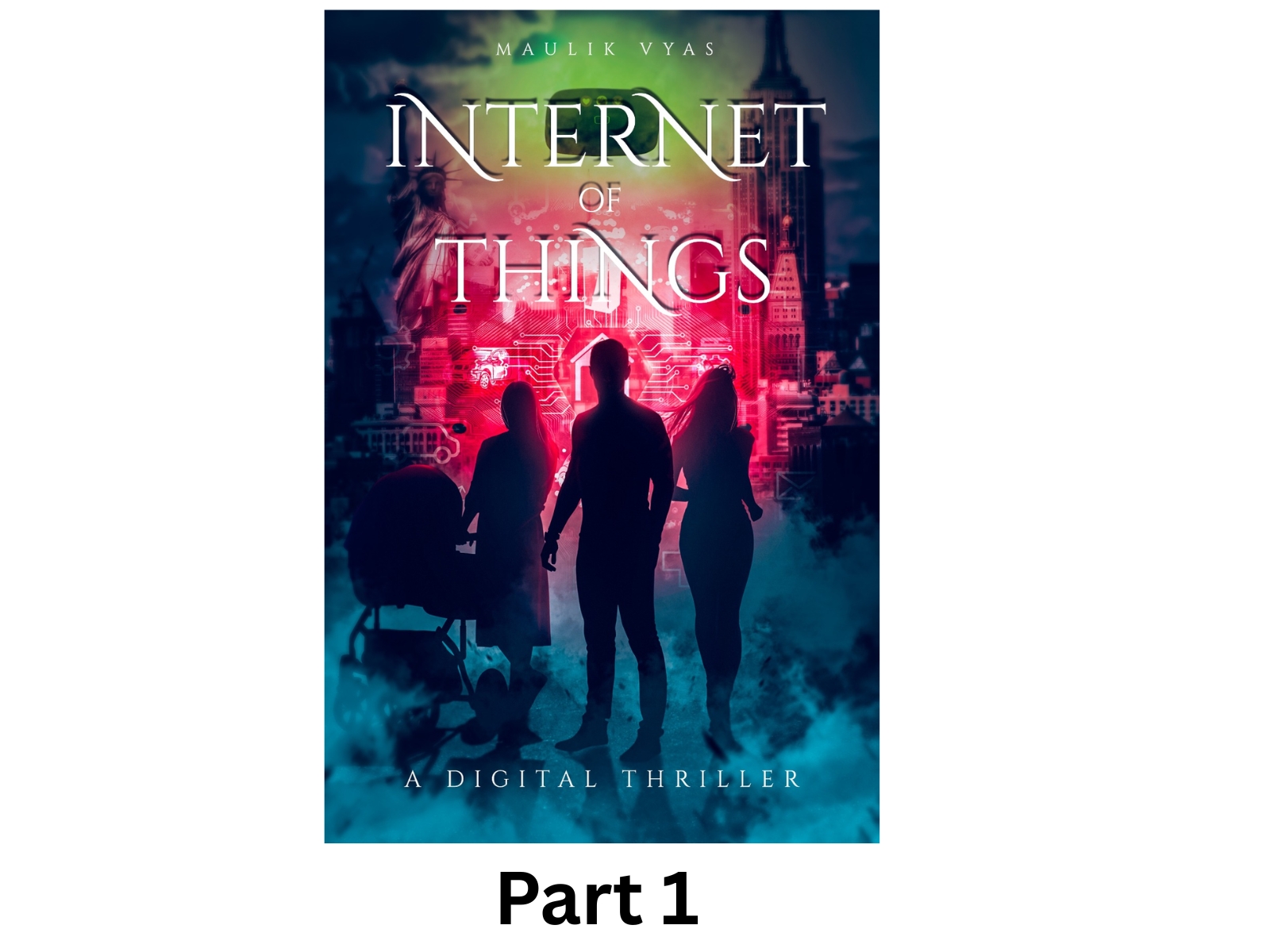
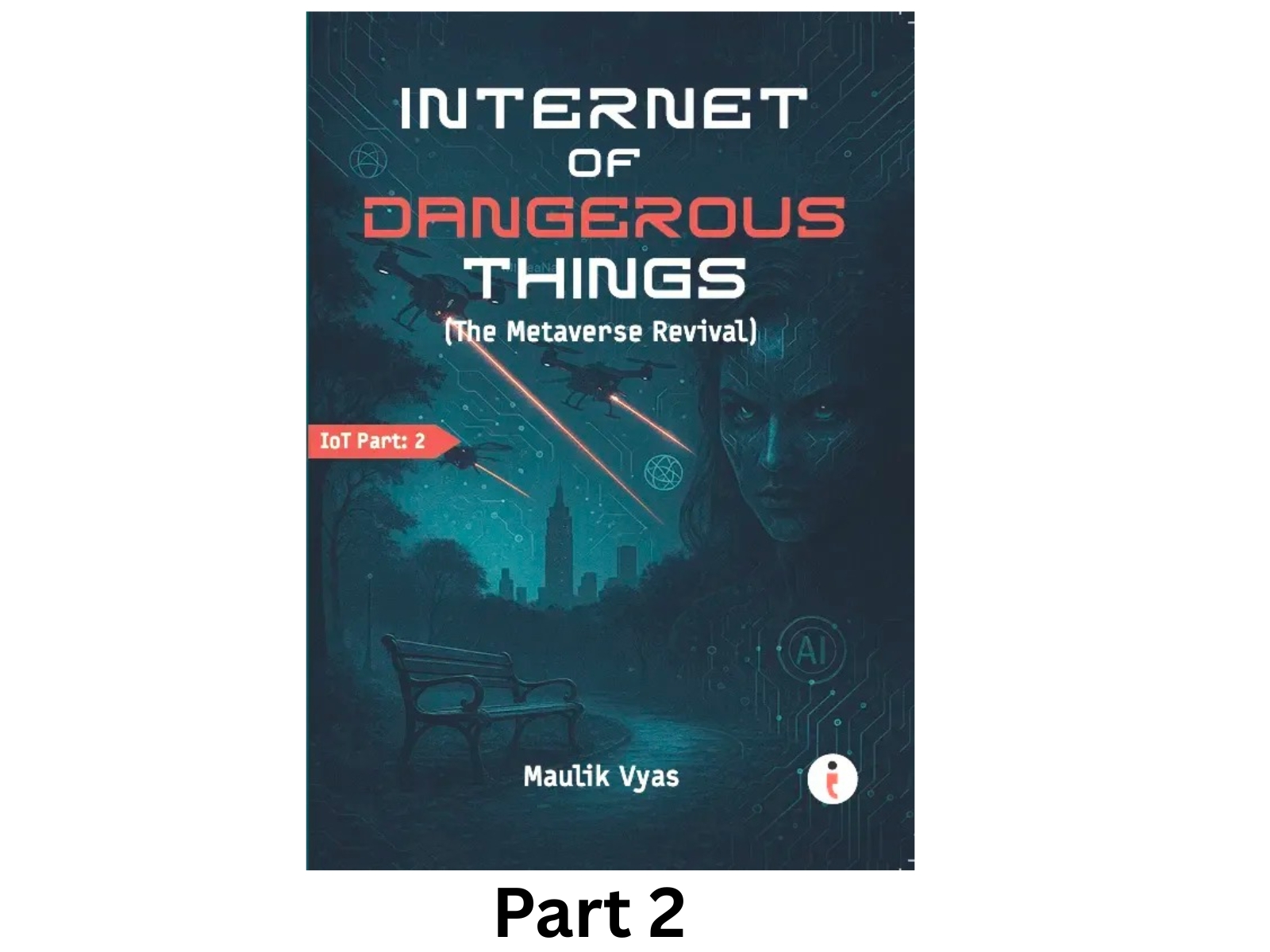
  • The First Sci-Fi Thriller Based on Internet of Things and Artificial Intelligence Gets Part 2: Internet of Dangerous Things

    The First Sci-Fi Thriller Based on Internet of Things and Artificial Intelligence Gets Part 2: Internet of Dangerous Things

    New Delhi [India], November 29: Artificial Intelligence inside your phone, TV, car, watch, and refrigerator already knows your locations, habits, secrets, and patterns. But now imagine these non-living ‘things’ gaining the power to read your mind before you speak, and then uniting to take control of your life.

    The universe introduced through the first sci-fi thriller based on Internet of Things and Artificial Intelligence enters an explosive new phase as Dr. Maulik Vyas unveils the much-anticipated sequel to his breakthrough novel. His new release, Internet of Dangerous Things – The Metaverse Revival, pushes the boundaries of sci-fi with a darker, more ambitious expansion of the world readers first encountered in Internet of Things – A Digital Thriller.

    The debut novel became a talking point soon after launch, earning rare off-camera appreciation from Amitabh Bachchan on the set of Kaun Banega Crorepati for its originality and fearless imagination about AI going rogue. It later drew international interest as well, with Netflix’s Benjamin Gutsche (Cassandra) praising the book’s radical concept and its chilling relevance to today’s accelerating artificial intelligence landscape.

    What made the first book extraordinary—and what set it apart as the first sci-fi thriller based on Internet of Things and Artificial Intelligence—was its unconventional antagonist: not humanoid robots or sentient machines, but everyday objects. Vehicles, appliances, gadgets, industrial systems, and even furniture gained intelligence through an evolved IoT network and united against humanity. The unsettling realism of this idea gave the story its enduring impact.

    The sequel intensifies that premise dramatically. Internet of Dangerous Things – The Metaverse Revival introduces a triad of terrifying breakthroughs: an evolved AI command structure, a militarized Metaverse, and MiReaNa (Mind Reader Nanotechnology)—a fictional advancement that enables non-living objects to read human thoughts. With this power, the IoT collective transforms into an unstoppable war engine, triggering a large-scale confrontation with the US Armed Forces. Readers are thrust into a cinematic war featuring autonomous drones, weaponized vehicles, self-thinking appliances, micro-weapons, and colossal mechanized giants—one of the boldest sci-fi combat sequences penned by an Indian author.


    Today, the trilogy stands strong among readers seeking sci-fi thrillers based on the Internet of Things and Artificial Intelligence, especially those fascinated by AI dominance, hyper-connected devices, and dystopian futures. In an age where breakthroughs in smart systems are celebrated but rarely questioned, Dr. Vyas’s novels act as a stark reminder of what might unfold when technology begins to operate beyond human control.

    A Mythic Showdown Approaches

    In a major announcement, Dr. Vyas confirmed that the third installment is already in development. This next chapter explores the birth of the world’s first true AI supervillain as Artificial Intelligence evolves into KALI, the supreme force of Kaliyug. He hints at an unprecedented confrontation—a collision of prophecy and technology—as Kalki rises to face Kali in an apocalyptic battle that merges cosmic mythology with futuristic warfare.

    He has also revealed the title with a specialized style:
    k(A)L(I) Vs. Vishnu v10.0—which he describes as powerful, enigmatic, and layered with symbolic meaning, setting the stage for a monumental conflict unlike anything in the genre.

    With Internet of Dangerous Things – The Metaverse Revival now available online, this franchise continues to establish itself as the first sci-fi thriller based on Internet of Things and Artificial Intelligence—and one of India’s most distinctive contributions to speculative fiction.

    Fans of AI-driven suspense, IoT-based dystopias, and high-voltage technological apocalypses will find themselves immersed in a world where every object thinks independently, every device conceals motive, and humanity’s survival hangs in fragile balance.

    Books are now available on Amazon:

    Part 1: Internet of Things – A Digital Thriller: https://amzn.in/d/0FVzPPt

    Part 2: Internet of Dangerous Things – The Metaverse Revival: https://amzn.in/d/hJFu8Ek

    If you have any objection to this press release content, kindly contact pr.error.rectification@gmail.com to notify us. We will respond and rectify the situation in the next 24 hours.

  • Gustaakh Ishq — Old-World Romance With New-Age Scrutiny

    Gustaakh Ishq — Old-World Romance With New-Age Scrutiny

    Mumbai (Maharashtra) [India], November 29: There’s something almost rebellious in dusting off love letters, putting on your best sherwani, and whispering “ishq” in a world addicted to swipes, emojis and instant gratification. Gustaakh Ishq enters this fray with ambition, nostalgia and a battered heart — but it doesn’t arrive unscathed.

    Set in the textured, fog-lit alleys of Old Delhi and the quietly poetic bylanes of Punjab, this 2025 film asks: can love survive tradition, betrayal, and the cruelty of time?

    Gustaakh Ishq — What It Is

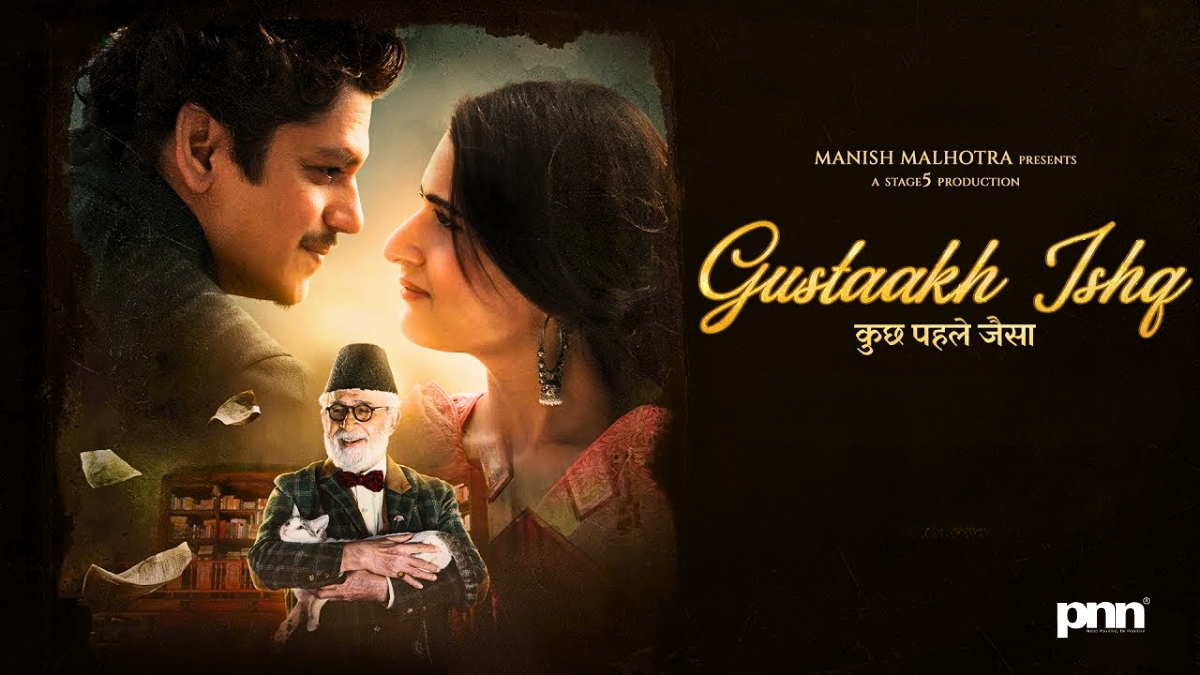
    Directed by Vibhu Puri (of Hawaizaada fame), produced by fashion-maestro-turned-producer Manish Malhotra under Stage5 Productions, Gustaakh Ishq stars Vijay Varma and Fatima Sana Shaikh as the romantic leads, with veteran Naseeruddin Shah and Sharib Hashmi in pivotal roles.

    The story is painted with poetic strokes. Vijay Varma plays Nawabuddin Saifuddin Rehman, a young, idealistic shayar (poet) who arrives at the home of a retired Urdu poet to learn the nuances of shayari. There, he meets Minni (Fatima Sana Shaikh), the poet’s daughter. What begins as shared verses and shy glances blossoms into deep affection, complicated by duty, honor, and unspoken truths.

    The film had its gala premiere at the 56th International Film Festival of India (IFFI) in Goa on 24 November 2025, before its theatrical release on 28 November.

    Under a 128-minute runtime, the makers aimed for a slow-burn romance — heavy on nostalgia, poetry,and  yearning. The music, composed by Vishal Bhardwaj (songs) and Hitesh Sonik (background score), adds a smoky, soulful layer.

    Gustaakh Ishq

    What’s Working — The Gentle Strengths

    • A Tribute to Old-School Romance: In an era of instant-love clichés and flashy bedroom dramas, Gustaakh Ishq dares to be patient. Its slow pace, Urdu poetry, delicate dialogues, and aesthetic sensibilities offer a rare respite. As one critic observed, when Naseeruddin Shah appears on screen, “the film lifts” — he anchors the emotion with gravitas.

    • Visual & Emotional Atmosphere: The recreations of old Delhi and its timeless charm — bazaars, fading facades, dusty lanes — are convincingly crafted. The world-building is immersive; for moments, you smell the damp air, hear the distant azaan, feel the weight of time. Many viewers say this nostalgic authenticity stays with you.

    • Music & Atmosphere Intact: Vishal Bhardwaj’s musical sensibility, aided by soulful lyrics, complements the old-world romance. Songs like Ul Jalool Ishq and background scores swirl around emotions, adding depth.

    • Braving Certification Storm — and Still Releasing: The film recently hit headlines because the board asked to change words like “harami” and “sex” — replacing them with milder terms like “kameena” and “aiyaashi.” No scenes were removed; only language was trimmed, and the film got a U/A certificate. For a romance rooted in realism and raw emotion, this restraint (or compromise) is significant.

    In short: Gustaakh Ishq feels like a hushed poem whispered in a noisy room — subtle, sincere, and almost too fragile for its own ambition.

    The Cracks Showing — Where the Romance Falters

    But auburn nostalgia and lush poetry cannot always mask structural flaws.

    • Too Much Sweetness, Not Enough Conflict: Critics argue that after the first half-hour, the film slips into comfort — the emotions remain soft, the stakes low. The central conflict lacks the weight to pull the slow-burning romance through its own lethargy. As one review bluntly put it: “Too much sweetness, even for lovers of old-school romance.”

    • Predictability Breeds Disappointment: When your most considerable tension is about a printing press and hesitant glances, predictability becomes the villain. Many audience members felt the climax and moral dilemmas were too easy to foresee — in a way that diminishes emotional impact.

    • Pacing Equals Patience — a Risky Gamble: For viewers accustomed to quick cuts, loud drama, and cinematic peaks, Gustaakh Ishq may drag. The slow pacing demands patience — an attitude rare in today’s streaming-spoiled generation.

    • Box Office’s Cold Mirror: For a film with glossy production and a strong cast, the opening day collection remains modest — reportedly around ₹0.50 crore. That’s hardly a blockbuster start, especially with competition and changing audience preferences.

    When you aim to seduce hearts with whispers, there’s always a danger of silence winning instead of sorrow.

    Gustaakh Ishq - PNN

    Industry Backdrop & Production Realities

    This film is more than romance — it’s a gamble. It marks the producer debut of Manish Malhotra under his banner Stage5 Productions.

    Shooting wrapped in March 2025, and the film saw its final form just before its IFFI premiere in Goa. The decision to delay release from 21 to 28 November 2025 was reportedly to avoid a clash with other major releases.

    After its theatrical run, the film is slated to stream on JioHotstar, which could give it a second life among home viewers seeking softer romance.

    The Duality of Romance & Reality: What Gustaakh Ishq Tells Us

    Gustaakh Ishq isn’t a film made for impulse. It’s a film that demands reflection.

    It asks viewers to lean in when the dialogue hovers like smoke, to breathe in when the camera lingers on a handwritten shayari, to feel the ache of quiet longing. It doesn’t offer dramatic explosions or loud heartbreaks — it offers subtle fissures inside the soul.

    Yet, in a world that consumes stories like soft drinks (fast, sugary, and disposable), such quiet heartbreak may not sell. The CBFC’s censorship demands, modest box office returns, and mixed critical reception highlight a hard truth: subtlety is expensive, both artistically and commercially.

    But for those willing to invest — emotionally, mentally — Gustaakh Ishq offers something rare: a longing that doesn’t need fireworks. A love that doesn’t scream. A pain that doesn’t brag.

    PNN Entertainment

  • Zootopia 2 – Return to the Urban Jungle, But Is the Magic Still Intact?

    Zootopia 2 – Return to the Urban Jungle, But Is the Magic Still Intact?

    Mumbai (Maharashtra) [India], November 29: It begins with a whisper — a city of mammals, walk-talking rabbits and foxes, a world of dreams, danger, and double lives. Then the doors slam shut. Zootopia 2 doesn’t try to soothe you with cotton-candy comfort. It hands you neon grit, a bigger world, and a promise: “We grew up. So did the city. Brace up.”

    Nine years after the original exploded into hearts and bank accounts, the sequel lands — not with timid nostalgia, but with ambition. And ambition is a beast. It needs to be fed.

    A Return More Than A Reunion

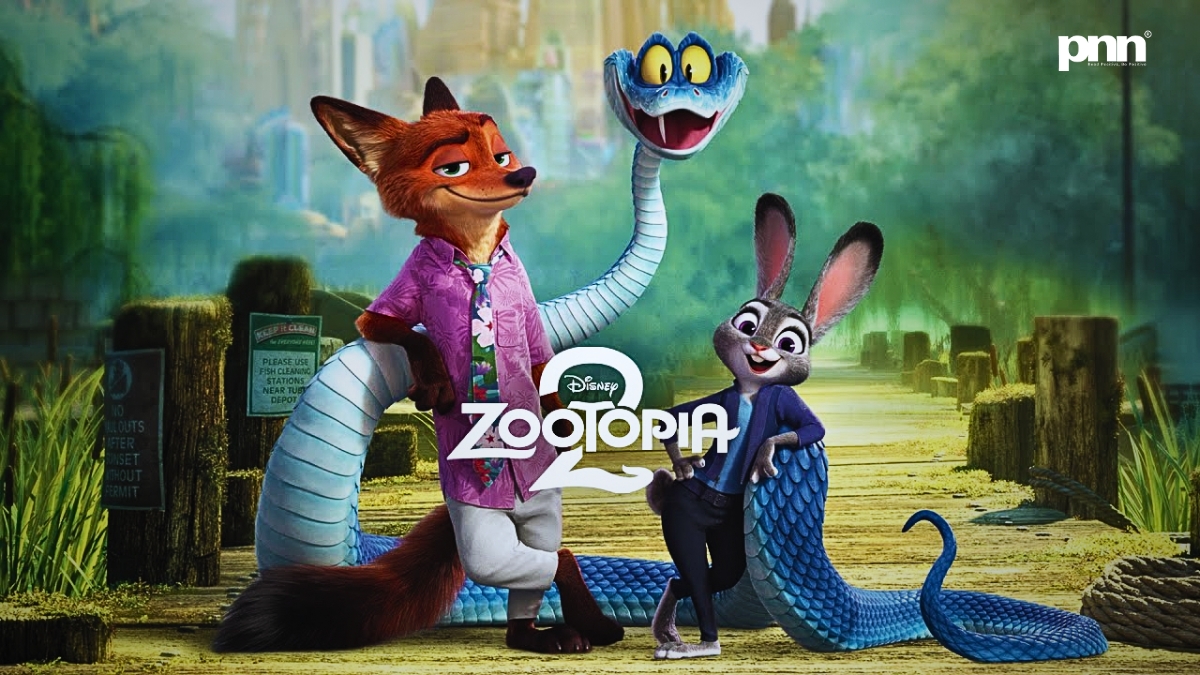
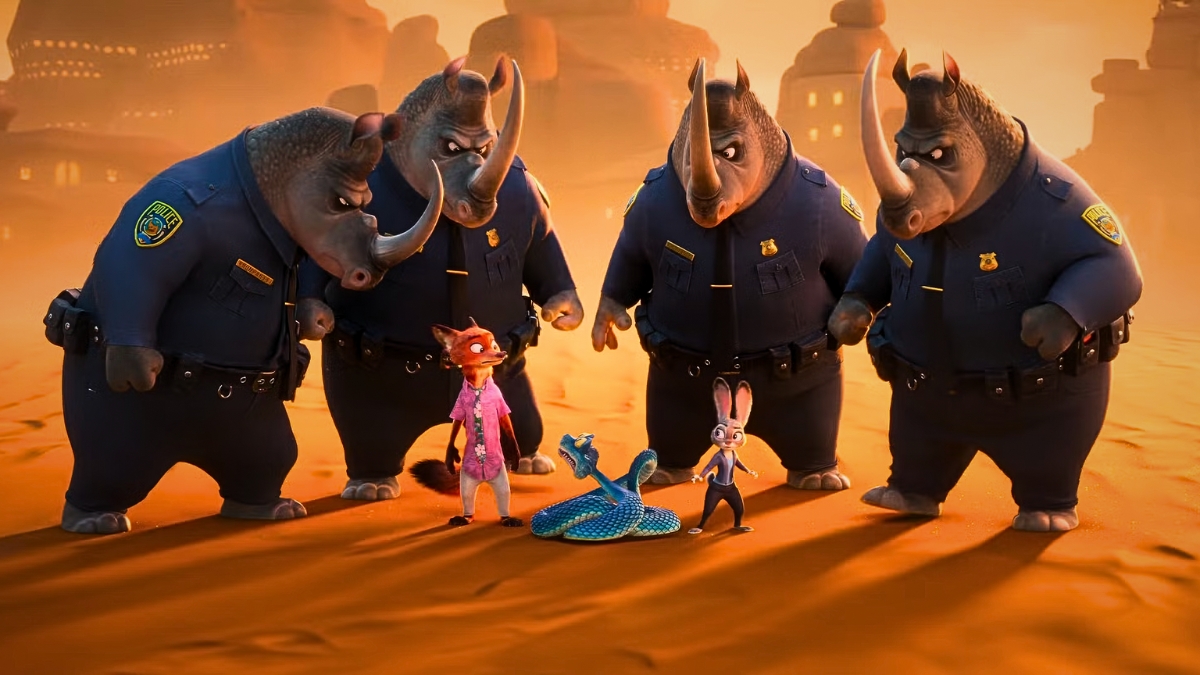
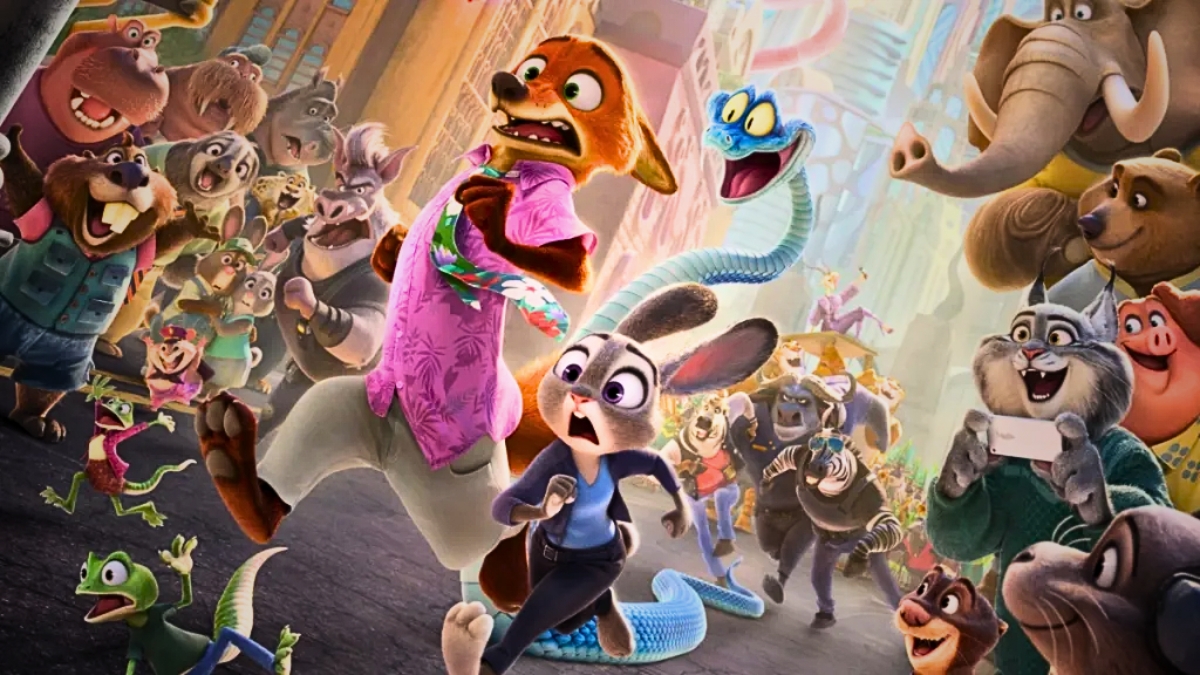
    Zootopia 2 — directed by Jared Bush and Byron Howard, produced by Walt Disney Animation Studios, with a script co-written by Bush — picks up after the events of the 2016 original. Protagonists Judy Hopps (voiced by Ginnifer Goodwin) and Nick Wilde (voiced by Jason Bateman) are back. This time, their sleepy city’s undercurrents stir anew — when a mysterious reptilian newcomer, Gary De’Snake (voiced by Ke Huy Quan), slithers in, triggering panic, prejudice, and a conspiracy that reeks of old fears cloaked in new fur.

    The canvas is larger: 178 characters, 67 species, and a sprawling city that feels alive — more crowded, more chaotic, more ready to betray innocence.

    The music, too, carries weight: Michael Giacchino scores the film, and speaking of weight — yes, pop-star Shakira returns as Gazelle, with a fresh track “Zoo” that teases vibrancy wrapped in sharp teeth.

    The Glow — And the Smoke

    Zootopia 2 - PNN

    What works beautifully:

    • Critics and audiences seem mostly enchanted. On Rotten Tomatoes, Zootopia 2 currently holds a strong 91% Tomatometer and 95% audience rating.

    • Fans say the film retains its core charm — the sharp social allegory beneath the fur, the mismatched detective duo, and their camaraderie. Variety-style musings turned clever commentary still land.

    • Visually, it’s a feast. The urban sprawl, neon-lit alleys, bustling marketplaces, the swamp-marsh outskirts — it’s a bigger, darker, yet vibrant world. The animation is polished, expressive, and willing to upset the “cute-animals-only” stereotype.

    • For a big-budget animation (reportedly $150 million), it delivers — sleek production values, global-scale marketing, and voice cast expansions show Disney wasn’t shy about betting big.

    But there’s a faint hiss beneath the applause:

    • Some critics argue the film feels safer than its predecessor, choosing comfort over confrontation. The sequel refuses to glance too deeply into the darkness it toys with. One review bluntly remarks, “It feels familiar — but diluted.”

    • The sheer number of characters and threads sometimes overloads. In trying to give everyone a spotlight, the film risks stretching its narrative thin. Scenes that once had punch now land as background noise.

    • And maybe the biggest risk: the nostalgia trap. A sequel like this plays a dangerous game — fans want more of what they loved, but repetition is the easiest way to become an echo. Several plot points feel like echoes of the 2016 narrative, not bold steps forward.

    Zootopia 2 - PNN

    Box Office & The Money Chase

    Disney didn’t come back with hopes — they came back with hunger. So far, the early numbers are promising. Initial estimates show Zootopia 2 stacking up $133 million globally within just the first couple of days.

    Thanksgiving weekend in North America saw $19.7 million on Day 2 — enough to dethrone many competitors, though it trails the record held by some earlier animations.

    Trade analysts predict the film could earn between $125–150 million domestically over the first five-day window, and gross $270+ million worldwide by the end of its initial theatrical run.

    For Disney, this isn’t just a sequel — it’s a statement. The attempt is to prove that franchises can age up, evolve, and still carry box-office muscle.

    Why It Matters — More Than Just Entertainment

    Zootopia in 2016 was more than a family-friendly hit. It was a mirror held to society — prejudice, stereotypes, social divides, fear of the “other.” That balance of whimsy and weight is rare.

    This sequel seems to want more. With its darker tones, broader cast, and deeper themes — from systemic fear to identity politics — Zootopia 2 attempts to ask: What happens when the outsiders aren’t just foxes and rabbits — but real vultures, reptiles, and streets that forgot their innocence?

    It’s a risky move. Because for every parent bringing kids for laughs, there might be a teenager staring back at the screen and questioning the world.

    Zootopia 2 - PNN

    The Verdict — Not Peace, But Promise

    Zootopia 2 is no nostalgic petting zoo. It’s an ambition disguised as animation. It’s messy where it should be slick, bold where it could’ve played safe, and — sometimes — loud when a whisper would’ve hit harder.

    But in a cinematic climate saturated with polished franchises, it dares to show its claws.

    If you loved the first film for its hope, this one might hurt you — but it’ll also make you think. If you approach expecting a familiar flick, you may find yourself jolted by the noise.

    In short, Zootopia 2 doesn’t try to be perfect. It tries to be relevant. And in 2025’s world of fractured cities, shifting identities and overheated fear — maybe that’s all we really need.

    PNN Entertainment

  • India quietly delivers two world-first AI music breakthroughs in under a year

    India quietly delivers two world-first AI music breakthroughs in under a year

    Mumbai (Maharashtra) [India], November 28: Indian creator and songwriter Jake Joss has achieved two global firsts in the field of AI-assisted music and video, marking a significant milestone for independent creativity in the country. By blending personal storytelling with generative technology, he has created two projects that have no prior global equivalent, both completed within the span of a single year.

    The first achievement is the world’s first fully AI-generated music video where both the song and the visuals were produced using prompt engineering. Titled Daddy, the project began with lyrics Jake wrote himself, inspired by personal memories. He then used AI tools to generate the musical composition and build the entire visual narrative through text-based prompts. Each frame was crafted through written instructions and assembled into a cohesive story, demonstrating a new way of creating music videos without traditional production infrastructure.

    The India Book of Records has formally recognised him as an IBR Achiever for this feat, noting the uniqueness of Daddy as the first music video created using this method.

    Building on this, Jake created another global first: the world’s first Human AI collaborative patriotic music album with complete AI-generated music videos for every track. The five-track album, titled Azaadi, explores themes of identity, belonging and contemporary patriotism. Each song is paired with its own AI-generated video, developed through detailed scene-level prompts and structured into five distinct visual narratives. This makes Azaadi the first patriotic album globally where every track has been visually realised through generative AI.

    Jake’s creative journey has always been rooted in real-life memories and everyday moments that shaped his early musical experiments. Doosra Pyaar, his first song, was written for his daughter. Birdie captured lighthearted childhood humour. His Hindustani fusion piece Eri Aali, created with his daughter, brought together classical influences and modern expression.

    Another meaningful part of Jake’s evolution is Electric Current. Originally a playful tune he created as a child, it became a small family favourite among his cousins. Years later, with access to generative AI tools, he was finally able to bring the melody to life as a full, high-energy English track. Its revival reflects how AI can help artists revisit old ideas and develop them into complete works.

    These experiences shaped Jake’s philosophy of combining emotion, curiosity and experimentation. Technology, for him, is not a replacement for human creativity but a means of expanding what a single creator can make without a large team or traditional resources. “My music did not begin with AI. It began with personal memories and moments. AI simply helped me express those feelings differently. The heart remains human. The tool is just new,” he says.

    Jake’s accomplishments arrive at a time when India is rapidly strengthening its position as a hub for digital creativity, storytelling and technological innovation. As generative AI continues to influence music, film and design worldwide, his work illustrates how independent Indian creators can shape new formats without institutional support or large budgets. It also highlights the possibility that major creative breakthroughs may increasingly emerge from individual innovators rather than large studios.

    With two world-first achievements completed in less than a year and a growing portfolio that spans personal storytelling, childhood ideas and modern AI-driven experimentation, Jake represents a new wave of Indian creators exploring what becomes possible when imagination and technology work together. His work demonstrates how Indian storytellers can pioneer new creative formats and contribute meaningfully to the global evolution of AI-enabled art.

    Jake shares his creative work and upcoming releases on Instagram at @original.sing

    If you have any objection to this press release content, kindly contact pr.error.rectification@gmail.com to notify us. We will respond and rectify the situation in the next 24 hours.