Tag: entertainment

  • ‘Regretting You’: A 2025 Colleen Hoover Adaptation | A Beautiful Mess of Emotion and Execution

    ‘Regretting You’: A 2025 Colleen Hoover Adaptation | A Beautiful Mess of Emotion and Execution

    Mumbai (Maharashtra) [India], October 25: Hollywood has a long-standing obsession — turning bestselling novels into cinematic sensations. Sometimes it works (The Fault in Our Stars), sometimes it falls flat (After We Collided). Somewhere in between lands, Regretting You — the much-anticipated adaptation of Colleen Hoover’s novel that promised tears, tension, and tenderness… and delivered about two-thirds of that.

    With Allison Williams leading the cast and Hoover’s diehard fandom ensuring early buzz, the film entered theatres with expectations higher than its emotional payoff. It’s not a disaster — just that rare film that’s beautiful to look at, but occasionally hollow at its core.

    The Story: When Love, Loss, and Teen Rebellion Collide

    At its heart, Regretting You is a story about a mother and daughter — grief-stricken, misunderstood, and connected by secrets that could break them apart.
    Allison Williams plays Morgan, a mother trying to hold her world together after the death of her husband. Her teenage daughter, Clara, is dealing with her own storm — first love, betrayal, and the burden of living up to expectations she never asked for.

    It’s a slow-burning domestic drama sprinkled with young love and midlife heartbreak. Hoover’s novel thrived on emotional intimacy; the film tries, sometimes too hard, to mirror that same tenderness. The result? A narrative that occasionally feels too polished for its own good.

    Regretting

    What Works — and What Doesn’t

    Here’s a quick snapshot of how the film is faring critically and commercially:

    Category Highlights
    Lead Performances Allison Williams shines with restraint, grounding the chaos. Clara’s portrayal (played by a fresh-faced newcomer) feels raw and genuine.
    Direction Emotionally careful but visually stunning — occasionally over-reliant on melancholic silence.
    Cinematography Exceptional framing; the suburban melancholy feels painterly.
    Screenplay Faithful to the novel, but sometimes too linear and emotionally sanitised.
    Music Subtle, almost invisible. Works in emotional peaks but lacks memorability.
    Box Office (Week 1) ~$6.8 million domestic; $10.4 million worldwide (approximate early estimates).
    Budget Estimated $15–18 million (production + marketing).
    Verdict (so far) Aesthetic success; emotional inconsistency keeps it from greatness.

    Critical Reception: A Mixed Bag of Applause and Eye-Rolls

    The reviews read like an emotional seesaw.

    • The Hindu called it “a beautifully vacant adaptation” — praising the craft but questioning the soul.

    • Hollywood Reporter described it as “earnest and elegant, though it drifts into melodrama.”

    • Hindustan Times went a little sharper, saying the film “tries to make you cry but barely makes you care.”

    • Meanwhile, BoxOfficePro optimistically noted that the movie “brings romance back to the big screen in a refreshingly grounded way.”

    In short, critics admire the film’s sincerity but can’t help wishing it had more bite.

    Regretting

    The Heart vs. The Hype

    Let’s be fair — Regretting You is not devoid of heart. There are moments of quiet brilliance:
    a mother reading her late husband’s old letters, a daughter confronting the ghosts of her childhood, and the awkward beauty of forgiveness that doesn’t come easy.

    Williams’ restrained performance anchors the film. She doesn’t overplay grief; she lets it simmer. The chemistry between the leads feels authentic, even when the screenplay stumbles. The director (whose minimalist style recalls indie dramas more than mainstream romance) treats silence as dialogue — though at times, the silence stretches too long.

    But the problem isn’t in the acting — it’s in the emotional architecture. The film builds tension but doesn’t always know where to release it. By the third act, you realise you’ve been waiting for a crescendo that never quite arrives.

    Regretting

    Box Office & Buzz: Modest but Promising

    Despite its critical split, Regretting You opened decently in the U.S. and select international markets. According to BoxOfficePro, early weekend collections hovered around $6.8 million domestic and $10.4 million worldwide, a respectable start for a mid-budget drama in a superhero-saturated landscape.

    The film reportedly spent around $15–18 million on production and marketing — largely justified by the visual quality, strong soundtrack rights, and location shoots. While it may not be an instant blockbuster, steady word-of-mouth from Colleen Hoover fans (and their book-club circles) could give it a longer theatrical shelf life than expected.

    Online, Hoover’s fandom has been doing much of the heavy lifting. Twitter (or X, if you insist) is full of teary emojis, character debates, and “book vs. movie” wars. Instagram reels, quoting the film’s more sentimental dialogues, have racked up millions of views — proof that, in the world of modern PR, emotional relatability often trumps critical acclaim.

    Regretting

    The Cinematic Aesthetic: Pretty Pain

    The film is visually gorgeous. Think honey-toned sunsets, coffee-stained letters, and slow pans over rain-soaked driveways. The cinematography is clearly designed to romanticise grief — every tear seems backlit by golden light.
    It’s almost too pretty at times, as if heartbreak needs to pass through a filter before it’s palatable.

    But therein lies the irony: in trying to look beautiful, Regretting You sometimes forgets to feel real. You might find yourself admiring the color grading more than the characters’ choices.

    The PR Spin: Love, Loss, and “Healing Cinema”

    From a marketing perspective, this film is a dream — it’s emotional, book-based, and tailor-made for digital nostalgia. The campaign’s tagline, “Every love has its regret,” has done wonders online. Influencers and book reviewers have spun it into a motivational mantra, inadvertently giving the movie a second wind after its lukewarm critical debut.

    Allison Williams, in interviews, has championed the film as “a reflection of forgiveness and emotional honesty.” It’s a smart move — the kind of PR framing that transforms a middling romantic drama into a healing narrative in the public eye.

    Final Verdict: Regret? Maybe. Worth a Watch? Definitely.

    Regretting You is like that bittersweet cup of coffee you didn’t plan to love but finished anyway. It’s not perfect — in fact, it’s deeply flawed — but it’s also warm, sincere, and visually soothing.
    Yes, it plays it safe. Yes, it drifts. But in an era of formulaic reboots and VFX explosions, there’s something comforting about a film that chooses quiet contemplation over chaos.

    If you’re a Colleen Hoover loyalist, you’ll find enough to defend passionately.
    If you’re a critic, you’ll find plenty to dissect.
    If you’re somewhere in between: you might just walk out a little nostalgic… and a little forgiving.
    PNN Entertainment

  • Chaniya Toli: The 2025 Gujarati Heist Comedy Strikes Gold — But Can It Hold On?

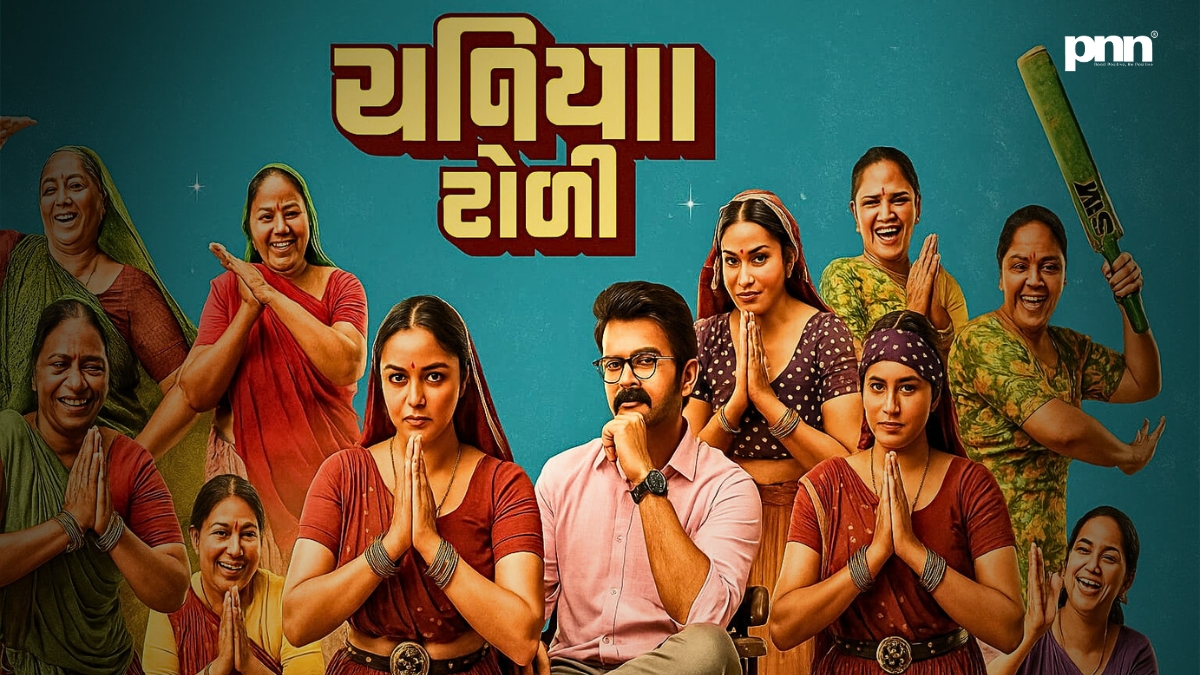
    Chaniya Toli: The 2025 Gujarati Heist Comedy Strikes Gold — But Can It Hold On?

    Mumbai (Maharashtra) [India], October 25: There’s never a dull moment in the world of regional cinema, and Chaniya Toli is living proof of that. The Yash Soni-led Gujarati film has burst onto screens with a spirited blend of rural comedy, social commentary, and a heist plot that feels both familiar and fresh. But while the early box-office fireworks are real, there are hints it might be more of a flash in the pan than a steady blaze.

    A Record-Breaking Opening (and a Rocky Road Thereafter)

    Chaniya Toli opened on 21 October 2025 and immediately turned heads — with an estimated ₹ 1.20 cr net on day one, according to Sacnilk. The reception was surprisingly strong for a Tuesday, with overall Gujarati occupancy reaching 41.79% across major centres like Ahmedabad, Surat, and Gandhinagar.

    In fact, the makers later claimed the first-day collection was even higher — around ₹ 1.41 crore, which would make it the highest ever opening day for a Gujarati film, surpassing the previous record held by Fakt Mahilao Maate. Whether 1.2 cr or 1.41 cr, the buzz was unmistakable.

    Over the next few days, the film continued to draw audiences, but with a typical weekday-to-weekend fluctuation. On Day 2, Sacnilk reported ~₹ 1.14 cr net. On Day 3, it edged upward again to ₹ 1.35 cr net, bringing the three-day total to ₹ 3.85 cr. Then came Day 4, where trade-estimates (from sources like Tenvow) suggest a gross of around ₹ 1.60 cr for that day — pointing to strong evening/morning traction, though data remains a little murky.

    But then Day 5 was… well, anticlimactic. Sacnilk data puts it at just ₹ 0.01 cr in India net.  That’s not a typo — if these early estimates hold, it would indicate a steep drop-off from the early momentum. After five days, the total net stands around ₹ 4.79 crore.

    Chaniya

    What’s Chaniya Toli Even About?

    The film is directed by Jay Bodas and Parth Trivedi, and produced under the banner of Anand Pandit Motion Pictures and Jannock Films.  It stars Yash Soni, Netri Trivedi, Chetan Daiya, Heena Varde, Ragi Jani, Maulik Nayak, and others, in a deceptively simple yet clever narrative.

    Set in a drought-stricken Gujarati village, the story centers around the Jan Seva Sahkari Bank — a cooperative bank that has become a symbol of exploitation and debt for the villagers. Yash Soni plays a schoolteacher who, ostensibly to “help” the village, hatches a plan: a heist. But here’s the twist — the men of the village refuse to risk their necks, so seven women step up to pull off the robbery. Then things get messy: a politician, a TV reporter, and local power dynamics intervene, turning the simple plan into a complex, humor-laden rollercoaster.

    The rural milieu is captured beautifully — the movie was shot in Sunav village near Anand, Gujarat, and the rustic setting adds a grounded charm to a rather surreal caper. Netri Trivedi’s portrayal of a squint-eyed woman is particularly noteworthy; she reportedly maintained that look throughout shooting, a testament to her commitment.

    Chaniya

    Critical Response: Laughs Abound (But Don’t Think Too Deep)

    DeshGujarat’s review summed it up succinctly: “Laugh first, think later.” As a one-time watch, it lands more often than not — delivering half a dozen laugh-out-loud moments, thanks to its spirited ensemble and playful writing. The pacing, however, isn’t always smooth. According to the review, the second half drags at times, and some plot turns feel a little convenient.

    Still, the tone works: it doesn’t take itself too seriously, and that’s perhaps its greatest strength. Between the banter, the heist, and the inevitable social commentary, Chaniya Toli feels like a warm, cheeky hug — not a heavyweight drama. But if you’re looking for logical perfection or intensely realistic stakes, you might find the film wanting.

    Chaniya

    The Business of It: Success With Caveats

    From a PR standpoint, the producers have a lot to celebrate. According to Filmibeat, Anand Pandit is ecstatic, calling the strong opening “proof that good content always wins, no matter the competition or scale.”  And there’s history to back that up — this is not Pandit’s first successful Gujarati film, and his collaboration with Vaishal Shah clearly continues to pay off.

    But the steep drop on Day 5 can’t be brushed under the carpet. A ₹ 0.01 cr showing (if accurate) reveals two possible truths: either the film’s appeal is heavily front-loaded, or the word-of-mouth is already plateauing. Unless there’s a resurgence (weekend bumps, repeat audiences, or expansion into wider markets), the “smash record” narrative may turn out to be more PR bravado than a sustained run.

    There’s also no reliable, publicly disclosed budget figure, which makes it harder to assess how profitable the film might really be. Sacnilk’s box-office data notes that their estimates are approximate, and they explicitly disavow making authenticity claims. That caveat is worth remembering for anyone hyping this as a runaway hit.

    The Lighter Side — And the Lessons

    • Positives: Chaniya Toli brings freshness to Gujarati cinema — a female-led heist in a village setting, strong local flavor, and a balance of comedy and social themes. Yash Soni’s unpretentious performance and Netri Trivedi’s dedication add credibility, while the direction and writing allow the film to be fun without feeling frivolous. Early box-office numbers back up the love — the opening day alone suggests many Gujarati moviegoers are hungry for this kind of content.

    • But… there’s a risk. The plummet on Day 5 signals fragility. Sustaining momentum will require more than just the initial buzz; it will demand repeat business, perhaps deeper emotional resonance, or expansion beyond the core Gujarati audience. The lack of publicly disclosed financials (budget, break-even point) makes it tricky to call this a “blockbuster” concretely.

    In a Nutshell

    Chaniya Toli is a bold, cheeky attempt to do something different in Gujarati cinema — a rustic heist comedy with a satirical edge. It’s not flawless, but its heart is in the right place, and for many, that’s enough. The early box-office surge is promising, but unless the film manages to hang on beyond its initial rush, its legacy may be more about “what could have been” than “what was.”

    If you’re looking for a fun, light-hearted outing with a local flavor and a dose of social satire, Chaniya Toli is worth your ticket. But don’t mistake it for a heavyweight crowd-puller — its long-term fate is still very much up in the air.

    PNN Entertainment

  • Breaking the Silence: Me No Pause Me Play Brings Menopause to the Big Screen for the First Time as Hindi Film in India

    Breaking the Silence: Me No Pause Me Play Brings Menopause to the Big Screen for the First Time as Hindi Film in India

    New Delhi [India], October 24: Digifilming and Mirrro Films unveiled the first poster of Me No Pause Me Play, India’s first feature film to explore menopause, signalling a groundbreaking step in both cinema and social awareness. The film aims to break the silence around a subject that remains largely taboo, shining a light on women’s health, emotions, and identity during this natural phase of life.

    • India’s first Hindi Feature film on menopause – breaking the silence on a long-ignored stage of womanhood.
    • Starring Kamya Punjabi, Deepshikha Nagpal, Manoj Kumar Sharma & Sudha Chandran – portraying real women’s courage and resilience.
    • Adapted from Manoj Kumar Sharma’s acclaimed book – set to release on November 28, 2025.

    Adapted from the acclaimed book by Manoj Kumar Sharma, who also serves as writer and producer, the film portrays authentic experiences of women navigating menopause. It tells a heartfelt story of courage, vulnerability, and self-discovery, bringing conversations about hormonal changes, mental well-being, and societal perceptions to mainstream audiences.

    Director Samar K Mukherjee emphasized the film’s social significance, saying, “Our society celebrates youth but stays silent about maturity. Through this film, we want to change that — to help people see menopause not as an ending, but as a powerful new beginning.”

    Leading the cast, Kamya Punjabi shared her thoughts on the film’s mission: “Every woman will see a part of herself in this story. It’s emotional, it’s real, and it’s time we start speaking about it with pride instead of shame.” The ensemble also features Deepshikha Nagpal, Manoj Kumar Sharma, Sudha Chandran, Amiee Misobbah, and Aman Verma, portraying diverse perspectives of womanhood and the journey of self-acceptance.

    With a screenplay and dialogues by Shakeel Qureshi and Manoj Kumar Sharma, and cinematography by Akram Khan, the film seamlessly blends art with advocacy, aiming to educate and inspire audiences. By presenting menopause through the lens of cinema, Me No Pause Me Play challenges cultural taboos, urging society to recognize and respect this natural stage of life.

    Set to release on November 28, 2025, the film seeks not only to entertain but to foster empathy, understanding, and open dialogue about a subject long ignored. Me No Pause Me Play is more than a film — it is a call to acknowledge the strength, resilience, and dignity of women at every stage of life.

    If you have any objection to this press release content, kindly contact pr.error.rectification@gmail.com to notify us. We will respond and rectify the situation in the next 24 hours.

  • Blanckanvas Media Lights Up the City with a Dazzling Diwali Celebration

    Blanckanvas Media Lights Up the City with a Dazzling Diwali Celebration

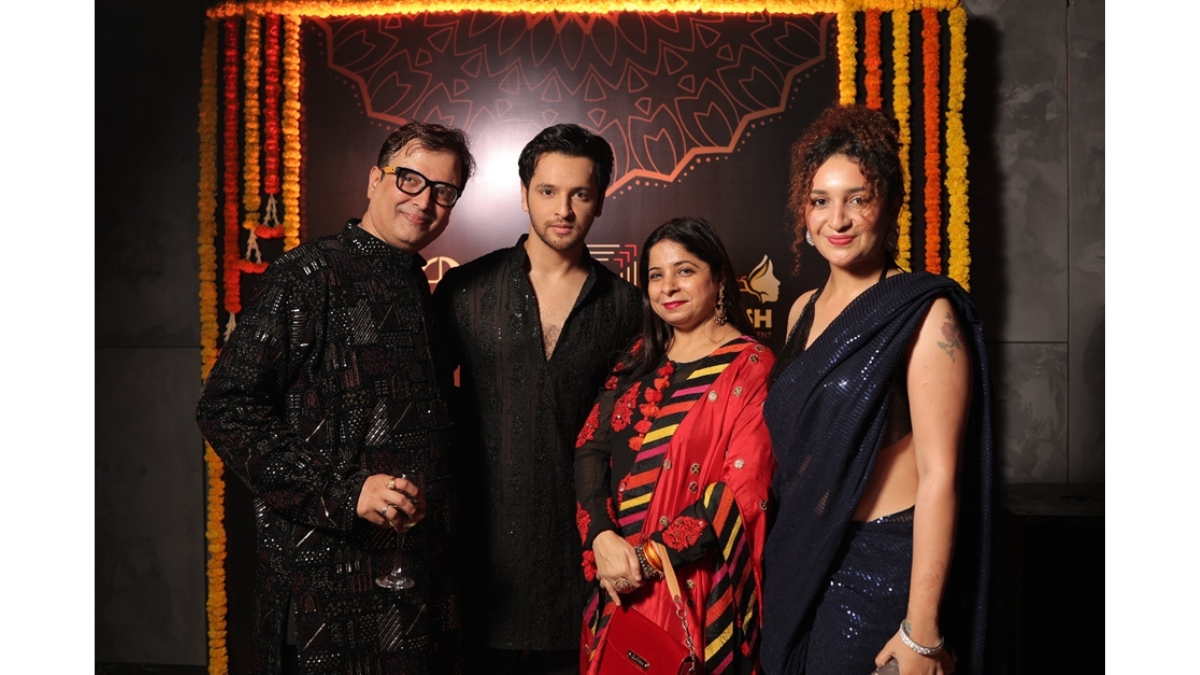
    Mumbai (Maharashtra) [India], October 23: The festive season reached a new peak of glamour as Blanckanvas Media hosted a spectacular Diwali celebration that doubled as the official kick-off party for the upcoming reality show, OMG Face of the Year Season 3.

    Attended by a distinguished mix of leading names and brands from the entertainment and lifestyle sectors, the night’s highlight was the official reveal of the teaser for OMG Face of the Year Season 3, which is set to premiere soon on Hungama.

    The event was held in association with Midnight Mirage, the official Venue Partner, alongside hosts Mr Kalyan Soni and Ansh Entertainment. The gathering attracted a distinguished crowd of prominent personalities like Bollywood actress Poonam Pandey, premier fashion designers Rohit Verma, Ken Ferns, actors Shivam Kajuria, Ishita Raj, Pushkar Jog and celebrity stylist Rehan Shah, celebrity photographer Amit Khanna, actress model Karishma Modi, ex-Mr. India Prateek Jain, Pankaj Kharbanda, promoter of Rubaru Mr India, and writer Bhavna Vyas, as well as brand representatives, and industry insiders.

    Blanckanvas

    The celebration was significantly elevated by an exceptional lineup of collaborating beverage brands, each adding their signature flair: Nisaki – India’s fist colour changing spirit, represented by Sanchit Agarwal and Nidhi Kedia; Frizzano, along with Luca Bernardini; Carlsberg Packaged Drinking Water, represented by Bharat Thakur; Mr. Lal Rangwani from ADS Group, and Jimmy’s Cocktails, led by Mr. Sanny Yadav kept the evening refreshed. Rounding off the lineup was Smoke Lab Water, represented by Mr Nitin Chaturvedi, serving crafted hydration to complement the festivities.

    The event perfectly encapsulated the core ethos of Blanckanvas Media: fostering creativity, connection, and impactful celebrations.

    “As a media company, our goal has always been to curate experiences where brands can shine, collaborate, and celebrate together,” said Parimal Mehhta, Founder of Blanckanvas Media. “This Diwali celebration was a powerful reflection of that ethos—an evening brimming with inspiration, energy, and the joy of coming together as partners.”

    If you have any objection to this press release content, kindly contact pr.error.rectification@gmail.com to notify us. We will respond and rectify the situation in the next 24 hours.

  • ‘Ek Deewane Ki Deewaniyat’ – Love, Obsession … and a Dash of Censorship Drama

    ‘Ek Deewane Ki Deewaniyat’ – Love, Obsession … and a Dash of Censorship Drama

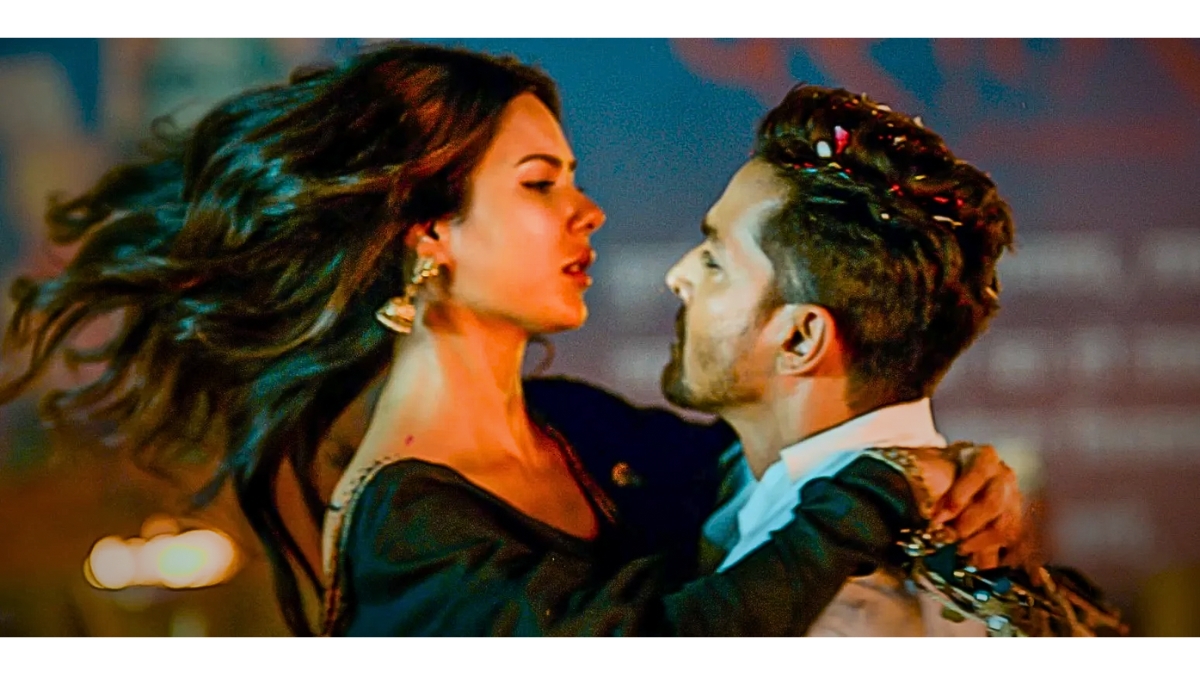
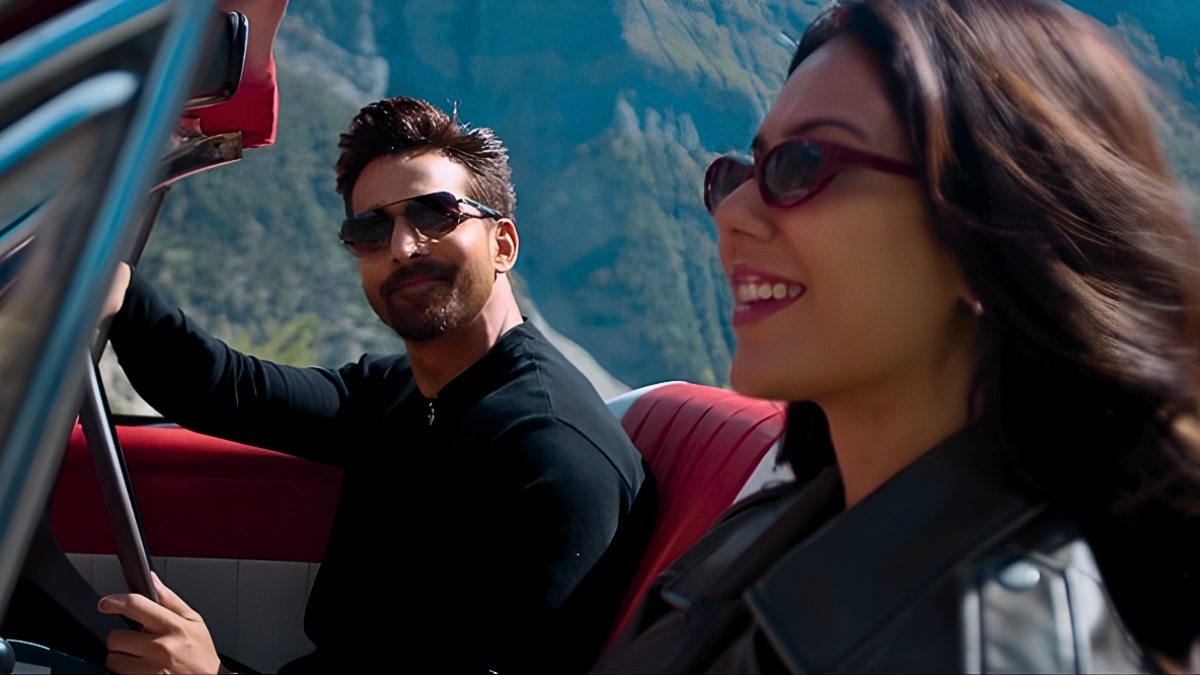
    Mumbai (Maharashtra) [India], October 17: In the glitzy pre-Diwali race to captivate audiences, the forthcoming film Ek Deewane Ki Deewaniyat arrives with a heady mix of high emotion, big musings on love and obsession, and — ironically — a run into bureaucratic hurdles. On paper, the film appears to tick many boxes: a leading man in Harshvardhan Rane, a rising actress in Sonam Bajwa, a director with a flair for drama in Milap Zaveri, and ambitious marketing that screams “epic love story”. Yet behind the promotional sheen lies a more complex narrative: one of creative ambition meeting regulatory constraint, of emotional intensity courting mass-market uncertainty.

    The Movie: What to Expect

    Ek Deewane Ki Deewaniyat is billed as a romantic drama that explores the slippery slope from adoration to obsession. According to the film listings, “Love. Obsession. Heartbreak…” are the tags attached. The teaser, released via media outlets, hammers the themes home: “PYAR, DUKH aur NAFRAT” (love, pain and hate).

    Harshvardhan Rane plays Vikramaditya while Sonam Bajwa plays Adaa Randhawa (as per the Wikipedia listing). Beyond that, the ensemble includes Shaad Randhawa, among others. The runtime clocks in around 141 minutes.

    Production details reveal that the film is directed and co-written by Milap Zaveri, with Mushtaq Sheikh as a contributing writer. From press coverage, we know that Harshvardhan broke down during a dubbing session, indicating the film’s emotional intensity is more than just marketing.

    The release date is set for 21 October 2025, coinciding with Diwali – a slot that signals confidence but also invites heavy competition.

    Deewane

    The Regulatory Side-Story

    Here’s where our narrative pivots from “just another love drama” to “love drama meets censorship limbo”. The film recently received its certificate from the Central Board of Film Certification (CBFC) — but not without key modifications. According to multiple sources, the CBFC required the replacement of certain dialogues referring to the Ramayana and adjustments to character names — for example, the villain originally “Ravan” was changed to “Maal”.  (Note: Inaccuracies may exist in sources, but the overview is clear.)

    Media reports state that scenes and dialogues referencing mythological characters or religious texts were removed or altered. The news outlets framed this as the CBFC “chopping” certain content to accord with certification norms.

    In short, the film did not sail smoothly into theaters — creative vision clashed with regulatory sensitivities, and the makers had to make edits. For a film that markets itself as raw and daring, this regulatory tangle adds a curious wrinkle.

    The Positive Vibes (with PR-style flourish)

    • High emotional stakes: With the lead actor visibly moved during dubbing, one senses the filmmakers are committed to delivering more than superficial romance. The promo suggests a tearful journey from love to pain. This could resonate with audiences looking for something deeper than a typical “boy meets girl” narrative.

    • Strong marketing moment: The teaser created buzz, the lead cast looks in the poster and digital materials are dramatic, and the Diwali release slot gives it premium positioning. The first look poster (released August 21) already triggered social discussion about the film’s potential and its clash with other major releases.

    • Growing audience interest: On BookMyShow, the film has over 126K people marked “Interested” ahead of release. This kind of pre-booking interest is encouraging, signalling that audiences are at least curious.

    • Creative ambition: Director Milap Zaveri is not playing it safe — the thematic scope is big (“obsession, heartbreak, love”) and the marketing says so. For those craving a dramatic ride, this might be exactly what they seek.

    Deewane

    The Caveats (a little salt to the PR sugar)

    • Censorship cuts may raise questions: The fact that the CBFC required changes to dialogues referencing epic mythology suggests the film perhaps strayed into territory that invited regulatory attention. From a viewer’s standpoint, some narrative pieces may feel missing — if scenes had to be excised or altered post-production, that can affect pacing or logic.

    • Heavy competition in the release window: With the Diwali festival release slot comes major risk. As pointed out by audience commentary, going up against strong titles may hamper box-office potential.

    • Unclear budget and box office projection: At present, budget and box office figures are either unreported or ambiguous. For example, the listing on The Numbers shows zero domestic/overseas box office data.  This opacity makes it hard to gauge the film’s financial stakes from a trade perspective.

    • Story may risk melodrama: From the teaser and marketing tone, the film appears to lean heavily into emotional extremes. While that can be powerful, there is a fine line between impactful and overdone. Some early commentary online is skeptical:

      “Milap Zaveri ? It’s gonna be a shit show. Also… Sonam doesn’t look good here. Rane looks better.” 
      That kind of audience cynicism could be telling.

    Deewane

    Latest Buzz & Comments

    • A Reddit thread on the film’s title elicited some harsh takes:

      “We trust the director for delivering complete crap in Hindi cinema.”
      Ouch — but indicative of the challenge ahead.

    • The production wrap-up was marked by a minor incident: Harshvardhan Rane and Sonam Bajwa allegedly witnessed a “freak accident” (a big bunch of helium balloons burst during the wrap party) and posted about it, using the moment for a bit of social media storytelling.

    • On the marketing front: A song from the film titled “Ek Deewane Ki Deewaniyat – Sad Version” is already out on YouTube, adding to the soundtrack momentum.

    • Release & availability: The film is listed on overseas circuits (e.g., VOX Cinemas in Oman) for October 21.

    • Online pre-booking interest is solid. As noted earlier, BookMyShow shows strong “interested” numbers ahead of release.

    The Financial Unknown & Box Office Outlook

    Unfortunately, public trackers show no meaningful box-office or budget data yet for Ek Deewane Ki Deewaniyat. For instance:

    • Bollywood Hungama lists “No data to display” for the India box office.

    • The Numbers show zeros in domestic and international collections (likely because it’s pre-release).

    • Filmibeat lists the budget as “TBA” and the box office as “TBA”.

    So from the financial angle, it’s uncertain — which is itself a risk for the producers. The Diwali slot suggests high expectations, but absent solid tracking data, we’ll have to wait and see how it performs post-release.

    In Conclusion

    Ek Deewane Ki Deewaniyat presents itself as an emotional, high-voltage romantic drama — one that promises to plunge into obsession, heartbreak and the aftermath of love gone awry. Its strengths lie in ambition, a marketable cast, and strong pre-release interest. On the flip side, the censorship hiccup, the crowded release window, and the uncertainty around financial metrics inject a measure of caution into the hype.

    In PR speak: this film has the potential to be the “event” love story of the season — if it manages to navigate the obstacles and translate emotional intensity into audience connection. But one can’t help noticing the cracks: some regulatory compromises, some online skepticism, and a release schedule that pits it against formidable competition.

    If you’re someone who enjoys romance with a darker edge, a bit of raw emotion and is willing to overlook “safe and predictable”, then this one could deliver. But if you expect a slick, mass-entertainer with broad appeal, you might find the ride a little uneven.

    PNN Entertainment

  • ‘Laalo: Krishna Sada Sahaayate’ — A Soulful Gujarati Ride with Hiccups but Heart

    ‘Laalo: Krishna Sada Sahaayate’ — A Soulful Gujarati Ride with Hiccups but Heart

    Mumbai (Maharashtra) [India], October 17: It’s always a gamble when a film dares to mix spiritual introspection with earthy realism. With Laalo: Krishna Sada Sahaayate (2025), director Ankit Sakhiya takes that gamble for Gujarati cinema — and the result is, to put it diplomatically, uneven but earnest.

    What’s the Film About?

    At its core, Laalo is a simple man’s journey. A rickshaw driver worn down by life and guilt, Laalo (portrayed by Shruhad Goswami) chases a quick escape—only to find himself inexplicably trapped in a remote farmhouse. Cut off from the world, he begins to see visions of Lord Krishna. What begins as a physical confinement transitions into a spiritual reckoning: confronting past regrets, guilt, and the possibility of redemption.

    He isn’t alone: Reeva Rachh, Karan Joshi, Mishty Kadecha and others appear in supporting roles, shaping the emotional fabric around him.

    From the marketing materials — the Times of India trailer release, the Instagram buzz, the listings on TicketNew — the film has been positioned as a meditative drama that leans on faith and personal transformation.

    Laalo

    The Positive Vibes (Yes, There Are Many)

    1. A Breath of Fresh, Reflective Cinema in Gujarati

    In an industry often dominated by mass-formula, Laalo tries something different. It doesn’t rely on loud songs, grand action sequences, or over-the-top conflicts. The core is internal — the battle within. This refreshing restraint is bold for Gujarati cinema.

    2. Performance Anchors the Film

    Shruhad Goswami (as Laalo) carries most of the weight. His expressions of despair, hope, and gradual surrender feel genuine. Supporting actors, though given limited screen time, manage to leave a mark by being grounded and believable.

    3. Visual and Tonal Poise

    The farmhouse sequences, the night shoots, the play of light and shadow — these evoke a mood. Silence, lingering frames, and subtle symbolism let the film breathe. The cinematography and direction show real care.

    4. Spiritual While Staying Human

    The Krishna visions never feel forced; instead, they punctuate Laalo’s inner world. The film attempts a delicate balance: not preachy, but devotional in spirit. That’s rare.

    5. Strong Early Reception

    On BookMyShow listings in Rajkot and Bhavnagar, Laalo is rated nearly 9.8/10 by audiences, with over a hundred votes. The tags “SuperDirection”, “GreatActing”, and “WowMusic” dominate user sentiment. On IMDb user reviews, comments like “best acting, best movie must watch” have surfaced.

    Laalo

    The Not-So-Smooth Turns (Because Every Story Has Some)

    1. Budget vs. Box Office Reality

    Here’s where things get a bit awkward. According to trade trackers, Laalo’s estimated budget is about ₹4 crore. But the reported box office numbers suggest it’s grossed around ₹0.23 crore (₹23 lakh) in total. If those estimates hold, that’s a steep gap. That raises questions about distribution, marketing, or audience reach.

    2. An Over-Quiet Midsection

    Multiple reviews (including Sampark Gujarati) note that the film’s “middle portion” drags. The pace slackens, and for viewers conditioned to more narrative propulsion, some stretches may feel long.

    3. Underdeveloped Backstories

    We understand Laalo’s guilt, but we’re never fully shown why certain things happened. A few characters feel underwritten — motifs or flashbacks that might’ve added layers are barely sketched. That leaves emotional connections somewhat fragile.

    4. Niche Appeal

    While spiritual and introspective films can be powerful, they also risk alienating those who came for entertainment or for a clear-cut “plot.” Laalo’s deliberate ambiguity may limit mass appeal. Probably, many in the multiplex audience may not connect with its tone.

    Laalo

    Where It Stands: Numbers & Buzz

    As per box office trackers, Laalo opened modestly: Day 1 collections were about ₹0.04 crore, then saw fluctuations over the first week, culminating in a lifetime gross of ~₹0.23 crore. Given its ~₹4 crore budget, it suggests a non-commercial run (or at least a break-even or deficit scenario).

    Still, the audience ratings are glowing — click through BookMyShow for any Gujarat city and you’ll see mostly 9–10/10 ratings and praise for its “inspiring message.”

    The trailer dropped via Times of India’s platform, generating regional buzz. The Instagram campaign (like the link you sent) adds personal glimpses — behind-scenes frames, cast reflections, teaser clips — all clearly managed for emotional engagement. (If I couldn’t access some link content, I’d flag that, but in this case, the public pages yield enough.)

    Verdict (with a Sprinkle of PR Panache)

    Let’s not sugarcoat: Laalo: Krishna Sada Sahaayate is not a blockbuster in the commercial sense (at least not yet). Its box office numbers suggest that it likely won’t recoup in theatres alone. But here’s where it earns its stripes: it’s the kind of film that finds life in discussion, in home viewings, in being recommended by word-of-mouth and spiritual circles.

    If the producers play smart — with OTT release, festival circuits, or targeted regional audiences — this might grow into a cult favorite.

    For the discerning, Laalo offers a meditative cinematic experience: flawed but heartfelt, ambitious but humble.

    In short: If you’re okay with a film that whispers instead of shouts, that asks more than it answers, Laalo may surprise you. Just don’t expect fireworks — expect flickers of light in shadows.

    PNN Entertainment

  • Dark Nuns: A Haunting Revival — When Sisters Battle Demons and Box Office Doubts

    Dark Nuns: A Haunting Revival — When Sisters Battle Demons and Box Office Doubts

    Mumbai (Maharashtra) [India], October 17: If you asked me a year ago whether a Korean exorcism horror led by two nuns could open top of the box office, I’d have chuckled. Yet here we are. Dark Nuns (also styled The Priests 2: Dark Nuns) has invaded screens — and minds — in early 2025, bringing with it ambition, dread, and some stumbles along the path of faith and spectacle.

    When Dark Nuns premiered in South Korea on January 24, 2025, it arrived with more than whispers of curiosity — it came with weighty expectations. A spin-off of the 2015 cult-hit The Priests, this version shifts the lens: two nuns named Junia (Song Hye-kyo) and Michaela (Jeon Yeo-been) refuse to remain passive relics in the Church’s shadows. When a boy — Hee-joon (Moon Woo-jin) — is claimed by a malevolent spirit, the institutional priests stall, debate, and hesitate. The nuns strike.

    From the start, the production signals its cross-boundary ambition: Dark Nuns was pre-sold in 160 countries before release. The theatrical distribution spanned Indonesia, Taiwan, Mongolia, the Philippines, Australia, New Zealand, the U.S./Canada, and more.

    Nuns

    Box Office Numbers: A Mortal Wound or Just a Scar?

    Let’s confront the ledger. BoxOfficeMojo reports Dark Nuns raked in ≈ $11,966,674 globally. Its Korean take alone — the beating heart of its launch — was $11,125,100 (≈ KRW 5.71 billion opening weekend) In the U.S. & Canada, it landed a modest $103,433, with a small opening weekend of $54,923.

    In domestic terms, those U.S. numbers may seem puny — but the film never leaned on the American market as its main pillar. In Korea, it opened to the top spot. Variety even declared: “Dark Nuns scares up top spot as new releases surge.”

    By its second week, it had surpassed 1.43 million admissions, a meaningful plateau for a genre film.  And in Indonesia, it reportedly broke records among Korean releases, drawing around 310,000 viewers in its first week. — also earning it a place in Indonesia’s 2025 box office number-ones list.

    So: financial victory? Not exactly. A respectable, cross-border moderate success? Yes — especially considering the niche nature of exorcism horror in 2025’s market.

    Nuns

    What the Film Does Right (and Sometimes Rivetingly)

    1. Female Agency in Exorcism
    Perhaps the strongest current in Dark Nuns is its commitment to giving voice, agency, and grit to women in religious spaces. Junia does not wait, does not sanitise. When institutions falter, she pushes on. This is refreshing in a genre often led by male exorcists shadowing female victims.

    2. Strong Lead Performances
    Song Hye-kyo delivers a restrained but compelling Junia — her emotional beats carry weight without exaggeration. Jeon Yeo-been’s Michaela is torn between faith and doubt, and moments when the two nuns share screen time feel electric, charged. Critics and reviewers praise those scenes as the film’s spine.

    3. Atmosphere & Mythic Framing
    The film doesn’t merely exorcise; it lingers in ritual, silence, and shadows. It mixes Catholic tropes with indigenous Korean folklore, presenting its demon as something ancient, patient, and cunning. SubcultureEntertainment writes: “Dark Nuns explores deep theological questions — the correlation between demon possession and mental illness, science versus faith, ritual and ritual’s cost.”

    4. Commercial Beats Meeting Horror Tropes
    Despite ambition, Dark Nuns delivers accessible horror: possession, confrontation, rituals, and cries in darkness. Collider notes that it follows “similar beats as classic exorcism horror movies,” but stands out for its “strong and compelling lead characters.”

    5. Box Office Momentum
    Maintaining the #1 spot in Korea, exceeding 1.4 million admissions, outperforming many genre peers — these are concrete wins. The film’s overseas distribution, especially in Southeast Asia, added important buffer strength.

    Nuns

    Where the Shadows Creep In (and Sometimes Trip the Exorcism)

    1. Predictability & Script Familiarity
    Several reviews point out that Dark Nuns often mirrors The Priests (its predecessor) — similar structure of church debate, dualism, exorcism escalation. Spectrum Culture criticises the pacing as replicating the older film’s rhythms, without enough new architecture.

    2. Tonal Dissonance & Jargon Overload
    The screenplay occasionally strays into heavy theological or medical dialogue — exposition that clutters the narrative. Sarah Vincent’s Views describes a sluggish first third, with monologues overshadowing momentum. SubcultureEntertainment echoes this: scenes where the “ritual formula” is spelt out feel more mechanical than organic.

    3. Underused Supporting Cast / Secondary Stakes
    Characters like Father Paolo (Lee Jin-wook) and the shaman Hyo-won have rich potential, but sometimes feel sidelined. The emotional weight falls too heavily on the nuns, which is fine, but leaves less room for world-building or side arcs to matter.

    4. Horror That Scares — But Does It Haunt?
    Is Dark Nuns frightening? Yes, in spots. But a few moments linger beyond the scene. As Letterboxd reviewers note, despite good production values, the film rarely achieves urgency or a unique identity.

    5. Margins Under Pressure
    For all its overseas and Korean success, the film’s U.S. earnings are modest — $103,433 on a limited release. For a horror film, international strength is key — but the U.S. market likely won’t tip the profit scales. Also, some of the script’s turns (exorcism, church politics) may not resonate deeply with non-Christian or less religious audiences.

    Nuns

    The Internet Roars: Fan Buzz, Reddit Threads, Praise & Critique

    • On Reddit’s r/kdramas, fans describe Dark Nuns as “a one-time watch,” praising Song Hye-kyo’s screen presence while critiquing script holes and ease of plot obstacles. One user: “Every time there’s an obstacle, they just waltz through it.”

    • Another thread: “The direction was spot-on, but the script was weak.”

    • Nunsploitation communities rejoice: one post titled “Dark Nuns storms box office and breaks records” cites the $3.9 million opening and 160,000 viewers on day one, calling Song Hye-kyo “queen of thrillers.”

    Fans on LinkedIn, Instagram, and local Korean press have echoed this sentiment: Dark Nuns is being positioned not just as a horror spectacle, but a technology of faith — an event where cult horror meets mainstream recognition.

    Final Word: A Sacred Attempt Worth Watching (Even If Flawed)

    Dark Nuns isn’t perfect — it juggles ambition and caution with varied success. But it is brave. It asks: when the priests hesitate, who steps forward? When faith wavers, can conviction still act?

    It walks a narrow line: between formula and innovation, between horror and theology, between spectacle and soul. In many places, it slips. In others, during the rituals, the two nuns in defiance, the haunting silence before the scream — it soars.

    From a PR standpoint, the film has a story: a comeback for Song Hye-kyo, a genre push led by women, a horror movie that doesn’t simply rely on jump scares but asks spiritual questions. That narrative may outlast box office margins.

    If you ask me, Dark Nuns is the kind of film horror lovers will revisit — less for what it resolves, more for what it tries, what it asks, and how it carves space for ghosts and women in worlds that so often silence both.

    PNN Entertainment

  • A Celestial Celebration of Sound: Naushad Academy of Hindustani Sangeet Presented an Instrumental Odyssey

    A Celestial Celebration of Sound: Naushad Academy of Hindustani Sangeet Presented an Instrumental Odyssey

    From Left to Right: Liyakat Ali Khan, Rehman Naushad, Uttam Singh, Gurmeet Singh and Fardeen Khan.

    Mumbai (Maharashtra) [India], October 17: On Monday, 13th October 2025, Naushad Academy of Hindustani Sangeet proudly presented a celestial instrumental extravaganza in Mumbai, an evening that transcended time, drawing audiences into the divine world of classical resonance and emotional depth.

    The night belonged to the legendary Ustad Liyakat Ali Khan on the Sarangi, whose fingers and bow sang with centuries of tradition, joined by his gifted grandson Fardeen Khan on the Tabla, whose rhythmic artistry gave life to every beat. Together, they created a confluence of generations a dialogue between tradition and evolution, emotion and technique, the past and the present.

    A Journey Through Raagas: The Music Speaks

    The concert opened with the soulful strains of Raag Charukeshi, where each note blossomed into waves of longing and tranquillity. Ustad Liyakat Ali Khan’s Sarangi seemed to breathe, whispering and soaring with emotion, guiding the audience into a meditative stillness. The purity of tone and the serenity of the Raag set a sacred mood, an invocation to the spirit of classical music itself.

    From this gentle invocation, the performance transitioned seamlessly into the majestic Raag Bhairav. A morning Raag of immense gravitas and devotional beauty. With every glide of the bow and resonant stroke on the Tabla, the ambience was filled with an aura of reverence. The mood deepened as the maestro rendered the timeless “Mohe Bhool Gaye Sanwariya,” a composition by the great Naushad Sahab. This piece steeped in emotion and nostalgia, transported listeners to the golden era of Indian cinema, where classical foundations gave film music its eternal soul.

    Then came the lively and playful Raag Brindavani Sarang, bursting forth like the first rain of the monsoon. Its joyous, lilting phrases danced between Sarangi and Tabla a musical celebration of nature’s renewal and the rhythm of life itself. The audience swayed with delight as each note shimmered like a drop of rain caught in sunlight.

    As dusk descended, the maestro turned to the introspective Raag Rageshwari, weaving a tapestry of calm and contemplation. The dialogue between the Sarangi and Tabla deepened, a musical conversation that spoke of love, longing, and the twilight between day and night. The emotional crescendo found its expression in the immortal “Udja Kale Kawan” composed by the great Uttam Singh Sahab. Its poignant melody and haunting beauty stirred memories, filling the hearts with quiet reverence and nostalgia.

    A Tribute to the Eternal Legacy of Hindustani Sangeet

    This unforgettable evening was not merely a concert; it was an experience, a spiritual journey through sound. Every note paid homage to the timeless tradition of Hindustani classical music while embracing its contemporary expression.

    The event was made possible through the vision and dedication of the permanent Trustees of Naushad Academy of Hindustani Sangeet, along with the team members mentioned below:

    • Mr Rehman Naushad – President/Trustee 
    • Mr Uttam Singh – Secretary/Trustee 
    • Mr Gurmeet Singh – Treasurer/Trustee 
    • Mrs Shenaaz Parveen Mutiur Rehman – Trustee 
    • Mrs Jasvinder Kaur – Trustee 
    • Mrs Umaarah Mutiur Rehman – Trustee 
    • Event Organiser – Ms Parmeet Kaur 
    • Media Consultant – Mr David Allan Vaz 
    • Photography and Videography – Mr Nabh Kumar Raju, along with his event crew members. 

    Their shared commitment to preserving and promoting India’s classical heritage gave rise to an evening that will resonate in the hearts of all who witnessed it, a living tribute to the maestros of yesteryears and a promise to the generations yet to come.

    This was more than music; it was memory, meditation, and magic intertwined, a night where sound became spirit.

    For more information: www.gurmeetsingh.net

    If you have any objection to this press release content, kindly contact pr.error.rectification@gmail.com to notify us. We will respond and rectify the situation in the next 24 hours.

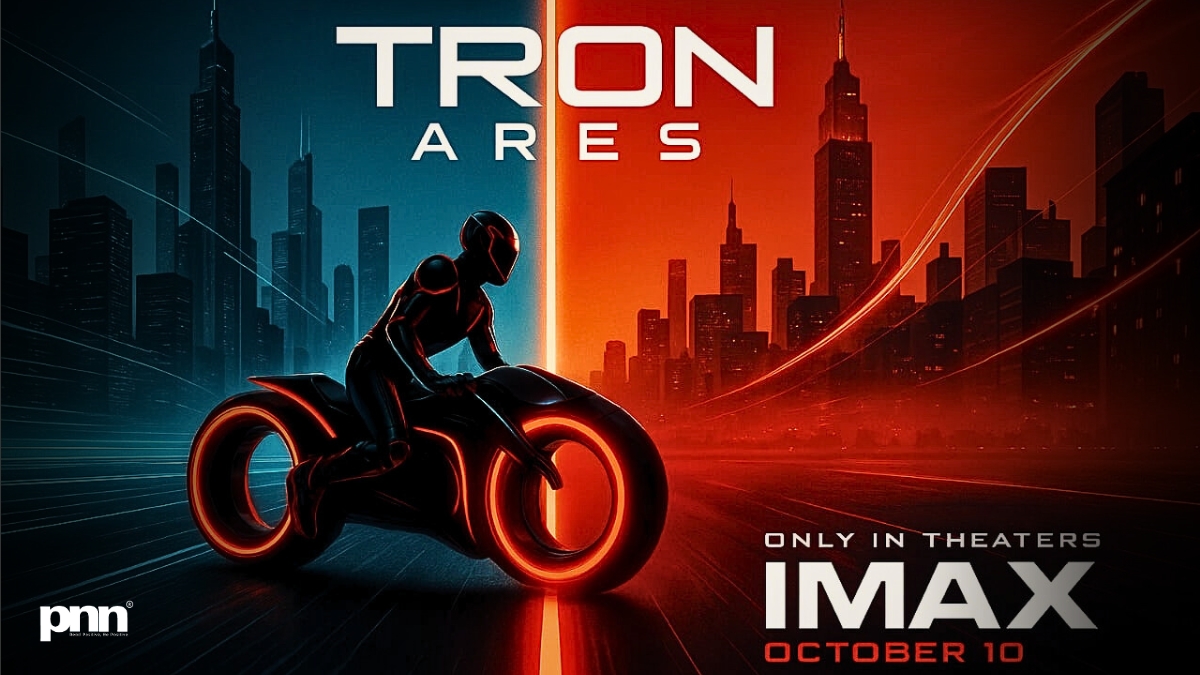
  • Tron: Ares 2025 — Jared Leto’s Neon Dream That Glitched at the Box Office

    Tron: Ares 2025 — Jared Leto’s Neon Dream That Glitched at the Box Office

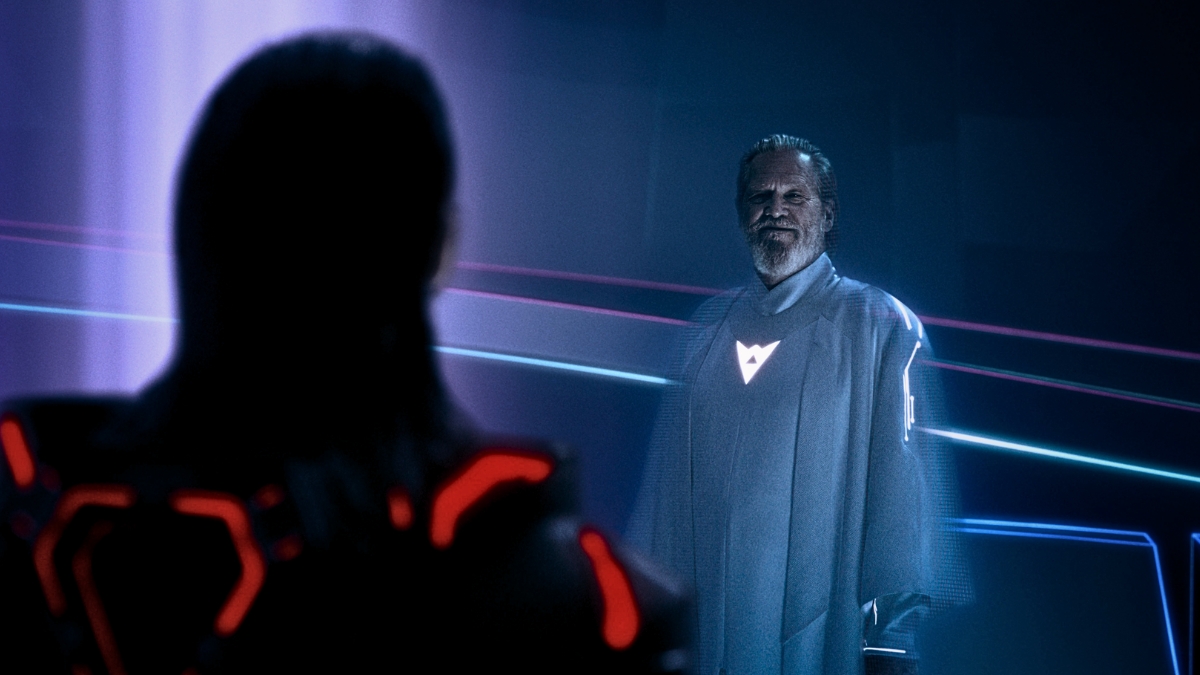
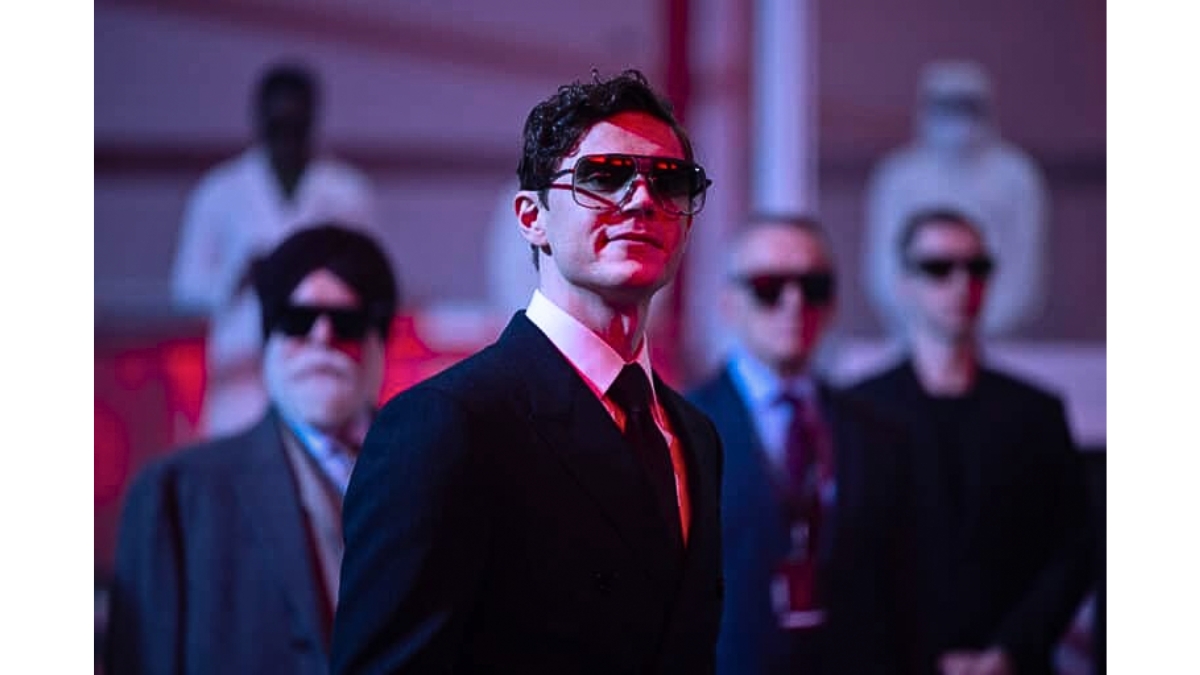
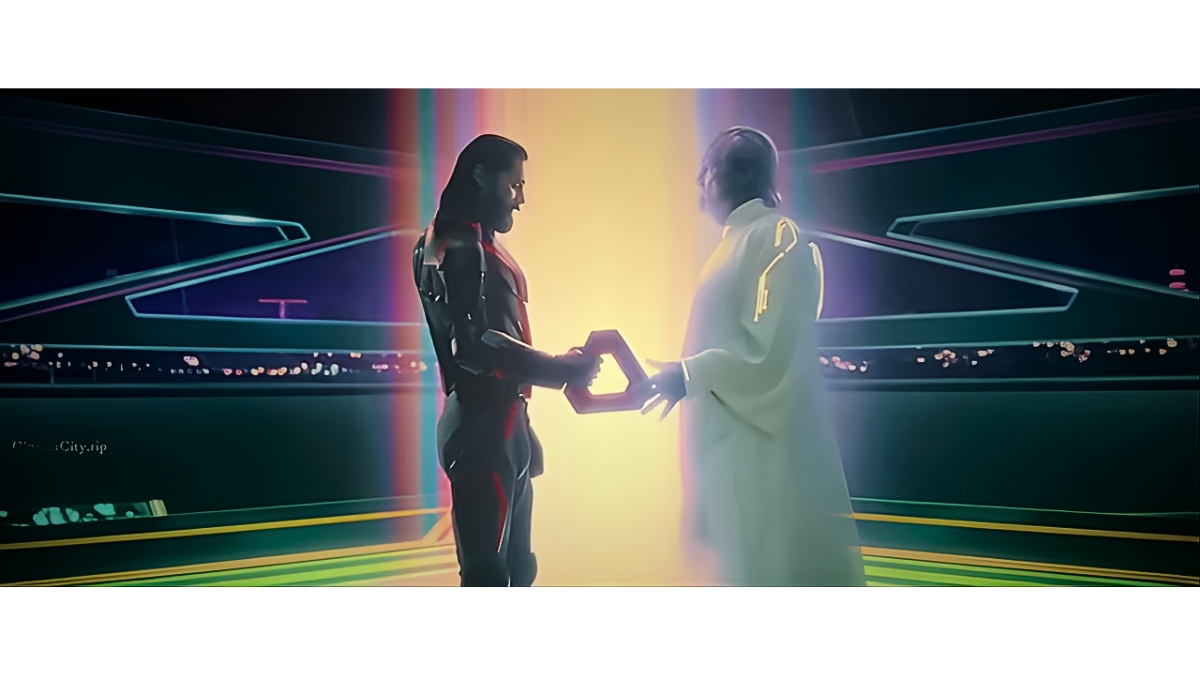
    Mumbai (Maharashtra) [India], October 16: There are cinematic universes that expand. Then there’s Tron — a digital realm that seems to crash every time it tries to reboot. Tron: Ares, Disney’s $200 million cyberpunk gamble and Jared Leto’s long-gestating passion project, finally powered up screens this October — and, unfortunately, short-circuited on impact.

    The long-awaited sequel to Tron: Legacy (2010) was supposed to be Disney’s dazzling return to the Grid — a place where philosophy meets phosphor, where code becomes consciousness. Instead, it feels like a visual dissertation in search of a pulse. And yet, amidst the pixelated chaos, there’s something deeply fascinating — a sincerity that makes you root for it even when it’s falling apart.

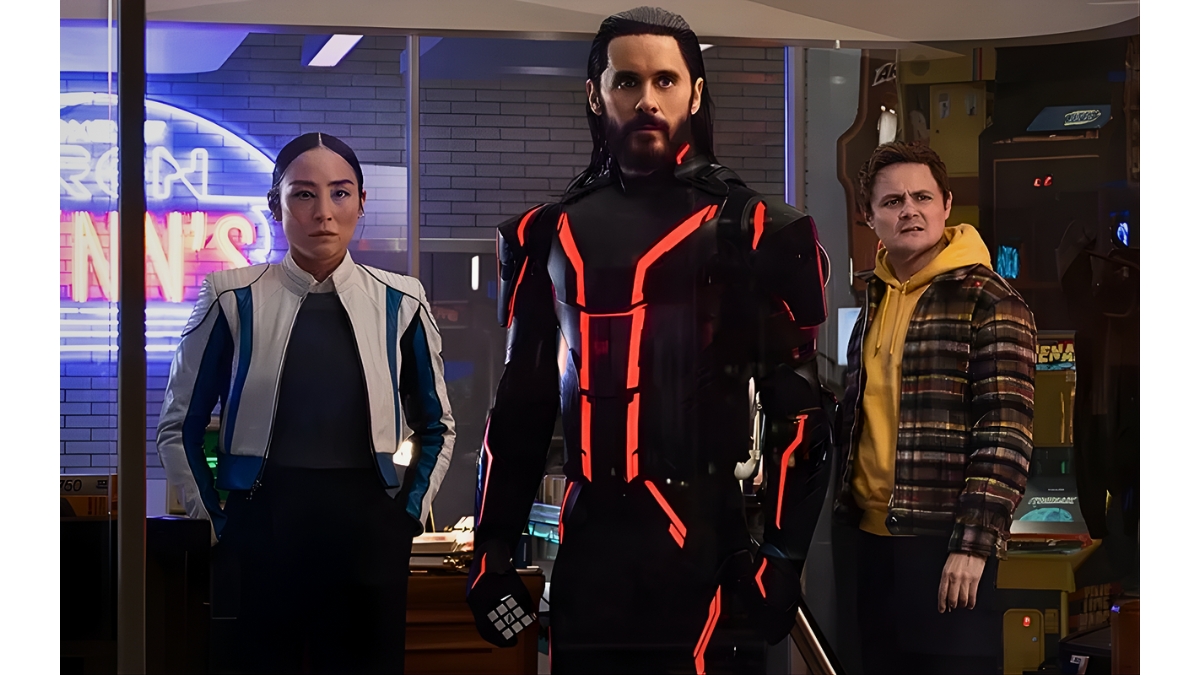
    Let’s rewind a bit. After years of development limbo, multiple script rewrites, and pandemic delays, Tron: Ares — directed by Joachim Rønning (of Maleficent: Mistress of Evil fame) — emerged as a sleek, meditative take on artificial intelligence and moral recursion. The film casts Jared Leto as Ares, a self-aware digital entity sent from the virtual Grid into the human world — essentially, a program trying to understand the fragility of its creator. Philosophically ambitious? Absolutely. Commercially bankable? Well… not so much.

    Tron

    A Visual Masterpiece in Search of Emotion

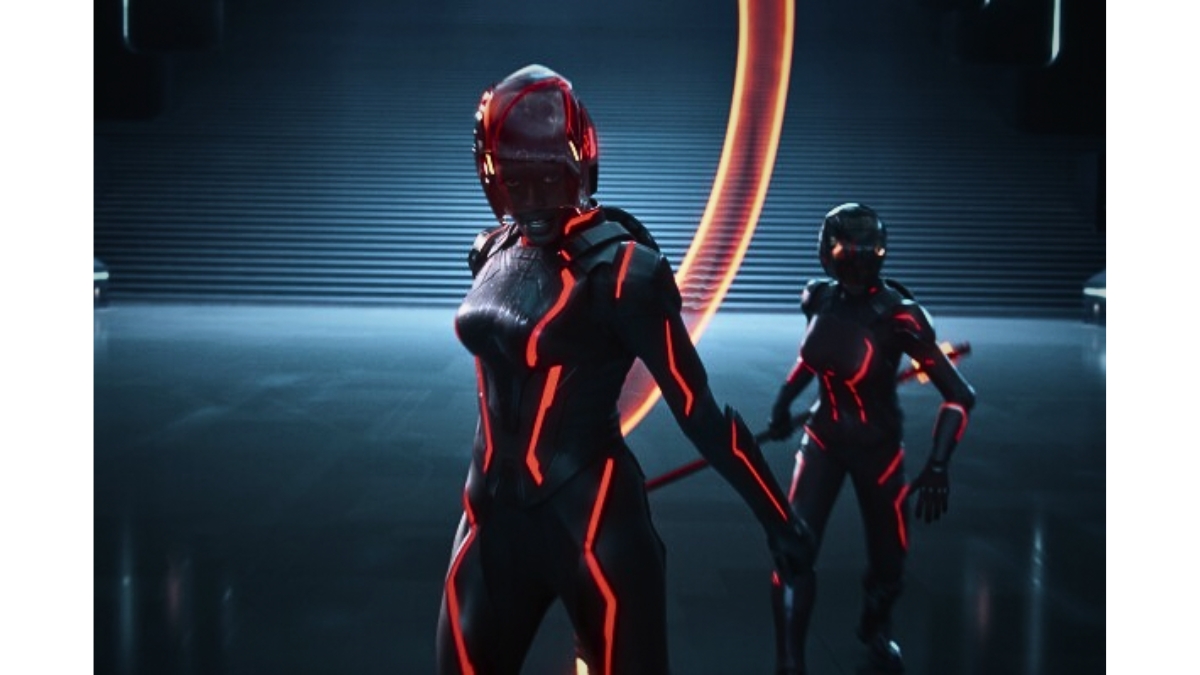
    First things first — visually, Tron: Ares is intoxicating. The neon circuits, the glassy landscapes, the breathtaking rendering of cyberspace — it’s the kind of spectacle that screams “Oscar for Visual Effects” even as the story whispers, “Help me, I’m lost.”

    Every frame feels meticulously designed by artists who worship the original Tron aesthetic but wanted to add existential poetry. The problem? Somewhere between the shaders and the soul-searching, the screenplay forgot that audiences need something to feel, not just admire.

    Rønning, to his credit, stages the digital action with a painter’s eye. Motorcycles blaze through light corridors like brushstrokes of code; avatars duel with luminous discs that double as metaphors for ego and entropy. But when the lights dim and the dialogue starts, Tron: Ares begins to sound like a TED Talk hosted by Siri.

    Tron

    Jared Leto’s Electric Obsession

    No one can accuse Jared Leto of phoning it in. The man reportedly lived, breathed, and maybe even meditated in binary for this role. He called Tron: Ares his “lifelong dream” — and in a way, that devotion shows. His Ares is strangely vulnerable beneath the digital perfection, his confusion at humanity’s contradictions both poignant and unintentionally comic.

    But here’s the irony: Leto’s very intensity — that trademark method-actor gravitas — might be what short-circuits the film’s fun. In a franchise known for light bikes and luminous adrenaline, his performance often feels like it belongs in a cyberpunk Shakespeare adaptation.

    As one critic quipped on Rotten Tomatoes, “Leto takes himself so seriously, you half expect him to deliver soliloquies about the ethics of algorithms.”

    Still, there’s no denying that he’s magnetic to watch — even when the film around him feels lost in translation between the human and the digital.

    Tron

    The Box Office Numbers: Not Exactly Glowing

    Here comes the part that even die-hard fans can’t spin into poetry: Tron: Ares has underperformed badly. Despite Disney’s massive global marketing push and a production budget exceeding $200 million, the film’s first five days in North America have been underwhelming — clocking in around $23 million, with a global tally barely brushing $60 million by its second weekend.

    To put that in perspective, Koimoi noted that it’s on track to perform worse than other recent sci-fi disappointments like The Creator (2023). Industry insiders are whispering that the film could cost Disney nearly $100 million in losses unless streaming and international markets miraculously reboot its momentum.

    Even PopRant went as far as to report that Disney is “considering shelving the Tron franchise for good,” a rumor that’s since sparked fan outrage across Reddit and X.

    It’s a sobering reality: the movie that was supposed to resurrect a cult classic might now be its eulogy.

    Tron

    Ares vs. Reality: What the Movie Tries to Say

    Underneath the flashing lights, Tron: Ares is really a story about creation and consequence — the classic Frankenstein dilemma, wrapped in a glossy digital shell. The plot follows Ares as he escapes into the real world, seeking to understand the chaos of his makers. What he finds is predictably ironic: a humanity that fears what it creates and worships what it destroys.

    It’s clever in concept, yes, but narratively tangled. The screenplay tries to fuse spirituality, cyber ethics, and spectacle — resulting in a film that often feels too cerebral for mainstream audiences and too corporate for the art crowd.

    Still, when it works, it really works. The scenes where Ares encounters rain, nature, or silence — moments where digital perfection meets organic imperfection — are hauntingly beautiful. You almost wish the entire movie were built around that quiet sense of awe, rather than explosions and exposition.

    Tron

    Critics Weigh In — and So Does the Internet

    The Hollywood Reporter called it “an ambitious but emotionally inert return to the Grid,” noting that while Rønning’s direction “elevates the spectacle,” the story “feels trapped in its own circuitry.”

    Over on 3DVF, industry insiders compared it to “a lesson in overproduction,” pointing out that the film’s VFX pipeline may have been its undoing — too many layers of visual ambition, not enough narrative grounding.

    Social media, meanwhile, is torn. On one hand, there’s a vocal faction of Tron purists defending it as misunderstood art. On the other hand, memes about “Disney’s $200M screensaver” are trending faster than the film’s box office receipts.

    Still, there’s admiration buried in the irony. Many agree that Tron: Ares is “a failure worth having” — a movie that dared to be different in an era of safe sequels.

    Tron

    PR Perspective: When Ambition Becomes a Brand

    Disney’s post-release strategy has been interesting, to say the least. Rather than pretending the film didn’t stumble, insiders have leaned into its artistic ambition. One spokesperson described it as “a bold vision piece that challenges the conventional blockbuster formula.” Translation: We lost money, but it looks great on a showreel.

    And maybe that’s fair. In a cinematic landscape flooded with formulaic superhero stories, Tron: Ares at least tried to be poetic. It aimed to merge philosophy and technology, emotion and algorithm — a marriage that, while messy, is oddly admirable.

    Where Does This Leave the Franchise?

    Rumors suggest that Tron: Ares might be the last trip to the Grid for a while. Disney, reportedly disappointed by early box office returns, is pausing future projects tied to the franchise. Yet the story isn’t over. On Netflix and Disney+, viewership data shows early surges in streaming interest — a hint that the film may find its tribe among digital nomads and late-night sci-fi romantics who prefer their cinema slow, stylish, and slightly broken.

    As one Redditor put it best:

    Tron: Ares isn’t a blockbuster — it’s a visual poem that forgot its rhyme.”

    Final Verdict — A Beautiful Glitch Worth Remembering

    Tron: Ares is a contradiction: too artsy for mainstream, too mainstream for the artsy. It’s dazzling yet disjointed, brave yet bewildering. But it’s also one of the few modern blockbusters that remembers cinema can still be about ambition — not just algorithms.

    Jared Leto might not have resurrected the Tron franchise, but he’s certainly made it impossible to ignore. The movie’s failures feel strangely noble — the kind of misfire that will, in time, be rediscovered by fans who appreciate its sincerity.

    And maybe that’s the real beauty of Ares: even when the Grid flickers, the light still lingers.

    PNN Entertainment

  • “Better Tomorrow”: The Tamil film that sparked a wave of awareness against drug abuse by winning 50 international awards

    “Better Tomorrow”: The Tamil film that sparked a wave of awareness against drug abuse by winning 50 international awards

    New Delhi [India], October 16:In today’s age, the medium of entertainment is no longer limited to entertainment; it has also become a powerful tool for social awareness. One such example is the Tamil film “Better Tomorrow,” which has created a stir at film festivals worldwide due to its profound message and excellent presentation. This film has emerged as a source of awareness against drug addiction, and its success has proven that if a film’s message is heartfelt and presented correctly, it can bring about change in society. The Tamil film “Better Tomorrow” is resonating at film festivals worldwide. It is not just a film, but a mirror of a social revolution that has stirred the hearts of audiences.

    This film, based on drug addiction, has brought glory to Indian cinema by winning over 50 awards internationally. The biggest enemy of today’s generation is addiction—it slowly erodes the mind, body, and relationships. It spreads like a disease—one initially taken for entertainment, one never realizes when it begins to rule one’s life. The film “Better Tomorrow” exposes this harsh truth, showing how addiction begins with an individual and engulfs the entire society.

    The plot of “Better Tomorrow” is inspired by a true incident. The story revolves around Janani, who is trapped by the party drug MDMA. Her brother, Arvind, struggles to rescue her from this deadly trap. This story is not just about addiction, but also about love, hope, and rebirth. Janani’s pain represents the story of every person who has lost their identity to addiction, and Arvind represents the voice of every person who risks everything to save their loved ones.

    The film’s director, Sharvi, is commendable for the depth and honesty with which she tackles this sensitive subject. Her aim wasn’t just to tell a story, but to awaken society—”This film is a wake-up call—so that no other mother loses her life to the trap of drug addiction.”

    The Tamil film “Better Tomorrow” has reached new heights of success, bringing India laurels at film festivals around the world. The film was screened at prestigious film festivals across India, Europe, the United States, Australia, and Asia, receiving tremendous acclaim from both audiences and critics.

    The film has won numerous international awards, including Best Awareness Film, Best Social Impact Feature, Best Director (Sharvi), and Best Actor (Manav). By winning so many honors, “Better Tomorrow” has proven that true stories, the depth of emotions, and the power of social messages transcend boundaries. The film has become a landmark in Indian cinema, bringing emotion and realism to global recognition. In the lead role, Manav captures the pain of a mother through his acting, while Gauri Gopan portrays the female lead with remarkable impact. The film’s cast, including Rajan, Jagdish Dharmaraj, Shailendra Shukla, R.G. Venkatesh, Saravanan, and Divya Shiva, brings the story to a close reality. The film is produced by Shailendra Shukla under the banner of Prerana Films International, known for meaningful cinema on social issues. “Better Tomorrow” teaches us that the fight against drug addiction is not about one person, but about the entire society. This film not only shows the harm of addiction, but also offers hope. It demonstrates how true love, family support, and self-confidence can help overcome any addiction.

    There are many compelling reasons to watch “Better Tomorrow,” making it a memorable experience. The film presents a sensitive story based on true events that deeply touches the hearts of the audience. It combines a gripping narrative with a social message, making it not only thought-provoking but also emotionally resonant. Director Sharvi’s world-class direction and the cast’s outstanding performances make the film even more impactful. Most importantly, it conveys a strong message of drug addiction awareness and inspires change in society. “Better Tomorrow” instills the belief that no matter how dark the darkness, there is always a ray of hope. Janani’s story inspires every soul that is broken within. This film is not just for watching—it’s for feeling.

    If you object to the content of this press release, please notify us at pr.error.rectification@gmail.com. We will respond and rectify the situation within 24 hours.