Tag: entertainment

  • Taylor Swift’s Showgirl Spectacle: How a 3-Day Film Event Redefined Box Office Power

    Taylor Swift’s Showgirl Spectacle: How a 3-Day Film Event Redefined Box Office Power

    Mumbai (Maharashtra) [India], October 6: They say pop stars don’t sell tickets in cinemas — Taylor Swift just laughed at that. Her latest venture, The Official Release Party of a Showgirl, debuted at No. 1 at the U.S. box office with $33 million over the weekend, despite being announced only two weeks prior. It was a theatrical event, not a concert film — 89 minutes of unreleased music video premieres, behind-the-scenes commentary, lyric visuals, and exclusive album content.

    This moment isn’t just about dazzling fans — it’s a telling chapter in the evolving dance between music, cinema, and fandom.

    From the get-go, Showgirl was primed to disrupt expectations. The film played across 540 AMC theatres in the U.S., plus selected Regal and Cinemark locations, with additional markets internationally. Forbes+4EW.com+4Barron’s+4 Its $33 million domestic weekend haul was bolstered by $13 million from global markets, bringing the opening total to $46 million worldwide.

    The timing was audacious: short promotional window, minimal marketing build, and no traditional narrative hook. Swift instead relied on fan devotion, surprise, and cross-platform synergy. The event doubled as a launch point for her 12th studio album, The Life of a Showgirl, ascending to No. 1 on streaming and sales charts in a single day.

    Showgirl

    What Worked (Because It Had to)

    • Built-in Demand & Brand Power
      Swift’s fandom is atomic. This was never just about cinema — it was about creating a shared event, an experience that mobilizes communities (Swifties) to queue up, dress, tweet, and post. She turned the theater into a concert hall for one weekend.

    • Eventization Over Pure Film
      The film isn’t a standalone narrative but a curated premium showcase: music video premiere of “The Fate of Ophelia,” lyric videos, behind-scenes footage, and Swift’s commentary. It’s cinema reframed as a collector’s event. EW.com+2Wikipedia+2

    • Efficiency & Risk Contained
      With 89 minutes, tight runtime, and no need for wide sweeping sets or expensive VFX, production risk was low. The real gamble was distribution, making theaters out of concert venues for one weekend. That gamble paid off.

    • Cross-industry Synergies
      The film acted as a promotional vehicle for the album. Streaming attention, social buzz, theatrical receipts — all feeding each other. The strategy hints at the future of music + film convergence.

    The Pushback — Where Critics Hope It Could’ve Done Better

    • Not a Conventional Film
      Some critique that it can’t be judged on film merits — there’s no plot arc, character development, or conflict. Critics viewing it as “just a fan service event” have called the format more spectacle than substance.

    • Limited Longevity
      The event is finite. Its theatrical window (Oct 3–5) was a high peak. Whether it can sustain beyond the first weekend — or be repurposed later as a streaming staple — remains to be seen.

    • International & Regional Risks
      While U.S. and AMC circuits were covered, smaller international territories may not have the same IPO-style pull. Some markets might see it as a niche import rather than a mainstream release.

    • Critics vs. Fans
      The divide is predictable: while fans celebrate access and spectacle, some critics may judge its artistic value harshly, calling it “a high-gloss music video in masquerade.” Pasters at The Guardian note Swift’s choice of the showgirl aesthetic as glamorous but also framing her image as a gilded fantasy.

    Showgirl

    Cultural & Economic Impact

    Let’s not underplay this: Showgirl is already being hailed as a blueprint for how music artists can re-enter theatrical spaces without relying on concert films. If this model replicates, album releases might come with built-in cinema tie-ins.

    Film stakeholders welcomed the surprise box office boost. Theatre chains, often starved for fresh content, got a blockbuster weekend without Hollywood’s typical narrative release. Analysts called the $33 million debut “incredibly impressive,” especially given the short promotional runway.

    On the streaming charts, The Life of a Showgirl stormed platforms. It became the most-streamed album in a single day in 2025 — not surprising given the synchronised theatrical push.

    Elsewhere, in pop culture crossovers, the Kansas City Chiefs reportedly played Showgirl tracks during their practice as a show of support and fandom.

    The Numbers So Far & Forecasts

    • Domestic Opening: $33 million (U.S. & Canada) over three days.

    • Global Opening: $46 million, including $13 million in international sales.

    • Per Theatre Average: Sales averaged ~$8,900 per theater in U.S. markets.

    • Runtime / Event Format: 89 minutes; theatrical event-style release (not traditional film) from Oct 3–5.

    • Cost & Margins: Public sources don’t specify production costs, but by nature of content (music + footage + editing), overheads were likely far lower than typical films.

    Analysts estimate that by the end of its limited run, Showgirl might cross $60–70 million globally, especially if multiple markets extend screenings beyond the weekend.

    Verdict — Bold, Not Perfect, But Monumental

    If this were a traditional movie, I’d critique plotlessness, lack of conflict, and ephemeral impact. But it isn’t — it’s an event, a fan spectacle, a cinematic-album hybrid. In that genre, it succeeds.

    Rating: ~ 3.5 / 5 (for fans and event-goers)
    Alternate score: ~ 2.5 / 5 (for narrative film critics)

    This is a theatrical experiment, one that rides entirely on fandom, trust, and branding. It may not be a film legacy, but in October 2025, it was a cultural moment.

    PNN News

  • ‘The Lost Bus’ Hits the Flames: McConaughey’s Return Powers a Gritty Survival Saga

    ‘The Lost Bus’ Hits the Flames: McConaughey’s Return Powers a Gritty Survival Saga

    Mumbai (Maharashtra) [India], October 4: Matthew McConaughey is back on the screen with a reckoning against nature — The Lost Bus is the kind of film that doesn’t ask permission to frighten you. Adapted from the real-life 2018 Camp Fire that ravaged Paradise, California, it casts McConaughey as Kevin McKay, a school bus driver thrust into a race against inferno, time, and panic. Directed by Paul Greengrass, co-written with Brad Ingelsby, the film balances emotional weight with flesh-and-blood tension.

    The story unfolds when 22 children and a teacher, stranded in a school, must be evacuated through roads clogged with smoke, flames, and debris. As Kevin and teacher Mary Ludwig (played by America Ferrera) lead the charge, the film’s grit becomes its currency — no frills, just survival. The runtime is around 130 minutes.

    Critics have largely welcomed the film, praising its immersive urgency and strong performances. The Times of India rated it 4.0/5, calling it “a gripping survival drama powered by Matthew McConaughey’s quiet brilliance.” Roger Ebert notes that by the 100-minute mark, the audience is pulled so deep into the crisis that you forget you’re watching a movie. On Rotten Tomatoes, the film holds an 83% Tomatometer, with consensus commending its emotional core despite some impulse toward spectacle.  Metacritic shows “generally favorable” reviews, with a Metascore in the 60s.

    Lost

    What Works: Strengths That Matter

    1. Human Stakes Over Disaster Porn
    Greengrass wisely centres the film on people, not just flames. Fire is the antagonist, but the real conflict is internal: “‘How do I keep a child calm when I’m terrified too?’’ is the thread that runs through the script. McConaughey’s understated anguish, Ferrera’s resilience — these anchor what could have become mere spectacle.

    2. Cinematic Tension & Sound Design
    The smoke, the crackle of fire, crowd panic — the film crafts tension in auditory and visual layers. The camera is often tight, limiting the frame so you feel trapped with it. The Guardian remarks that even before flames reach the horizon, the film has you on edge.

    3. Respecting the True Story (Mostly)
    Based on Lizzie Johnson’s Paradise: One Town’s Struggle to Survive an American Wildfire, the film preserves the core heroism: the real Kevin McKay did guide children to safety. People confirm that McKay and teacher Mary Ludwig were involved in a consultation to retain authenticity.

    4. A Comeback Vehicle
    For McConaughey — whose on-screen presence has receded in recent years — The Lost Bus offers both emotional heft and purposeful resurgence. This isn’t just “Matthew back in action”; it’s a role that asks him to hold silence, fear, hope, and endurance in a single look.

    Lost

    Where the Film Fumbles

    1. Occasional Overdramatisation
    Some critics feel the film slides into cliché — looters, last-second detours, moments of “can he make it?” tension that feel a bit invented. The Washington Post praises the performances, but warns that visual effects sometimes overshadow humanity. Rotten Tomatoes reviews note it “reduces the biggest fire-related calamity in recent memory to an effective but impersonal disaster movie” at times.

    2. Limited Address of Systemic Causes
    Given the Camp Fire’s link to power-line failures, climate change, and corporate responsibility, some viewers expected a more probing critique. Instead, the film remains almost entirely in the moment of survival, avoiding deeper interrogation. Rotten Tomatoes reviews point this out bluntly.

    3. Pressure to Impress
    Because the subject is real and tragic, the film has a high bar. Some critics argue that spectacle (big fire visuals) is used to mask emotional gaps. Rotten Tomatoes remarks it’s “a run-of-the-mill, over-the-top biopic” when seen at its worst. Rotten Tomatoes Metacritic hints at this in more ambivalent tones.

    Lost

    Release & Streaming Footprint

    • The film had its world premiere at the Toronto International Film Festival 2025 on September 5.

    • It launched theatrically in select U.S. theatres on September 19, 2025.

    • Global digital debut: October 3, 2025, on Apple TV+.

    • Production credits include Jamie Lee Curtis, Jason Blum, Apple Studios, Comet Films, and Blumhouse.

    Box office data remains modest in the public domain — The Numbers lists only limited theatrical metrics.

    Lost

    Latest Buzz & Public Pulse

    • True–film gap: Decider notes the film embellishes some sequences (armed looters, dramatic detours) that didn’t happen in real life.

    • Hero’s legacy retold: People recall how McKay and Ludwig risked everything for 22 children, and how the film ties into real community grief and triumph.

    • Climate resonance: With wildfires ravaging regions globally, The Lost Bus feels timely — reminders that survival stories are becoming more urgent.

    • McConaughey’s real family cameo: His mother Kay and son Levi also appear in supporting roles, blurring lines between reel and real.

    On social media, reactions vary: some hail it as “a gripping, emotional ride,” others criticise promotional images for over-Photoshop. Reddit threads debate: “Is this getting theatrical release?” vs. “The teaser looks hyperbolic.”

    Verdict: Worth the Burn

    The Lost Bus doesn’t reach perfection, but it holds itself in the fire. With a lean script, strong leads, and burdened stakes, it earns respect. It’s not a flawless retelling, and its marginal lapses are visible. But when everything else falls away — when a child coughs, a driver hesitates, a teacher quakes — the core truth prevails: ordinary people can become heroes.

    If I must grade: ~ 3.8 / 5.

    This is a film for the brave: those who watch disasters not just to escape, but to feel, reflect, and maybe, remember.

    PNN News

  • 360° Cinema at Film City: When Storytelling Turns into a Spectacle of Sight, Sound, and Slight Showmanship

    360° Cinema at Film City: When Storytelling Turns into a Spectacle of Sight, Sound, and Slight Showmanship

    Mumbai (Maharashtra) [India], October 4: If Bollywood ever needed a reminder that cinema isn’t just about stories, but about the way we experience them, the newly launched 360-Degree Cinema at Film City, Mumbai has delivered it—wrapped neatly in LED brilliance and marketing gloss. The much-talked-about installation promises “knowledge, thrill, and experience” — a trifecta that sounds suspiciously like a movie trailer itself.

    Launched amid camera flashes, dignitaries, and a healthy dose of cinematic self-importance, this immersive theatre marks another ambitious attempt to turn Indian cinema into a full-fledged sensory playground. It’s the kind of venture that makes you wonder — if movies already made us cry, laugh, and scream, what happens when they literally surround us?

    The Experience: Cinema Beyond the Screen

    Imagine standing in the center of a dome-shaped theatre, surrounded by massive 360-degree visuals that blur the line between film and fantasy. You’re not watching a movie anymore — you’re inside it.

    That’s the essence of this new venture by the Maharashtra Film, Stage & Cultural Development Corporation (MFSCDC), in collaboration with leading tech innovators. From panoramic documentaries on India’s heritage to hyper-realistic short films showcasing cinematic artistry, the project aims to educate, entertain, and slightly overwhelm.

    The first phase, insiders say, involved an investment crossing ₹30 crore — a modest figure by Bollywood standards but a major leap for educational entertainment. “We’re not just making films. We’re building experiences,” said a senior Film City official during the launch. And yes, the irony of saying that in a city that literally builds experiences every day wasn’t lost on anyone.
    Cinema

    When Bollywood Meets Tech Tourism

    The 360° Cinema isn’t just a theatre. It’s part of a broader push to rebrand Film City as an experiential tourism hub, complete with guided tours, AR-enhanced exhibits, and perhaps — in classic Mumbai fashion — overpriced popcorn.

    The cinema itself is equipped with 12K projection technology, dynamic surround sound, and an immersive seating design that moves subtly with the visuals. It’s been compared to Tokyo’s digital art museums and the VR dome theatres of Dubai — except, this one comes with a uniquely Indian twist: a narrative-driven soul that still believes in “intervals”.

    Industry insiders hint that the theatre could soon host short films, VR documentaries, and even AI-enhanced cinema modules for film students. “This isn’t just a tourist gimmick,” said one filmmaker, “it’s a playground for visual innovation.” That said, there are already whispers about whether the venture will sustain momentum beyond the initial novelty rush.

    Lights, Camera… Infrastructure?

    For all its promise, the launch of 360° Cinema also reignited familiar questions — the kind that Bollywood’s glossy exterior often hides. Can Mumbai’s infrastructure handle such futuristic experiences while Film City itself struggles with maintenance and access issues?

    As one visitor dryly noted, “It’s amazing how the future of cinema has arrived, but the parking lot is still from 1995.”

    Yet, even critics agree that such ventures mark a turning point. India has long flirted with immersive cinema — from 4D theatres in malls to occasional VR exhibitions — but this is the first large-scale government-backed setup designed to merge education and entertainment.
    Reinventing the Film City Narrative

    Film City has often been described as a relic of Bollywood’s golden age — a sprawling complex of studios, nostalgia, and controlled chaos. But with 360° Cinema, there’s a deliberate attempt to rebrand it as a 21st-century innovation hub.

    This structural shift is no coincidence. Maharashtra’s cultural ministry has been quietly planning a “Film City 2.0” overhaul — one that brings in sustainable architecture, digital training facilities, and tourism-led revenue. The immersive theatre, therefore, is just Act One of a much bigger production.

    Sources suggest that a second dome — designed for international co-productions and short immersive series — is already on the drawing board, with a projected completion timeline of 2026.

    Cinema

    The PR Glitter & the Real Picture

    As expected, the launch drew Bollywood personalities, bureaucrats, and a healthy stream of influencers trying to get the perfect “360° selfie”. The film fraternity largely hailed it as “a landmark innovation”, though a few cynical voices online have dubbed it “an expensive school field trip with sound effects.”

    Still, there’s little denying that the 360° Cinema is an experience worth watching — even if only once. Its first showcase film, Incredible India 360, already has visitors lining up, and early estimates suggest ticket prices may hover between ₹250 and ₹500 per head.

    Between Vision and Vanity

    What makes this story more compelling than the dome itself is the ambition behind it. India’s entertainment industry has often been accused of playing catch-up in technology. From digital post-production delays to the painfully slow adoption of VFX, it’s always been a game of innovation-by-imitation.

    This, however, feels different. It’s bold, locally designed, and genuinely forward-looking. It might not replace your weekend multiplex just yet, but it signals a paradigm shift — one where Indian cinema isn’t just storytelling but a sensory, multidimensional experience.
    Of course, if you’re someone who misses the simplicity of a dimly lit theatre, a bucket of popcorn, and an unskippable ad for mutual funds, the 360° dome might feel like a bit much. But then again, isn’t excess practically Bollywood’s middle name?

    Closing Frame

    The 360° Cinema at Film City is equal parts innovation and indulgence — an ode to what happens when art, technology, and tourism decide to share the same frame. It may wobble between futuristic vision and showy spectacle, but that’s precisely what makes it so Mumbai.

    Because at the end of the day, whether you’re inside a dome or a dark theatre, cinema — much like this city — is always about the illusion that anything is possible.

    PNN News

  • Dharma’s Digital Folding: What the Absorption of Dharmatic Signals for Karan Johar’s Empire

    Dharma’s Digital Folding: What the Absorption of Dharmatic Signals for Karan Johar’s Empire

    Mumbai (Maharashtra) [India], October 4: One day, you launch a digital boutique to chase streaming dreams. The next, you fold it back into the parent company. Such is the tale now being told at Dharma Productions, which has quietly absorbed its OTT arm, Dharmatic Entertainment, in a sweeping structural overhaul. This isn’t just a corporate reshuffle; it’s a message — and one that carries risk as well as promise.

    Dharma’s decision, reported widely today, confirms that Dharmatic will cease to operate as a standalone entity, merging its operations under the main Dharma umbrella. The stated aim is clear: synergy, streamlined workflows, reduced duplication, and stronger alignment between traditional cinema and digital content verticals. The move arrives when Bollywood is grappling with a tectonic shift: streaming is no longer fringe, and every big studio must adapt or fracture.

    For years, Dharmatic had been Karan Johar’s digital voice — the arm tasked with creating content for Netflix, Amazon, Hotstar, and other platforms. It launched in November 2018, as part of Dharma’s bid to diversify beyond theatrical films. Dharmatic had produced web-series, digital films, and seasonal specials — even taking on Koffee with Karan in recent seasons.

    Yet the absorption suggests a new posture: digital isn’t separate; it’s integral. In effect, Dharma is betting that content creation, distribution, branding, and monetization must be unified under a single roof to remain nimble. In press terms, it’s a pivot from “film + digital,” to simply “content house.”

    What This Move Gains Dharma (And Why It Makes Sense)

    Operational Efficiency & Cost Synergies
    Running two arms means duplicated HR, accounting, legal, and tech overheads. Merging them can cut waste, accelerate decision loops, and reduce bureaucratic friction. In a fast-moving media ecosystem, agility matters.

    Better IP Leverage & Cross-Platform Strategy
    Internally, stories conceived for digital can now be evaluated for theatrical or streaming release at birth — no handoffs, no “which team owns this” clashes. A web show might be restructured into a film or vice versa, depending on audience response.

    Stronger Brand Clarity
    Instead of two brands competing or diluting each other, Dharma now sends a clearer signal: we are the brand, from theatrical to digital. For partners or advertisers, that may simplify negotiations.

    Lean Leadership & Talent Movement
    Top creative talent, producers, and showrunners previously tied to Dharmatic may now be redeployed across Dharma’s broader slate. That could raise morale (bigger projects) — or cast fear of internal cannibalization.

    The Risks & Critical Undercurrents

    Cultural Clash & Identity Loss
    Digital teams often have their own culture — experimental, scrappy, agile. Folding into a big studio with decades-old legacy workflows could stifle that creative DNA. The danger: Dharmatic becomes Dharma’s “digital department,” losing its edge and identity.

    Overload & Dilution
    Dharma’s slate is already ambitious: big films, mid-budget ventures, brand tie-ups. Adding full-stack streaming production pressure may overextend the team. The risk is quality dilution or missed deadlines.

    Stakeholder Confusion
    For content creators, this move may raise questions: What’s the greenlight path now? Which executive to pitch to? Who approves budgets? Until roles settle, friction is inevitable.

    Symbolic Admission?
    Some critics might read this as a tacit acknowledgement that Dharmatic’s independent model didn’t scale as hoped. Folding back suggests the standalone digital gambit may not have delivered expected returns in margins, viewership, or ROI.

    The Past Stake Deal & How It Connects

    To fully parse this shift, we must remember that Dharma Productions sold 50% stake to Adar Poonawalla’s Serene Productions in late 2024, in a deal valued around ₹1,000 crore (approx USD 119 million) That partnership brought capital, strategic input, and perhaps pressure to align digital and film more coherently.

    Karan Johar has previously described himself as uncomfortable with business jargon. He candidly said he was “traumatized” by acquisition meetings — dragged into financial lingo like “put,” “call,” “drag,” “tag,” and realizing how little he knew about his own valuation. That humility underlines the challenge: creative minds being asked to toe corporate discipline.

    One source told AZB & Partners represented Dharma and Johar in that acquisition. The consolidation now may be part of the roadmap expected by stakeholders to streamline returns and de-risk overlapping costs.

    Latest Industry Echoes & Context

    • Industry sources suggest further restructuring may follow. Some rumours say Dharma 2.0 (its ad/commercial division) or Cornerstone Agency may also see mergers or pivots.

    • Earlier, media analysts flagged that Dharma had seen revenue pressures — in reports, its margins had narrowed, and mid-level film flops hurt cash flows.

    • Recent releases like Aap Jaisa Koi, produced under Dharmatic, show that digital IP is not secondary — it has its own currency. That film’s success may have fueled confidence that content can be platform-agnostic.

    • Competitors are watching. Other studios may pursue similar absorption moves, especially as streaming margins tighten and content is king.

    What It Means for Content & Audience

    Audiences should watch for more hybrid content — digital serials that cross over into theatrical versions, or films with built-in digital spin-offs. Remakes, prequels, and IP extensions will likely be smoother to execute with a unified structure.

    Creatively, we might see more risk-taking: stories that can span platforms without needing to choose “digital versus theatrical.” But balance is key: not everything needs big-screen spectacle.

    For creators, the message is: pitch with flexibility. If your story can adapt across mediums, it’ll have a place in the new Dharma.

    Final Observations & Verdict

    Dharma’s absorption of Dharmatic is bold. It shows confidence in recombining creative and corporate wings. It’s a bet that future media is not film versus digital — it’s film with digital. The risks are real: loss of agility, identity friction, internal role ambiguity. But done well, this could be Dharma’s structural refresh — one that primes it for the next decade.

    If you ask me: this isn’t retreat but reorganization — a phoenix moment for Karan Johar’s studio. And yes, it’s going to be messy, but cinema loves a good mess when it’s beautiful.

    PNN News

  • ‘Bring Her Back’ Haunts the Screen — A Haunting Horror That Dares You to Feel

    ‘Bring Her Back’ Haunts the Screen — A Haunting Horror That Dares You to Feel

    Mumbai (Maharashtra) [India], October 4: Some movies scare your eyes. Others terrify your soul. Bring Her Back, from the horror-savvy Philippou brothers, lands somewhere between the two. It doesn’t merely want to frighten you — it wants to unsettle you long after the lights come up.

    In this review, we’ll walk you through its strengths, its scars, and whether this gothic, grief-infused thriller deserves a place in your watchlist this spooky season.

    The film opens on a deceptively quiet note: two orphaned step-siblings, Andy (Billy Barratt) and Piper (Sora Wong), are placed under the care of a foster mother named Laura (Sally Hawkins). Their father has died. Their new home is remote, dim, and strange. Laura seems warm, but grief seems to linger in every room she touches. And soon, as whispers grow, the siblings realise there’s something deeply sinister underpinning her “kindness.”

    Bring

    What begins as psychological unease gradually melts into outright ritual horror. Laura is haunted by her own loss: the drowning of her daughter. As her obsession with “bringing her back” deepens, she turns her household into an occult stage. The siblings, especially disabled or visually impaired Piper, become instruments in her tormented plan.

    From the technical side, Bring Her Back is strong. Its cinematography leans into shadows, rain, and glass — each frame feels claustrophobic, each long take laden with portent. The editing is deliberate, not rushed, allowing dread to simmer. Its sound design is clever — silence is as venomous as a scream here. And Sally Hawkins, as Laura, gives a performance that simmers with maternal grief, guilt, and cruelty. Critics note her role as “unsettling,” capable of kindness that feels like a prelude to betrayal.
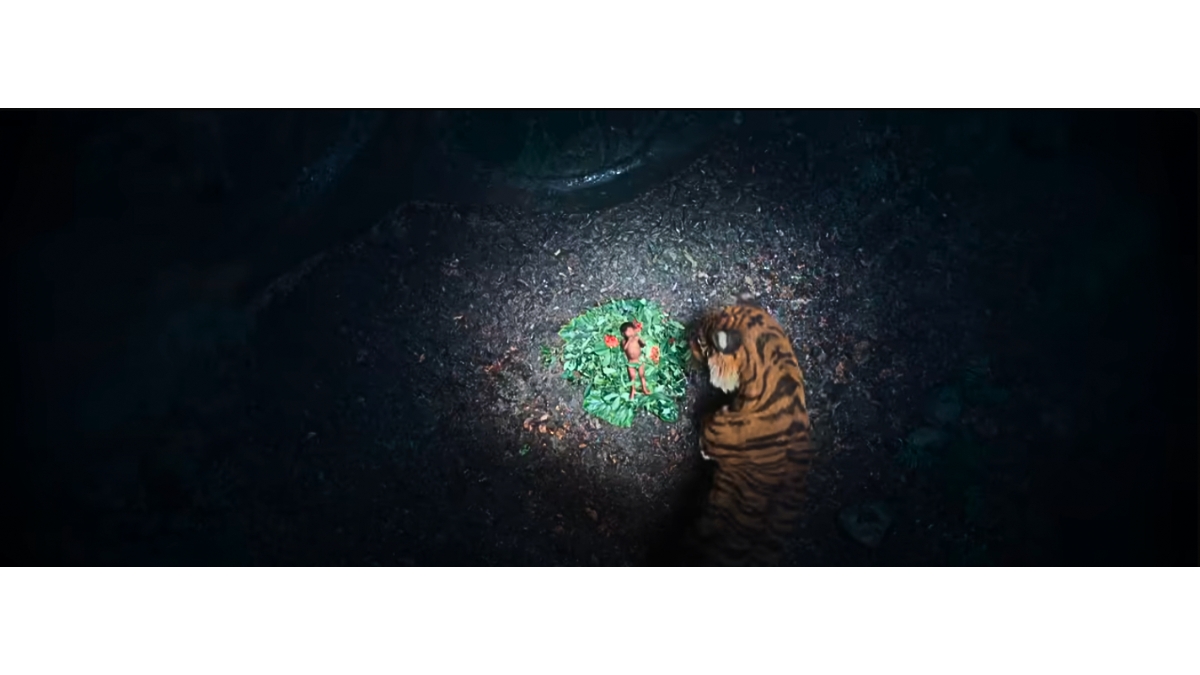
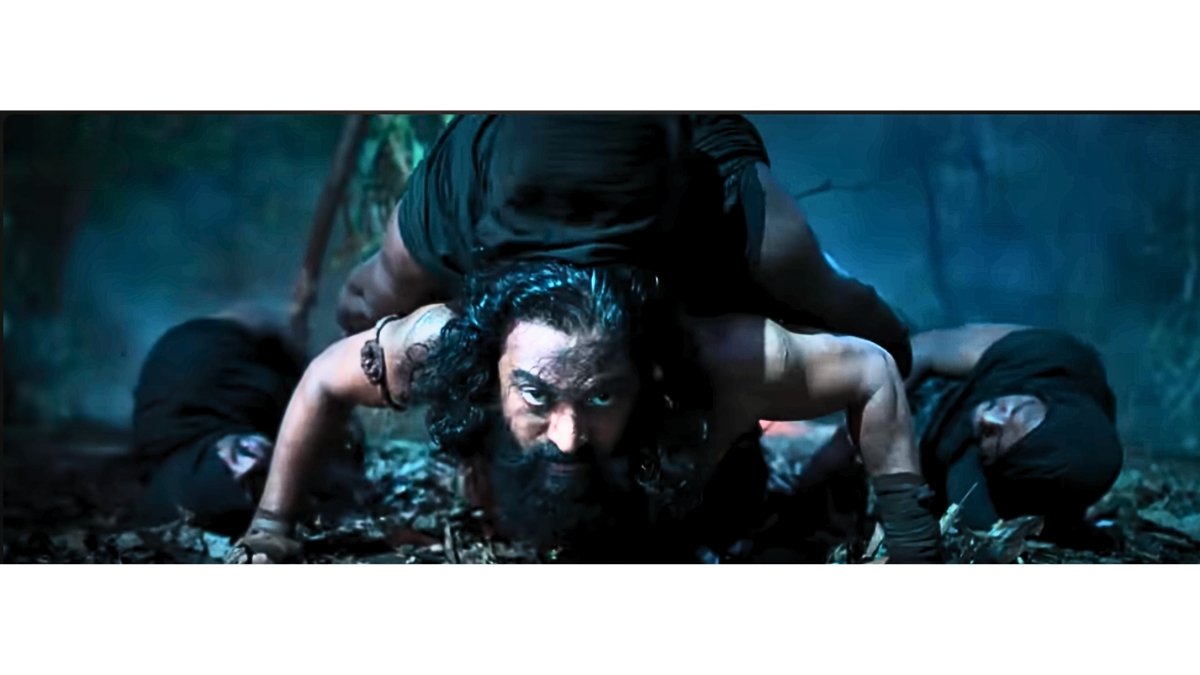
    Rotten Tomatoes currently rates it as “Fresh,” with many critics pointing to Hawkins’ central turn as the film’s anchor. The film has grossed $39.1 million worldwide on a budget of roughly $15 million — a strong showing for a horror film that asks so much from its viewers.

    Bring

    What Works (Often Terrifyingly Well)

    • Emotional Depth Over Cheap Shock
      Unlike many horror films that lean heavily on jump scares, Bring Her Back invests in grief. Loss is at the story’s core, and successful horror here is psychological: watching caregivers unravel, mental lines blur, and personal trauma weaponized. Reviewers praise how the film doesn’t just show horror — it feels it.

    • Tension That Builds, Doesn’t Explode Immediately
      The slow-burning structure is rewarded. The first act is patient, giving time for atmosphere and unease, and this pays off in later set pieces.

    • Performances Unafraid and Uncomfortable
      Hawkins walks the line between grieving mother and monster. Billy Barratt and Sora Wong ground their roles, especially Wong’s portrayal of a blind child caught in someone’s madness.

    • Visual / Symbolic Horror
      The film uses mirrors, water, lighting, and fractured images to hint at hidden truths. The supernatural rituals aren’t flashy but are suffused with menace.

    • A Horror That Haunts Quietly
      Post-credit, the dread doesn’t fade. Many audience voices say they slept poorly after. One Reddit user remarked: “…it layers up twists that don’t always land, but the final act stays with you.”

    Bring

    Where It Wobbles (and Sometimes Stumbles)

    • Pacing Gaps in the First Act
      Some critics call the early portions slow. The film takes time to build, which some horror fans might see as stalling.

    • Ambiguities That Frustrate
      As mysteries unravel, a few narrative strands feel under-explained or left dangling. Critics point out that not every twist earns payoff.

    • Intensity That Can Be Overwhelming
      The film does not shy away from gore or discomfort. It may challenge viewers who prefer sustenance over shock; some sequences border on exhausting.

    • Derivative Echoes in Grief Horror
      A few reviewers fault it for leaning too close to an “A24 grief horror” formula. While the execution is strong, originality occasionally slips.

    Bring

    Streaming & Release Details

    • Bring Her Back premiered theatrically: Australia on 29 May 2025, US on 30 May, UK on 1 August.

    • As of October 3, 2025, the film becomes available on HBO Max (Max).

    • Earlier rumors suggested a digital release (premium video on demand) date of 1 July 2025.

    • In Canada, it’s streaming on Amazon Prime Video and available for rent/purchase on Apple TV / Amazon Video / Fandango, etc.

    So yes — you can stream it now (or soon) if you prefer your nightmares at home.

    Bring

    Final Take: Worth the Price of Fear

    If you approach Bring Her Back expecting a typical haunted-house flick, you’ll be unprepared. It’s darker, slower, more intentional. But that’s its strength. It doesn’t just want to scare — it wants to hurt gently, to explore the membranes between love, grief, and obsession.

    For genre lovers who cherish psychological horror over flashy jump scares, this is one to savor. For casual viewers seeking simple thrills, parts might feel oppressive. Still — Sally Hawkins’ feral heartbreak, the twins’ daring vision, and moments of genuine horror make this a must-watch in 2025’s horror lineup.

    Rating: ~ 3.75 / 5

    PNN News

  • ‘Bachu Ni Benpani’ — Gujarati Comedy-Drama that Flies High (With a Few Turbulences)

    ‘Bachu Ni Benpani’ — Gujarati Comedy-Drama that Flies High (With a Few Turbulences)

    Mumbai (Maharashtra) [India], October 3: If someone told you a Gujarati film about a miserly widower on a “free vacation” could stir both laughter and tears, Bachu Ni Benpani might be the proof. Its trailer, its box-office run so far, its critiques and triumphs — all combine into a tale as layered as the film itself. Below is a take that walks the tightrope between fandom and skepticism, with enough PR polish and cinematic commentary to feel like a feature, not a press release.

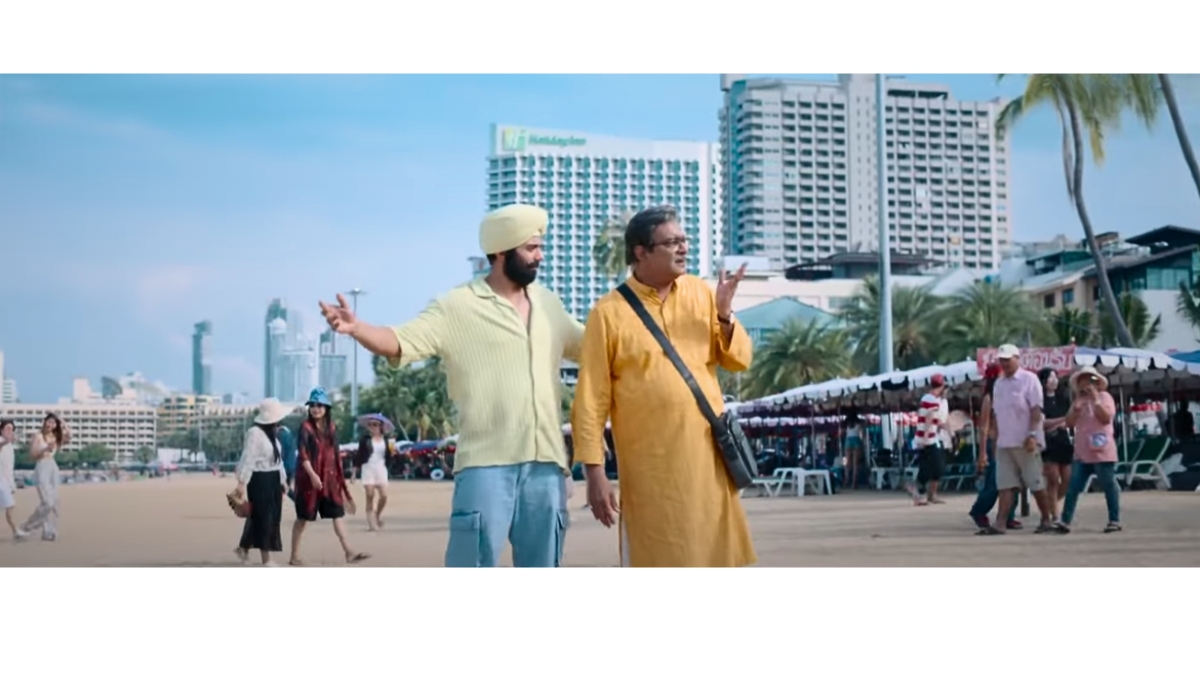
    There’s something quietly audacious in Bachu Ni Benpani. A regional film that doesn’t pretend to be small; a Gujarati entertainer that pitches its heart and scope beyond village boundaries. When the trailer dropped (available via Times of India), it promised a shift from the traditional Gujarati “home & hearth” frame into beach sands, parasailing, emotional revelations, romance, scandal, and a protagonist suddenly out of his comfort zone. That tonal jump is part of the allure — and risk.

    Directed and written by Vipul Mehta and produced by Rashmin Majithia under Coconut Motion Pictures, Bachu Ni Benpani was released on 27 August 2025 in Gujarati cinemas. The cast includes Siddharth Randeria, Ratna Pathak Shah, Devarshi Shah, Yukti Randeria, Prince Limbadiya, Jahnvi Chauhan, and Gopi Desai.  With a runtime of about 129 minutes (2 h 9 m), the film stakes a claim as a family comedy-drama with emotional weight.

    Bachu

    The Premise, in Mood & Conflict

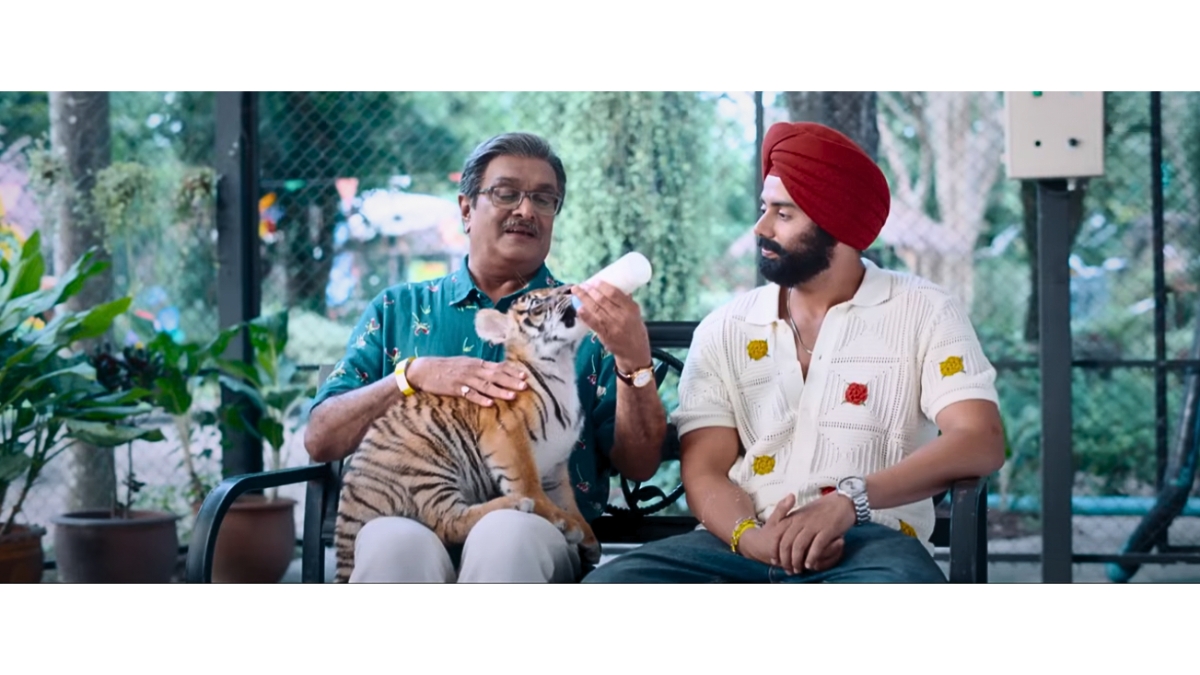
    Bachu Bapodara (Siddharth Randeria) is a health fanatic, stubborn to the core, and arguably the poster child for “saving until it hurts.” His family—wearied by monotony and his extreme frugality—decides to gift him a “free” vacation to Bangkok, hoping a change of scenery will thaw his rigidity. As the journey unfolds, what should’ve been a simple diversion turns into emotional disruption, romantic possibility, and moral introspection. He meets a mysterious woman; adventures follow. The script leans into classic tropes (change of heart, confrontation, revelation) but with Gujarati flavor, humor, and familial-cultural codes.

    One strength is how the film doesn’t shy away from poking at its protagonist. He is not a saint but a caricature stretched into sincerity. The contrast between his parsimony and emotional poverty becomes a narrative pivot. The humor arises when someone so unwilling is forced into vulnerability.

    Bachu

    Box Office Ride: Steady Climb, Not a Rocket Launch

    By day 16, Bachu Ni Benpani had garnered ₹7.03 crore (India net). That suggests modest but respectable traction in Gujarati and regional markets. Earlier day-wise collections show varied oscillations: Day 1 ~ ₹0.50 cr, Day 2 ~ ₹0.45 cr, Day 4 ~ ₹0.75 cr, etc.

    Sacnilk lists Bachu Ni Benpani amongthe  top Gujarati films, with “11.5” (gross) and “11.2” (net) in its “All Language” box office listings. Though the exact nationwide aggregate is uncertain, these figures suggest the film has done well in its domain, not blockbuster territory, but healthy. The numbers also hint that overseas/other states may not contribute heavily (or are underreported).

    A point to note: Vash Level 2, another Gujarati release, was released on the same date and competed directly. That kind of face-off can split audiences, screens, and media attention. (Coconut Motion Pictures’ film slate, including Bachu Ni Benpani, is also listed on their distribution record)

    So, while Bachu Ni Benpani hasn’t shattered box office records, it’s holding its ground — a testament to regional brand strength and audience loyalty.

    Bachu

    What Works & What Falters

    Strengths

    • Performance Anchors: Siddharth Randeria anchors the film well; his comedic timing and dramatic gravitas are often praised in early reviews. Ratna Pathak Shah, with her screen presence, adds depth.

    • Production Values vs Expectations: For a Gujarati film, the outdoor sequences (Bangkok beaches, scenic frames) and cinematography are bolder than usual — the effort shows.

    • Emotional Soil: The film tries to be more than a comedy; it leans on reflections about money, value, family, and regret. That emotional core can resonate with middle-class audiences.

    • Brand Growth for Gujarati Cinema: Films like this push Gujarati cinema beyond the “festival release” or “local hit” label. Bachu Ni Benpani wants to be a cross-state, multiplex player (with bookings in Mumbai, Surat, etc.).

    Bachu

    Weaknesses / Risks

    • Predictability & Tropes: Some critiques (in regional coverage, e.g. Sampark Gujarati) mention clichés, repetitive jokes, and a narrative that doesn’t surprise much.

    • Scaling Limitations: Marathi or Tamil films often tap bigger markets beyond their native language; Gujarati films still face distribution and dubbing challenges.

    • Competing Releases & Screen Share: With Vash Level 2 releasing at the same time, Bachu Ni Benpani might lose multiplex slots in cities where Gujarati film presence is already stretched.

    • Stamina over 2+ hours: Maintaining tonal consistency and audience engagement over 129 minutes is a stretch; slower patches or uneven pacing could dull the impact.

    Bachu

    Audience & Buzz

    Online reception is warm. On Instagram, reels of crowd reactions, snippets from the trailer, and first-day promotions circulated widely.  The film’s BookMyShow ratings are strong: 8.9/10 based on thousands of votes. That signals that the core audience (Gujarati speakers) is responding emotionally and positively.

    On YouTube, the trailer has many thousands of views and comments praising the freshness of the setting and the humor. Side videos compare budgets and box office numbers (like Vash Level 2 vs Bachu Ni Benpani).

    Some fans lamented that Bachu Ni Benpani could get overshadowed by bigger national releases or Bollywood films — though the niche appeal provides a cushion.

    Bachu

    What We Still Want to Know

    • Budget & Break-even Point: No confirmed public number. Given overseas shoots and broader ambitions, costs are likely to be pushed higher than typical Gujarati fare.

    • Overseas / Non-Gujarati Market Performance: Did cities with Gujarati diaspora (like parts of Gujarat in Maharashtra, UAE, UK) push their earnings?

    • OTT / Satellite Deals: Will the film rush to streaming? Or hold theatrical exclusivity for longer? The revenue structure will matter.

    • Critical Consensus: Full reviews from major portals (beyond regional ones) are pending. Will film critics outside Gujarat echo the emotional praise or flag structural faults?

    Final Take

    Bachu Ni Benpani is not just another Gujarati comedy; it’s a film that dares to extend its boundaries — geographically, tonally, and emotionally. It doesn’t always land everything perfectly, and its narrative leanings toward the predictable sometimes dull its spark. But for a regional film, it embodies ambition, heart, and a willingness to take more than the usual safe path.

    If you’re a Gujarati film patron or someone curious about evolving regional cinema, give it a shot in theatres while it’s still fresh. Its journey from a miser’s mindset to human reckoning might surprise you more than its box office would.

    PNN News

  • Nikka Zaildar 4: Romance, Delays & Flood Relief — Punjabi Saga Returns With Heart and Hurdles

    Nikka Zaildar 4: Romance, Delays & Flood Relief — Punjabi Saga Returns With Heart and Hurdles

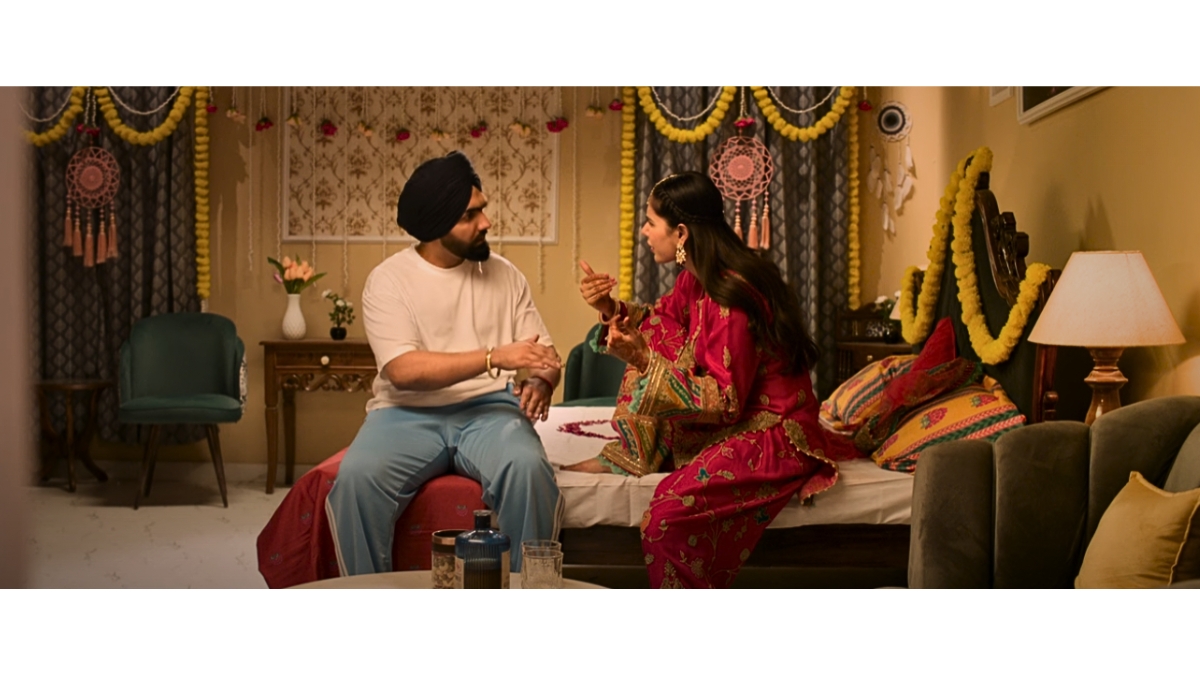
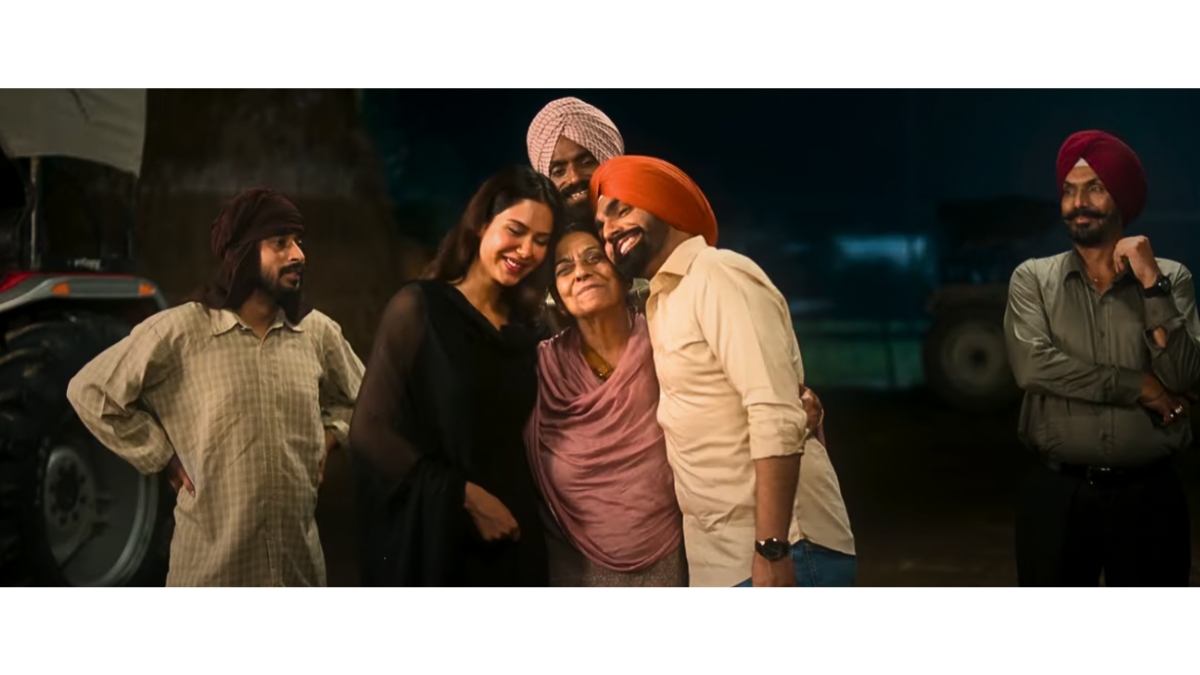
    Mumbai (Maharashtra) [India], October 2: In the Punjabi film universe, Nikka Zaildar has long been a dependable name — romance, rural charm, comic mishaps, and the signature chemistry of Ammy Virk and Sonam Bajwa. Now, the fourth chapter of the franchise is gearing up for its third act: Nikka Zaildar 4. But this time, the journey to the silver screen has had as many twists as the story itself. With floods swirling around Punjab, postponements, philanthropic pledges, and an eager audience on standby, the film’s path to release is proving as dramatic as one of its plot turns.

    It began with hope and a teaser. The official trailer, dropped recently, teases romance, mischief, and emotional spice in equal measure — a hallmark of the Nikka Zaildar brand. The pairing of Ammy Virk and Sonam Bajwa returns with familiar warmth; the visuals marry pastoral beauty with modern conflict, and fans are already speculating about the next chapter in Nikka’s life.

    Yet, once the trailer caught fire, the film’s release plans hit a snag. Initially slated for 12 September 2025, Nikka Zaildar 4 was postponed in light of severe floods in Punjab. The makers — White Hill Studios — cited sensitivity to the crisis: “In these tough times, it is our duty to stand with the people of Punjab.”

    They didn’t stop at announcements. The team pledged relief aid, promising to deliver trucks loaded with rations and essentials to affected regions. The message: this is more than a film release — it’s a gesture of solidarity.  The new release date? 2 October 2025 — a festival tilt and a nod to better timing.

    Nikka

    What the Film Promises

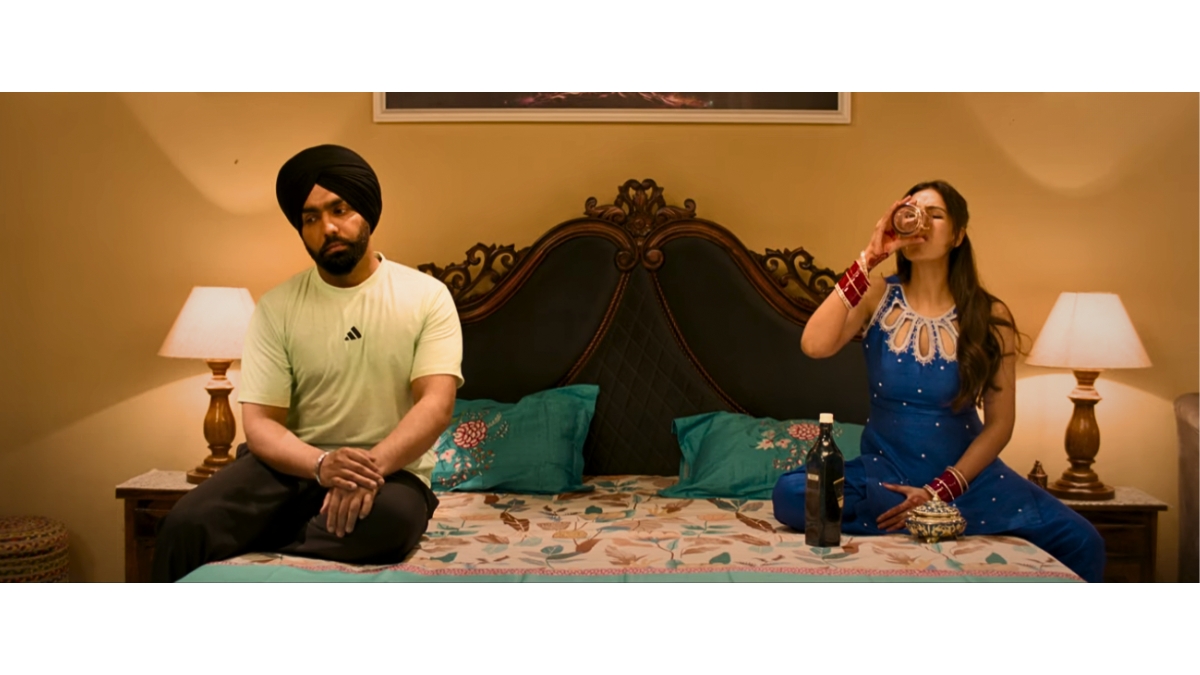
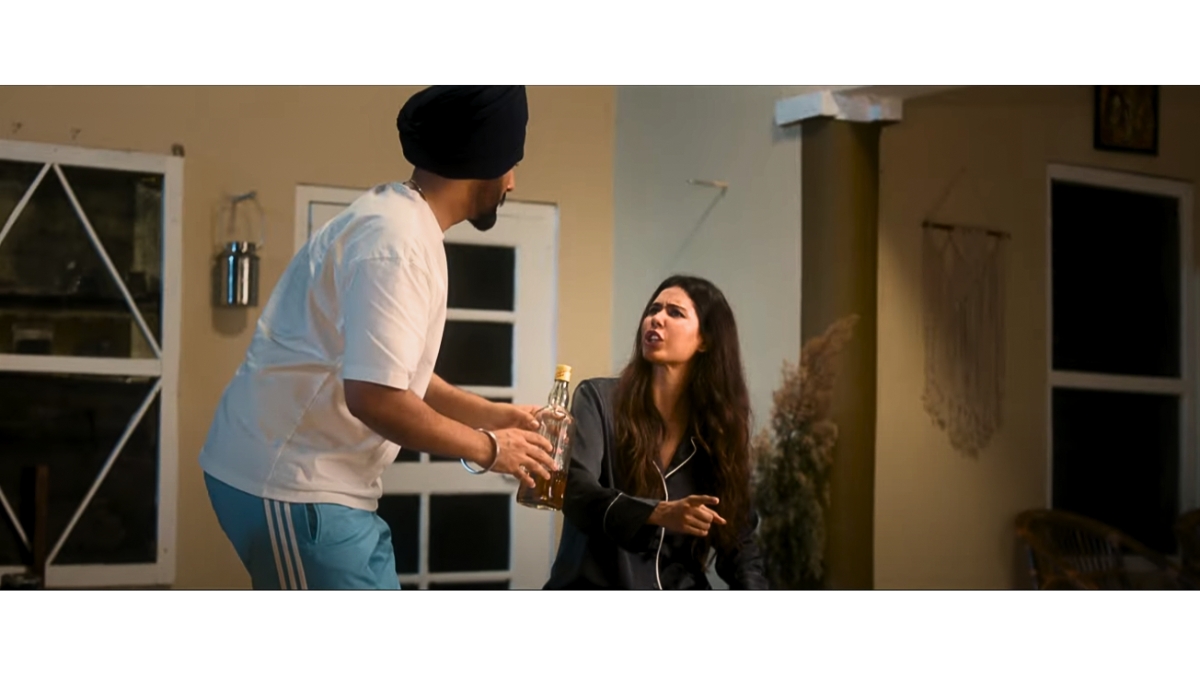
    According to IMDb, Nikka Zaildar 4 is directed by Simerjit Singh and written by Jagdeep Sidhu. The cast includes Ammy Virk, Sonam Bajwa, Nirmal Rishi, Sonia Kour, Nisha Bano, and more. The film’s core narrative pits the rural simplicity of Punjabi life against a romantic conflict: Nikka, initially uninterested in wrestling, falls for a Haryanvi woman passionate about the sport — setting the stage for emotional collision and humorous tweaks.

    On BookMyShow, the listing describes Nikka’s journey as one to win not just his beloved’s heart but also his traditional grandmother’s approval. Chaos, surprises, romantic turbulence — the ingredients are all there. The runtime is listed at 2h 16m, UA (family-friendly with caution).

    The trailer adds more hints: misdirections, moments of humour, reminders of prior Nikka Zaildar tropes, and a sense that this chapter will test the hero more than the previous ones.

    Nikka

    Strengths, Risks & Audience Expectations

    What Could Work in Its Favor

    • Brand equity & nostalgia: The Nikka Zaildar name carries goodwill. Fans of the first three films will come with emotional credits already in place.

    • Star pairing chemistry: Ammy and Sonam’s pairing has a rhythm many Punjabi films chase. Their comfort on screen offers familiarity, which the trailer leans on.

    • Solid backing: White Hill Studios has the clout to mount a wide release. Their flood-relief gesture also tempers the postponement as a principled move.

    • Emotional connect & setting: The rural-Punjab canvas, interlaced with a cross-state element (Haryana), gives room for cultural conflict and regional flavors; that’s often compelling for Punjabi audiences.

    Nikka

    Challenges & Potential Pitfalls

    • Flood-based delay fatigue: Multiple postponements can wear down buzz. Earlier, some reports even projected release on 21 October before settling on 2 Oct. Some fans may feel unsure about scheduling shifts.

    • Comparisons to prior chapters: Audiences will inevitably compare this fourth film to the first three. If Nikka Zaildar 4 doesn’t meet emotional or comedic expectations, critiques of “running on reputation” will emerge.

    • Box office clash: October is a busy season. If Idli Kadai, Kantara or Bollywood releases overlap, Nikka Zaildar 4 might lose screen share in multiplex-heavy regions.

    • Logistical & marketing drag: Advertising campaigns, posters, promotional circuits all get compressed with postponement. Cost overruns or rushed marketing could erode impact.

    Nikka

    Latest Buzz & Fan Reactions

    Social media lit up when the promotional trailer dropped, heralding “romance, drama, mischief” in bold fashion. Fans shared GIFs, quotes, and taglines. On Instagram, White Hill posted the postponement message; the comments ranged from “Proud of the decision” to “Can’t wait till October.”  Some fans expressed disappointment over the delay, but most applauded the solidarity with flood victims.

    In regional news, reports note that Shehnaaz Gill’s Punjabi film Ikk Kudi also postponed its release to October 31 in response to the floods. The pattern of delay underscores how the industry is aligning with relief efforts rather than pushing ahead blindly.

    Trade insiders are watching Nikka Zaildar 4 as a barometer for Punjabi cinema’s post-monsoon recovery. If it opens strong despite the delay, it will affirm that franchise loyalty still matters.

    Nikka

    What We Still Don’t Know (But Hope to)

    • Budget & revenue targets: The production cost hasn’t been publicly confirmed. With the delay, marketing costs likely rose.

    • Advance booking numbers: No credible data yet on pre-sales. But with bookings open on platforms like BookMyShow, early traction will be crucial.

    • OTT/satellite rights: Will the filmmakers balance theatrical exclusivity or rush to streaming? In Punjabi cinema, OTT deals are growing in importance.

    • Critical reception: We’ll soon see whether critics feel Chapter 4 brings novelty or recycles the formula.

    Final Take & Outlook

    • Nikka Zaildar 4 is taking the less-trodden path: launching in turbulent times, delaying for empathy, and hoping to ride on goodwill as much as brand power.

    • The central romance and rural milieu promise what the franchise is known for — light drama and heart. The success will hinge, however, on execution, freshness, and how well it justifies its delayed launch.

    • October 2 is both a gamble and a statement — the makers are betting that Punjab (and Punjabi audiences everywhere) are ready for a cinematic escape, even in the midst of recovery.

    • If the trailer is any indication, they’re not just asking the audience to return — they’re telling them something worth waiting for.

    PNN News

  • Shah Rukh Khan Becomes Bollywood’s First Billionaire | The Rise of the Billionaire Badshah

    Shah Rukh Khan Becomes Bollywood’s First Billionaire | The Rise of the Billionaire Badshah

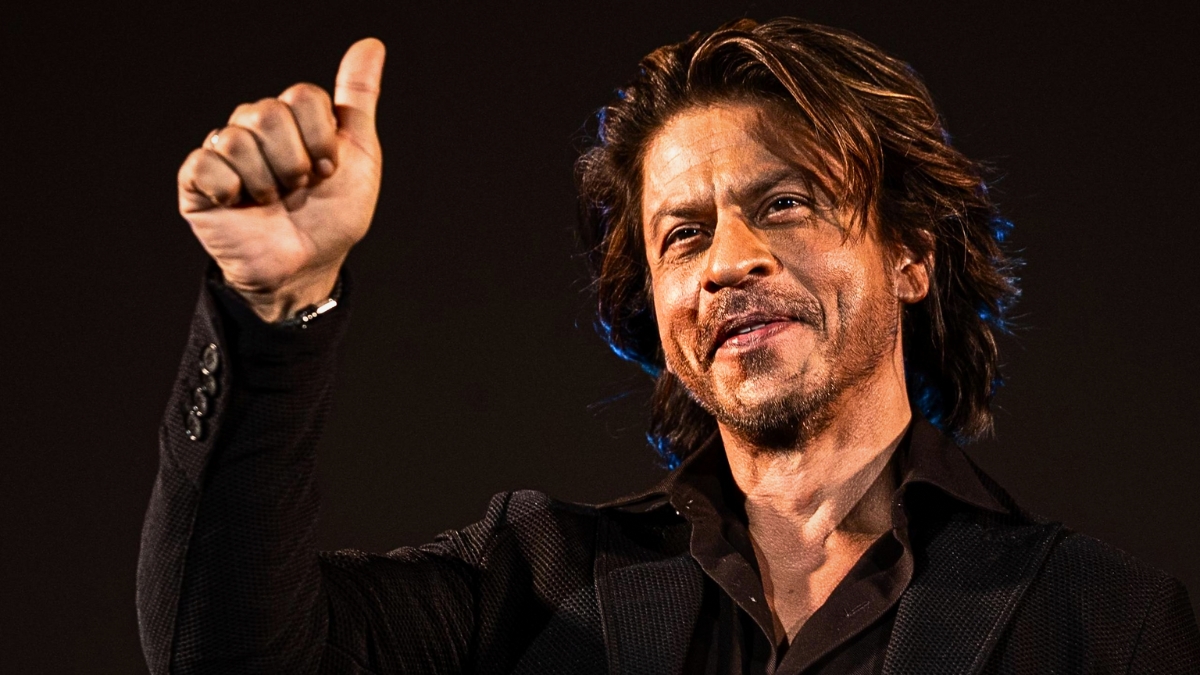
    Mumbai (Maharashtra) [India], October 2: When the world counts its billionaires, the usual suspects—tech moguls, oil barons, hedge fund sharks—dominate the list. But every once in a while, a story drops that redefines stardom itself. Enter Shah Rukh Khan, the man who taught the world that a “Rahul” or a “Raj” could be as bankable as any Silicon Valley founder. In 2025, the Badshah of Bollywood officially joined the billionaire club, clocking a staggering $1.4 billion net worth (₹12,490 crore), as per the Hurun India Rich List. And in case you’re wondering, yes, that’s richer than Taylor Swift, Selena Gomez, and several Hollywood A-listers combined.

    For a boy who once had no connections, no godfather, and no “backup plan,” this is not just a financial milestone—it’s a cultural coup. Shah Rukh Khan isn’t just the wealthiest actor in India anymore; he is, quite literally, the world’s richest entertainer.

    A Net Worth That Reads Like a Box Office Blockbuster

    The headline number is $1.4 billion. But what’s buried beneath those zeroes is the real story. While most actors rely solely on film fees and brand endorsements, SRK’s empire is a carefully curated web of cinema, cricket, luxury real estate, and equity bets that paid off better than any filmi climax.

    • Films & Acting Fees: After a quiet phase in the late 2010s, Khan roared back in 2023 with Pathaan and Jawan, films that together grossed more than ₹2000 crore worldwide. His ability to reinvent himself—playing action heroes in his late 50s while younger actors struggled to find their footing—cemented his box office dominance.

    • Red Chillies Entertainment: Not just a vanity production house, but a serious player in VFX and global distribution. In an era when Netflix and Amazon are desperate for content, SRK’s Red Chillies has turned into a goldmine.

    • Kolkata Knight Riders (KKR): When he bought into the IPL franchise in 2008, skeptics dismissed it as a vanity buy. Today, KKR is valued in the billions, riding on cricket’s unstoppable commercial wave.

    • Brand SRK: From Dubai’s real estate campaigns to luxury watches, from ed-tech endorsements to tourism boards, he remains India’s most sought-after face. Not to forget, he owns prime real estate himself—Mannat in Mumbai, a home in Dubai’s Palm Jumeirah, and properties in London.

    In short, SRK’s empire is what MBA case studies are made of—diverse, scalable, and driven by brand loyalty that refuses to fade.

    Billionaire

    The Global Comparisons: King Khan vs. Pop Royalty

    The Hurun report triggered global headlines, not merely because SRK topped Bollywood but because he leapfrogged global celebrities like Taylor Swift. Imagine that—an actor from Mumbai, who once danced on railway platforms in films like Dil Se, now financially outpaces the woman who practically runs the music industry.

    The comparisons are inevitable: Swift may own her masters, but Khan owns the game. His reach is as much emotional as it is financial—millions of NRIs across continents who buy tickets just to see him smile or spread his arms in the air.

    Yet, let’s not sugarcoat everything. While Swift reinvents music with every album drop, SRK’s filmography in the last decade wasn’t spotless. Projects like Zero and Fan were commercial disappointments. But if anything, his billionaire status proves that brand equity sometimes matters more than a box office hiccup.

    Critics Ask: Does Money Eclipse Art?

    With the billionaire tag, some critics argue that Shah Rukh Khan has crossed from being a “people’s superstar” into being a corporate behemoth. Can a man worth ₹12,490 crore still play the boy-next-door from Dilwale Dulhania Le Jayenge? Or has the distance between reel and real widened forever?

    Sarcastic voices online quip, “Guess Rahul doesn’t take the train to Zurich anymore; he flies private.” Others question whether such wealth dampens his risk appetite for experimental cinema. After all, why chase arthouse credibility when one has a cricket team, multiple production houses, and a villa that itself could fund three indie films?

    And yet, fans would argue: Shah Rukh was never about realism. He was about spectacle, charisma, and making the impossible feel personal. Perhaps being a billionaire is just the newest chapter in his brand mythology.

    The Cultural Currency of SRK

    Numbers aside, Shah Rukh’s real wealth lies in his cultural capital. He is, arguably, India’s greatest global ambassador—not appointed by the government but crowned by audiences. From German fans chanting “Mitwa” at festivals to Arab nations treating him like royalty, SRK embodies India’s soft power in a way few politicians or diplomats could.

    Social media has only amplified his reach. The announcement of his billionaire milestone saw hashtags like #BillionaireBaadshah and #KingKhanForever trend worldwide. Celebrities chimed in too—filmmaker Karan Johar called him “India’s greatest export after yoga,” while global entrepreneur Anand Mahindra tweeted, “Proof that storytelling can be more lucrative than steel.”

    Billionaire

    Spending Power and Philanthropy

    With wealth comes responsibility, and here’s where the conversation turns nuanced. While SRK is known for his quiet philanthropy—funding children’s hospitals, supporting acid attack survivors, donating during COVID—critics note that his charity isn’t as high-profile as his wealth accumulation. Compared to Hollywood billionaires like Oprah or Jay-Z, SRK’s philanthropic portfolio could be showcased more aggressively.

    But perhaps that’s deliberate. He has often said he prefers his donations not to make headlines. In an age of performative philanthropy, maybe understatement is his brand of rebellion.

    Beyond the Billions: What Next?

    Now that the “Billionaire Baadshah” tag is official, what comes next? Insiders suggest that SRK is already eyeing OTT dominance with multi-film collaborations and global partnerships. Red Chillies VFX is being positioned as a Hollywood-scale competitor. And KKR is reportedly in talks for further overseas expansion.

    On the cinematic front, speculation is rife about his next release—rumors swirl around a collaboration with Rajkumar Hirani and possibly a Netflix-backed international project. If true, the world might see SRK not just as Bollywood’s king but as a legitimate global film mogul.

    Curtain Call

    Shah Rukh Khan’s billionaire status isn’t just about the billions—it’s about the narrative. From Delhi’s middle-class boy who once slept on railway platforms to a man who now owns palaces, franchises, and a cultural empire, his journey is as cinematic as the films that made him.

    And if you still think money and magic don’t mix, just wait till his next arms-wide-open pose hits the screen. Because in the universe of Shah Rukh Khan, wealth is just another prop—the real blockbuster is always the man himself.

    PNN News

  • Rags-to-Riches Script That Even Bollywood Couldn’t Write Better

    Rags-to-Riches Script That Even Bollywood Couldn’t Write Better

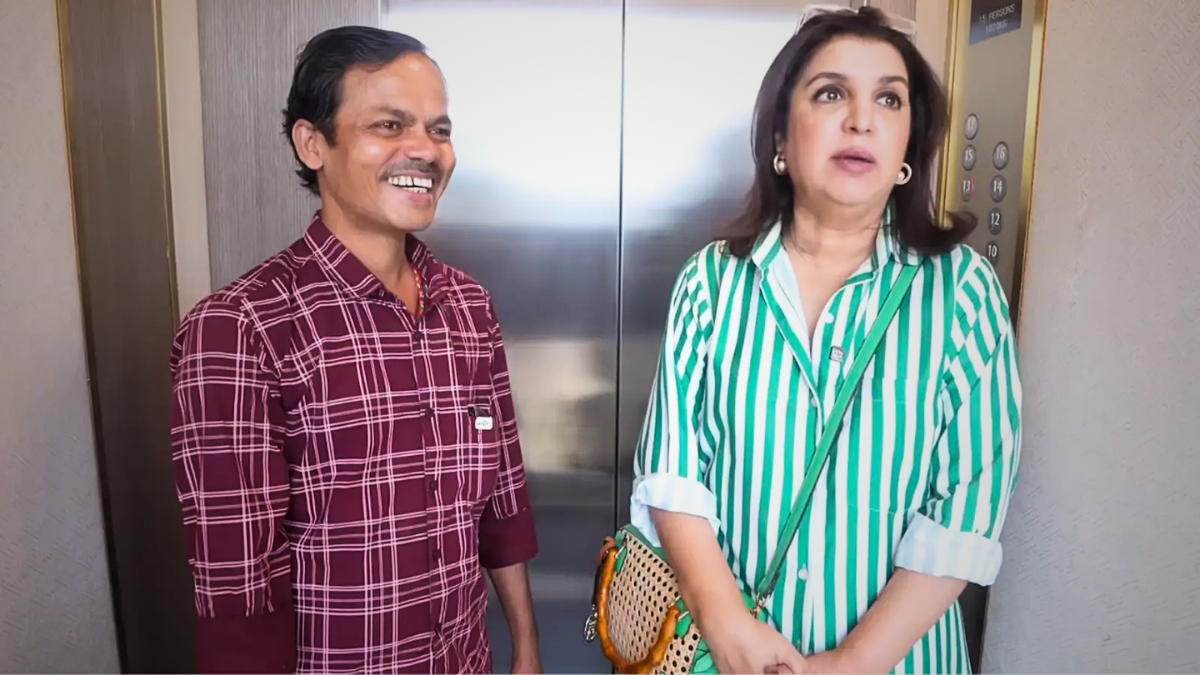
    Mumbai (Maharashtra) [India], October 2: Bollywood often thrives on melodrama—fallen heroes, sacrificial mothers, and phoenix-like resurrections. But sometimes reality outshines fiction. Enter Farah Khan, a woman who once had to roll out a mattress on a cold floor in Mumbai’s Nehru Nagar Society, and today casually hosts soirées in a three-storey mansion with a swimming pool. If that’s not a storyline worthy of a blockbuster, what is?

    Farah’s recent vlog series took her fans on a trip down memory lane—except this “trip” wasn’t through designer corridors or luxury vanity vans. It was through the one-bedroom apartment where she, her parents, and siblings survived the aftermath of her father Kamran Khan’s cinematic misadventure. His film bombed, creditors came knocking, and the family traded sofas and jewelry for debts and despair.

    Yet, in a delicious twist of fate, the girl who once had no sofa to sit on is now among the biggest names in an industry that sells dreams.

    A Reality Check That Smells of Nostalgia

    Walking into her old flat, Farah didn’t sugarcoat the struggle. “This was our entire kingdom,” she joked, pointing out that her current storeroom could probably swallow the place whole. There was no telephone—neighbors doubled up as human intercoms. The “bedroom” was essentially a crash pad for five people, and the kitchen was so tight that making dal must have felt like an Olympic sport.

    Her loyal cook Dilip, who accompanied her, quipped that even his present-day pantry is bigger. Sarcasm aside, Farah made it clear—hard work wasn’t just her ticket out, it was her family’s lifeline. She even helped Dilip upgrade to a bigger home, proving that sometimes success has room for generosity too.

    Poverty, Alcohol, and a Father’s Fall

    Farah’s father’s career nosedived faster than a box office dud on opening weekend. Within days, the family plunged below the poverty line. Cars, furniture, and even her mother’s jewelry were sold to plug financial leaks. At one point, their drawing room became a rental space for small gatherings. Meanwhile, her father’s struggle with alcoholism deepened the family’s woes, eventually breaking up the marriage.

    Her father passed away with almost nothing to his name—a cautionary tale in an industry where fortunes are built and lost overnight.

    Bollywood

    The Bollywood Breakthrough

    Despite it all, Farah was never one to wallow. The young girl who couldn’t afford a couch eventually choreographed some of Bollywood’s most iconic songs. Her first big break came with Pehla Nasha in Jo Jeeta Wohi Sikandar (1992)—a track that still gives millennials goosebumps. From there, she turned Bollywood into her dance floor, collaborating with superstars like Shah Rukh Khan, Salman Khan, and Hrithik Roshan.

    But why stop at choreography when you can call “Action!”? Farah donned the director’s hat and gifted audiences with hits like Main Hoon Na and Om Shanti Om. Sure, not all her films were goldmines (Tees Maar Khan, anyone?), but her batting average remains enviable.

    A Contrast Too Stark to Ignore

    Today, Farah resides in a palatial home that often doubles as a gossip magazine’s set-piece—plush interiors, expansive balconies, and that quintessential Bollywood swimming pool. The contrast between her Nehru Nagar past and present-day luxury is so sharp it could cut glass.

    But while fans are lapping up her nostalgic vlog, critics aren’t entirely buying the “humble beginnings” angle. Some argue it’s yet another instance of Bollywood celebrities romanticising poverty for relatability, only to retreat back into their marble-floored mansions. The cynicism isn’t unfounded—Bollywood loves a good sob story, especially when packaged with a luxury endorsement.

    Bollywood

    Trending Today

    Farah’s trip down memory lane has sparked a frenzy on social media. Twitter (or X, if we’re being painfully up-to-date) is brimming with praise for her candidness. “Farah Khan is realer than half the industry,” one user posted, while another quipped, “If only Tees Maar Khan had half the heart her vlog does.” Ouch.

    Meanwhile, Instagram reels of her revisiting the flat are being shared like wildfire, with fans calling it “inspiring” and “emotional.” Even younger Bollywood aspirants have chimed in, using her story as proof that dreams can sprout in the unlikeliest soil—even a cramped one-bedroom in Nehru Nagar.

    Beyond Empathy, a Subtle PR Masterclass

    Make no mistake—this isn’t just nostalgia. It’s smart branding. At a time when Bollywood struggles with disconnect accusations, Farah’s story humanises her. It puts her in the league of “relatable” celebrities—a valuable currency in today’s influencer-driven market. In PR terms, it’s a masterstroke: vulnerability wrapped in success.

    But here’s the kicker: unlike many, Farah’s struggle is undeniably real. The absence of a sofa wasn’t a metaphor; it was Tuesday night reality.

    Bollywood

    The Legacy of Grit

    Farah Khan’s narrative isn’t just about survival—it’s about reinvention. From choreographer to filmmaker to reality TV judge, she’s consistently stayed relevant in a ruthless industry. She’s also turned her personal story into a larger conversation about resilience, reminding an audience increasingly weary of nepotism tales that not every Bollywood story begins with a silver spoon.

    Her journey underscores a universal truth: talent may get you noticed, but tenacity writes the script.

    Final Frame

    Farah Khan’s revisit to her Nehru Nagar roots wasn’t just an emotional stroll—it was a reminder that Bollywood’s biggest stories often begin outside the limelight. It was also a sly wink at the fickleness of fate. After all, what’s more cinematic than a woman who once had no sofa now making blockbusters where couches are just props?

    So yes, the girl who once rolled out a mattress on the floor is now rolling out red carpets for the world’s biggest stars. Life, it seems, choreographed her journey better than any Bollywood script ever could.

    PNN News

  • ‘Kantara: Chapter 1’ — A Majestic Return with Legends, but Shadows Lurk Behind the Light

    ‘Kantara: Chapter 1’ — A Majestic Return with Legends, but Shadows Lurk Behind the Light

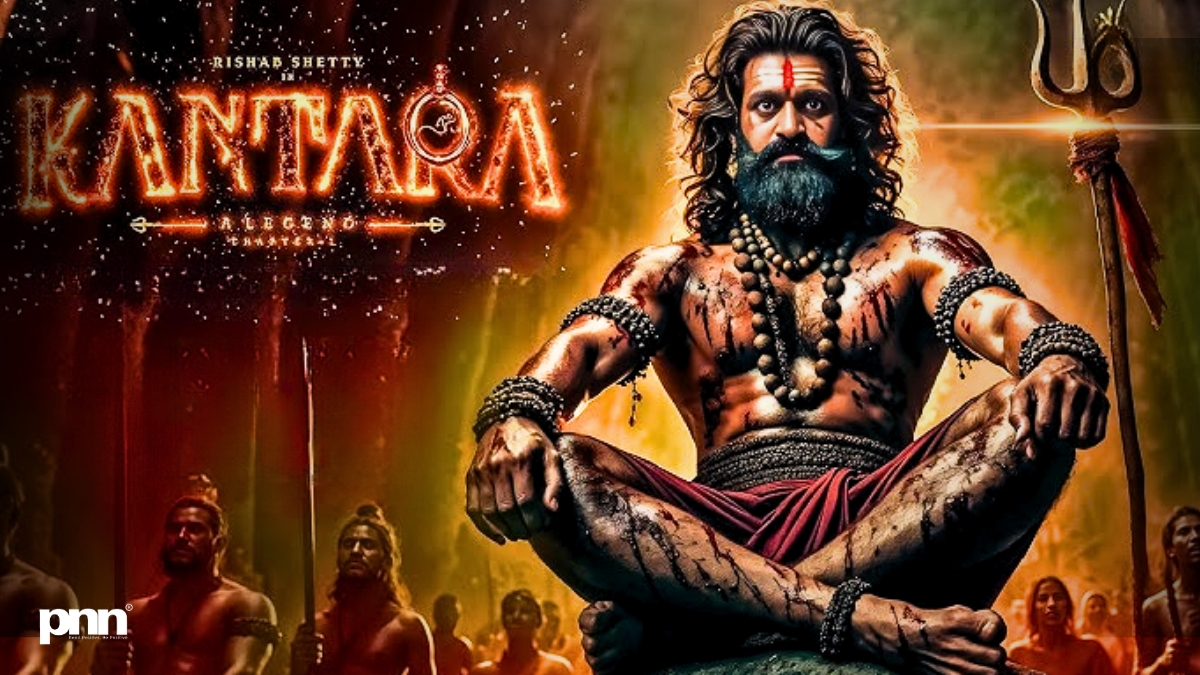
    Mumbai (Maharashtra) [India], October 2: Sometimes cinema doesn’t just open; it breathes. Kantara: Chapter 1, the long-awaited prequel to the 2022 phenomenon Kantara, promised that kind of visceral resonance — an origin story steeped in myth, folklore, and cosmic conflict. Now that it’s in theatres, we’ve glimpsed both its triumphs and its frailties. Let’s dig into why this film might remake expectations — yet still risk being outshone by its own ambition.

    If I were handing out tickets based on excitement alone, Kantara: Chapter 1 would be booked solid. The buzz preceding its release was deafening. On X (Twitter), cinephiles already crowned Rishab Shetty “master storyteller,” applauded the world-building, and hyped a “goosebumps climax.” Paid previews reportedly sold over 1 million tickets before Day 1, and trailers alone stoked cultural pride and curiosity.

    That said, cinema is cruel to hype. The film asks a lot from its audience: patience, suspension, belief in gods and curses, and trust that its mythos will pay off. On some counts, it does — magnificently so. On others — less so.

    Kantara

    Weaving the Tale: What Kantara: Chapter 1 Offers

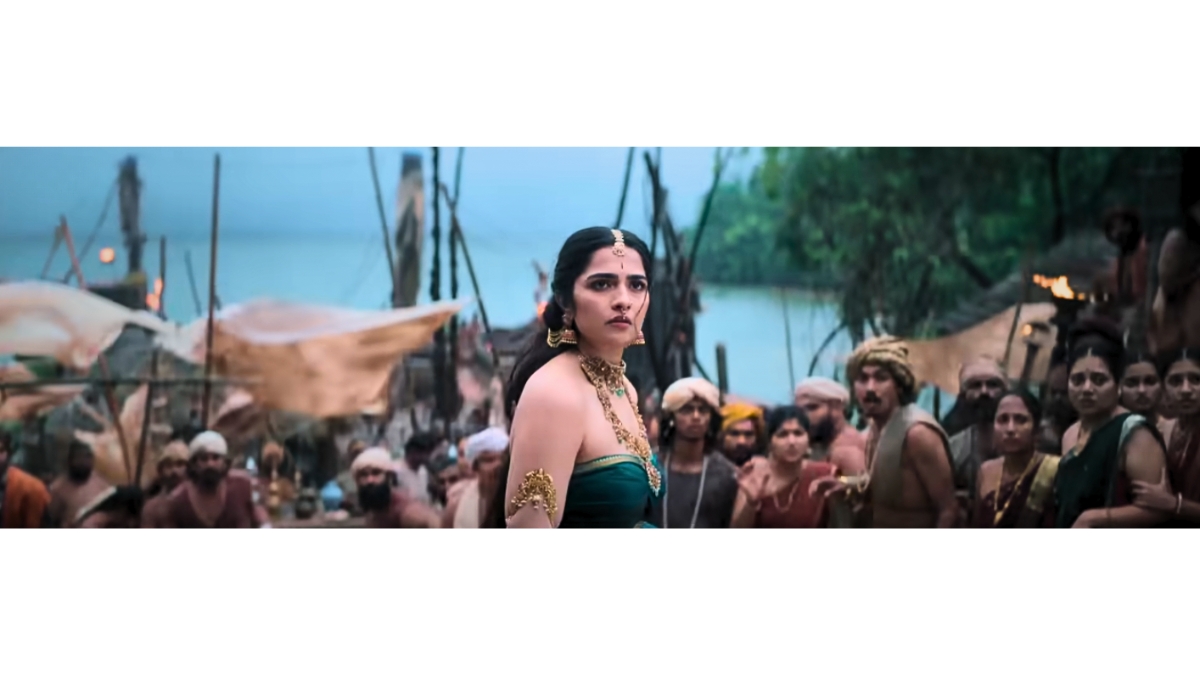
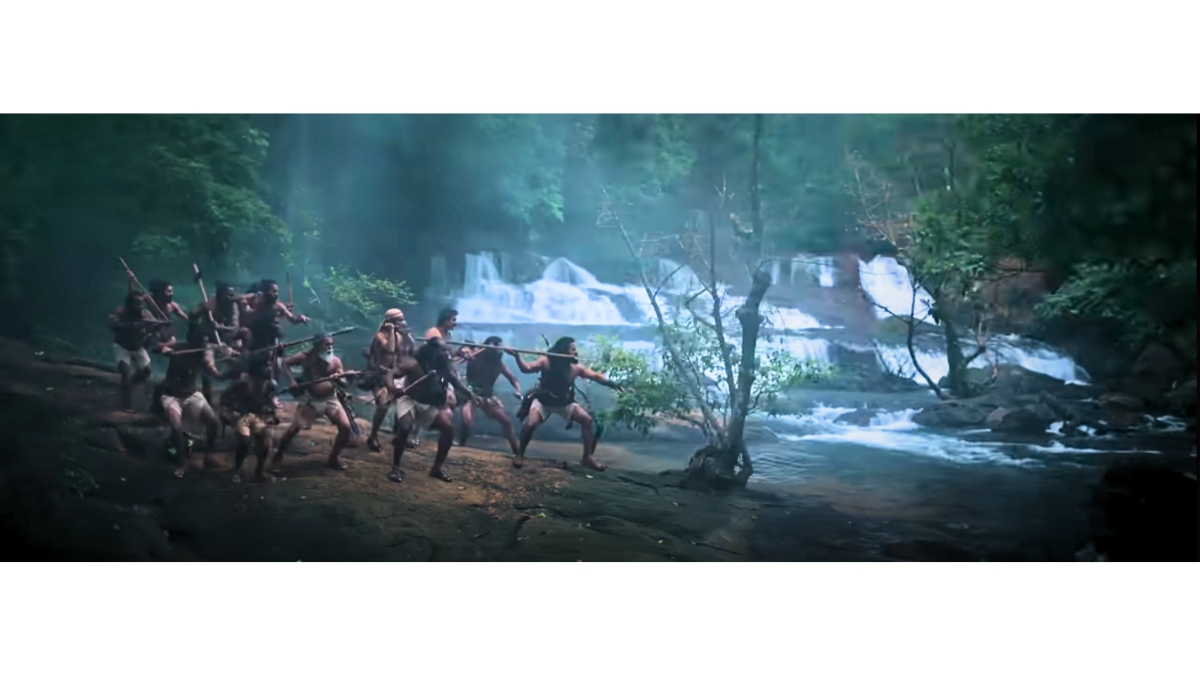
    Directed, written, and led by Rishab Shetty, Chapter 1 takes us back to the Kadamba era in coastal Karnataka, digging into the ancient roots of the Bhuta Kola ritual, ancestral conflict over land and faith, and a hero’s mythic journey. Shetty reprises the role of Berme, embodying a fierce, haunted protagonist whose inner turmoil echoes across nature, divinity, and folklore. Opposite him is Rukmini Vasanth as Kanakavathi, a royal figure whose ambitions, love, and political weight enrich the emotional axis of the film. Jayaram, Gulshan Devaiah, and others support, lending gravitas to shifting allegiances, betrayals, and cultural weight.

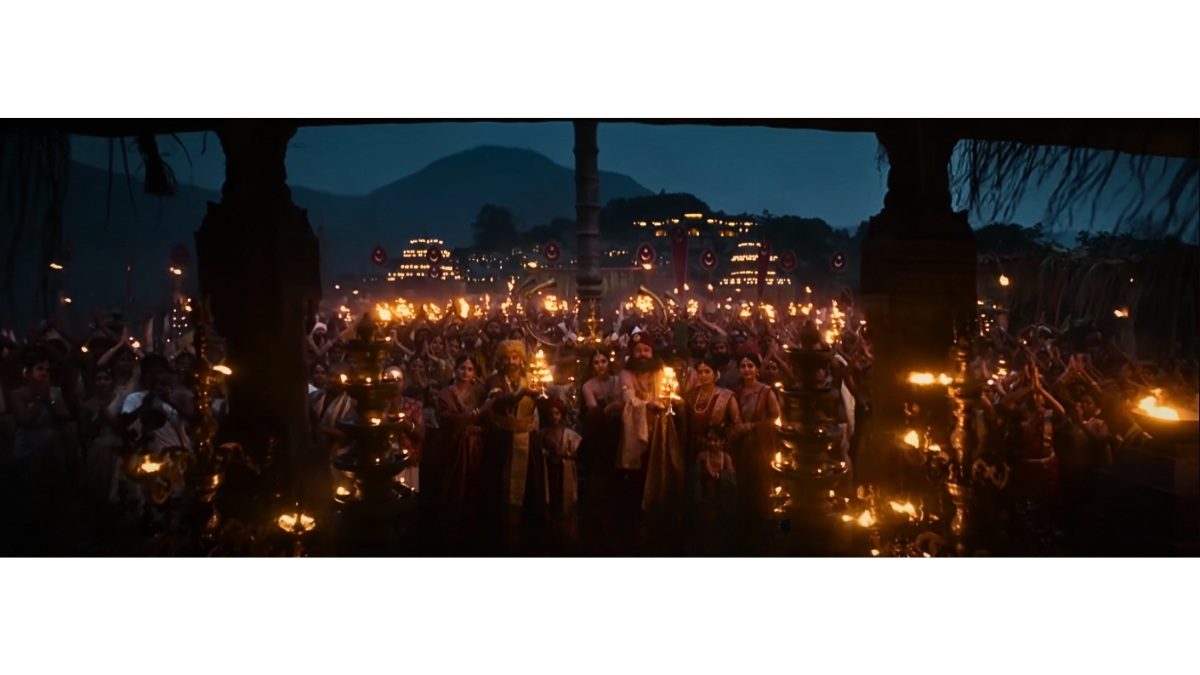
    Visually and technically, the film is swathed in grandeur. Arvind S. Kashyap’s cinematography captures dense forests, misty rivers, rugged landscapes — landscapes that feel fated, not decorated.  B. Ajaneesh Loknath immerses the narrative with a score that pulses with elemental energy.  The visual effects, especially in the ritualistic, supernatural sequences, make you lean forward, hoping the cinema frame never gives out.

    The film’s narrative pacing is uneven: the first half moves with foreboding elegance, building toward the interval with tension, portentous visuals, and hints of fate. After intermission, the scale increases — actions widen, stakes rise, mystical confrontations intensify. Some sequences sparkle; others strain under their own weight.

    Kantara

    Where the Saga Soars — and Where It Stumbles

    Highlights That Conjure Wonder

    • Climactic power & emotional payoff: Many reviews, including India Today’s, highlight how the film holds itself together best when it leans into full mythic tilt, especially in its last 30–40 minutes.  The “Guliga scream” — a terrifying motif from Kantara — resurfaces, varied and terrifying, and feels evolutionary rather than repetitive.

    • Lead performances anchoring the spectacle: Shetty’s Berme commands presence; his physicality, emotion, and internal fractures are palpable. Rukmini Vasanth matches him, holding her role with dignity and layered agency. Jayaram and others bring depth, especially when resonance is needed in quieter moments.

    • Technical mastery: The film’s immersive world owes much to its visual design, soundscape, and editing. Yes, it’s loud. Yes, it’s dramatic. But for the most part, those choices feel deliberate.

    • Word-of-mouth momentum: Early reviews are overwhelmingly positive; social feeds are ablaze with praise. Many viewers are calling it a spiritual, cinematic experience that demands the big screen. North American premier shows reportedly crossed half a million USD in collections.

    Kantara

    Cracks in the Mythic Facade

    • Draggy stretches & pacing fatigue: While the first act earns you, there are moments mid-second half where the film lags. Scenes that dwell too long, narrative detours that feel more ornamental than necessary — these slow the momentum. Some critics noted that parts of the storyline feel “overstuffed” or too ambitious in exposition.

    • VFX inconsistency: When the film leans fully into visual spectacle, the results largely impress. But a few sequences betray limitations — compositing flaws, sketchy CGI edges — which momentarily break immersion. Critics flagged this as a minor but noticeable shortcoming.

    • Conversational and comedic missteps: Some dialogues or attempts at levity feel jarring against the somber, mythic tone. A few audience voices on social media suggest that comic relief doesn’t always land, sometimes diluting tension rather than lifting it.

    • Overhype burden: The 2022 Kantara ambled into folklore-myth territory with freshness. Now, the expectations are colossal. Some voices warn that the film leans too heavily on legacy — that it expects emotional returns based on name brand alone. One particularly scathing reaction on social media called it “overhyped, with poor writing.”

    Also worth noting: in production, there’s been controversy. The tragic death of a junior artist on set (MF Kapil, drowned in a river) had stirred calls for greater safety protocols. and earlier reports about a boat capsizing while filming were publicly denied by the team. These incidents shadow the glamour, reminding audiences of cinema’s real risks behind art.

    Kantara

    Box Office, Projections & Stakes

    • As per Sacnilk, Kantara: Chapter 1’s pre-sales rocketed to ₹19.44 crore (gross) — breaking into the top 10 advance bookings of 2025. Koimoi

    • Early reports place Day 1 collection (India net) around ₹18.8 crore by afternoon. Some analytic estimates suggest the film might touch ₹30–40 crore net, propelled by Dussehra holiday footfalls and strong single-screen traction.

    • Overseas, its premiere shows in North America surpassed US$500,000 — a promising marker for its pan-India and global ambitions.

    • In trade commentary, Kantara: Chapter 1 is being positioned as one of 2025’s last viable contenders for the ₹1,000 crore club. But even optimistic voices admit that’s a tall order — especially given the early underwhelming advance booking in the Hindi belt.

    • Its runtime is 168 minutes (a long haul for mainstream audiences). The certification is U/A, which may slightly limit audience segments.

    So far, the film’s theatrical gamble is paying off, especially in its core Kannada market and among cinephiles. But its long-term fortunes will pivot on sustained word-of-mouth, evening occupancy, and multilingual pull.

    Kantara

    If I Had to Write the Press Note (Polished, Not Pretentious)

    Kantara: Chapter 1 is not just a prequel — it’s a metamorphosis. With Rishab Shetty at the helm, the film recasts mythology, folklore, and faith into a living, breathing world. The visual palette, soul-stirring score, and lead performances converge to deliver an epic rooted in emotion. Sure, the film strains at edges: pacing sag, VFX inconsistencies, occasional tonal misfires. But its wounds are minor compared to its majesty. With advance bookings already crossing ₹19 crore and global previews making waves, Chapter 1 may well be the folklore resurgence Indian cinema needs this year.

    Final Take: Should You Watch It?

    Yes — Kantara: Chapter 1 is worth your theatre seat and your emotional investment. If you crave spectacle, myth, lush ambition, and a film that dares to make you believe in gods again, it delivers. But go in with tempered expectations: the journey is uneven, occasionally over-earnest, and asks that you surrender to its worldview more than question it.

    On balance, I’d rate it 4 / 5 stars — a film that hovers near greatness, stumbles just slightly, but dazzles often enough to redeem itself.

    If it sustains box office momentum and avoids the “was great but I expected more” whisper, it might be spoken of for years — a legacy extension worthy of the original Kantara.

    PNN News