Tag: entertainment

  • Kuch Alfaaz by Nitinn R Miranni Sparks an Unforgettable Night

    Kuch Alfaaz by Nitinn R Miranni Sparks an Unforgettable Night

    Mumbai (Maharashtra) [India], October 16: When melody meets meaning, the result isn’t just entertainment — it’s electricity. Kuch Alfaaz by Nitinn R Miranni, powered by Haier India, is gearing up to deliver exactly that: an evening where poetry, music, and emotion crash into each other like fireworks.

    A Night Where Words Dance and Music Breathes

    Some shows entertain. Others move you. Kuch Alfaaz aims for the latter — a full-bodied experience that swings between laughter, nostalgia, and soul-stirring silence. On one side of the stage stands Nitinn R Miranni, the globally loved stand-up and spoken-word artist who can make you laugh, tear up, and rethink your life — all within the same sentence. On the other side, Akriti Kakar, the powerhouse voice behind Bollywood chartbusters and independent hits, brings a storm of melody and emotion.

    The duo plans to turn a simple night out into something deeper: an emotional soundtrack to real life.

    Kuch Alfaaz by Nitinn R Miranni, to be Performed by Akriti Kakar - PNN

    When Haier Meets Heart

    Backing this creative collaboration is Haier India, a brand that’s quietly been redefining how partnerships in entertainment work. This isn’t just another “brand tie-up.” It’s smart synergy — art meeting innovation. Haier’s involvement underscores how experience-driven storytelling can bridge creativity and lifestyle.

    The Format: Part Concert, Part Confession

    The performance isn’t your typical sit-back-and-watch affair. It’s part live concert, part open journal.
    Nitinn brings his trademark wit, vulnerability, and quicksilver charm to the mic — effortlessly moving from heartfelt poetry to razor-sharp humor. Akriti matches that energy with vocals that glide from velvet to thunder, pulling the audience along for the emotional ride.

    Their chemistry doesn’t just complement; it completes. When his words meet her notes, you get that rare “hair-standing-on-end” kind of magic — the sort you can’t fake.

    Kuch Alfaaz will be a shared heartbeat between the performer and the audience. It’s where laughter meets silence, where stories become songs, and where emotions flow freely,” says Nitinn R Miranni.

    There’s something profoundly beautiful about blending music with poetry and raw emotion,” adds Akriti Kakar.

    They’re not exaggerating. If you’ve ever been to a Miranni gig or an Akriti live set, you know — their performances don’t ask for your attention; they command it.

    A Moodboard of Nostalgia and Nerve

    Expect Kuch Alfaaz to play like a well-curated playlist of life itself — laughter, heartbreak, hope, and all the mess in between. One minute, you’re chuckling over Nitinn’s punchlines; the next, you’re lost in Akriti’s soaring melody that hits just the right nerve.

    It’s this duality that makes the event more than a show — it’s therapy disguised as entertainment. The kind you don’t realize you needed until you’re in the moment.

    The Big Picture: Redefining Live Experiences in India

    Live entertainment in India has exploded over the last decade — from stadium-filling concerts to cozy spoken-word evenings. Yet, Kuch Alfaaz feels like a step up. It’s not trying to impress with scale. It’s aiming for impact.

    In a post-pandemic world where audiences crave authenticity, Kuch Alfaaz fits the brief. It’s intimate, emotional, and raw — a reminder that art doesn’t need pyrotechnics to be powerful.

    Why It Matters

    For India’s ever-evolving creative ecosystem, collaborations like this are important signals. They prove that brands, artists, and audiences can meet on a shared wavelength — one that values sincerity as much as spectacle.

    Kuch Alfaaz by Nitinn R Miranni isn’t just about one night of great music and poetry. It’s about how entertainment can still make you feel something real. And that’s rare in a world obsessed with filters and virality.

    The Bottom Line

    When words find rhythm and rhythm finds purpose, the outcome is pure creative combustion. Kuch Alfaaz is that spark — unapologetically emotional, effortlessly cool, and proudly human.

  • Industrialists, celebrities attend 70th Filmfare Awards 2025 in Ahmedabad

    Industrialists, celebrities attend 70th Filmfare Awards 2025 in Ahmedabad

    Ahmedabad (Gujarat) [India], October 14: The 70th Filmfare Awards 2025 were held at EKA Arena in Ahmedabad on Sunday, bringing together leading figures from India’s film and business sectors in a celebration of cinema and culture. The annual awards, organised by Filmfare, recognised performances and technical achievements across Hindi cinema. The event also marked Filmfare’s first edition hosted in Gujarat. Actors Shah Rukh Khan, Akshay Kumar, Karan Johar and Kajol were among several prominent names from the film industry who attended. From the business community, industrialist Dr. Rohit More was present at the ceremony, reflecting a growing trend of collaboration between India’s enterprise and entertainment sectors.

    Dr. More, who heads Aristocrat Rainwear and Just School Enterprise, and serves as Director at Dollar Garments, has previously worked on brand collaborations involving several Indian film personalities like Ranbir Kapoor, Akshay Kumar, Shraddha Kapoor, Kareena Kapoor Khan, Shahrukh Khan, Tiger Shroff, Bhaichung Bhutia, and Deepak Chahar Speaking briefly at the event, he said that business and creative industries are increasingly finding common ground.

    “Industries are converging. Business leaders today engage with creativity and culture in ways that go beyond commerce,” he said.

    Observers say such participation from business leaders at major entertainment events underscores how India’s cultural economy is expanding beyond traditional boundaries.

    In recent years, several Indian companies have partnered with actors and filmmakers for campaigns, endorsements, and social initiatives — a trend that highlights the integration of business strategy and creative influence.

    Apart from the awards ceremony, the evening included live performances and special tributes to notable contributors to Indian cinema. The event drew an audience comprising film professionals, corporate representatives, and media persons.

    The Filmfare Awards, first held in 1954, are among India’s oldest and most recognised platforms honouring excellence in the Hindi film industry. The 2025 edition featured award categories across acting, direction, production design, music, and technical achievement. Winners were selected based on jury evaluation and audience votes. According to organisers, hosting the awards in Ahmedabad aimed to expand Filmfare’s regional reach and celebrate Gujarat’s growing role in India’s creative and media industries. The event concluded with a closing ceremony attended by artists and guests from across the country.

    If you object to the content of this press release, please notify us at pr.error.rectification@gmail.com. We will respond and rectify the situation within 24 hours.

  • Bogotá: City of the Lost – Song Joong-ki’s Crime Odyssey That Loses Its Way but Finds Its Legacy

    Bogotá: City of the Lost – Song Joong-ki’s Crime Odyssey That Loses Its Way but Finds Its Legacy

    Mumbai (Maharashtra) [India], October 14: It’s not every day that South Korea’s golden boy, Song Joong-ki, trades sharp suits for dusty jackets, suave monologues for silent rage, and Seoul skylines for Colombian chaos. But in Bogotá: City of the Lost, directed by Kim Sung-je, that’s exactly what happens. The long-delayed crime thriller has finally reached the world — streaming now on Netflix — and if one thing’s certain, it’s that even a half-broken Joong-ki still commands the screen like few others can.

    The story kicks off in the late 1990s, when Korea’s financial crisis pushes Guk-hee (Song Joong-ki) and his family to the rough terrains of Bogotá, Colombia — a far cry from the glitzy Hallyu backdrop he’s usually framed in. There, the dream of a fresh start quickly morphs into a fight for survival. From street hustler to underground businessman, Guk-hee’s transformation feels Shakespearean, a fall and rise soaked in blood and ambition. By the time he’s facing off against corrupt cartels and an unforgiving city, he’s no longer the boyish charmer from Vincenzo — he’s a man rewriting his own code of ethics, one deal at a time.

    That’s the beauty — and curse — of Bogotá: City of the Lost. It wants to be everything at once: a survival tale, a political thriller, and a redemption arc. But sometimes, in trying to be too many things, it ends up feeling like an unfinished masterpiece. The ambition is evident, the execution — not always.

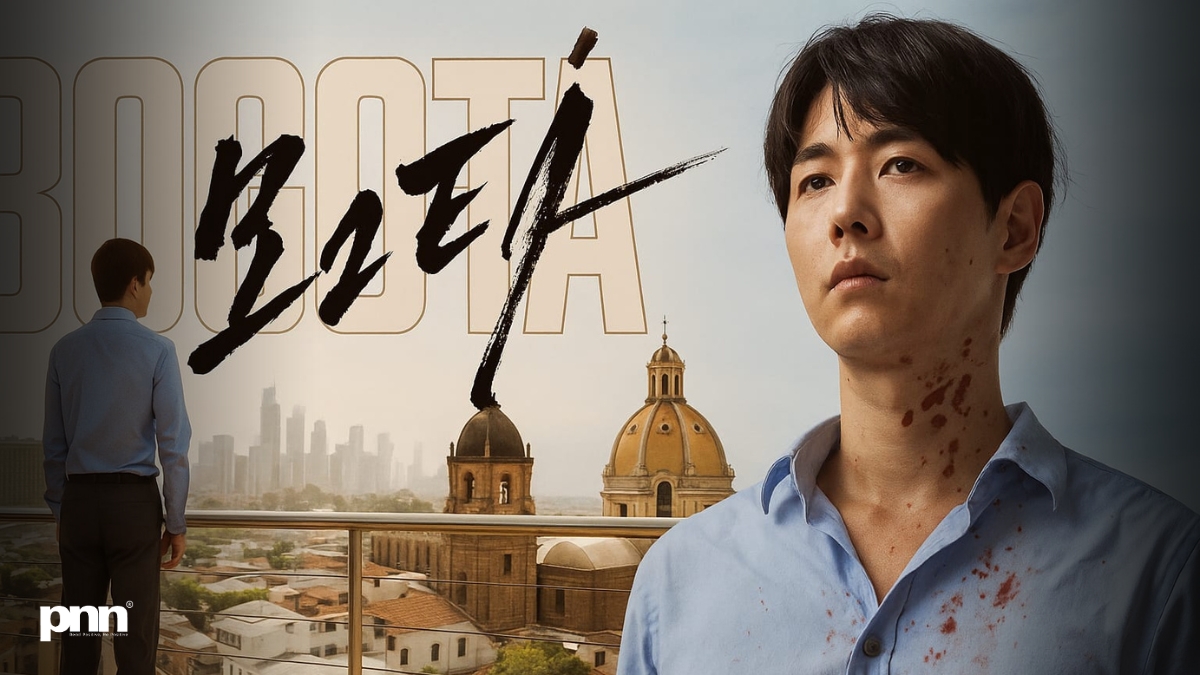
    Bogotá

    A Production Caught Between Two Worlds

    To appreciate the film, you need to understand the storm it survived. Bogotá began filming in 2020 and was halted midway due to the pandemic. Production moved back to Korea from Colombia, forcing a narrative and tonal rework. The reported budget exceeded ₩30 billion (around $22 million) — a hefty sum for a Korean noir. With so much money and expectation hanging over it, the film became something of a test case for big-budget Korean crime cinema outside Asia.

    Visually, the gamble pays off. Cinematographer Lee Seon-yong paints Colombia with rich, almost suffocating hues — markets glowing under merciless sun, back alleys echoing with despair. The contrast between lush landscapes and violent undercurrents mirrors Guk-hee’s own evolution: a dreamer corroded by survival.

    Yet, the tonal inconsistency is hard to ignore. Critics like NDTV’s Saibal Chatterjee were quick to point it out, giving the film 2.5 stars, stating that it “falls short of its potential but never loses its grim allure.”

    He’s right — the film sometimes feels like a fever dream edited in fragments. Still, even when it fumbles, it fumbles beautifully.

    Bogotá

    Song Joong-ki: Charisma Under Dust and Desperation

    Let’s get this out of the way — Song Joong-ki is the movie. If his earlier turns in Vincenzo or Reborn Rich showed tactical brilliance, Bogotá reveals something more primal: a man learning that even the purest intentions rot in foreign soil. His controlled rage, subdued dialogue delivery, and subtle gestures — all speak louder than the action sequences.

    GQ India called it “his darkest role yet — one where charm becomes camouflage.”

    And that’s what keeps viewers watching — Joong-ki’s restraint. In a film riddled with gunfights, smuggling, and betrayal, it’s his silence that hits hardest.

    The supporting cast — including Lee Hee-joon as the morally conflicted mentor and Ryu Seung-beom as a slick underworld broker — bolsters the narrative, though they rarely get space to breathe. One wishes the script gave them the same emotional weight Joong-ki’s arc enjoys.

    Bogotá

    From Box Office Failure to Streaming Resurrection

    Here’s where Bogotá surprises everyone. When it released in Korean theaters earlier this year, it struggled — barely managing to cross ₩3.7 billion (~$2.7 million) in box office revenue, well below expectations. For a project that sat on shelves for nearly four years, it looked like the dream was over before it began.

    And then came Netflix. Within two weeks of its OTT release, Bogotá: City of the Lost shot to the No. 1 spot in Korea, Top 10 in 14 countries, and a trending rank in India — proving once again that global audiences often see what domestic box offices miss.

    That’s poetic justice — the kind of second act even Guk-hee would appreciate.

    Bogotá

    The Ending That Sparked Theories

    Without spoiling too much, the film’s finale — involving a mysterious “Zone 6” and a confrontation between faith and futility — has divided audiences. Some argue it’s Joong-ki’s best ending since Vincenzo; others call it frustratingly ambiguous. OTTplay even ran a deep dive titled, “Did Song Joong-ki’s master plan lead him to Zone 6 — or his death?”

    And that’s precisely the genius of Bogotá: it leaves you arguing. It refuses to spoon-feed closure. For a film set in a city built on exploitation and survival, that choice feels apt.

    The PR Angle — Redemption, Reflection, and Reinvention

    In true PR fashion, Joong-ki’s agency, HighZium Studio, has spun the film’s post-release narrative around artistic risk rather than profit. And honestly, it works. The actor himself, in an interview with The Korea Herald, admitted:

    “I didn’t choose Bogotá because it was safe. I chose it because it scared me.”

    That humility, paired with the movie’s eventual streaming success, repositions Bogotá not as a box office miss but as a global sleeper hit — the kind of story entertainment journalists live for.

    Bogotá

    Audience Pulse and Critical Divide

    Social media tells a tale of its own:

    • On Twitter (X), fan edits glorify Joong-ki’s “cold stare,” comparing him to Al Pacino’s Michael Corleone.

    • Reddit threads dissect the economics of Korean immigrants in Colombia — a plotline rooted in uncomfortable realism.

    • YouTube reviewers call it “a thinking man’s gangster film,” though others dismiss it as “a travelogue with bullets.”

    The divide is real — but that’s often the mark of art that matters.

    Verdict — Imperfect, Ambitious, and Undeniably Human

    Bogotá: City of the Lost isn’t flawless. Its pacing drags, its tone wavers, and its final act might test your patience. But it also dares to question, to wander, to lose itself. It’s not merely about crime or survival; it’s about the loneliness of ambition, the ache of displacement, and the brutal poetry of reinvention.

    At a time when most films chase algorithms, Bogotá feels almost rebellious — too personal to be perfect, too flawed to be forgotten.

    If numbers matter, Netflix’s internal data suggests that the film has already crossed 30 million viewing hours worldwide. If legacy matters, it’s the kind of project that cements Song Joong-ki’s status as a risk-taker, not just a star.

    In a world where cinema often feels like déjà vu, Bogotá: City of the Lost reminds us that sometimes the most interesting stories are the ones that lose their way — and find themselves again, somewhere between Seoul and South America.

    PNN Entertainment

  • Manoj Muntashir’s Latest Song “Tumse Behtar” joins Spotify top charts, Becoming the Nation’s New Favorite

    Manoj Muntashir’s Latest Song “Tumse Behtar” joins Spotify top charts, Becoming the Nation’s New Favorite

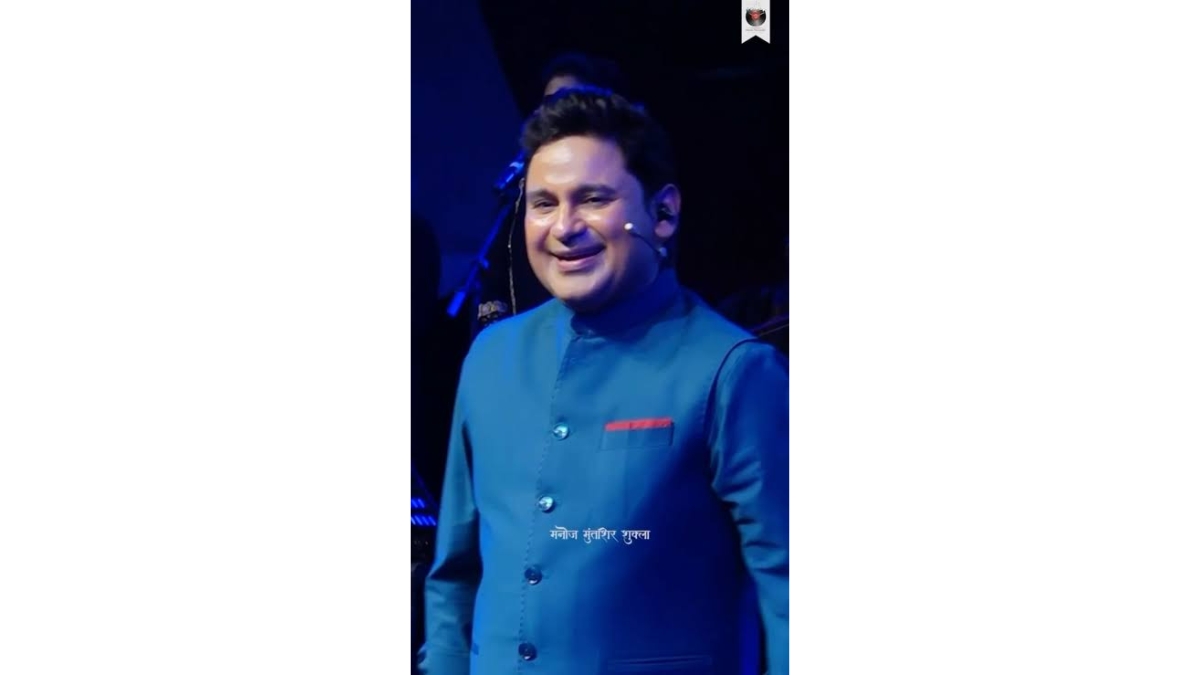
    New Delhi [India], October 14: Celebrated lyricist, poet, and storyteller Manoj Muntashir Shukla has once again captured the nation’s heart with his latest release, “Tumse Behtar.” The song, which dropped recently, has taken the music world by storm, swiftly climbing on Spotify’s Trending Songs in India within days of its release.

    Penned with Muntashir’s signature depth and emotional honesty, “Tumse Behtar” beautifully blends soulful poetry with a contemporary melody, resonating deeply with listeners across generations. The track marks a heartfelt collaboration between three creative powerhouses — Manoj Muntashir’s evocative words, Arijit Singh’s soul-stirring voice, and Tanishk Bagchi’s modern composition.

    Over the years, Manoj and Tanishk have created magic together — every collaboration between them reflects an effortless chemistry and an intuitive understanding of music. Their partnership consistently delivers songs that go beyond expectations, touching hearts in ways that words alone cannot.

    Fans have flooded social media with love and admiration, calling “Tumse Behtar” a song that “feels written for everyone in love,” praising its poetic simplicity and raw emotion.

    Speaking about the song’s success, Manoj Muntashir shared, “Tumse Behtar is not just a love song — it’s a reflection of that one feeling we all have but rarely express. I’m overwhelmed by the love it’s receiving. It reminds me that heartfelt writing always finds its way to people’s souls.”

    He further added, “When Azeem Dayani, the brain behind uncountable Dharma hits, briefed me, he said he wanted a song people could dedicate to the one they love — something that feels eternal, sincere, and pure. He told me, ‘Sir, give me the most dedicated song of the year.’ That one line touched my heart. I wrote ‘Tumse Behtar’ with the hope that when someone listens to it, they’ll think of dedicating it to the person who means the world to them.”

    The track’s success also highlights Muntashir’s growing influence not only as a lyricist but as a cultural voice of modern India. Known for penning timeless hits like Teri Mitti, Galliyan, Kaun Tujhe and Kaise Hua, Muntashir continues to redefine lyrical storytelling in Indian music.

    With “Tumse Behtar” from the film “Sunny Sanskari Ki Tulsi Kumari” by Dharma Productions and Mentor Disciple Films reigning atop Spotify and trending across digital platforms, Manoj Muntashir once again proves why his words continue to strike a chord with millions — a blend of poetry, passion, and truth that defines the sound of today’s Bharat.

    Visit: https://youtu.be/MivKhlsMKL0?si=QL7lJM2pfPl-BNQd

    If you have any objection to this press release content, kindly contact pr.error.rectification@gmail.com to notify us. We will respond and rectify the situation in the next 24 hours.

  • ‘Nice To Meet You’ Wins Two Prestigious GIWA (Great Indian Wedding Awards) at Asia’s Biggest Wedding Convention, ICWF

    ‘Nice To Meet You’ Wins Two Prestigious GIWA (Great Indian Wedding Awards) at Asia’s Biggest Wedding Convention, ICWF

    Mumbai (Maharashtra) [India], October 14: Nice To Meet You, the distinguished creative photography and handcrafted film company, has achieved a remarkable feat by securing two coveted GIWA (Great Indian Wedding Awards) at the International Congress for Wedding Futures (ICWF). The awards ceremony, held on September 21 at the luxurious Fairmont in Mumbai, recognized the company’s exceptional artistry and dedication to storytelling.

    GIWA is recognized as the highest and most prestigious accolade within the wedding fraternity, making these wins a significant milestone for the young company.

    ‘Nice To Meet You’ Wins Two Prestigious GIWA (Great Indian Wedding Awards) - PNN

    Founded in 2022 by Meet Desai, Nice To Meet You has rapidly established itself as a leader in its field. At the Great Indian Wedding Awards, the company was honored with:

    •    Silver GIWA in the ‘Best Story In Frame’ Category. 

    •    Bronze GIWA in the ‘Best Wedding Moments (Still)’ Category. 

    The awards were received by founder and director Mr. Meet Desai and Creative Director Mrs. Vidhi Desai. They accepted the honors from Bollywood actress Chitrangda Singh in the presence of several high-profile Bollywood celebrities, including Aditya Roy Kapur, Vaani Kapoor, and Amyra Dastur, among others. ICWF, which began in 2013, is Asia’s Biggest Wedding Convention, providing a premier platform for pioneers, leaders, and stalwarts of the industry to converge and celebrate their accomplishments.

    Mr. Meet Desai expressed his thoughts on the triumph, saying, “Winning the GIWA is a tremendous honor and a significant acknowledgment of our dedication to immortalizing true emotions and weaving everlasting stories. These accolades inspire us to continue expanding the horizons of creativity in wedding photography and filmmaking.This moment will remain etched in my memory forever.” Reflecting a similar sentiment, Vidhi Desai expressed, “Words fail to capture the depth of my emotions—I am truly overwhelmed, deeply moved, and incredibly humbled by receiving not one, but two esteemed awards. The experience feels almost dreamlike. This recognition fuels a renewed passion to continue crafting, imagining, and infusing every frame with spirit. I am endlessly grateful.”

    These recent GIWA wins follow a period of intense achievement for the company. Nice To Meet You has now garnered six International and National awards like GIWA, WeddingSutra Photography Awards & EMF Global Awards in a span of just two months in 2025, a testament to the success story, hard work, dedication, and vision that defines the organization.

    “Nice To Meet You” is a creative powerhouse where imagination meets precision. Its work spans a wide canvas — from dreamy weddings and high-fashion editorials to architectural marvels, corporate storytelling, and cinematic ad films — all crafted with a signature blend of depth, emotion, and visual finesse. The studio’s recognition at the GIWA, WeddingSutra & EMF Global Awards stand as a testament not only to the brilliance of its core team but also to the rising global resonance of Indian creativity. At its heart, “Nice To Meet You” believes in art that connects — transforming every project into a story that feels intimate, meaningful, and unforgettable.

  • Rameez Sohail BacXtage Season 1 Ignites Music Scene on Desi Tadka Music

    Rameez Sohail BacXtage Season 1 Ignites Music Scene on Desi Tadka Music

    Mumbai (Maharashtra) [India], October 8: The music composer dropped his flagship track “Duniya Bekaar Hai” on Desi Tadka Music, and if first impressions are anything to go by, India’s indie scene just got a serious upgrade.

    A Launch That Looked Like a Red-Carpet Power Play

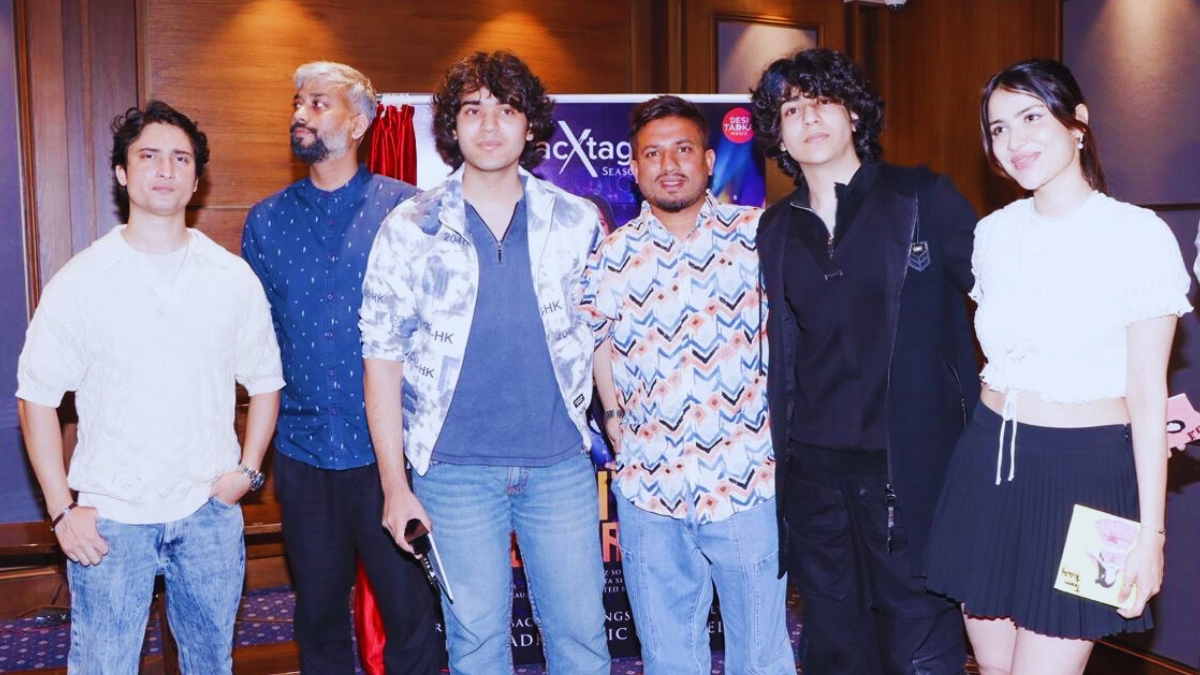
    When Rameez Sohail decides to make noise, he doesn’t just release a track; he creates a moment. The BacXtage Season 1 premiere wasn’t your usual press junket. It was a full-blown showcase of musical craftsmanship and creative confidence.

    The evening was a collision of melody and ambition, a star-studded affair where Mumbai’s creative elite rubbed shoulders with digital disruptors and independent artists hungry for inspiration.

    “BacXtage Season 1 is my heartfelt vision to create music that is both soulful and relevant,” Rameez said, visibly buzzing with the kind of excitement only creators feel when their work finally meets the world.

    His words weren’t PR fluff. “Duniya Bekaar Hai” isn’t background music; it’s a story told through rhythm and rebellion.

    The Track That Hits Hard, “Duniya Bekaar Hai”

    If you’re tired of plastic pop and recycled hooks, this one’s a wake-up call.

    “Duniya Bekaar Hai” hits with unfiltered honesty. It’s poetic but not pretentious, a musical mirror reflecting a generation’s angst and aspirations. Lyricist Kaushik Vikas keeps it sharp, while Rameez Sohail’s production pulls no punches.

    BacXtage Season 1 - PNN

    And then there are the voices:

    • Khanzaadi, who brings raw energy and streetwise authenticity.
    • Kavita Seth, the soul-stirrer whose voice can make even silence hum.
    • Raj Barman, the crooner who turns melancholy into melody.

    Directed by Akash Barthwal, the music video is no sidekick, it’s a visual extension of the song’s emotion. Think storytelling with bite, not just beauty shots. The narrative dives into modern disillusionment but emerges hopeful, like art should.

    (Watch the song here: YouTube Link)

    Desi Tadka Music: The New Indie Powerhouse

    For years, Indian labels have played it safe, formulaic songs, rinse-and-repeat playlists, zero risk. Then came Desi Tadka Music, which clearly didn’t get that memo.

    Hosting BacXtage Season 1 exclusively, Desi Tadka Music has positioned itself as the go-to playground for India’s independent and original creators. CEO Yash Hake summed it up best:
    “We are delighted to partner with Rameez Sohail for BacXtage Season 1. With powerful voices like Khanzaadi, Kavita Seth, and Raj Barman, and Rameez’s brilliance, we believe ‘Duniya Bekaar Hai’ will strike a chord with listeners everywhere.”

    Translation: they’re not just chasing views; they’re building taste.

    In a market where algorithms often decide what you hear, Desi Tadka Music is betting on talent, a risky but rewarding move. It’s the same playbook that helped labels like T-Series in the ’90s, but with 2025 sensibilities and global reach.

    Why This Launch Matters

    It’s easy to dismiss “another music launch” as just noise. But BacXtage Season 1 is a signal, and a loud one.

    It shows that independent music in India is no longer the underdog. Artists like Rameez Sohail aren’t waiting for Bollywood’s nod. They’re building their own stages, their own audiences, and their own standards.

    And here’s the kicker: it’s working.

    “Duniya Bekaar Hai” didn’t just trend because of celebrity names. It resonated because it felt real. It spoke the language of a generation juggling chaos, creativity, and caffeine.

    In a space crowded with synthetic beats, BacXtage’s rawness feels revolutionary.

    India’s Music Renaissance Is Here

    From YouTube to Instagram Reels, India’s listeners are rewriting the music rulebook. They want depth, not drama. And BacXtage Season 1 fits perfectly into that shift.

    Rameez Sohail’s experiment with collaboration, blending soulful veterans with fearless newcomers, might just be the blueprint for how Indian music evolves next.

    As more creators move “bacxtage” to go front stage, the line between indie and mainstream is dissolving. And that’s good news for everyone who believes music should move you, not just loop in the background.

    Final Note: Rameez Isn’t Just Playing Music, He’s Redefining It

    Every generation has a disruptor. Someone who refuses to play by the old charts. For this one, it might just be Rameez Sohail.

    His formula? Vision + collaboration + no compromise. That’s the kind of math the music business can’t ignore anymore.

    So, if “Duniya Bekaar Hai” sounds like a protest song disguised as a melody, it’s because it is. And it’s about time.

  • DPIFF, India’s Most Prestigious Film Festival & Award Ceremony, Announces H.H. Radhikaraje Gaekwad as Advisory Board Member

    DPIFF, India’s Most Prestigious Film Festival & Award Ceremony, Announces H.H. Radhikaraje Gaekwad as Advisory Board Member

    New Delhi [India], October 8: Dadasaheb Phalke International Film Festival (DPIFF), India’s Most Prestigious Film Festival & Award Ceremony, proudly announces the onboarding of H.H. Radhikaraje Gaekwad, Maharani of Baroda, Gujarat, as an Honourable Advisory Board Member. This monumental addition to the Advisory Board signifies a union of royal heritage and cinematic legacy, further strengthening the festival’s mission to honour and promote India’s art, culture, heritage and most beloved cinema.

    Guided by the legacy of the Father of Indian Cinema, Dadasaheb Phalke Ji and presided over by an illustrious group of advisors including Col. P. C. Sood – Vice President of Hinduja Group, Dattaraj Salgaocar – Chairman of V. M. Salgaocar Corporation, Bhavna Merchant – Esteemed Cultural Expert & Former Censor Board Jury, Ministry of Information & Broadcasting, Mayank Shroff – Head of Film Programming & Distribution, Cinépolis India and Jyoti Badheka – Creative Producer & Former Censor Board Jury, Ministry of Information & Broadcasting, Government of India, DPIFF reflects a synthesis of heritage, leadership, cultural stewardship, and humanitarian vision.

    Aligned with its mission to showcase Indian art, culture, and cinema on the global stage, the festival has become a beacon of recognition for artists, filmmakers, and industry leaders dedicated to enriching audiences worldwide. Over the years, DPIFF has emerged as a global cultural force, celebrating the finest in Indian cinema while fostering an international dialogue that elevates India’s soft power and artistic legacy.

    Speaking on this prestigious onboarding, Abhishek Mishra, CEO of Dadasaheb Phalke International Film Festival, said, “We are deeply honoured to welcome Her Highness Radhikaraje Gaekwad, Maharani of Baroda, to the Advisory Board of DPIFF. Her invaluable perspective, her deep-rooted commitment to preserving India’s cultural and historical heritage and her vision for the arts will provide immense guidance to our journey of safeguarding Phalke Ji’s cinematic legacy and promoting Indian cinema worldwide.”

    Over the years, DPIFF has highlighted more than 15 venerated states of India, showcasing their unique contributions while promoting the Incredible India campaign under the Ministry of Tourism and the Pradhanmantri Sangrahalaya under the Ministry of Culture. This initiative underscores the diverse cultural and historical richness of the nation, reflecting India’s heritage and achievements on a grand stage.

    H.H. Radhikaraje Gaekwad is the custodian of the iconic Lukshmi Vilas Palace in Baroda, one of India’s most celebrated royal residences and a living emblem of the nation’s cultural grandeur. With her lineage rooted in India’s regal history, H.H. has consistently championed initiatives that celebrate heritage, art and the spirit of India. Her onboarding with DPIFF represents not only a strengthening of the festival’s cultural foundation but also the creation of a platform where diverse voices, traditions and ideas converge for the progress of cinema and society at large.

    On her association with DPIFF, H.H. Radhikaraje Gaekwad shared:

    “It is my honour to join the Dadasaheb Phalke International Film Festival as an Advisory Board Member. I deeply value DPIFF’s commitment to recognising cinematic excellence, promoting our cultural heritage, and elevating India’s presence on the global stage. I look forward to supporting the Festival’s mission and initiatives that celebrate our nation’s rich artistic legacy.”

    The inclusion of H.H. Radhikaraje Gaekwad on the Advisory Board marks a defining moment in the journey of Dadasaheb Phalke International Film Festival. It is a confluence of royal heritage, cultural stewardship and cinematic excellence, further fortifying the festival’s standing as India’s most prestigious platform for the arts. With her guidance, DPIFF is poised to reach greater heights not only in celebrating Indian cinema but also in reinforcing India’s cultural identity on the world stage. This alliance stands as a testament to DPIFF’s unwavering mission: to safeguard Phalke Ji’s timeless legacy while inspiring generations of filmmakers and audiences across the globe.

    About DPIFF 

    Dadasaheb Phalke International Film Festival – DPIFF is dedicated to celebrating the enduring legacy of Dadasaheb Phalke Ji, honouring his lifetime of contributions to cinema. The festival showcases the brilliance of the Indian film industry by spotlighting emerging projects and elevating them to mainstream recognition. Devoted to harmonising both technical and mainstream accolades, DPIFF ensures recognition is solely based on contributions to cinema. From illustrious megastars to new-age filmmakers, every individual is honoured under one unified emblem.

    If you have any objection to this press release content, kindly contact pr.error.rectification@gmail.com to notify us. We will respond and rectify the situation in the next 24 hours.

  • Mrigaya: The Hunt: A Bold Entry Among New Movies on ZEE5 You Can’t Ignore

    Mrigaya: The Hunt: A Bold Entry Among New Movies on ZEE5 You Can’t Ignore

    New Delhi [India], October 8: Crime thrillers with absolute storytelling and characterisation demand attention. Mrigaya: The Hunt is one of the finest Bengali action crime thrillers on ZEE5 that engages the audience til the end. This Abhirup Ghosh movie brings the story of the team of four officers who are investigating the brutal murder of a sex worker in Songachi, Kolkata. The movie brings up a powerful supporting cast, including Ritwick Chakraborty, Vikram Chatterjee, Sourav Das and Anirban Chakrabarti, that breathes life into the story and makes it even engaging. The movie beautifully presents absolute suspense, action and emotions on screen. It is one of the finest new movies on ZEE5 that offers the audience an engaging reason to explore the regional thrillers.

    High-Stakes Crime That Engages the Audience

    The story of Mrigaya: The Hunt is quite engaging and starts with the shocking murder of a sex worker in the red light area of Sonagachi. The incident shocked everyone in the city. The four cops take on the charge of investigation. The movie beautifully draws a line between the predator and the prey. As the investigation goes on deeper, it further digs out the different hidden secrets, motives, corruption, betrayal and danger emerging at the unexpected places. It is one of the finest new movies on ZEE5 that also shows the psyche of each officer, showcasing his guilt, risks, and the temptation of crossing moral boundaries. The tension in the story is not related to who committed the crime but is related to how far one is willing to go to reveal the truth. The different layers make Mrigaya: The Hunt not just a crime movie but a suspense movie as well, with absolute depth and emotions.

    Strong Cast and Crew

    A powerful script needs a team of strong performers who can match the intensity and can serve absolute magic on screen. The Mrigaya: The Hung comes up with a powerful cast, including Ritwick Chakraborty (OC Debanjan Dutta), Vikram Chatterjee (SI Animesh Chatterjee), Sourav Das (Sardaar) and Anirban Chakrabarti (Rudra) in powerful performances. The supporting actors, including Rezwan Rabbai Sheikh, Priyanka Sarkar, Susmita Chatterjee, and Ananya Bhattacharya, bring depth and tension on screen through their powerful performances.

    Director Abhirup Ghosh takes viewers deep into the atmosphere, perfectly showing the streets of Kolkata. He had made the perfect use of the darkness of Sonagachi using shadows, narrow lanes and claustrophobic interiors for heightening the tension of the story. Cinematographer Subhadeep Naskar has kept the framing of the different shots quite tight, showing the moments of interrogation or pursuit. He perfectly complements the scenes with deliberate lighting, including dim alleys, wet streets under the lamposts, and much more. The way visuals of action scenes shift from the quieter emotions beautifully helps balance the movie.

    Music and Sound

    Every sound and music note pulls the audience deep into the story. Mirgaya The Hunt is one of the finest new movies on ZEE5, where the score by Rana Mazumder and Nirupam Dutta adds emotions to the story. The soundtracks of the movie not only fill the space but also intensify the suspense and show the human struggles. The music of the movie perfectly builds the tension, emphasises the silences, footsteps, rain, distant dialogues and hence works for building the mood.

    A combination of music, ambient noise and impact adds weight to every punch, dash in the action scenes. The sound of the movie doesn’t distract from the story, but it improves the story. The careful selection of the audio improves the overall impact of Mrigaya: The Hunt and makes it one of the best new movies on ZEE5 you must watch.

    Justice, Morality and Identity

    Mrigaya: The Hunt brings up the themes of justice, morality and identity for the audience. We can see here the struggles of commoners for justice, the cost of truth and the masks people wear beautifully. Each officer is facing internal struggles in pushing the boundaries and is suffering from issues of trust. The story of the movie is not just about catching the culprit, but it is also about who must pay and at what cost.

    Action and Suspense

    The movie Mrigaya: The Hunt offers absolute action sequences that appear to be quite raw. Whether it is about the fights or chases, everything is perfectly choreographed to feel immediate. The scenes showing the chases between the criminal gangs and cops through the narrow lanes seem to be quite authentic and bring up absolute tensions and emotions on screen. The suspense is being built in the movie gradually. Whether it is about the early clues or it is about the red herrings or competing motives, everything keeps you guessing till the end.

    Final Thoughts

    Mrigaya: The Hunt is one of the best new movies on ZEE5 that brings up absolute crime, suspense, action and moral struggles in one story. The movie brings the strong performances of Ritwick Chakraborty and Vikram Chatterjee, whereas Abhirup Ghosh’s direction and Rana Mazumder’s music breathe life into the story. If you love watching action crime thrillers, Mrigaya The Hunt is a name you must watch.

    If you have any objection to this press release content, kindly contact pr.error.rectification@gmail.com to notify us. We will respond and rectify the situation in the next 24 hours.

  • Holy Night: Demon Hunters – When Fists Meet Folklore in Seoul’s Supernatural Showdown

    Holy Night: Demon Hunters – When Fists Meet Folklore in Seoul’s Supernatural Showdown

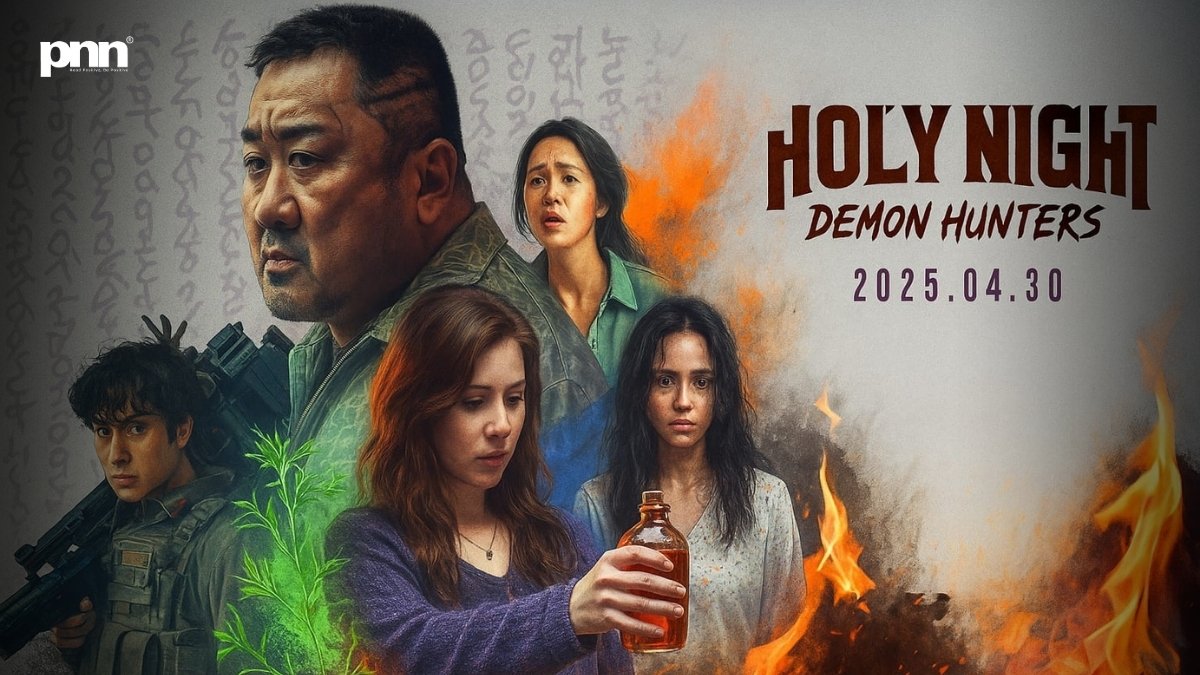
    Mumbai (Maharashtra) [India], October 8: Seoul is burning. At least, that’s the visual impression Holy Night: Demon Hunters leaves behind: smoke, ritualistic dread, and one burly hero punching demons like they owe him rent. Released on April 30, 2025, this Korean action-horror hybrid walks that precarious line between pulpy spectacle and meaningful myth. Directed by Lim Dae-hee and starring the unstoppable Ma Dong-seok (Don Lee), the film arrives with ambition — but not without scars.

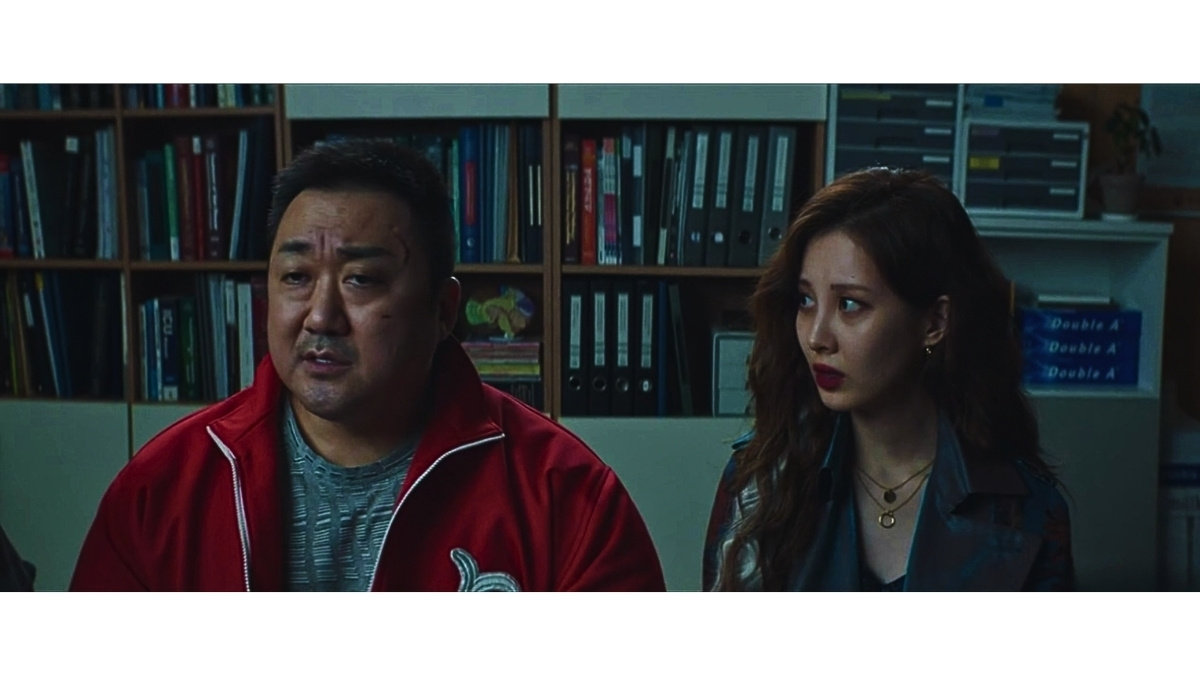
    Set against a city unravelling, cults worshipping the indistinct demon Asmodeus unleash chaos. The police, overwhelmed, turn to a secret ensemble known as “Holy Night” — three demon hunters empowered with supernatural gifts. Ba Woo (Ma Dong-seok) offers brute force. Sharon (Seohyun) senses and exorcises. Kim Gun (Lee David) provides tactical support. Together, they race to prevent the breaking of a ritual that could doom Seoul.

    From the opening day, Holy Night registered a high note: it topped South Korea’s box office, beating major contenders. It opened on 933 screens and pulled in over $1.75 million in its first weekend domestically. Its global tally now stands at roughly $5.23 million.

    Demon

    What Works — The Punches, the Myth, the Moments

    1. Star Magnet: Ma Dong-seok as Ba Woo
    Watching Don Lee pulverise demons feels like watching the embodiment of cathartic release. He is both guardian and hurricane, a hero whose one-punch mania is the film’s emotional core. The Last Thing I See put it neatly: “What if there were demons and Ma punched them in the face, too?”

    2. Hybrid Genre Energy
    This isn’t pure horror, nor pure action. It borrows from exorcism lore (The Exorcist echoes), urban fantasy, and vigilante cinema. That hybrid gives it space to surprise — from ritual sequences to frantic street chases, and occasional “found footage”-tinged moments.

    3. Fast Pacing & High Stakes
    With a runtime of ~92 minutes, the film seldom pauses. It throws ritual, fight, reveal, shock — then moves again. That keeps the tension alive, though sometimes it leaves less room for quiet breathing.

    4. Strong Support from Co-Leads
    Seohyun’s Sharon has a poised balance of serenity and exorcist fury; Lee David’s Gun adds human grounding to the supernatural chaos. When the trio syncs, the film hums its best.

    5. Festival & International Exposure
    It screened in “Midnight Fantasy” at Shanghai and in the gala selection at Tokyo International Film Festival (Nov 3, 2025) — so its ambition stretches beyond domestic thrills.

    Demon

    Where It Wobbles — The Shadows That Linger

    1. Thin Mythology & Unused Ideas
    One frequent critique is that Holy Night teases many layers — cults, cosmic evil, secret histories — but in the end, it scratches only the surface. As Bounding Into Comics puts it: “It introduces more than it utilises.”

    2. Visual Effects & Demon Designs
    The CG demons sometimes feel cartoonish or underwhelming alongside brutal, visceral fights. The mismatch can yank the viewer out of the moment.

    3. Overreliance on Ma’s Punches
    At times, the film seems to lean on the hero’s physicality so heavily that other characters feel underwritten. If your reason for watching is Don Lee smashing things, you’ll get value — but some may want more depth. South China Morning Post titled its review: “Ma Dong-seok: Demon Puncher”, a bit cheeky, but fair.

    4. Box Office Cooling
    By its 4th weekend in Korea, takings had dropped sharply (−85.6% week on week) to ~$12,171 across 82 theaters. That indicates strong opening interest but poor durability.

    5. Mixed Critical Reception
    On Rotten Tomatoes, reviews are split: some praise the spectacle, others see it as a Frankenstein of ideas. The SCMP called it a “lowbrow exorcism exercise” with occasional flashes of brilliance.

    Demon

    Latest Buzz, Comments & Audience Pulse

    • On Reddit, fans reacted sharply:

      “As a big Ma Dong-seok fan, it’s sad to say this one’s a letdown.” 
      “Feels like a copy of The Divine Fury.”

    • IMDb user reviews say the film is “fun, suspenseful, a bit scary,” though some lament the lack of narrative clarity or deeper character arcs.

    • In the Korean press, the critical reception was harsher. One analysis claimed the film cooled down the sheen of Ma’s star power, calling it a “production-line puncher” with cold reviews.

    • Box office databases report that of 777,393 admissions in South Korea, the film’s gross was around $5.3 million. It premiered and performed strongly in Korea, though international runs were modest.

    Demon

    Why This Film Matters — For Korean Horror & Genre Cinema

    Holy Night: Demon Hunters is not just another demon flick. It attempts to blur the lines between urban fantasy and occult thriller in a commercial wrapper. Korean horror has often leaned psychological (The Wailing, Bedevilled), but this leans spectacle first — a move that both widens appeal and invites critique.

    The fact that it sold out in many Korean theatres on opening day, beating competition, shows that audiences are still hungry for big genre experiences.

    It also gives Korean studios proof that star-centric horror (with spectacle) can have theatrical legs — if not blockbuster legs. That may embolden more hybrid horror-action projects in 2026 and beyond.

    Final Take

    Holy Night: Demon Hunters is a bold, noisy, occasionally dazzling ride. It doesn’t fully land all its promises, but when Ba Woo lands a blow, or a ritual scene creeps in, the film crackles. For fans of Don Lee, action lovers, and those who don’t mind their horror in muscular doses, it’s a worthwhile viewing. For those who seek narrative subtlety, it may frustrate.

    If I were grading: ~ 3 / 5 overall, with room to be a cult piece down the line, especially among genre audiences.

    PNN Entertainment

  • Diljit Dosanjh Unveils ‘Aura’: Pop Pulse or Hype Mirage?

    Diljit Dosanjh Unveils ‘Aura’: Pop Pulse or Hype Mirage?

    Mumbai (Maharashtra) [India], October 7: When Diljit Dosanjh announced Aura, the air around him crackled with anticipation. This is not just another Punjabi album — it arrives mid-tour, flanked by Emmy nods, and promises to straddle pop ambition and emotional depth. But will it deliver, or merely dazzle?

    With a flourish, Diljit revealed his album’s release date — 15 October 2025 — and dropped the full tracklist via Instagram. (He captioned it: “‘AURA’ Front Cover & Tracklist. Sexy Songs For Sexy Dance.”) The announcement followed weeks of speculation (some Reddit threads had guessed a September release)  and aligned neatly with his ongoing Aura Tour 2025, which kicked off on 24 September in Kuala Lumpur. In short, the album is as much a spectacle as the performance.

    From what’s public so far, Aura will contain 10 tracks: Senorita, Kufar, You & Me, Charmer, Ban, Balle Balle, Gunda, Mahiya, Broken Soul, and God Bless. The titles alone oscillate between love, defiance, party energy, and introspection. Diljit’s choice to span this emotional spectrum is strategically sound — he’s known for both electrifying dance numbers and soulful ballads.

    Behind the scenes, he’s reportedly collaborating with multiple producers — Mix Singh, Wazir Patar, Arsh Heer, Intense, and possibly Ikky (though that’s speculative). This multi-producer approach can be a double-edged sword: variety can elevate an album, but a lack of cohesion can dilute its identity. The hope is that Diljit’s voice and aesthetic will bind it all.

    Strengths Poised to Elevate Aura

    • Momentum & Timing
      Releasing the album mid-tour is savvy. Fans already primed by concerts will stream, buy, and talk about Aura in real time. The album supports the tour, and the tour — in turn — markets the album.

    • Brand Leverage & Reach
      Diljit’s global presence is undeniable. He’s been the face of Punjabi music internationally, and his Met Gala appearance earlier this year bolstered his crossover appeal. His Emmy nomination for Amar Singh Chamkila further cements that he’s not just a singer but an actor with gravitas.

    • Fan Loyalty
      His audience (Punjab, diaspora, Bollywood crossovers) is fiercely supportive. That gives Aura a launchpad few debut albums get — he’s not starting from zero.

    • Creative Risk Appetite
      By teasing “Sexy Songs For Sexy Dance,” Diljit signals he’s embracing energy, sensuality, and boldness. For someone whose past catalogue leans into devotion and heartbreak, this shift is refreshing.

    Aura

    Risks That Could Trip Aura

    • Expectations Overload
      With hype this high, expectations might eclipse the music. Fans may demand instant classics — anything less invites criticism.

    • Cohesion Over Diversity
      With multiple collaborators, the album risks feeling fragmented. If each track sounds like a different album, listeners might feel whiplash.

    • Tour vs Album Focus
      Since the tour is underway, Diljit’s attention is split: performance fatigue, logistics, media — these might bleed into recording final touches or promotions.

    • Commercial vs Artistic Balance
      Tracks like Kufar or Charmer might lean too pop, risking alienation of listeners who prefer his introspective or folk side. There’s a tightrope between commercial appeal and authenticity.

    Latest Buzz & Fan Pulse

    • On Instagram, his announcement post — featuring the front cover + tracklist — lit up comment threads: “so excitedddd can’t wait,” reads one.

    • Threads and Reddit chatter speculate about producers: “Aura will be multi-producer, 6–7 songs by Mix Singh…”

    • In music circles, some wonder if Aura will surpass his last major pop release, G.O.A.T. (2020).

    • Also adding to the spotlight: Diljit is recording a song for Kantara: Chapter 1, adding film music relevance to his slate.

    How Aura Fits in His Catalogue

    Diljit’s earlier albums — G.O.A.T. (2020), Back 2 Basics (2012), The Next Level (2009) — showed his evolution from urban-pop and bhangra toward crossover sensibilities. Aura seems to lean into that direction, but with a more mature, polished palette. If G.O.A.T. was steeped in Punjabi swagger, Aura might bridge Punjabi, pop, and R&B sensibilities.

    From his career arc, one can surmise: Aura is not just an album. It’s a statement — Diljit positioning himself as not merely a Punjabi star, but a global pop entity.


    View this post on Instagram


    A post shared by GIANT (@the.giant.world)

    Early Verdict (Tentative)

    If Aura delivers half of what it promises — ten catchy tunes with emotional texture, musical experimentation, and smart production — it will be a success. It might even become a cult favorite in Diljit’s discography. But it needs to avoid overindulgence, maintain sonic consistency, and connect deeply beyond the hype.

    Projected rating (before hearing): ~ 3.8 / 5 — with room to rise if tracks Mahiya or Broken Soul turn out to be standout anthems.

    Expect Aura to move millions of streams on day one, possibly chart in India, the U.S., the U.K., and Canada. The promotional strategy (releasing it mid-tour) bodes well — immediate listening, immediate feedback.

    PNN Entertainment