Tag: entertainment

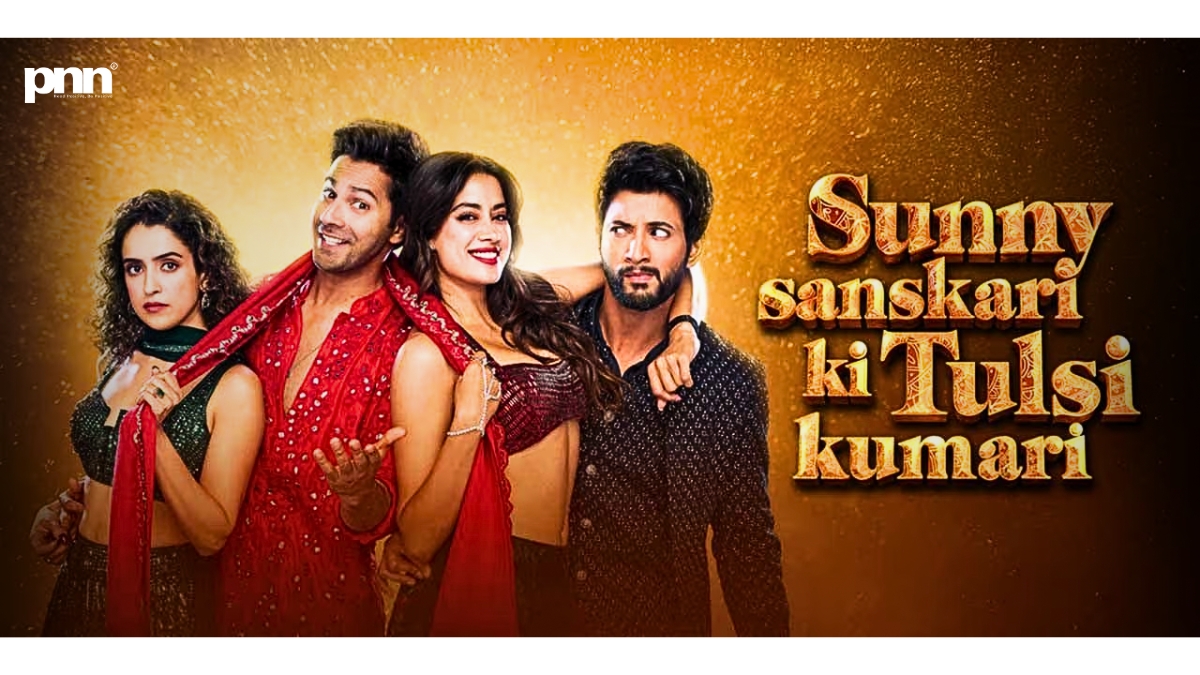
  • ‘Sunny Sanskari Ki Tulsi Kumari’ — A 2025 Festive Rom-Com That Flirts with Charm, Trips on Convention

    ‘Sunny Sanskari Ki Tulsi Kumari’ — A 2025 Festive Rom-Com That Flirts with Charm, Trips on Convention

    Mumbai (Maharashtra) [India], October 2: When Bollywood decides to serve a romantic comedy platter during Dussehra, expectations soar higher than the sparklers in the sky. “Sunny Sanskari Ki Tulsi Kumari”, releasing on 2 October 2025, arrives with that promise — a festive feel-good entertainer with a star cast, catchy songs, and dramatic flourishes. But does it deliver? Here’s a take that leans equal parts admirer and critic.

    Let me confess: there’s a certain guilty pleasure in watching a masala rom-com that doesn’t pretend to be cerebral. And yet, one hopes for more than a sugar rush. Sunny Sanskari Ki Tulsi Kumari (SSKTK) rides on that tightrope — oscillating between heartfelt intentions and glaring formulaic pitfalls.
    Rom

    What the Story Offers (Without Spoiling Too Much)

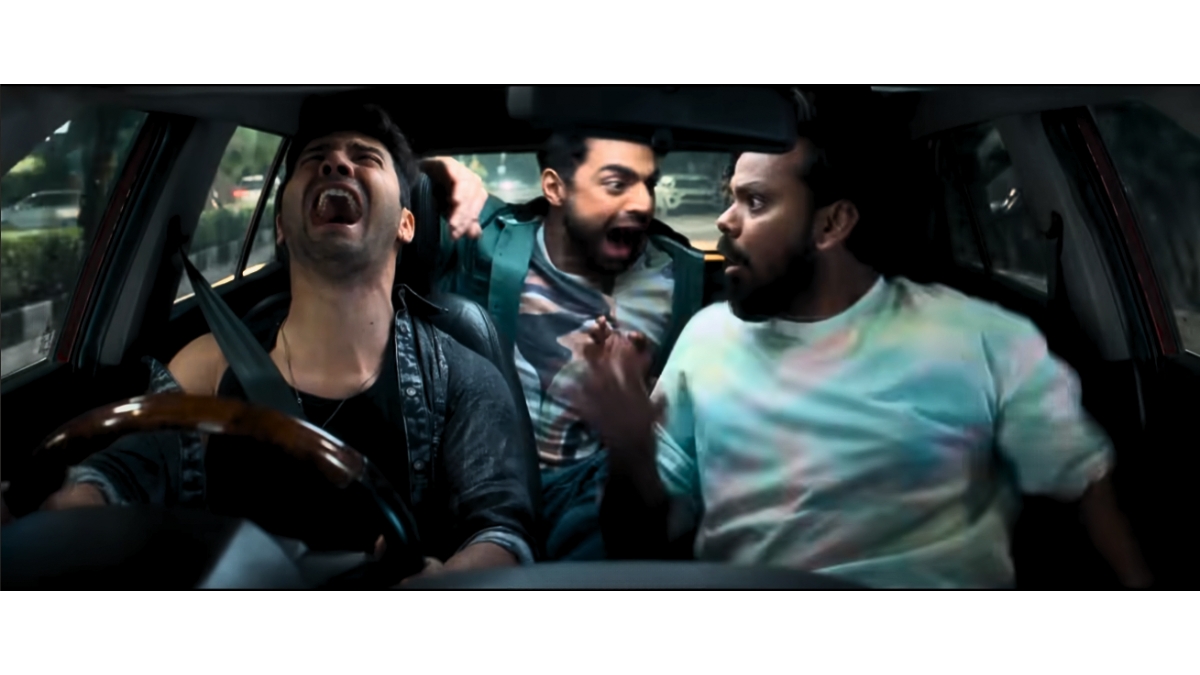
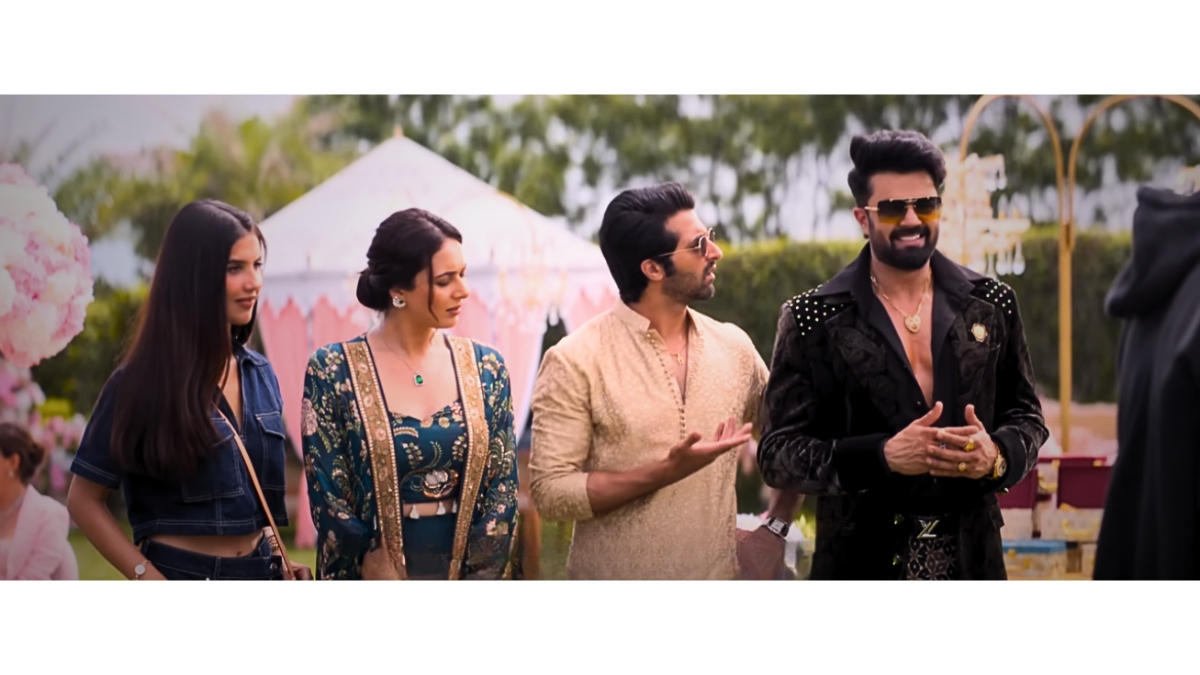
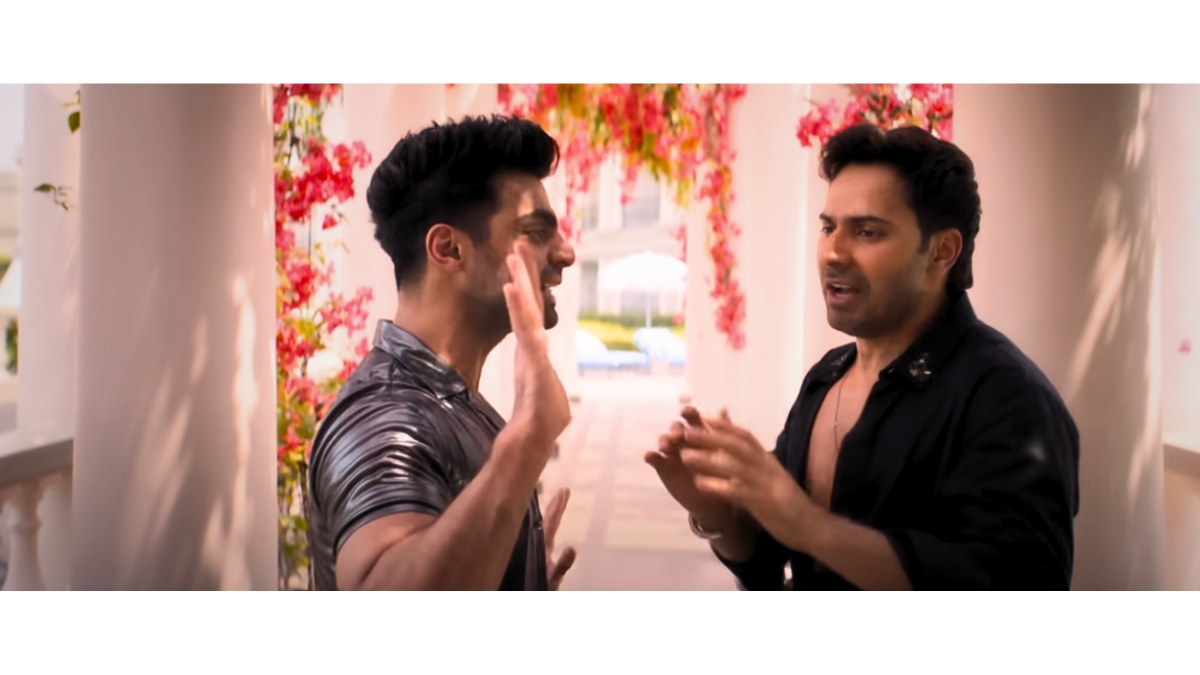
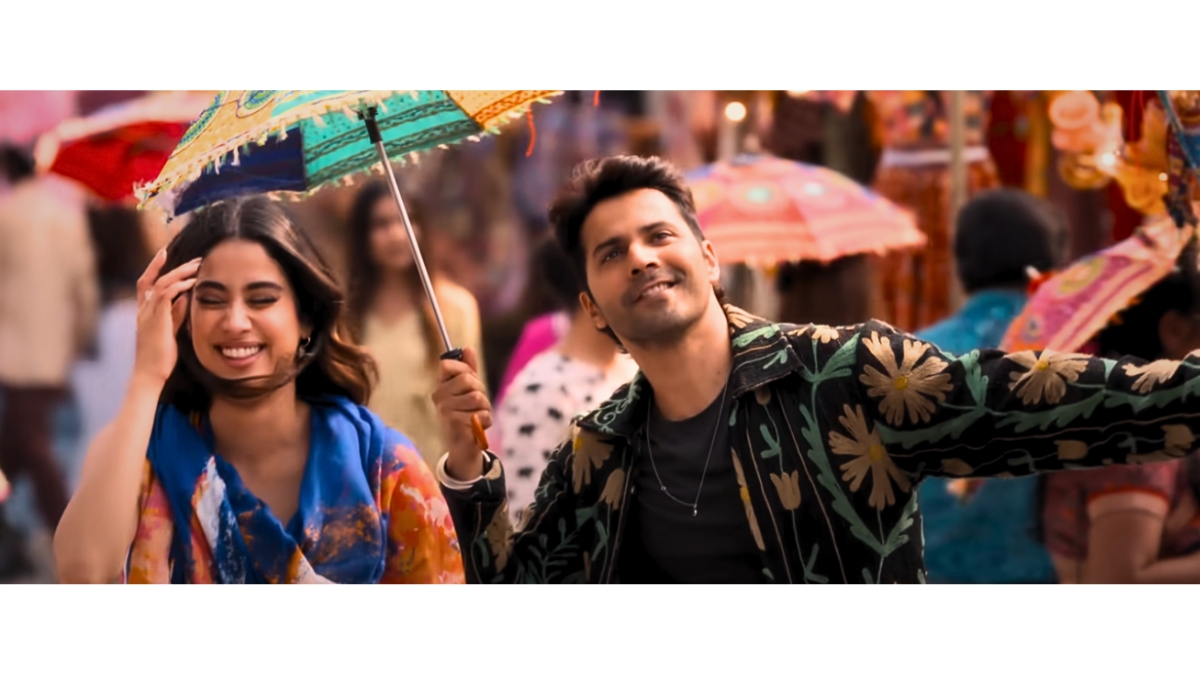
    Set primarily in Delhi, the plot revolves around Sunny (Varun Dhawan) and Tulsi (Janhvi Kapoor), once lovers, now caught in the chaos of exes, misunderstandings, manipulations, and a possible rekindling. The trailer teases a tale of “Ishq & Ex Ka Golmaal,” with both of them scheming to win back former flames but, predictably, tumbling into new emotional territory.

    The film doesn’t try to reinvent the wheel — we have the love triangle, side characters for comic relief, musical interludes, and dramatic reveals. Yet in interviews, director Shashank Khaitan mentions that his intent was to tap into cinema that brings families back to theatres, with a mix of “heart, music, and humor.”

    The runtime is crisp: 2 hours 15 minutes, with a U/A certificate (after reportedly cutting ~60% of kissing sequences per CBFC’s instructions).
    Rom

    What Shines Bright (and Why Audiences Are Smiling)

    Chemistry & Performances

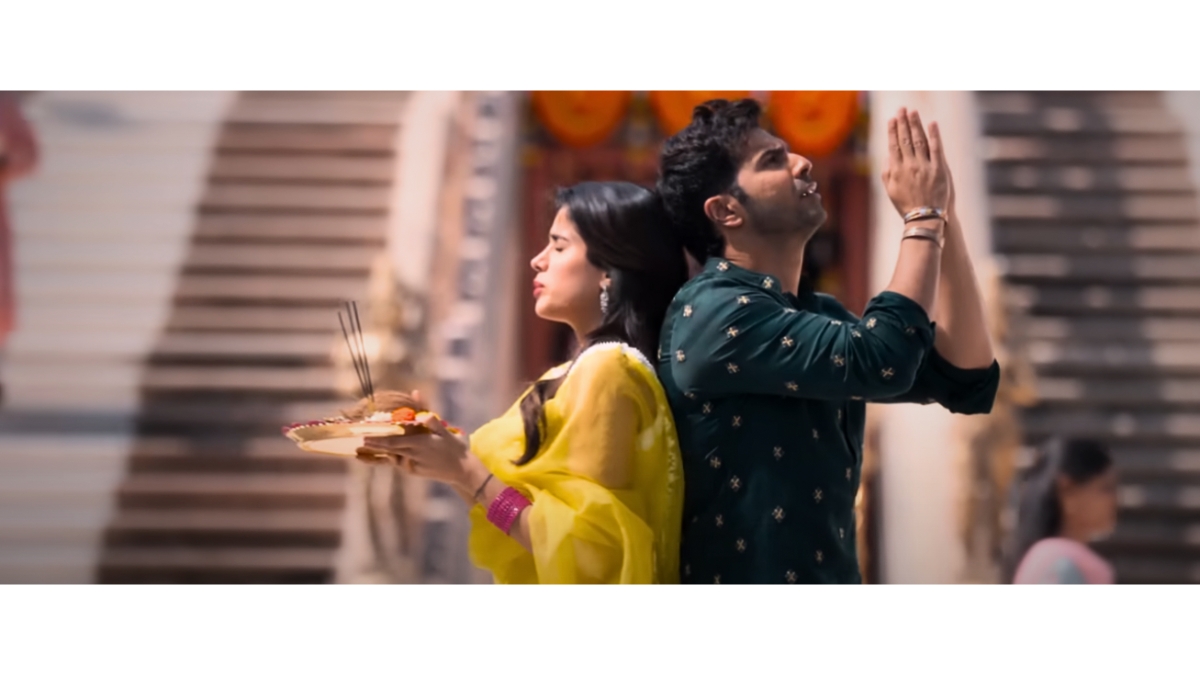
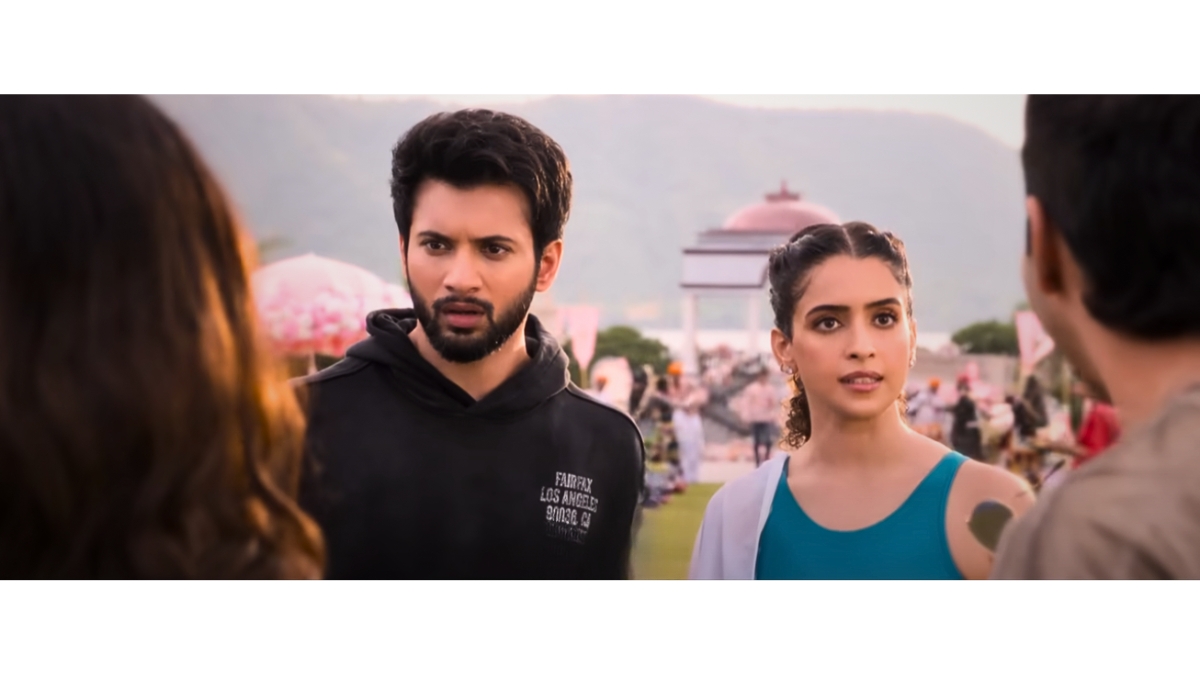
    Varun Dhawan and Janhvi Kapoor — reunited after Bawaal — bring familiarity and ease to the film. Early reactions suggest that viewers are warming to their camaraderie and banter. Rohit Saraf, Sanya Malhotra, and supporting cast infuse liveliness, even in scenes that might’ve dragged without them.

    Humor, Energy & Escapism

    One of the film’s strengths is that it doesn’t shy away from being cinematic candy. The trailer brims with vibrant colour, comic twists, and signature Bollywood grandiosity. The audience, especially those seeking light entertainment, seems to be enjoying it as a festive escape.

    The film also seems to lean into its romantic fluff unapologetically — sometimes to its credit. It doesn’t pretend to be deeper; it wants to make you laugh, clap, and get lost for a while.
    Rom

    Marketing Gimmicks & Engagement

    The promotions have been robust. A notable campaign: “Dharma Dream Wedding”, where fans can partake in a cinematic wedding experience tied to the film.  Also, cast interactions (like Rohit Saraf joking about Varun “bullying” him on set) have kept social media buzzing. Interestingly, the film’s distributors have negotiated a 50% showcasing in two-screen cinemas, 33% in three-screen, 25% in four-screen multiplexes — a strategic dance to assert presence without overreaching.

    Yet, all glitz doesn’t guarantee substance — that’s where the cracks come in.
    Rom

    The Cracks & Letdowns (Because No Film Is Perfect)

    Familiarity Fatigue & Predictability

    For a film that openly courts rom-com tropes, some audience members might feel déjà vu. The narrative arcs are mostly telegraphed; the emotional beats fall on familiar chords. At times, the film feels safe — too safe. Contrast that with the unexpected turns that Kantara: Chapter 1 (releasing alongside) promises — SSKTK might look pretty, but not as daring.

    Overstuffed Scenes & Pacing

    While the first half flows with energy, whispers online suggest the film struggles to sustain momentum in parts. Some scenes could have been pruned. There’s also a complaint (from netizens) about the song “Perfect” — that Sanya Malhotra, though part of the cast, is conspicuously missing from the music video, igniting speculation of sidelining.

    Promotional Missteps

    Not all publicity is positive. A clip from the trailer-launch event went viral: Janhvi Kapoor discussed AI misuse and celebrity deepfake dangers, but Varun Dhawan allegedly interrupted her with a joke. Netizens slammed it as disrespectful.That’s the kind of PR slip that lingers longer than box office numbers.

    And yes — knowing that 60% of on-screen kissing was cut per CBFC instruction raises questions about creative compromise.

    Rom

    Box Office Chances — Ambitious, But Risky

    Advance bookings are modest: just over ₹2 crore according to reports — respectable, but not explosive, especially in the face of stiff competition from Kantara. Predictive outlets had projected opening day earnings between ₹8–10 crore, or even ₹10.50–11.50 crore in strong Hindi circuits. If SSKTK doesn’t exceed those expectations or get strong word-of-mouth, sustaining beyond the first weekend could be a challenge.

    One industry note: the film’s distributors are explicitly requesting limited but strategic screen splits, likely acknowledging Kantara’s pull. That’s a smart hedge or a tacit admission of tough battlefield.
    Rom

    The Numbers Game (So Far)

    • Advance sales: ~ ₹2 crore+ — decent, but overshadowed by Kantara’s hype.

    • Budget / Box office: No official confirmed data yet. Bollywood Hungama lists “no data to display” for earnings.

    • Projections: Some predictions place India’s net opening at ₹10.50–11.50 crore.

    • Runtime & Certification: 2h 15m, U/A after cuts.

    So at present, the film is banking on festive footfalls, audience goodwill, and social media momentum to turn ROI (return on investment) into reality.
    Rom

    Verdict (with a Dash of PR Polishing)

    Think of Sunny Sanskari Ki Tulsi Kumari as confectionery cinema — indulgent, vivid, occasionally sticky, but not without flavor. Its strengths lie in its cast chemistry, breezy tone, and moments that genuinely evoke a smile or two. The film isn’t aiming to be revolutionary; it wants to be comforting entertainment. And in many stretches, it succeeds.

    However, for viewers hoping for deeper emotional exploration, narrative surprises, or bold risks, SSKTK may feel like a pleasant but safe ride. Whether that’s enough depends on how much you love revisiting rom-com tropes, or whether you demand something fresh.

    From a PR perspective, the makers can lean into festive goodwill, highlight the colourful visuals, showcase the romantic energy, and hope the buzz carries the film through its weekend. Yet they should also brace for critiques — and perhaps, smartly, the film doesn’t pretend to be flawless.

    Final Score (subjective): ~ 2.75 / 5

    If you’re in the mood for something light, celebratory, and easy on the brain, this film might hit the spot. If you’re seeking cinematic risks — maybe stick around for Kantara or your alternative picks. Either way, Dussehra deserves a film that gets the crowd smiling. SSKTK mostly delivers on that front, with occasional stumbles.

    PNN News

  • Idli Kadai 2025 Review: Dhanush Serves Simplicity With Spice, But Is It Enough to Satisfy?

    Idli Kadai 2025 Review: Dhanush Serves Simplicity With Spice, But Is It Enough to Satisfy?

    Mumbai (Maharashtra) [India], October 1: Cinema buffs, noodle-armchair critics, and casual moviegoers alike have finally had their say — “Idli Kadai”, Dhanush’s latest endeavor as actor-director (and writer, and co-producer), has arrived on screen, and it’s stirring up more than just steam from the idli pot. With its promise of rural nostalgia, familial bonds, and emotional resonance, the film has won many hearts — though not without inviting a few critical stirs. Here’s a polished, slightly cheeky take on where it shines, where it stumbles, and whether it might sustain its flavor over the box office weekend.

    A Bite into the Plot (No Spoilers, or Just a Pinch)

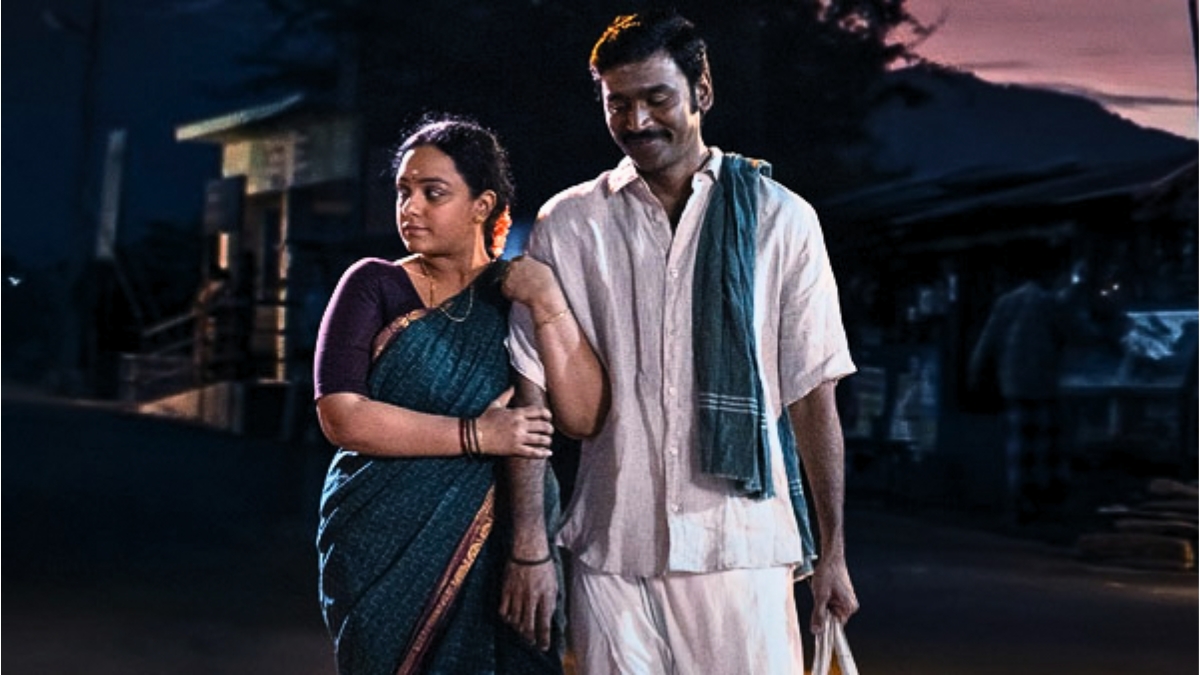
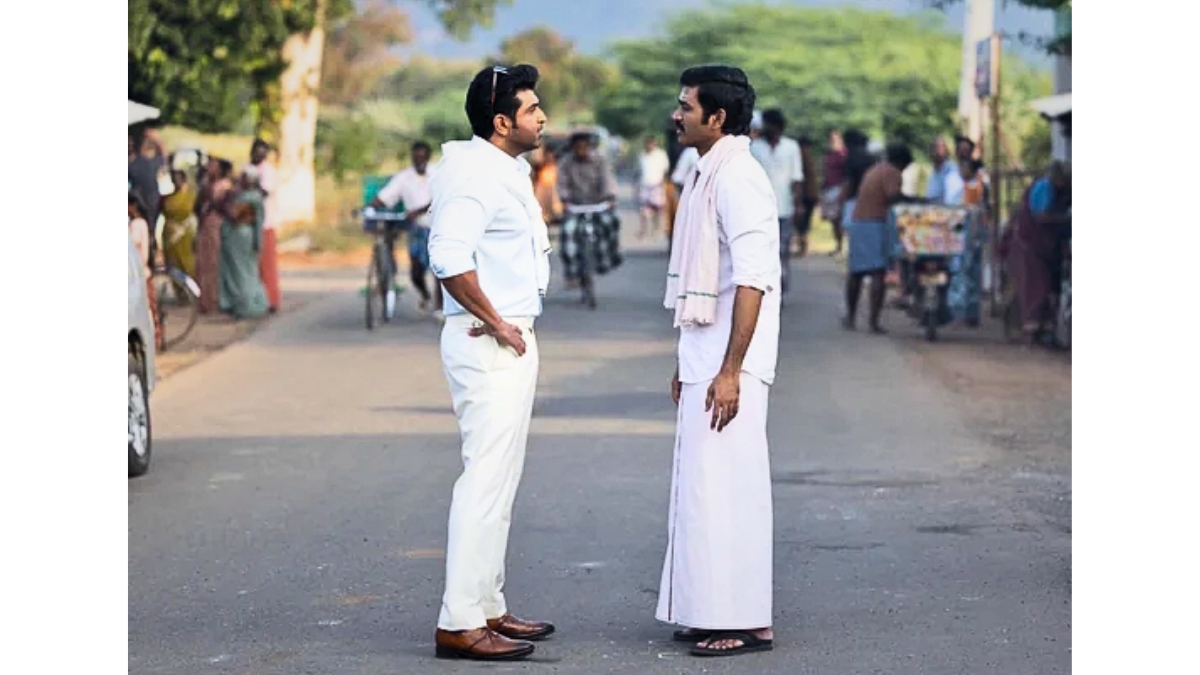
    “Idli Kadai” (also stylised as Idli Kadai) is set in the rustic environs of Sangarapuram in Theni district. The story orbits Murugan (Dhanush), who leaves the village to chase urban ambition — working for the flashy Vishnuvardhan’s enterprise in Bangkok, and preparing to wed Meera (Shalini Pandey). But when news of his father Sivanesan’s (Rajkiran) death brings Murugan back home, he finds his father’s modest idli shop — the “kadai” in question — and its legacy under threat. The humiliation doesn’t end there: Vishnuvardhan sends his son Ashwin (Arun Vijay) to pressure Murugan to rejoin the corporate fold or relinquish his claim.

    So yes — we get the return-to-roots trope, generational conflict, sentimental flashbacks, and the usual rural-versus-urban friction. But here’s the tease: Dhanush, playing multiple roles behind the scenes, pushes the film beyond mere cliché on many occasions.

    Idli

    What Works: The Heart, the Familiar, the Warm Moments

    1. Sincerity Over Showmanship

    Many early tweets wax poetic:

    Idli Kadai is simple in its storytelling but honest in its emotions. … A feel-good, beautifully made film that connects with sincerity.” 
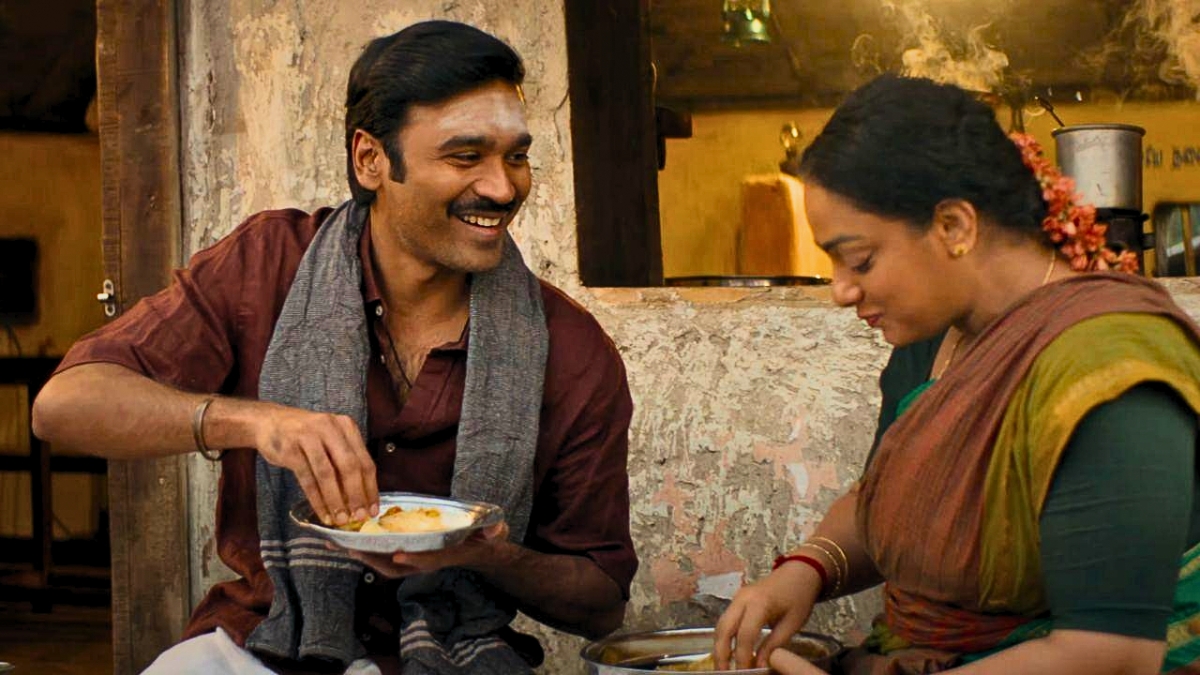
    The strength here is that Dhanush doesn’t try to fake complexity. He leans into the emotional ballast — nostalgia, filial duty, small-town rhythms — and lets them breathe. The first half, especially, has been praised for the emotional connect, rural texture, and a few standout scenes: the calf, the idli shop sequences, the father–son bonding bits.

    2. Dhanush Juggling Many Hats (Mostly with Finesse)

    It’s not every day that your lead actor is also the writer and the director (and co-producer). Dhanush seems to have a firm grip over his vision: red threads of past and present intercut smoothly, callbacks land emotionally rather than artificially, and tonal shifts (from warmth to confrontation) mostly stay in control. Rediff notes that his weaving of timelines and restraint in showing loss is an “underplayed strength.”
    Even The Indian Express, which isn’t blind to flaws, concedes that Dhanush “steers this conventional melodrama in the right direction.”

    3. Cast, Music & Production Values

    You can’t ignore the ensemble: Nithya Menen as Kayal brings quiet gravitas; Arun Vijay as the adversarial Ashwin gets moments to shine; veterans like Sathyaraj, Parthiban, Samuthirakani, and Rajkiran lend legitimacy and weight. Visually, cinematographer Kiran Koushik captures the rustic earthiness without overdoing it. And composer GV Prakash Kumar — freshly riding high on his National Award win — delivers musical motifs that complement, rather than overpower, the story.

    Idli

    Where the Steam Escapes: Critiques & Weaknesses

    1. Melodrama Overdose / Predictability

    A recurring whisper in reviews: sometimes the film lapses into too much sentimentality, relying on clichés and stretched emotional beats. The Times of India’s review titled “serves nostalgia and sentimentality, but it isn’t nearly enough” nails it — the film’s emotional weight occasionally tips into overbearing territory. 
    The Indian Express also points out that the movie is caught in a tussle — a classical melodrama trying to be self-aware. Some villains feel cartoonish. 
    In short, less shade, more substance would have helped.

    2. Pacing & Second-Half Potholes

    The first half gets applauded. But whispers from discussion boards and comment threads suggest the second half lags, especially post-interval. Some scenes stretch longer than necessary; the dramatic stakes are telegraphed early, leaving fewer surprises.
    And yes — a few romance bits (especially involving Nithya) have drawn mild criticism for landing clumsily.

    3. Box Office Pressure & Competition

    A film of this kind must sustain on word-of-mouth. Though it had a respectable opening, the weekend holdover will be critical. Moreover, the release coincides with the paid premieres of Kantara: Chapter 1, which could siphon off evening audiences in multiplex-heavy zones. 
    Also, while the movie is reportedly made on a moderate budget (some sources suggest ₹60 crore), it must now recoup through both box office and OTT/digital rights to be a profitable venture.

    Idli

    Box Office & Streaming Snapshot (as of now)

    • On Day 1, Idli Kadai reportedly earned ₹10.50 crore net across India (all languages).

    • In Tamil Nadu, occupancy hovered around 48.34% on average, with night shows doing especially well — Chennai (85%), Dindigul (89%), Trichy (84%) among leaders.

    • Some online portals, meanwhile, claim that the film’s digital rights have been sold to Netflix for a rumored ₹45 crore, with a streaming release expected in November (after a four-week theatrical window). mint+1

    • Advance bookings were healthy too — Idli Kadai reportedly collected ₹3.91 crore from pre-sales by Tuesday, with Tamil & Telugu contributing ₹1.67 crore of that.

    • In terms of promotion, Dhanush’s team pulled out all stops — hoardings, 3D standees, “popcorn-bucket” branding, trailer launches at malls, and emotional pre-release events (where Dhanush referred to his roots and wept openly).

    So, while the ₹10 crore opening is respectable for a film of this nature, it’s not earth-shattering — especially in today’s saturated theatrical landscape.

    Idli

    Tone It Like PR, But Without the Sugarcoating

    If I were writing the press note (minus the thick veneer of marketing polish), here’s the gist:

    Idli Kadai is Dhanush’s heartfelt invitation: a humble tale of legacy, love, and homecoming. Its strengths lie in sincere performances, rural textures, and a musical score that speaks beneath the dialogue. That said, the film occasionally leans heavily on melodrama and predictable arcs. Box office has started well — ₹10.50 crore on Day 1 — and its long game hinges on audience goodwill and word-of-mouth. Competition is fierce (hello, Kantara). But if viewers embrace its warmth rather than its cracks, Idli Kadai might just simmer delightfully in theatres and hearts alike.”

    Verdict: Is It a Must-Watch?

    If you like films that don’t ask for much — just a little patience and an emotional anchor — Idli Kadai is worth your time. The first half will endear you; the second half will test your indulgence. But because Dhanush quite nearly pulls off what he intends — a cinematic comfort food — it’s a satisfying watch even if it’s not flawless.

    Rating (inspired by public & critic consensus): ~ 3 / 5 stars
    Final word: a gentle, well-intentioned drama that’s better remembered for its sentiment than its horsepower — but sometimes, that’s exactly what audiences need.

    PNN News

  • Chainsaw Man: The Movie – Reze Arc 2025 Slashes Through Theaters with Love, Gore, and a Box Office Punch

    Chainsaw Man: The Movie – Reze Arc 2025 Slashes Through Theaters with Love, Gore, and a Box Office Punch

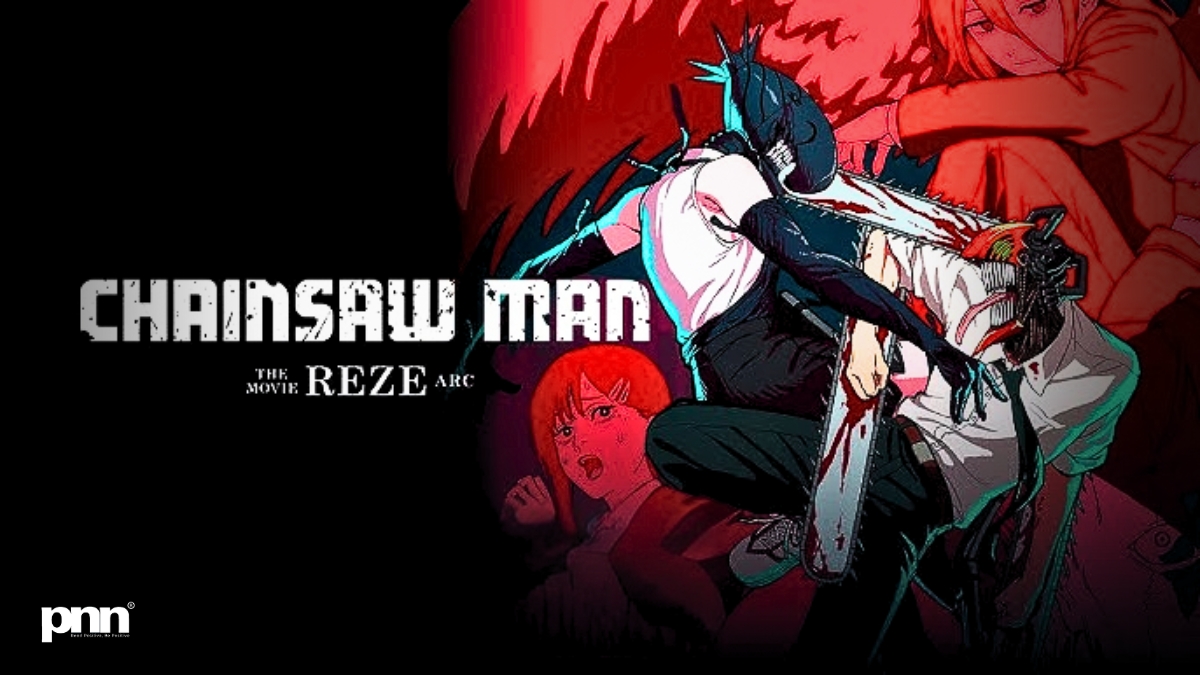
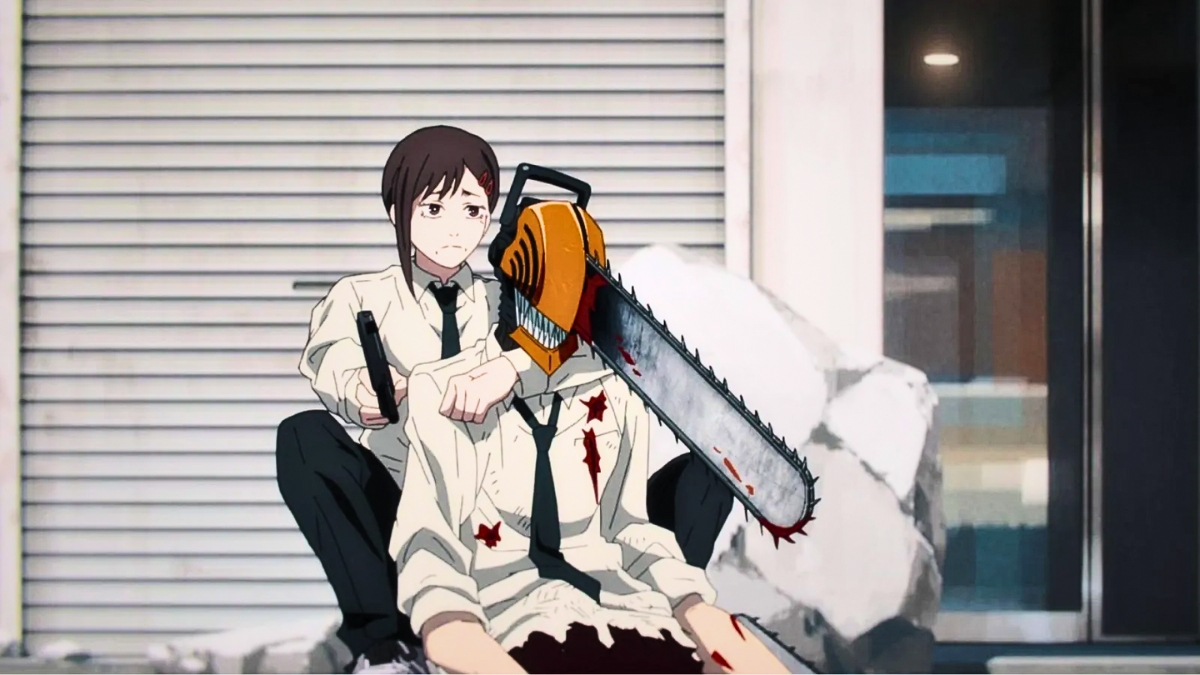
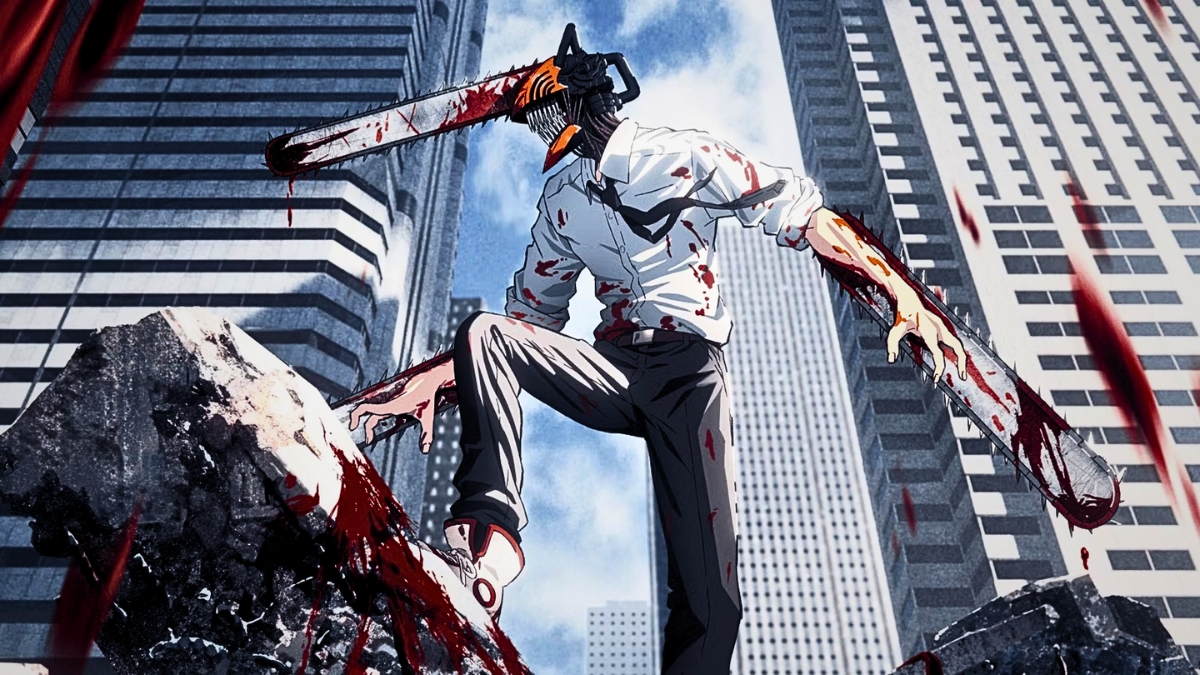
    Mumbai (Maharashtra) [India], October 1: Anime fans in India and across the globe rarely get quiet weekends anymore—thanks to the juggernaut called Chainsaw Man. The latest theatrical instalment, Chainsaw Man: The Movie – Reze Arc, didn’t just release; it practically revved its chainsaw into the hearts (and wallets) of audiences. And like Denji himself, it arrived with chaos, comedy, blood-splatter, and yes… a touch of romance that’s as explosive as it is tragic.

    But let’s pause. Why the hysteria around this anime film? And more importantly, has it actually lived up to the fandom’s deafening expectations, or are we just hearing the sound of chainsaws revving without much fuel?

    Chainsaw

    The Hype, the Love, and the Chainsaw Fandom

    Anime today is no longer just for late-night binge-watchers. In India, screenings of Chainsaw Man: Reze Arc have been packed with teens donning cosplay, university students yelling “Pochita!” in theaters, and die-hard manga readers mouthing dialogues before the characters even finish them. It’s cultural chaos—and the film knows it.

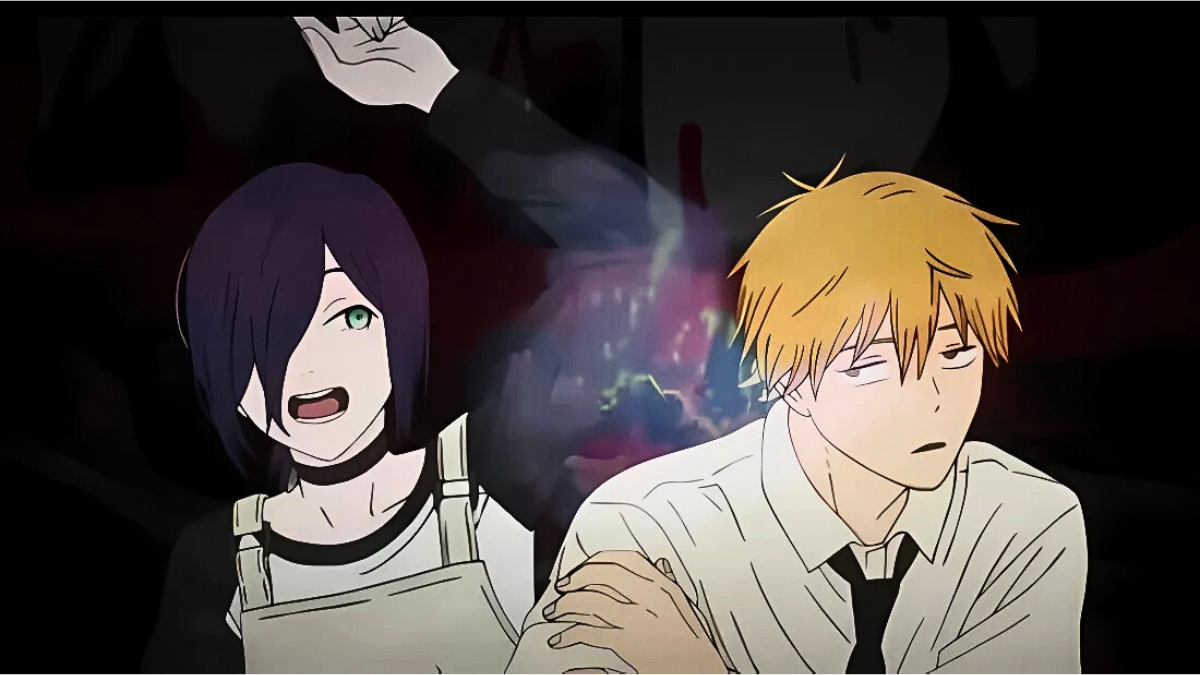
    Adapted from Tatsuki Fujimoto’s cult manga, the Reze Arc is one of the most iconic storylines in the series. It blends romance and horror in a way few anime dare—introducing Reze, a mysterious girl who straddles the line between “dream crush” and “literal nightmare.” For protagonist Denji, who only ever wanted simple joys like jam on bread and affection, this arc hits like an emotional buzzsaw.

    The film leans into this with unapologetic confidence: beautifully animated fight sequences that are choreographed like ballet, drenched in blood-red palettes; tender moments of romance that feel like Fujimoto scribbled them straight from a fever dream; and comic relief so ridiculous it leaves audiences wheezing.

    Chainsaw

    Box Office Rampage

    Now, the numbers. According to early trade reports, Chainsaw Man: The Movie – Reze Arc has already grossed over ₹12 crore in India alone by Day 5, with a worldwide collection hovering above the $35 million mark. Day 1 was electric, pulling anime enthusiasts to theatres in droves, while Day 4 and Day 5 saw the typical dip after the weekend rush—something even Denji’s chainsaw arms couldn’t slice through.

    The Times of India reported that by Day 4, the film raked in ₹1.69 crore domestically, showing that while the opening frenzy was loud, sustainability is the real challenge. Still, considering anime films in India traditionally occupy a niche, this performance is historic. It’s comfortably ahead of other recent anime releases and breathing down the neck of established shonen franchises.

    Chainsaw

    Why Did It Click?

    Several reasons, actually:

    1. The Reze Arc Itself: Ask any Chainsaw Man manga reader their favorite arc, and “Reze” will appear in the top 3. The storyline’s blend of heartbreak and violence makes it tailor-made for cinematic treatment.

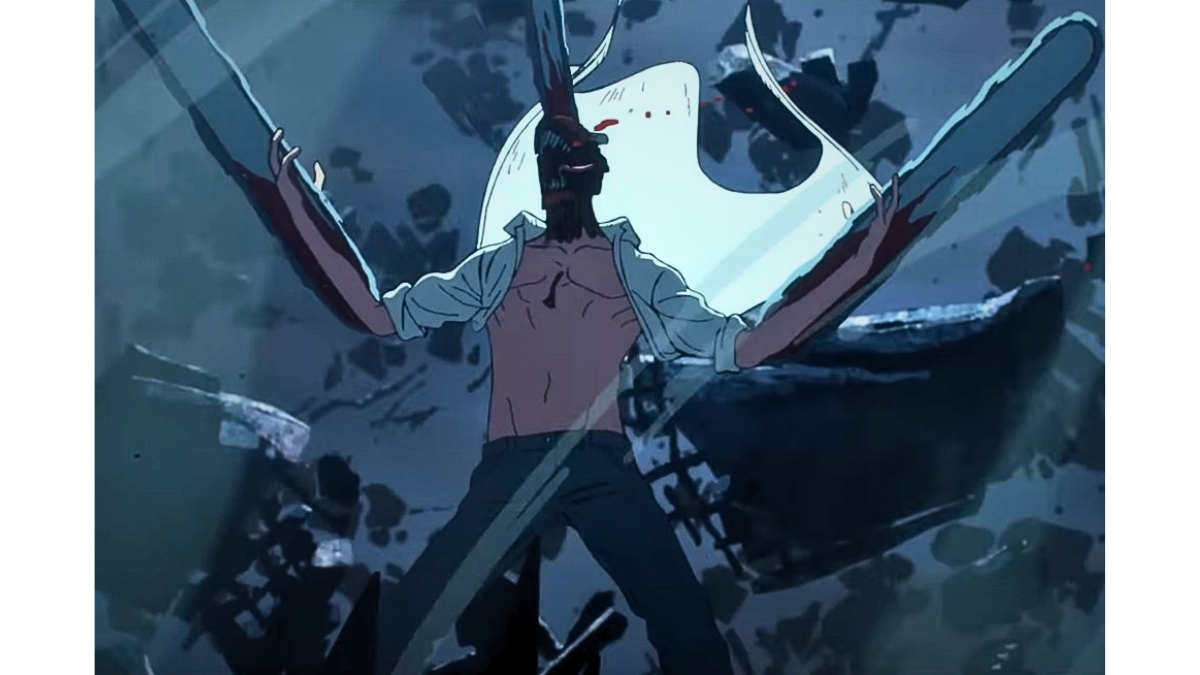
    2. Studio MAPPA’s Animation: Love them or hate them, MAPPA delivers spectacle. Critics can debate the ethics of overworked animators, but visually? The movie is a stunner. The cityscapes, explosions, and Denji’s brutal transformations all carry the studio’s signature flair.

    3. Marketing Done Right: Crunchyroll, PVR Pictures, and anime fan communities flooded social media with Reze posters, fan art contests, and premiere events. Even casual Netflix-watchers who only heard of Chainsaw Man jumped into theaters “to see what the fuss is about.”

    4. The Cult of Denji: At the heart of it, audiences love rooting for the underdog. Denji’s a broke teenager with absurd dreams (jam, girlfriend, a bed). His relatability—wrapped in gore—makes for irresistible storytelling.

    Chainsaw

    But Not Everything Is Perfect

    Of course, it wouldn’t be a true Chainsaw Man experience without dividing audiences.

    Some critics argue that the pacing is inconsistent—long stretches of dialogue followed by abrupt bursts of carnage. Others feel the humor, while true to Fujimoto’s style, occasionally dilutes the emotional gravitas of Denji and Reze’s relationship.

    On social media, fans have also complained about ticket prices in India being higher than those for other anime screenings. A few cinephiles even compared it unfavorably with Jujutsu Kaisen 0 or Demon Slayer: Mugen Train, claiming that while Chainsaw Man is raw and stylish, it lacks the “soul” those films carried.

    Yet, ironically, these criticisms only fuel its virality. After all, when was the last time you saw fans passionately debate a fictional boy who turns into a chainsaw?

    Chainsaw

    Pop Culture Impact

    What’s particularly striking is how Chainsaw Man: Reze Arc has broken the bubble of “anime-only audiences.” Bollywood stars and influencers have dropped cheeky Instagram stories about watching it. Memes of Denji’s clumsy romantic attempts with Reze are flooding X (formerly Twitter). In fact, the hashtag #RezeArc trended for 48 hours straight in India post-release.

    Some fans went as far as dubbing it “anime’s Romeo and Juliet—if Juliet had explosives hidden under her skin.” Not inaccurate.

    Chainsaw

    Production Costs & Global Gamble

    Insiders report that the film’s production budget was around $15 million, making it a mid-tier anime film in terms of expenses. Considering MAPPA’s infamous work pipeline, it’s a miracle the animators pulled this off without collapsing. Distribution costs in India, Europe, and North America added another layer, bringing the overall investment close to $20 million.

    The gamble seems to be paying off. With solid international numbers and merchandise (Reze plushies are selling out online), the film could very well double its investment within the next week.

    Final Take

    Chainsaw Man: The Movie – Reze Arc is not flawless. It stumbles here and there, much like Denji himself—messy, brash, often confused. But that’s precisely why it works. It doesn’t attempt to be polished like a Marvel flick. Instead, it offers a chaotic, blood-soaked love story with the kind of absurd sincerity that only anime can pull off.

    For fans, it’s a cinematic event; for newcomers, it’s an invitation into a world where love and death dance to the revving of chainsaws. Either way, it’s a ride worth taking—though not for the faint of heart.

    PNN News

  • Guest From the Future 2025: A Sci-Fi Spectacle That Splits Opinions but Commands Attention

    Guest From the Future 2025: A Sci-Fi Spectacle That Splits Opinions but Commands Attention

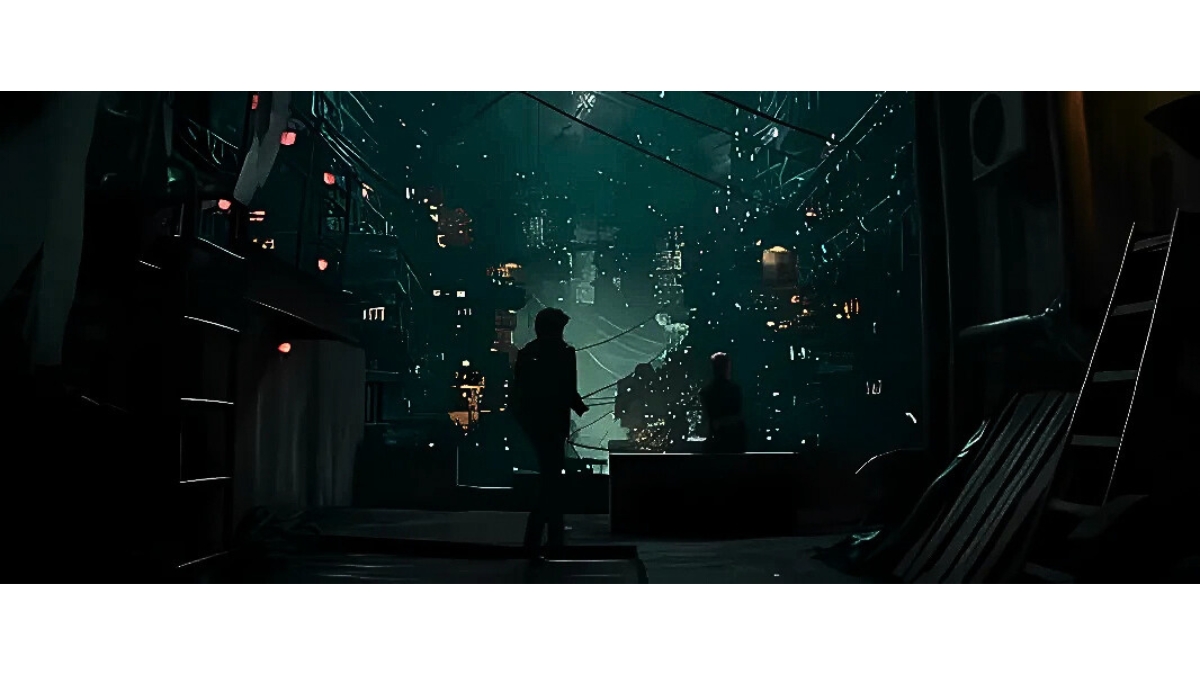
    Mumbai (Maharashtra) [India], October 1: When a film dares to put “future” in its title, it had better have something more compelling to offer than neon lighting and CGI explosions. Fortunately—or depending on which side of the internet you’re on, unfortunately—Guest From the Future has managed to tick both boxes while still sparking debates across cinephile communities worldwide.

    This sci-fi adventure in English, out everywhere in late September 2025, didn’t sneak into theaters unobtrusively. It burst in with an interstellar hype of brain-bending time travel, sleek world-building, and a storyline that appears to be borrowed from the pulp sci-fi classics of yesteryear. To its credit or discredit, it has been a topic of discussion on not just Reddit threads and Letterboxd posts but also mainstream movie critiques worldwide.

    Future

    The Premise: Time, Teenagers, and Trouble

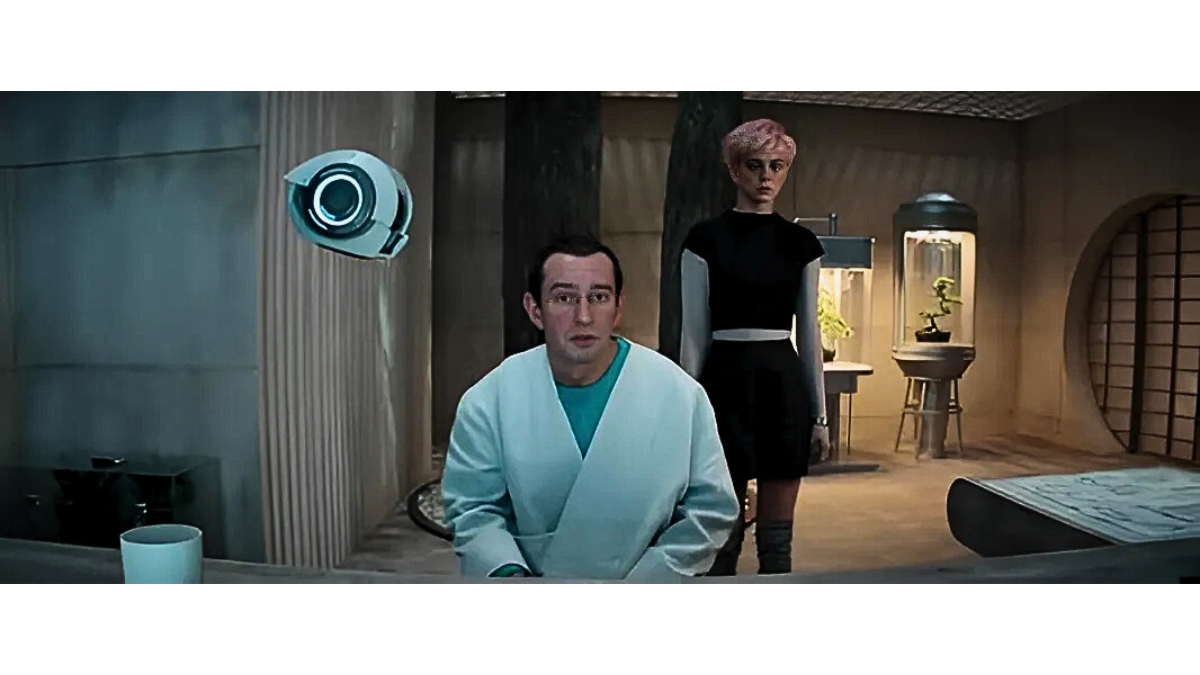
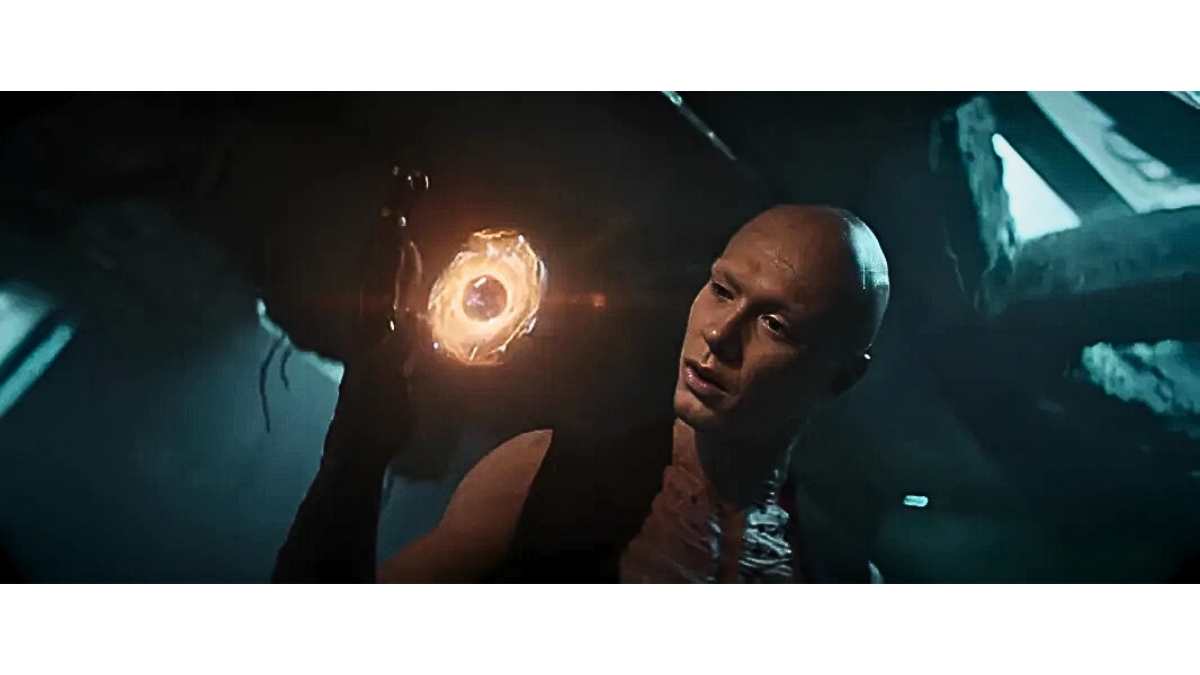
    At its essence, Guest From the Future is about a teenager who discovers a strange portal that hurtles him into a dystopian universe filled with corrupt bureaucrats, robotic enforcers, and corporate spies who most certainly missed their ethics seminar. It’s half-adventure, half-cautionary tale, and half “don’t-try-this-at-home” public service announcement for inquisitive teens experimenting with portals.

    Imagine Back to the Future going into a state of cohabitation with The Hunger Games—just less humor and so much angst.

    Future

    The Hype: Why Everyone Is Talking About It

    1. Box Office Numbers – In just its opening two weekends, Guest From the Future has pulled in close to $74 million globally, a modest but respectable figure for a mid-budget sci-fi flick that didn’t have Marvel or DC plastered across its posters. With distribution across Europe, North America, and India (via dubbed versions), the film has positioned itself as a global crowd-puller.

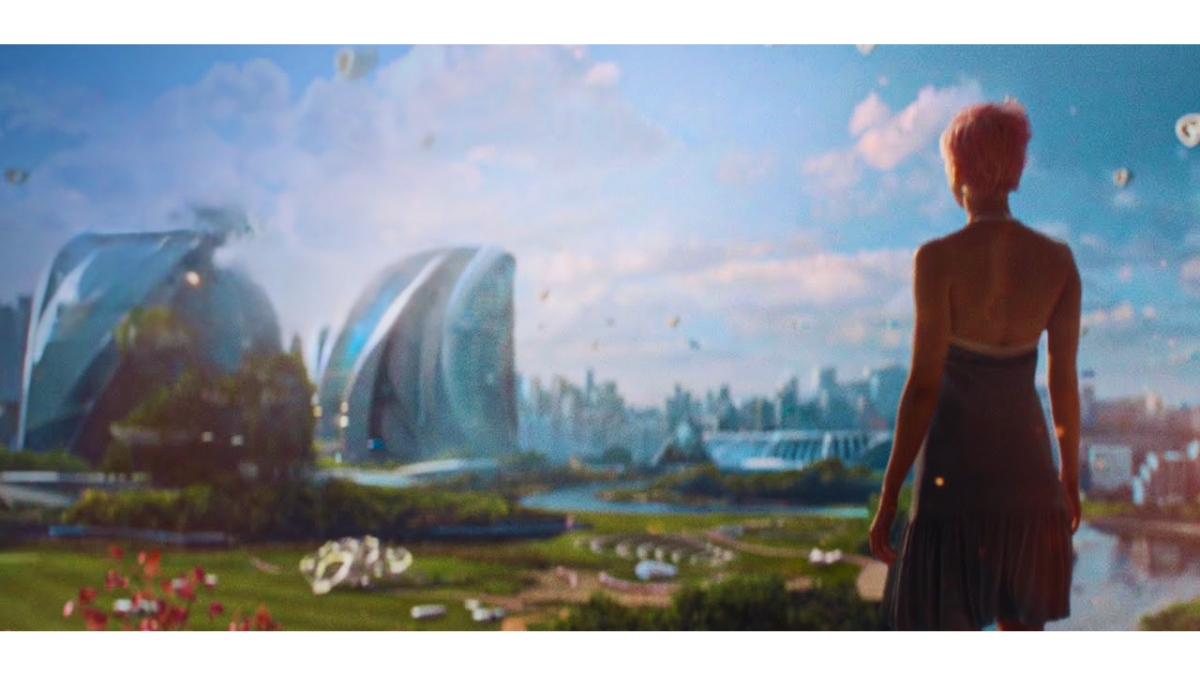
    2. The Budget Debate – Reports suggest the production cost somewhere between $45–50 million, mostly invested in slick VFX sequences and creating a believable futuristic cityscape. Whether the storytelling justified that investment, however, depends on whom you ask.

    3. Cultural Impact – The dubbed release in India has been particularly well-received among younger audiences, with Guest From the Future trending on Twitter (sorry, “X”) for nearly 48 hours post-release. Memes about its overly serious villain have already earned it a cult-like status among Gen-Z viewers.

    Future

    Reviews: A Tale of Two Extremes

    Critics seem torn right down the middle.

    • The Praise: Publications like Filmibeat called it a “bold reimagining of retro sci-fi” and applauded its ambition. The film has been lauded for its world-building, visual spectacle, and the sheer commitment to not dumbing down its central premise.

    • The Criticism: Others weren’t so generous. Several outlets have accused the screenplay of being “bloated,” with unnecessary detours and dialogues that sound like they were pulled from a philosophy student’s midnight ramblings.

    In short: the visuals wow you, but the narrative occasionally makes you wish for a fast-forward button—ironic, given the subject matter.

    Future

    Audience Reactions: Fans vs. Frustrations

    • Fans: Many moviegoers have praised the lead performances, especially the young cast who shoulder the narrative without succumbing to Hollywood’s tendency to over-glamorize. The portal sequences and climactic battles, drenched in VFX wizardry, have been shared endlessly on social platforms.

    • Frustrated Viewers: On the other side of the aisle, some audience members argue that the film takes itself too seriously and misses the chance to inject humor or emotional warmth. One viral tweet summed it up: “Loved the visuals, hated the monologues. Feels like being trapped in a TED Talk… from 2099.”

    Future

    Why It Works (Despite Its Flaws)

    Love it or hate it, Guest From the Future isn’t boring. That’s its real achievement. For a genre cluttered with recycled superhero arcs, this film takes a leap of faith in reminding audiences of why time-travel stories have endured for decades.

    It dares to slow down and ask questions: What happens when technology outpaces humanity’s morality? Can one teenager really change the fate of a civilization? And—most importantly—how much CGI firepower can you pack into two hours without blinding your audience?

    Future

    Latest Buzz

    • The film has been submitted for consideration at upcoming European film festivals in the Best Visual Effects and Best Production Design categories.

    • Talks of a possible sequel or spin-off series are already swirling, though insiders caution that the studio is waiting to see if the box office stabilizes at the $100 million mark worldwide.

    • Social media chatter has revealed that a few scenes were trimmed in the Indian release due to “pacing concerns,” sparking debates among fans about censorship and creative freedom.

    Final Verdict: Future Imperfect, But Fascinating

    Is Guest From the Future the genre-defining sci-fi we’ve been waiting for? Probably not. Is it an ambitious, slightly over-indulgent yet visually striking attempt at reviving the glory of old-school speculative fiction? Absolutely.

    It’s a cinematic guest who overstays their welcome at times, but still keeps you intrigued enough not to kick them out. And in today’s crowded movie landscape, that alone is a win.

    PNN News

  • Shin Chan 2025: The Spicy Kasukabe Dancers in India – A Chaotic Theatrical Fiesta that’s Breaking Box Office Stereotypes

    Shin Chan 2025: The Spicy Kasukabe Dancers in India – A Chaotic Theatrical Fiesta that’s Breaking Box Office Stereotypes

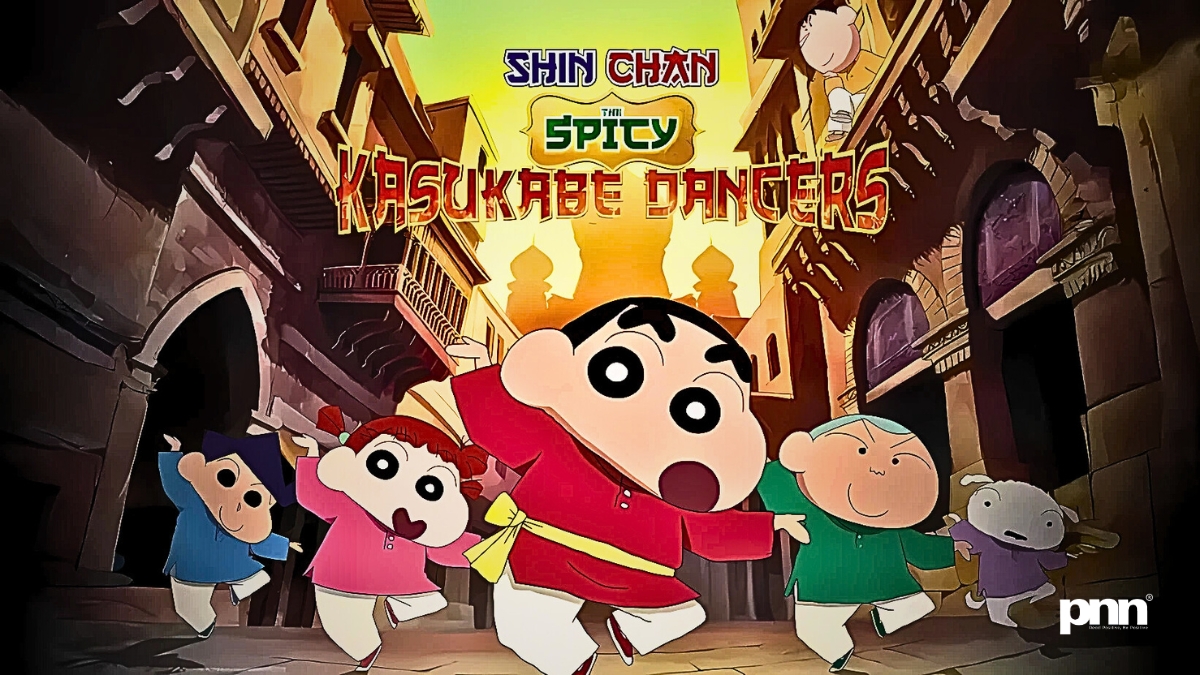
    Mumbai (Maharashtra) [India], October 1: There are films that sneak quietly into theatres, and then there’s Shin Chan: The Spicy Kasukabe Dancers, which marched straight in wearing neon shorts, a mischievous grin, and a complete disregard for India’s cinematic “rules.” Yes, India has officially gone bonkers for Shin Chan, the five-year-old menace from Kasukabe who has, against all odds, pulled off what Bollywood masala blockbusters sometimes can’t — laughter, madness, and money at the box office.

    As of Day 5 in Indian theatres, the film has raked in ₹17.5 crore, an impressive feat for an animated Japanese export. To put things in perspective, that’s a number many mid-tier Hindi films would happily trade their opening week for. But the story isn’t just about numbers. It’s about how a crude, pants-dropping, inappropriate-joke-cracking child has managed to charm India, a nation notoriously selective when it comes to foreign animation.

    Shin Chan

    The Premise: Chaos Served Extra Spicy

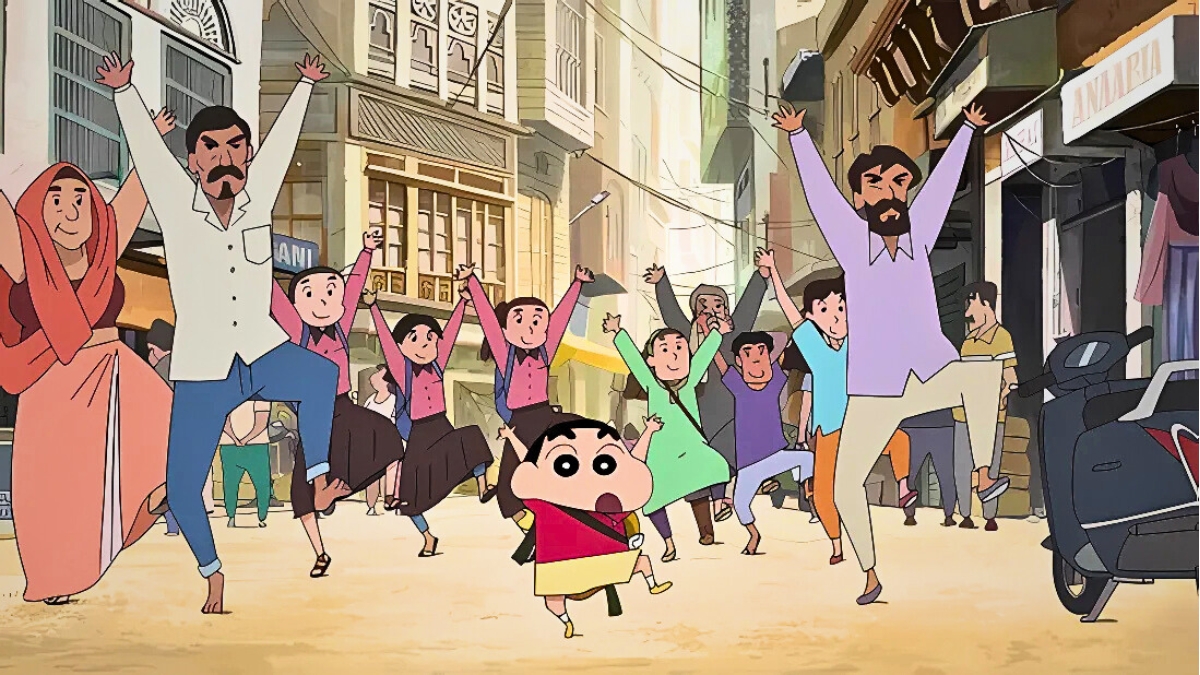
    For the uninitiated, The Spicy Kasukabe Dancers throws Shin Chan and his usual gang — Bo-chan, Nene, Masao, Kazama — into a madcap adventure involving a dance troupe, absurd villains, and enough comic exaggeration to make even the most stoic viewer crack a smile. The movie gleefully ignores logic, embraces cultural chaos, and delivers a rollercoaster of slapstick and satire.

    Indian fans, who have grown up watching Shin Chan’s censored adventures on TV (remember those voiceovers that practically re-wrote the jokes?), are now experiencing him raw and unfiltered on the big screen. And the difference is palpable. Kids giggle uncontrollably, while adults, half-embarrassed but fully entertained, realise the jokes hit differently when the volume is cranked up in Dolby Atmos.

    Shin Chan

    Why the Craze in India?

    1. Nostalgia Factor – For millennials, Shin Chan is the cartoon you weren’t supposed to watch but did anyway. That nostalgia is now translating into ticket sales.

    2. Family Audience Magnet – Parents initially walk in for their kids but end up staying because, admit it, who doesn’t want to watch a five-year-old roast adults?

    3. Anime Boom in India – With Demon Slayer, Jujutsu Kaisen, and other titles doing surprisingly well, Shin Chan has slipped neatly into the anime wave.

    4. Smart Localisation – The Hindi dub has leaned into desi humor without over-sanitising the script, making it accessible yet quirky.

    Shin Chan

    The Good, The Bad, and The “Did That Just Happen?”

    On the bright side, the film is unapologetically funny. The jokes land, the pacing never lags, and the animation, while not Pixar-polished, has a raw energy that fits Shin Chan’s world. The songs — especially the dance troupe sequences — had entire theatre halls clapping along like it was a Salman Khan Eid release.

    On the flip side, let’s be real: not everyone’s a fan of Shin Chan’s “comedy.” Critics have complained that the humor is too crude for kids, too repetitive for adults, and at times just plain ridiculous. The plot? Paper-thin. The villains? Caricatures. And the runtime? Slightly stretched. But then again, expecting Citizen Kane from Shin Chan is like expecting Bo-chan to deliver a rousing Shakespearean monologue. It’s not happening.

    Shin Chan

    Box Office Heat

    Here’s how The Spicy Kasukabe Dancers have performed so far in India:

    Day Collection (in ₹ Crores)
    Day 1 3.2
    Day 2 4.1
    Day 3 4.3
    Day 4 3.0
    Day 5 2.9
    Total 17.5 Crores

    The film was made on a relatively modest budget — estimated at ₹35 crore globally (marketing included) — and India’s early surge means it’s well on its way to profitability. Add in merchandising, toys, and possible OTT rights (rumor mill says Netflix is circling), and this little Kasukabe troublemaker may end up being one of 2025’s most lucrative “surprise hits” in India.

    Shin Chan

    The Audience Verdict

    • Fans: Social media is flooded with memes, fan art, and posts declaring Shin Chan the “real king of comedy.”

    • Parents: Mixed reactions. Some applaud the nostalgia and fun, while others frown at the questionable jokes their kids now repeat at dinner tables.
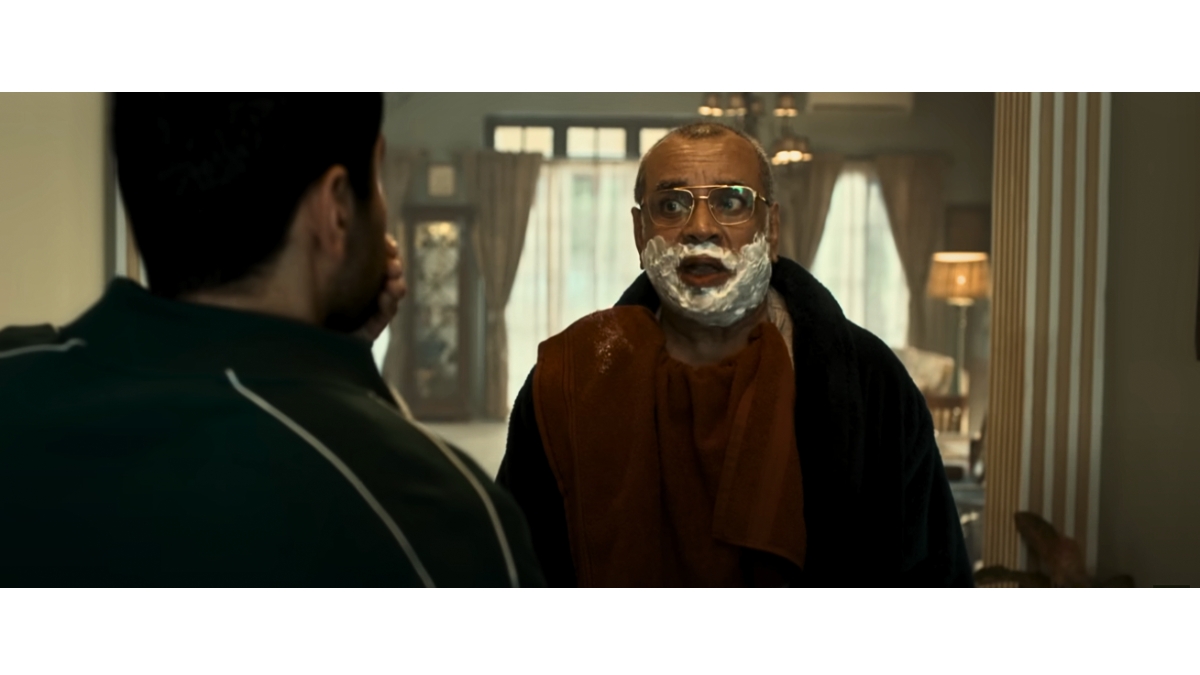
    • Critics: Divided. While Times of India gave it a mixed review, citing “forced slapstick,” Hindustan Times called it “chaotic but delightful.”

    Interestingly, Bo-chan — long the butt of Shin Chan’s jokes — has found an unlikely fanbase. A viral India Today headline declared: “Bo-chan, No Sidekick Anymore,” highlighting how the character finally shines in this film.

    Shin Chan

    Final Word

    Shin Chan: The Spicy Kasukabe Dancers in India is not subtle cinema. It won’t win Oscars. It won’t get an invite to Cannes. But what it does is infinitely harder — it makes people laugh, loudly, without apology. In an industry where even comedies are overstuffed with melodrama, Shin Chan’s chaotic, crude, yet strangely innocent humor is proving to be a refreshing antidote.

    Will the craze last? Probably until the next big Bollywood blockbuster rolls in. But for now, the box office belongs to a pants-dropping, inappropriate, wildly entertaining five-year-old. And if that’s not peak cinema irony, what is?

    PNN News

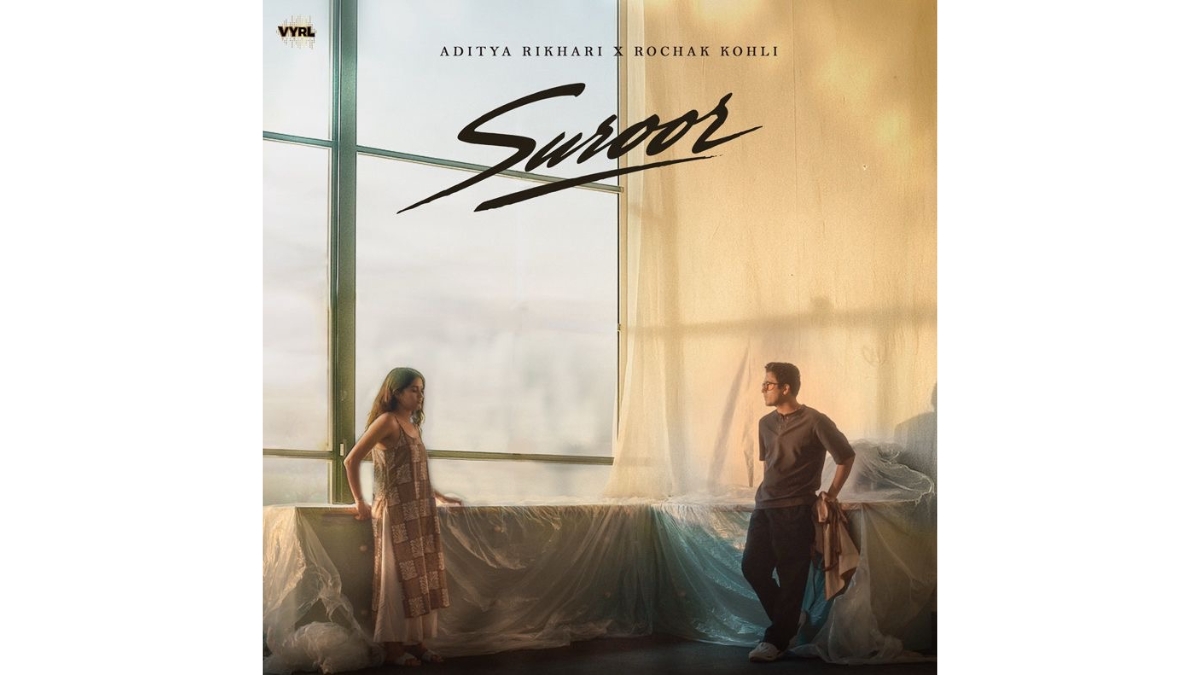
  • Aditya Rikhari and Rochak Kohli Release Suroor – A Soulful Blend of Qawwali and Indie-Pop

    Aditya Rikhari and Rochak Kohli Release Suroor – A Soulful Blend of Qawwali and Indie-Pop

    Mumbai (Maharashtra) [India], September 29: Indie-pop artist Aditya Rikhari has joined forces with renowned composer Rochak Kohli to release Suroor, a track that blends the devotional essence of qawwali with the dreamlike textures of indie-pop.

    With its heartfelt lyrics and immersive soundscape, Suroor captures the rush of being in love—the kind that keeps you awake at night, where every glance feels sacred and every silence speaks volumes.

    Aditya Rikhari, known for songs like Paro, Samjho Na, and Teri Yaad, shared:

    “Suroor is a very personal song for me. It’s about those moments when love keeps you awake at night—restless, excited, and full of emotion. I wanted the song to feel simple yet powerful, something people can relate to in their own love stories.”

    Rochak Kohli, celebrated for timeless tracks like Pani Da Rang, Tera yaar hoon mai, Dil na jaaneya, Preet re and many more, added:

    “With Suroor, we tried to bring together the sincerity of qawwali and the freshness of indie-pop. Aditya’s voice brought that balance beautifully, making Suroor an experience as much as a song. A persian twist to the lyrics wud come as a lovely surprise! “

    Suroor is streaming to all major platforms

    Watch the song here– https://youtu.be/Yd4tYw8fHEs?si=KCVPtWRv4tMWNxAn

    If you have any objection to this press release content, kindly contact pr.error.rectification@gmail.com to notify us. We will respond and rectify the situation in the next 24 hours.

  • They Call Him OG Smashes Records: What’s Fueling the Hype & How Long It Will Last

    They Call Him OG Smashes Records: What’s Fueling the Hype & How Long It Will Last

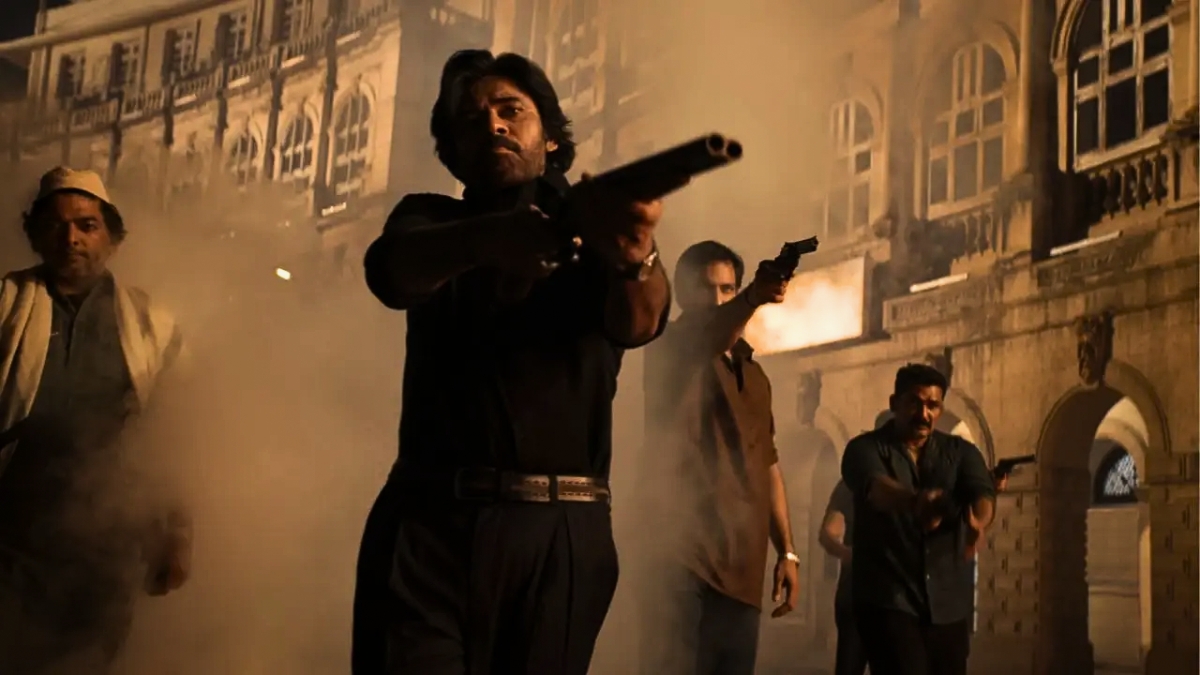
    Mumbai (Maharashtra) [India], September 27: When They Call Him OG (stylized OG) hit theatres on September 25, 2025, the Telugu action thriller didn’t just open—it detonated. Within hours, it had broken multiple box office records, stunned trade analysts, and set social media aflame. Reports suggest the film shattered five major box office benchmarks, pushing aside comparisons with legendary names like Shah Rukh Khan and Rajinikanth in key metrics.

    But behind those explosive numbers lies a more intricate narrative—of fan fervor, brand positioning, global ambitions, and the thin line between momentum and meltdown.

    The Movie, the Sell & the Star Pull

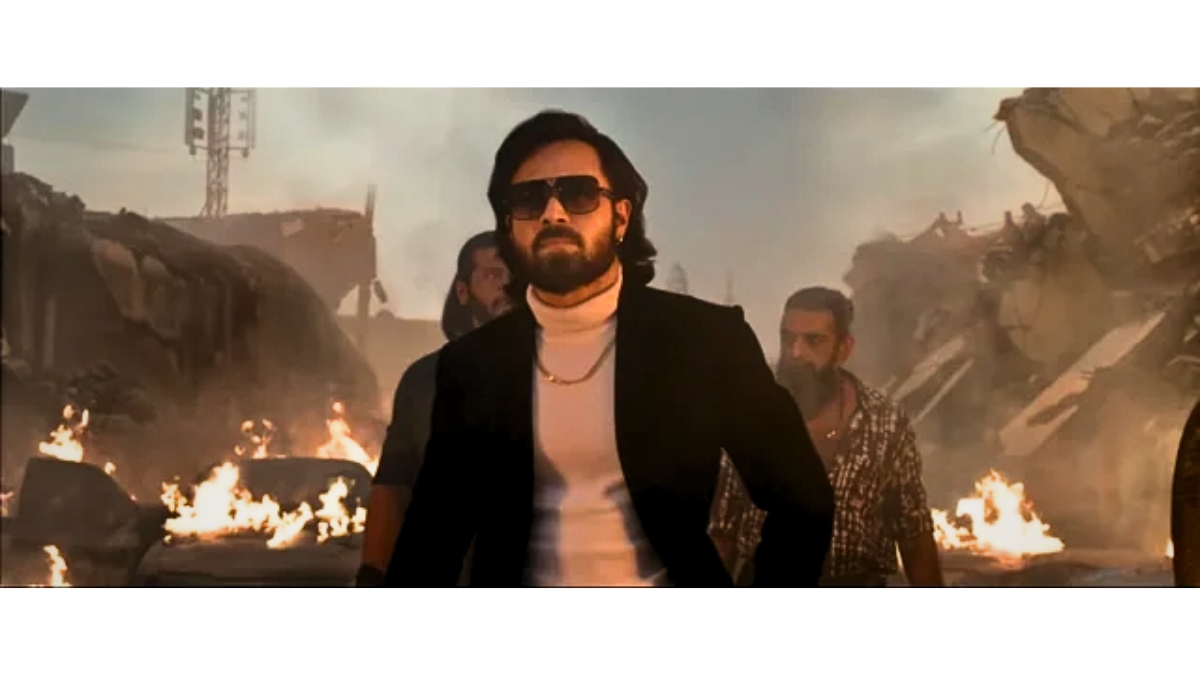
    At its core, OG is Sujeeth’s audacious attempt to fashion a pan-India gangster canvas. According to its Wikipedia entry, the film stars Pawan Kalyan as OG, returning from a decade away to reclaim territory, counter antagonists, and reignite legends. Emraan Hashmi plays the rival crime lord, Omi Bhau, in his Telugu debut, while Priyanka Mohan, Prakash Raj, Arjun Das, Sriya Reddy and others form the supporting ensemble.

    The film’s production is significant in several respects. Filming began in April 2023 in Mumbai, but faced delays—particularly after Kalyan’s political commitments following his appointment as Deputy Chief Minister of Andhra Pradesh in mid-2024. Sparse promotional leaks, strategic teasers, and the inclusion of Hindi/Telugu bilingual elements seem to have laid the groundwork for a mass, cross-region appeal.

    So the hype had a foundation: a superstar’s return, a flashy gangster script, a charismatic villain, and plenty of mystery about how OG would be distinct from countless past crime flicks.

    OG

    Records Shattered & Numbers That Dazzle

    Let’s talk money (the thing everyone loves). On Day 1, OG reportedly surpassed ₹150+ crore worldwide in gross collections. In India alone, analysts noted over ₹100 crore net (across languages) during its opening.

    Within 48 hours, it crossed the ₹100-crore mark inside India—despite trade press noting a steep drop in the second day’s earnings. indiaherald.com+4Navbharat Times+4The Economic Times+4 The worldwide tally by that point was estimated around ₹172 crore, with about ₹123 crore from India, per trade tracking.

    Internationally, OG made waves too. It reportedly earned USD 3.13 million in North America on its first day alone, breaking records for Telugu cinema in that market. Within two days, the North American gross soared past USD 4 million. It even outperformed War 2 in the U.S. box office among Indian films, reaching the 4th highest grosser status there.

    Some of the five “major records” OG is credited with include:

    • Biggest opening day in Kalyan’s career

    • Highest paid previews for his films

    • Surpassing several big stars on opening day metrics

    • Strongest overseas premiere for a Telugu film in 2025

    • Faster surpassing of lifetime collections of past hits within just a couple of days

    In short, OG didn’t just break records—it redefined them for its star and its market.

    OG

    Why Did It Break? What’s Its Secret Sauce

    Several factors combined to fuel OG’s meteoric start:

    1. Fan Base & Brand Legacy: Pawan Kalyan, a political figure and film icon, commands intense loyalty. His fandom is known for participating in grand launches, midnight shows, and mass celebrations. That existing base meant a ready crowd.

    2. Cross-Market Reach; OG is not a niche Telugu affair. Its promotional material, casting (including Emraan Hashmi in Hindi cinema), and bilingual touches signal intent to target non-Telugu states. The opening numbers in North America prove that the diaspora and pan-India audiences responded.

    3. Eager Star Comeback: Post Hari Hara Veera Mallu (2025), Kalyan needed a strong comeback. OG was marketed as his return to raw, mass cinema. That urgency galvanised media, fans, and trade buzz.

    4. Timing: Releasing during a period with fewer strong competing films in many regions cleared the path for OG to absorb audience attention. Also, the earlier buildup, teaser strategy, and advance bookings hinted at pent-up demand.

    5. Technical & Packaging Strengths: Sujeeth’s direction, the cinematography (Ravi K. Chandran + Manoj Paramahamsa), editing, music by Thaman, and action set-pieces were pitched as premium. Even if narratively, OG won’t please everyone, the visual and sound spectacle helped justify its mass appeal.

    But It’s Not All Smooth Sailing

    Where there’s hype, there’s also scrutiny and risk. A few red flags are already emerging:

    Steep Drop on Day Two: Some reports suggest OG’s second day collections fell sharply—estimates hint at a 70% decline in some markets. That’s a warning sign. If retention is poor, the film may burn bright but fade quickly.

    Mixed Critical Response: Not all reviewers are on board. Early reviews point out that while OG delivers spectacle and star power, it falters in emotional depth, character arcs, or originality. Some feel it leans heavily into “mass tropes” rather than narrative risk.

    Overreliance on Hype: Films like OG thrive on opening day mania. The challenge is converting that hype into sustained footfalls over weekdays and the second week. If audiences find flaws, word-of-mouth could erode box office legs.

    Ticket Pricing & Legal Hurdles

    There have been legal tussles. For instance, the Telangana High Court declined relief to OG producers concerning a state order permitting enhanced ticket prices and premium screenings. That crackdown could put pressure on collections or show counts.
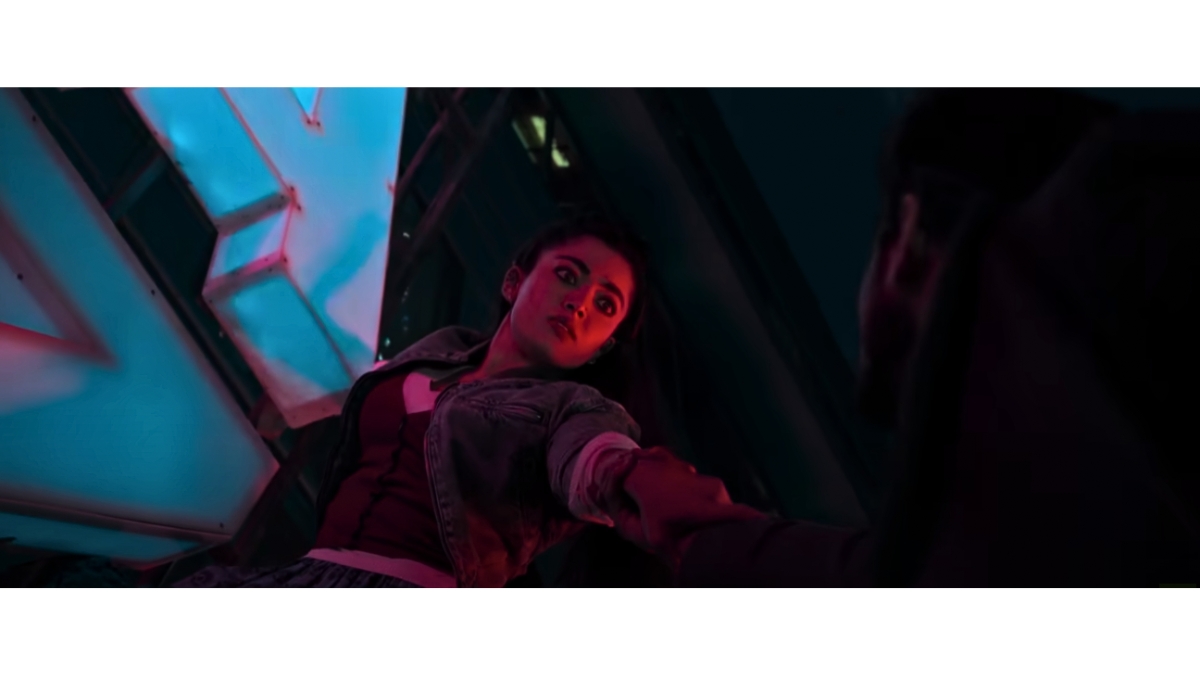
    Also, there were FIRs filed in Bengaluru against fan groups who organised unauthorised screenings or celebrations, indicating that uncontrolled promotion can invite regulatory backlash.

    What Comes Next? Outlook & Projections

    If OG manages to stabilise after its initial leap, it could ride into the ₹300+ crore club. Some trade trackers already position it among the top Telugu grossers in a very short span.

    The real test lies in Weekdays and Week 2. If collections hold or decay modestly (say 30–40% drop), OG could cement itself as a blockbuster. But if the fall is sharp and public word-of-mouth is lukewarm, it may become a “record opening, short high” film.

    Internationally, OG’s North American grip is noteworthy. Crossing into the top-10 Telugu grossers in just two days suggests the film’s resonance beyond regional limits.  The makers will look to expand in the Middle East, Europe, and Southeast Asia—markets hungry for South Indian content.

    One wildcard: the ongoing legal battles. If ticket price orders are reversed or curbs imposed, there could be forced reductions in theatre revenue. Also, the political affiliation of Kalyan may be scrutinised more intensely as box office success meets electoral influence.

    Final Take

    They Call Him OG is not merely a film—it’s a spectacle, a fan phenomenon, a commercial bet that betters expectations. Its record-breaking first day and global splash affirm that the Telugu/Indian star system is still capable of mass waves. But it will only be legendary if it sustains momentum, converts hype into mass praise, and navigates the pitfalls of falling expectations.
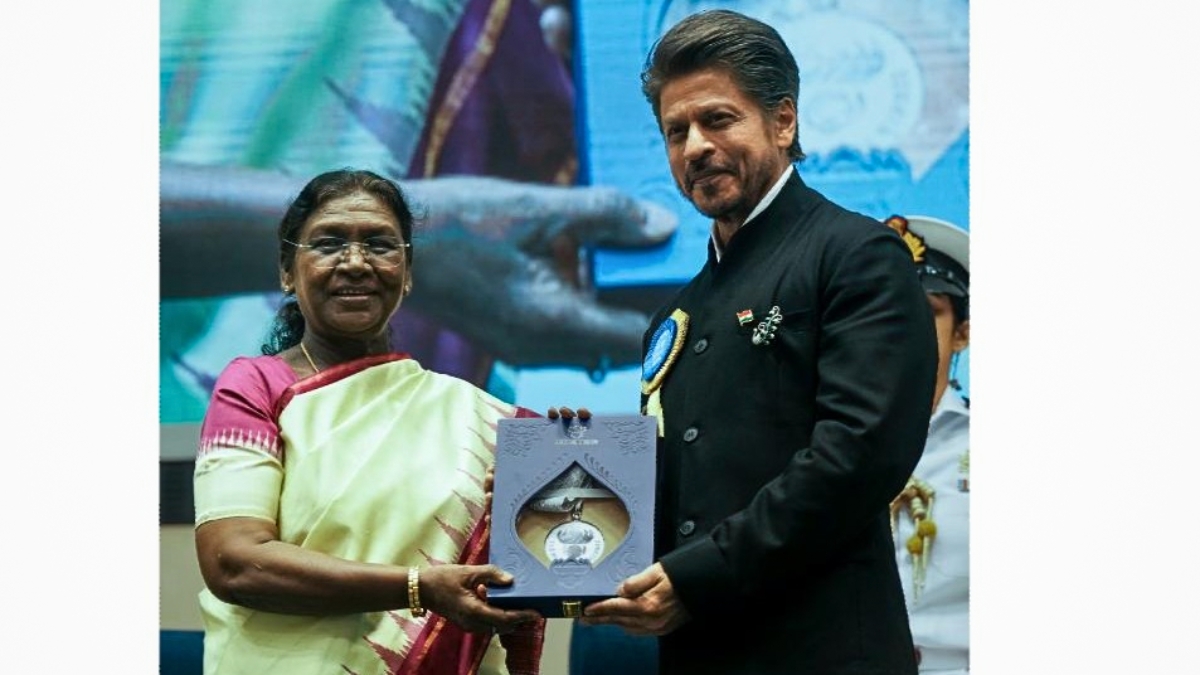
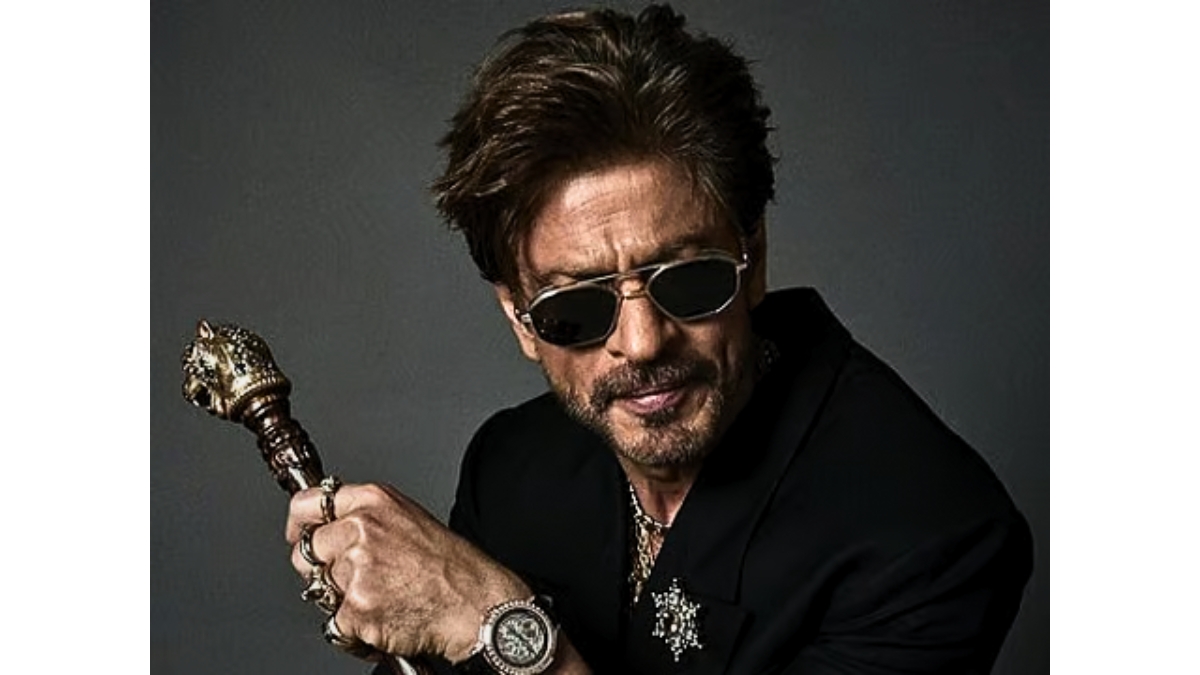
    In the coming days, OG’s journey will teach us whether box office records can transcend spectacle and become stories people remember. For now, the film is roaring, but cinemas next week will decide whether OG is a blazing comet or a shooting spark.

    PNN News

  • Thamma Trailer 2025 Review: Ayushmann & Rashmika’s Horror-Comedy Gambit Divides the Internet

    Thamma Trailer 2025 Review: Ayushmann & Rashmika’s Horror-Comedy Gambit Divides the Internet

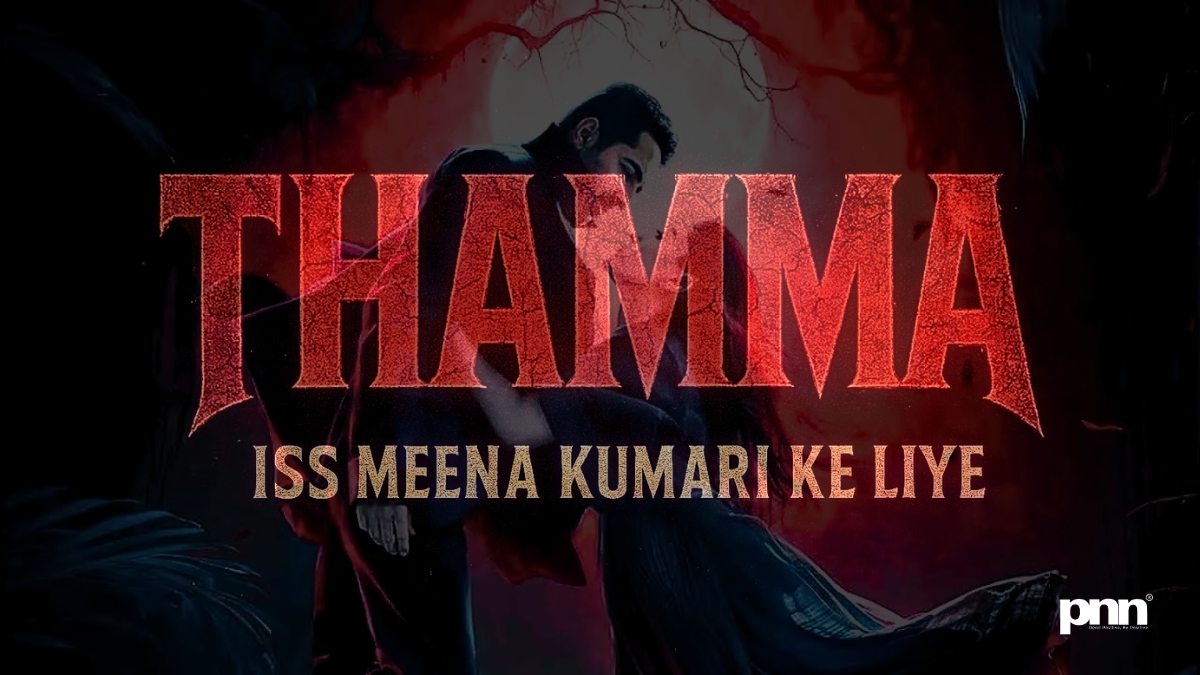
    Mumbai (Maharashtra) [India], September 27: When Bollywood decides to blend horror with meme-culture comedy, the results are rarely subtle. Thamma, the latest offering starring Ayushmann Khurrana and Rashmika Mandanna, dropped its trailer this week, and let’s just say — the reactions have been anything but uniform. From memes flooding X (formerly Twitter) to cinephiles wondering if Bollywood’s obsession with “desi horror universes” has finally peaked, Thamma has successfully ignited a debate before its release.

    But isn’t that what trailers are supposed to do? Stir chaos, spark curiosity, and push fans to pick sides? On that front, mission accomplished.

    A Trailer That Walks a Tightrope

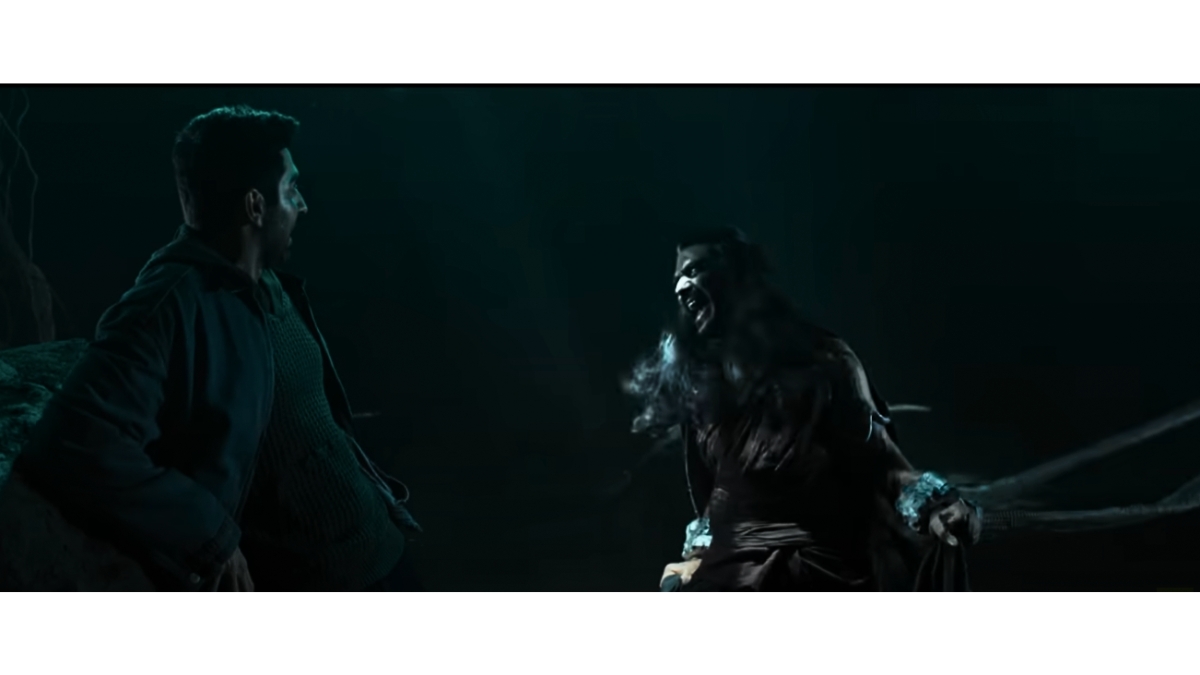
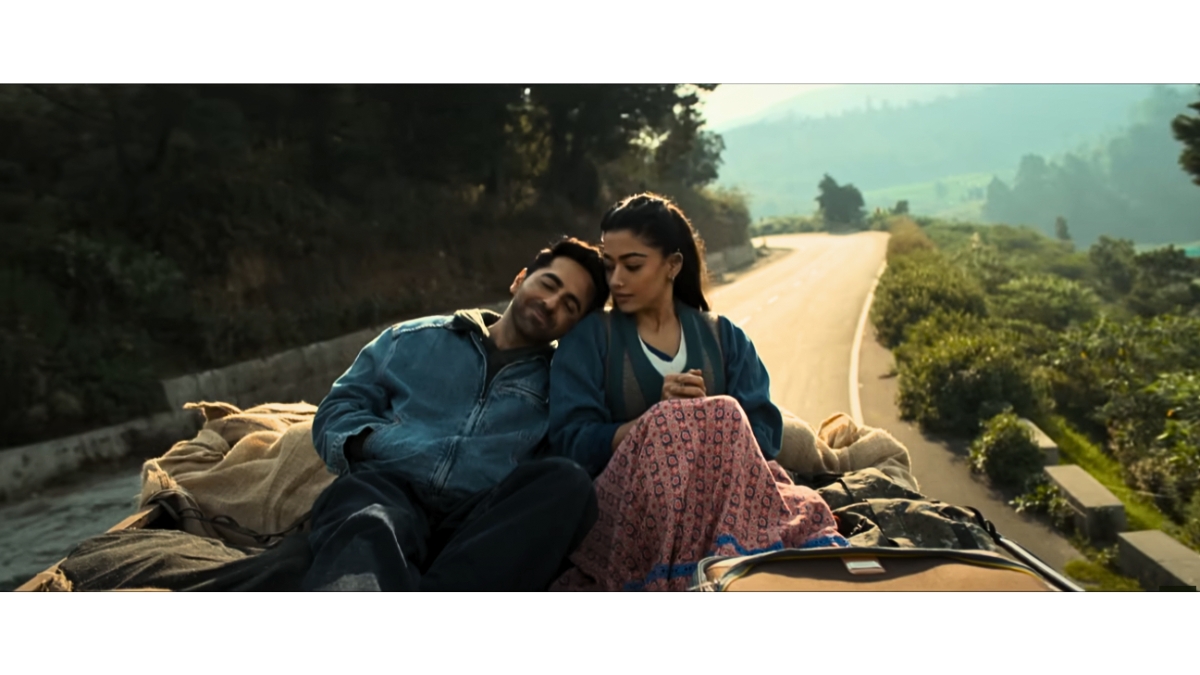
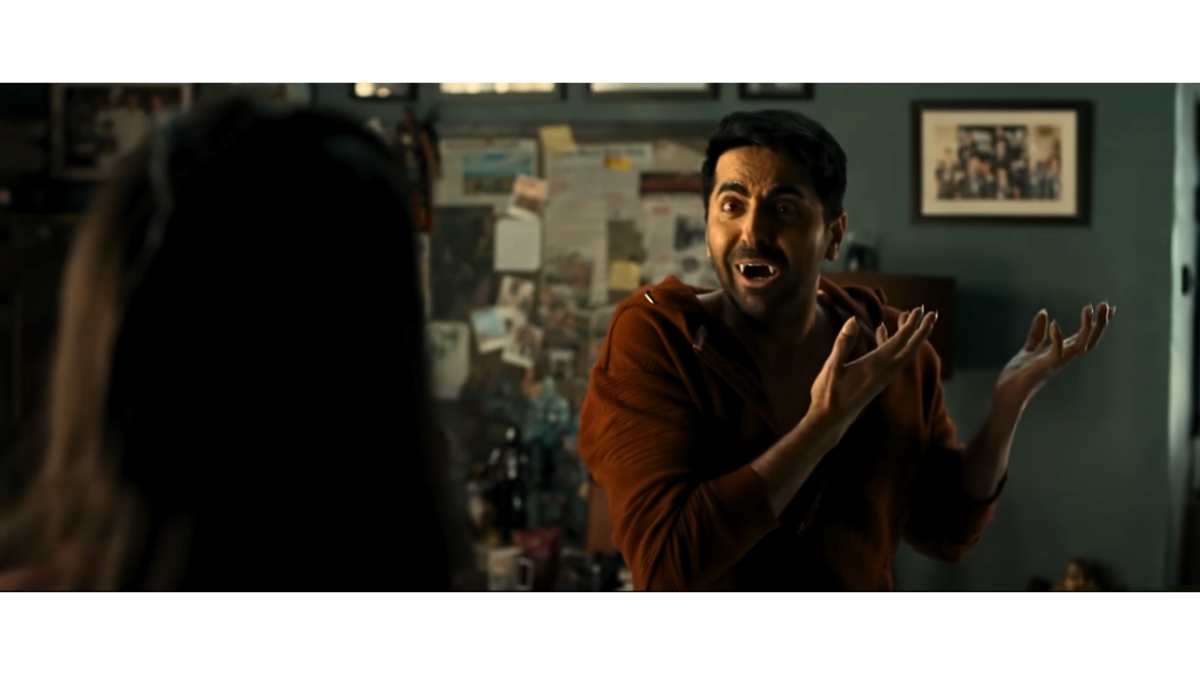
    At first glance, the trailer appears ambitious. Set in a sleepy Indian town haunted by legends, Thamma attempts to juggle horror tropes with punchline-heavy comedy. Ayushmann Khurrana plays a reluctant ghostbuster of sorts — equal parts confused and brave — while Rashmika Mandanna’s role is wrapped in mystery but packaged with the charm she’s been steadily exporting to Hindi cinema.

    Shraddha Kapoor’s cameo, revealed dramatically at the trailer launch, has already stolen headlines. Dubbed “the Meena Kumari moment” by her fans, her appearance sent social media into meltdown, with many saying she outshone the leads in just a few frames.

    And then there are the jokes. Some witty, some tired, some recycled from meme pages. The problem? When you mix horror with humor, the balance has to be razor-sharp. A forced punchline can kill suspense faster than the ghost itself. Several users online pointed out that certain gags in the trailer felt “TikTok-ish” rather than cinematic.

    Thamma

    Fan Reactions: Applause Meets Facepalms

    If you thought audiences would unanimously lap it up, think again. Here’s the mood across platforms:

    • Positive Buzz

      • Ayushmann’s comic timing is, as usual, on point.

      • Rashmika’s screen presence was praised as “refreshing” in a genre where female leads often get sidelined.

      • The eerie backdrop and production design got thumbs-up, with some comparing it favorably to earlier horror-comedies like Stree.

    • Not-So-Positive Buzz

      • Several called out the jokes as “manufactured comedy” — meme setups disguised as dialogues.

      • Others felt Bollywood is over-stretching its horror-comedy template, creating fatigue after Stree, Bhediya, and similar ventures.

      • Shraddha Kapoor’s cameo overshadowing the leads has ironically been labeled both a blessing and a curse.

    One X user cheekily wrote, “Forget horror. The scariest part of the trailer was the writing team laughing at their own jokes.”

    Thamma

    The Money & The Math

    Reports suggest Thamma has been mounted on a budget north of ₹85–90 crore, banking heavily on star power and franchise potential. The film has been marketed as the next installment in a loosely connected “desi horror universe,” which, according to insiders, is already being mapped for future spin-offs.

    The trailer launch itself was a spectacle, with extravagant sets and thematic backdrops, signaling that the makers aren’t treating this as a side experiment. While box office projections are cautiously optimistic, trade pundits are wary of its mixed reception. If the buzz doesn’t translate into ticket sales, Thamma might find itself leaning on OTT revenue streams sooner than expected.

    Thamma

    Why This Matters for Ayushmann & Rashmika

    For Ayushmann Khurrana, Thamma arrives at a crucial juncture. The actor, known for offbeat but content-driven films (Article 15, Andhadhun), has had a patchy box office record recently. A successful horror-comedy could help him balance credibility with commercial appeal.

    Rashmika Mandanna, meanwhile, is straddling multiple industries. After Animal gave her visibility, Thamma marks another attempt to solidify her Bollywood journey. Her role here isn’t just ornamental — and if executed well, it could silence critics who argue she’s yet to get a truly meaty Hindi film part.

    Thamma

    The Shraddha Kapoor Factor

    No discussion of Thamma is complete without Shraddha. Despite limited screen time, her presence in the trailer created a mini-wave online. At the launch, Shraddha herself quipped, “Forget international universes. We already have our own desi horror universe.” The internet quickly lapped it up, with memes declaring her the “flag-bearer of horror comedy.”

    Ironically, the conversation shifted from “Is Ayushmann’s experiment working?” to “When will Shraddha headline her own spooky universe?” If nothing else, Thamma has reinforced how powerfully cameos can shift a film’s perception.

    Thamma

    A Genre Stuck Between Fear & Fun

    The broader issue here is Bollywood’s love affair with horror-comedies. While Stree cracked the formula in 2018, few successors have managed to replicate its balance of satire and scares. Thamma’s trailer shows promise but also exposes the genre’s fatigue — audiences are quick to sniff out recycled jump scares and meme-heavy dialogue.

    Yet, there’s no denying that trailers don’t always tell the full story. If the film manages to land its punches (or rather, scares), Thamma could silence skeptics. After all, Indian audiences love a good underdog story, and nothing says underdog like a ghost story that makes you laugh before it makes you scream.

    Final Word

    So, is Thamma’s trailer a hit or miss? The truth lies somewhere in the middle. It’s ambitious, glossy, and star-packed, but also weighed down by the pressure of keeping a “horror-comedy universe” afloat. For now, it has succeeded in doing one thing right: getting everyone to talk about it.

    Whether audiences show up in theaters will depend not on how loud the jokes land but on how well the story sticks. Until then, fans and trolls alike have found their playground — and that’s exactly the kind of pre-release chatter filmmakers secretly hope for.

    PNN News

  • Shah Rukh Khan Bags First National Award 2025 for Jawan | Fans & Critics Call It Long Overdue

    Shah Rukh Khan Bags First National Award 2025 for Jawan | Fans & Critics Call It Long Overdue

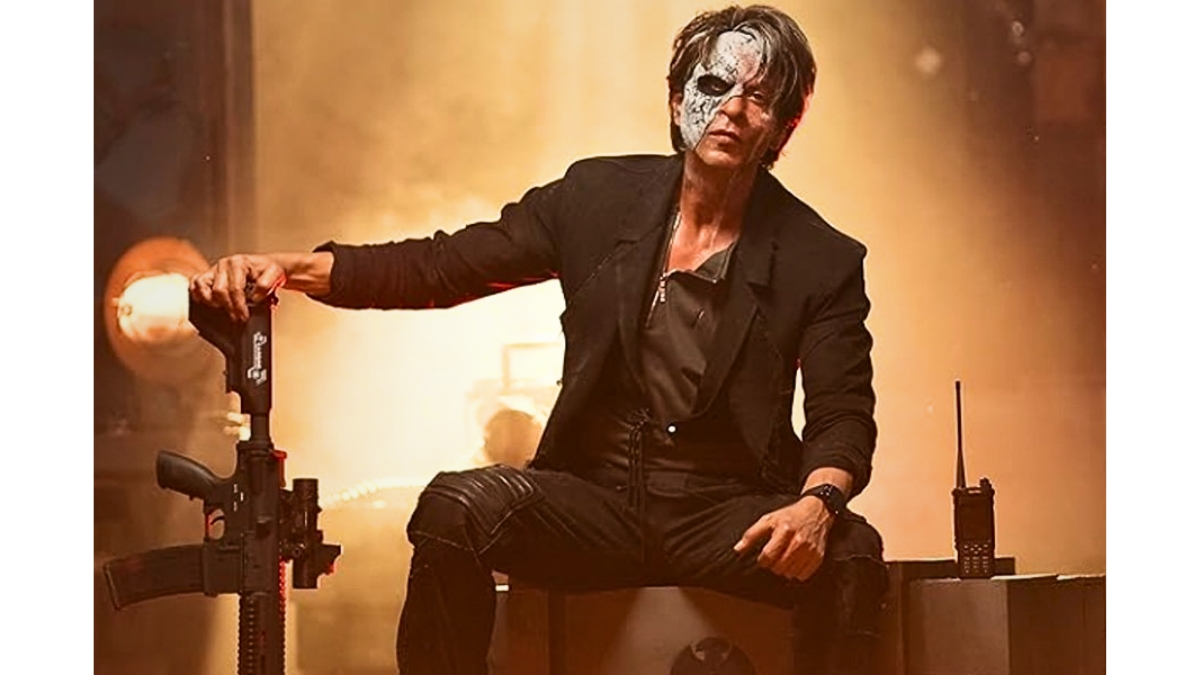
    Mumbai (Maharashtra) [India], September 27: It took over three decades, countless iconic roles, and a galaxy of red carpets—but finally, Shah Rukh Khan has that one award many felt was missing from his shelf. At the 71st National Film Awards, he clinched Best Actor for his performance in Jawan, a moment many in the industry and fandom had long awaited.

    What makes this moment more than symbolic is the sheer trajectory it underscores: from romantic leads to mass entertainers, and now to institutional recognition. Yet, even in celebration, the contours of this win provoke deeper questions about art, genre, and the politics of acknowledgement in Indian cinema.

    Jawan

    More Than a Win: Why It Resonates

    • Validation for mass cinema: Jawan is not quiet, indie art — it’s loud, commercial, packed with spectacle. That such a film got a National Award nod may signal a shifting attitude in award juries toward the commercially daring.

    • A narrative of overdue recognition: For many fans and peers, this win felt like a coming home — not because SRK needed it, but because it fills a perceived gap in a widely celebrated career.

    • Shared honours: SRK shared the Best Actor Award with Vikrant Massey (for 12th Fail) — a poignant detail. It underlines that awards can accommodate multiple voices, even as debates swirl about who deserved more.

    Jawan

    But It’s Not All Applause

    No milestone is without its shadows. Some commentators have questioned whether Jawan was the right film to earn this honor, pointing to SRK’s earlier, more subtle performances in films like Swades, Chak De! India, or My Name Is Khan, showcased emotional depth over spectacle. “Why didn’t one of those get the nod earlier?” is a refrain you heard in many corners.

    Moreover, when awards lean toward blockbuster hits, it risks sending a message: glamor and scale matter more than complexity. It’s a double-edged sword.

    Jawan

    Industry and Personal Echoes

    • Veteran actor Anupam Kher, long a colleague and sometimes scene-partner, publicly congratulated SRK, even remarking that SRK “deserved it 100%” for Swades as well.

    • On social media, fans celebrated with the hashtag “Silver Is Gold,” while SRK’s children and wife expressed heartfelt pride.

    • One twist: because the Best Actor prize was shared, SRK won only half the cash award usually associated with the honor. That small detail softened some of the shine, reminding everyone that awards have rules and caveats.

    A Reflection: Dreams, Recognition & Cinema

    This isn’t just a story about one actor finally getting his National Award. It’s a commentary on recognition in cinema — who gets seen, who gets celebrated, and when. For many, SRK’s win recalibrates the narrative: that a mass entertainer can be granted space among “great performances,” that long careers deserve closure, and that fandom, influence, and perseverance still matter in an industry chasing trends.

    But the conversation won’t stop. Will future juries give bold, quieter performances their due earlier? Will films of genre spectacle be judged for heart, not just scale?

    For now, Shah Rukh Khan holds that silver lotus with humility, applause, and a legacy renewed. And in that, there is space for both celebration and critique — which, after all, is the pulse of cinema.

    PNN News

  • JOCKEY: PK7 Studios Brings India’s First Film on Madurai Goat Fight

    JOCKEY: PK7 Studios Brings India’s First Film on Madurai Goat Fight

    New Delhi [India], September 26: After breaking new ground with Muddy, India’s first-ever mud racing film, visionary filmmaker Dr. Pragabhal now presents JOCKEY, produced by PK7 Studios. This ambitious project marks the first Indian film to depict the traditional Madurai Goat Fight, a centuries-old cultural sport, on the big screen with raw authenticity and cinematic scale.

    The director’s inspiration came from witnessing the fierce yet emotional goat fights in Madurai. What captivated him was not only the adrenaline of the sport, but the bond between goats and their handlers – relationships steeped in ritual, respect, and survival. The goats, often treated as family members, are adorned and worshipped before stepping into the arena. This blend of tradition, culture, and human-animal connection forms the core of JOCKEY.

    To bring this story alive, Dr. Pragabhal immersed himself in Madurai for nearly three years, researching the culture, observing local practices, and building trust with handlers. For him, authenticity was non-negotiable: the actors had to live, train, and bond with the goats just like real handlers. Goats were purchased and cared for, with the cast feeding, bathing, and spending months alongside them to create genuine emotional connections.

    The casting itself was challenging. Actors Yuvan Krishna and Ridhan Krishnas committed to an extraordinary level of preparation, enduring rigorous physical training and facing real risks during practice sessions. Actress Ammu Abhiramiand veteran actor Madhu Sudhan Rao add depth and emotional weight to the narrative, supported by strong performances from Tamil talent. Produced by Prema Krishnadas & C. Devadas

    Technically, JOCKEY is mounted with expertise and vision:

    • Cinematography by Udhayakumar captures goat fight sequences and night visuals with breathtaking precision.
    • Editing by Srikanth, known for handling complex, technically demanding films.
    • Music by Sakthi Balaji, blending Tamil folk instruments with modern cinematic scoring.
    • Art Direction by Udhayakumar, recreating authentic Madurai settings without artificial sets.

    The film also boasts world-class technical support, including sound designer Raja Krishnan (National Award winner) and colorist Ranga, ensuring top-notch post-production.

    At its essence, JOCKEY is not merely about goat fights – it is about the spirit of Madurai, the resilience of its people, and the unbreakable bond between man and animal. With intense performances, real-life action, and heartfelt storytelling, the film promises to deliver a cinematic experience unlike anything Indian audiences have seen before.

    Speaking about the film, Dr Pragabhal said:

    “Goat fighting is culture, emotion, and survival woven into the lives of the people of Madurai. With JOCKEY, we want to share this world with honesty, grit, and intensity. After three years of hard work, I am proud to present this story as a cultural and cinematic milestone.”

    With JOCKEY, PK7 Studios and Dr Pragabhal are set to bring a unique, daring, and culturally rich story to national and global audiences.

    – PK7 Studios & Director Dr. Pragabhal

    MOTION POSTER LINK: https://www.youtube.com/watch

    X: https://x.com/DrPragabhal/status/1971175599814451538

    If you have any objection to this press release content, kindly contact pr.error.rectification@gmail.com to notify us. We will respond and rectify the situation in the next 24 hours.