Tag: lifestyle

  • Lucky Badgujar’s 31kg Transformation in Just 4 Months Goes Viral Ahead of His Upcoming Films

    Lucky Badgujar’s 31kg Transformation in Just 4 Months Goes Viral Ahead of His Upcoming Films

    Mumbai (Maharashtra) [India], March 06:  Actor Lucky Badgujar, known for his performances in Rahasya 2020 and the Hungama OTT project Emerald Green, is currently making headlines for a dramatic physical transformation that has left fans and industry insiders stunned. The actor has lost 31 kilograms in just four months, dropping from 113 kg to 82 kg, showcasing a remarkable level of discipline and dedication to his craft.

    The transformation has also been widely appreciated on social media after Lucky shared glimpses of his journey on Instagram. In a recent post, the actor revealed his new lean look and the hard work behind it, which quickly caught the attention of fans and followers online.

    Fans can see the transformation here:
    https://www.instagram.com/p/DVgApNvCGxV/?igsh=YXJ3eHVrNnd0cjlw

    From 113kg to 82kg: A Journey of Discipline

    Lucky Badgujar’s 31kg Transformation in Just 4 Months Goes Viral Ahead of His Upcoming Films-PNN

    113 kgs weight for Emerald Green look

    Lucky Badgujar’s transformation began after completing his role in the OTT film Emerald Green. For that particular project, the actor had intentionally gained weight and reached 113 kilograms, as required by the director for the character.

    However, his upcoming film projects demanded a much leaner appearance. Determined to adapt to his new roles, Lucky committed himself to a strict lifestyle that helped him shed 31 kilograms in just 120 days.

    What makes this transformation particularly impressive is that he achieved it through a disciplined vegetarian diet and a consistent walking routine, without relying on shortcuts or extreme fitness methods.

    Speaking about the experience, Lucky shared that seeing progress on the weighing scale became a major source of motivation during the process.

    “When the scale shows progress, the dopamine rush is real,” Lucky said. “For an actor, the body is the first tool of expression. I am very serious about my career, and if a role demands transformation, I am ready to give my 200 percent.”

    He added that while the journey was challenging, the struggle itself gave him satisfaction and motivation to keep pushing forward.

    Focused on Fitness and Future Roles

    After completing his weight-loss journey, Lucky has now taken the next step in his fitness routine. The actor has recently started gym training to further refine his physique and enhance his on-screen presence.

    His goal is to achieve an even more sculpted and powerful look by December 2026, aligning with the physical requirements of his upcoming film projects.

    In the entertainment industry, physical transformation often reflects an actor’s commitment to authenticity, and Lucky Badgujar’s dedication has already started generating conversations within film circles.

    Major Projects in the Pipeline

    Lucky Badgujar’s transformation comes at a time when his career is moving toward an exciting phase with multiple promising projects.

    The actor is currently working under the direction of Bhavesh Patil, with projects being produced under the banner of Bhavesh Production.

    Historical Film – Shaheed Shirish Kumar

    One of the most anticipated projects in his lineup is the historical drama “Shaheed Shirish Kumar.” The film is based on the inspiring life of the legendary young freedom fighter Shirish Kumar, who became a symbol of courage during India’s independence movement.

    While the story highlights the powerful youth movement led by Shirish Kumar, Lucky Badgujar plays a pivotal and influential character that adds depth to the narrative.

    The film aims to bring attention to the sacrifices made by young revolutionaries who played an important role in India’s freedom struggle.

    Upcoming Suspense Thriller

    In addition to the historical project, Lucky is also working on a concept-driven suspense thriller with another prominent production house. The title and details of the project are currently being kept confidential.

    According to sources close to the project, the film will showcase Lucky in a completely new and intense avatar, with his newly achieved 82 kg lean look playing an important role in the character’s presentation.

    A Transformation That Inspires

    Lucky Badgujar’s journey from 113 kg to 82 kg in just four months is more than a physical transformation—it is a reflection of determination, discipline, and passion for cinema.

    In an industry where authenticity and dedication often define success, his commitment to reshaping his body for his roles highlights the seriousness with which he approaches his craft.

    As fans eagerly await his upcoming projects, one thing is clear: Lucky Badgujar’s transformation is not just about fitness, but about an actor pushing his limits to deliver powerful performances on screen.


    If you object to the content of this press release, please notify us at pr.error.rectification@gmail.com. We will respond and rectify the situation within 24 hours.

  • Policy Execution and Administrative Excellence at FCI: Observations Shared by Sudeep Singh FCI

    Policy Execution and Administrative Excellence at FCI: Observations Shared by Sudeep Singh FCI

    New Delhi [India], March 06: India’s food security framework rests on the strength of institutions that can translate policy into consistent action. At the centre of this system is the Food Corporation of India (FCI), a statutory body entrusted with procuring, storing, and distributing food grains across the country. Functioning under the Ministry of Consumer Affairs, Food and Public Distribution, FCI’s role extends beyond logistics, it represents administrative continuity, regulatory discipline, and the assurance that food reaches millions of beneficiaries without disruption. Its operational model demonstrates how structured governance, coordination, and accountability can sustain one of the world’s largest food security systems.

    “Policy execution at FCI is not merely about implementing directives; it is about translating national intent into daily operational reality,” says Sudeep Singh, Former Executive Director, FCI. “The organization functions through a well-defined administrative framework where procurement, storage, and distribution operate in close coordination. Each function is supported by regulatory compliance, real-time monitoring, and institutional discipline, ensuring that food security commitments are met with consistency and credibility.”

    A key pillar of this execution lies in procurement operations, where FCI ensures that farmers receive fair prices while strengthening national reserves. Through Minimum Support Price (MSP) procurement, the organization stabilizes agricultural markets and protects farmer incomes. This process requires coordination between field officers, state agencies, and quality control teams. Sudeep Singh notes, “Procurement is not an isolated transaction, it is a structured administrative exercise supported by inspection, documentation, and verification systems that safeguard both farmer interests and public accountability.” Such structured procurement ensures that food grains entering the system meet defined standards while reinforcing trust in public institutions.

    Storage management further reflects the organization’s administrative precision. Maintaining buffer stocks is essential to addressing seasonal fluctuations, emergencies, and welfare commitments. Scientific storage practices, regular inspections, and systematic stock rotation ensure that food grains remain fit for distribution. Administrative excellence is visible in the details: timely inspections, accurate record-keeping, and preventive measures ensure that operational risks are minimized and food quality is preserved. These measures reduce wastage and reinforce operational reliability across FCI’s extensive depot network.

    Distribution operations highlight the scale and coordination required to serve a diverse and geographically vast population. Food grains are transported from surplus regions to deficit areas through rail and road networks, ensuring equitable availability under national welfare programs. This movement involves synchronized planning between regional offices, logistics teams, and monitoring units. Mr. Sudeep Singh explains, “Movement planning reflects institutional discipline. Every dispatch, every receipt, and every stock position is tracked, ensuring that supply chain decisions are informed by real-time administrative data.” This data-driven approach enables timely decisions and ensures uninterrupted supply.

    Administrative transparency has become increasingly central to FCI’s operations. The integration of digital tools has strengthened multiple processes. “Technology has reinforced administrative clarity. It ensures that information flows seamlessly across departments, enabling faster decisions while strengthening accountability,” explains Sudeep Singh. These systems not only enhance efficiency but also align operational practices with modern governance standards.

    Institutional discipline is reinforced through training, professional development, and compliance mechanisms. Officers undergo structured capacity-building programs to enhance their technical and administrative skills, supported by institutions such as the Institute of Food Security. This continuous training ensures that personnel remain equipped to manage evolving operational challenges.

    Compliance and accountability remain central to maintaining operational integrity. Internal audits, inspections, and supervisory mechanisms ensure adherence to regulatory frameworks. These checks not only prevent irregularities but also improve process efficiency over time. Accountability is built into the system through structured reporting, supervision, and review. It ensures that administrative actions remain aligned with policy objectives and public responsibility. Such oversight reinforces public confidence and strengthens institutional credibility.

    FCI’s administrative model also demonstrates adaptability. As operational demands evolve, the organization continues to modernize its infrastructure, streamline processes, and adopt technology-driven solutions. This evolution reflects an understanding that policy execution must remain responsive to changing conditions while maintaining core governance principles.

    Ultimately, FCI represents more than a procurement and distribution agency, it reflects the administrative backbone of India’s food security framework. Its structured processes, transparent systems, and disciplined workforce ensure that national policy commitments translate into reliable service delivery. By maintaining operational integrity and strengthening administrative excellence, the organization continues to safeguard food availability for millions.

    As Sudeep Singh concludes, “FCI’s effectiveness is rooted in its administrative foundation. When policy, process, and accountability work together, the institution becomes not just an implementing agency, but a dependable pillar of national food security.”

    If you object to the content of this press release, please notify us at pr.error.rectification@gmail.com. We will respond and rectify the situation within 24 hours.

  • Kerala Kitchen and Bar by Tanatan, Juhu’s New Hub for Kerala and Mangalorean Cuisine-Starry affair owner Raj Shetty and Partner Amit Pal

    Kerala Kitchen and Bar by Tanatan, Juhu’s New Hub for Kerala and Mangalorean Cuisine-Starry affair owner Raj Shetty and Partner Amit Pal

    Mumbai (Maharashtra) [India], March 06: Located at Ground Floor, Standard House Building, Building No. 9, Juhu Tara Road, opposite JW Marriott Mumbai Juhu

    *Grand Star-Studded Launch Marks the Arrival of Kerala Kitchen & Bar by Tanatan as Juhu’s New Coastal & Authentic kerla & maglorian cusine .Dining Destination*-PNN

    Kerala Kitchen & Bar by Tanatan, the first authentic place that serves Kerala cuisine , owned by Mr. Raj Shetty and partner Mr. Amit Pal under the prestigious Ramee Group, including Ramee Hospitality, Tanatan, and Mr. Saurab Gahoi, a Senior Vice President of Ramee Group. successfully hosted its grand star-studded launch in Juhu

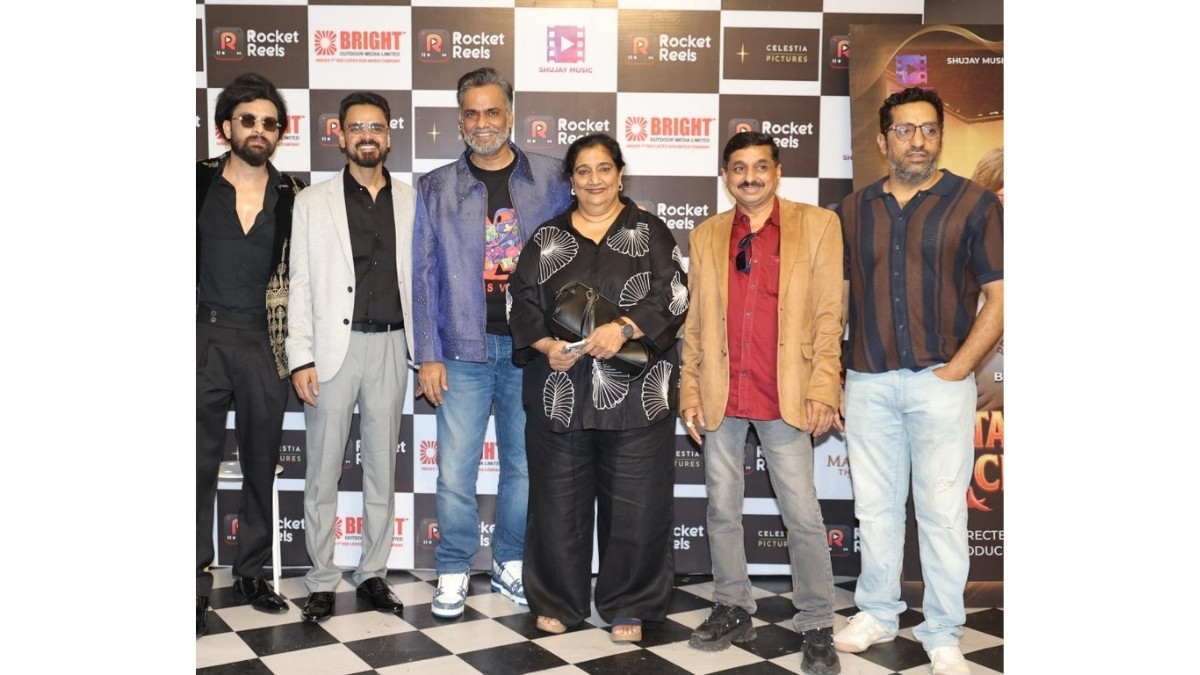
    The Grand Launch of Kerala Kitchen & Bar by Tanatan on 5th March, 2026, in Mumbai  Juhu witnessed an unforgettable evening as Kerala Kitchen & Bar by Tanatan opened its doors with a majestic, high-profile launch event. The celebration brought together celebrities, industry leaders, influencers, and distinguished guests, marking the arrival of a new coastal-inspired culinary destination in the city.

    Guests at the launch experienced the venue’s culturally rich ambience, where contemporary elegance blended seamlessly with the soulful essence of coastal India. To name a few were Vindu Dara Singh, Aoora, Shivam Khajuria, Yaashvi Shah, Siddharth Sibal, Madhuri Pandey, Arshi Khan, Rj Devangana, Gizele Thakral, Shibani Kasyap, Laxmi Rai, Rehan Shah, Shweta Bhardwaj, Shiny Doshi, Deepshika Nagpal, Prashant Virendra Sharma, Khushi Rawal, Preet Singh, Zalak Gohil, Hema Sharma, Ankita Maithy, Ajaz Khan, Vandana Sajnani, Himanshu Arora, Anuska Ghosh, Anisha, Ayush Sharma, Shini, & Many More.

    Nestled in the heart of Juhu, Kerala Kitchen & Bar by Tanatan introduced patrons to a refreshing escape into the flavours, aromas, and coastal charm of Kerala and the Konkan belt. With its modern coastal-inspired décor, soothing palette, and an atmosphere reminiscent of serene backwaters and breezy shores, the venue immediately stood out as one of the most inviting dining destinations in the city. Every corner reflected a perfect harmony of heritage and modernity, offering a warm, immersive, and memorable dining experience.

    Amit Pal, partner at Kerala Kitchen & Bar by Tanatan, expressed his gratitude during the launch, stating, “The launch of Kerala Kitchen & Bar by Tanatan has been a deeply meaningful milestone for us. We wanted to create a space that feels like home, where culture, comfort, and coastal flavours come together effortlessly. Seeing guests connect with the ambience and celebrate this vision with us has been truly heartwarming. This is just the beginning, and we look forward to welcoming Mumbai to many more memorable moments here.”

    The restaurant has already established itself as a distinctive addition to Juhu’s vibrant hospitality and nightlife scene, offering authenticity, comfort, and an elevated coastal dining experience.

    If you object to the content of this press release, please notify us at pr.error.rectification@gmail.com. We will respond and rectify the situation within 24 hours.

  • The Personal Brand Lifestyle

    The Personal Brand Lifestyle

    Why Everyone Is Becoming Their Own Brand

    New Delhi [India], March 06: The phrase sounds new. It isn’t. People have always managed their reputation. Merchants in medieval bazaars guarded their names more carefully than their inventories. A blacksmith’s mark on iron was not decoration; it was liability. Reputation meant survival.

    What changed is the infrastructure.

    For most of the twentieth century, personal reputation lived in small circles—family networks, employers, local industry. A person’s professional identity rarely traveled farther than a résumé and a handshake. The gatekeepers controlled visibility. Editors, HR departments, television networks, publishers. If they didn’t open the door, the public never knew you existed.

    Then the internet quietly dissolved the gate.

    The modern professional now operates in a marketplace where identity itself has distribution. A portfolio is no longer a folder. It is a searchable archive. Articles, threads, podcasts, comments, interviews, posts—tiny fragments of public identity accumulating into a permanent ledger.

    And that ledger never forgets.

    The term “personal brand lifestyle” is just a convenient label for this new condition. It means your professional reputation is no longer something that occasionally gets polished during job interviews. It is something continuously produced, publicly visible, and algorithmically ranked.

    There is no off switch.

    The Infrastructure of Visibility

    The creator economy did not invent personal branding. It simply industrialized it.

    Platforms reward individuals who attach a recognizable voice to consistent output. A decade ago, companies needed marketing departments to create authority. Now, a single individual can manufacture it alone with a laptop and a publishing rhythm.

    A consultant writes publicly. A designer posts process breakdowns. A founder narrates product decisions in real time. A lawyer records short explanations of obscure regulatory clauses. None of this used to be visible outside internal circles.

    Now the internet distributes expertise the way old television distributed entertainment.

    The result is strange but predictable: careers increasingly grow around individuals rather than institutions. Followers attach themselves to people they trust, not just logos they recognize.

    Once that happens, the economic gravity shifts.

    Opportunities start arriving through visibility rather than application.

    The Reputation Ledger

    Every digital action now accumulates into a public archive. Old posts, interviews, projects, comments, newsletters. What used to be temporary conversations now form a searchable professional history.

    This changes behavior in subtle ways.

    People begin writing as if their future employer is watching. Because they probably are. Investors research founders through years of online writing. Recruiters read commentary threads. Clients judge tone, not just skill.

    Reputation becomes longitudinal.

    It develops slowly and collapses quickly. That part has not changed. Only the speed has.

    The internet compresses decades of reputation-building into a few years of consistent output. But it also compresses the collapse.

    A brand can be built through repetition. It can be destroyed through a single screenshot.

    Everyone in the system understands this. No one says it out loud.

    Identity as Economic Strategy

    A personal brand is not just self-promotion. That interpretation is too shallow. It is really about positioning.

    When people publish ideas consistently, they anchor themselves to specific intellectual territory. Over time, audiences begin associating the individual with certain topics.

    Some people become the voice of a niche industry. Others become interpreters of complicated systems—finance, technology, health, geopolitics. Some simply narrate their professional journey in public.

    But the underlying mechanism is the same.

    Repetition creates recognition.

    Recognition creates trust.

    Trust creates leverage.

    And leverage converts attention into opportunity.

    The modern career increasingly runs through this pipeline, whether people admit it or not.

    The Habit of Visibility

    The uncomfortable truth about the personal brand lifestyle is that it requires consistency more than brilliance.

    Posting once accomplishes nothing. Publishing one thoughtful article disappears in the endless scroll of the internet. Authority forms only through repeated signals over long stretches of time.

    This is why most people fail at it.

    They treat visibility as a campaign. It is not. It is a habit.

    The individuals who quietly dominate digital reputation ecosystems rarely appear dramatic. They simply show up week after week with thoughtful commentary, useful observations, or specialized knowledge.

    Over time, the internet does what it always does: it records patterns.

    Eventually, those patterns become identity.

    The Quiet Trade-Off

    There is a cost to living publicly.

    Every thought expressed online becomes part of a permanent archive. Nuance disappears. Context fades. Opinions age poorly. The internet preserves everything without mercy.

    People participating in the personal brand ecosystem understand this tension. Visibility builds opportunity, but it also removes anonymity. Once a reputation is attached to your name, you carry it everywhere.

    This was once the burden of celebrities.

    Now it quietly extends to consultants, freelancers, analysts, founders, writers—anyone whose work intersects with a digital audience.

    The modern professional does not simply have a career anymore.

    They have a narrative.

    The Direction of the System

    The trend is not reversing. Infrastructure rarely does.

    Search engines index individuals. Platforms reward consistent creators. Employers increasingly recruit through digital visibility rather than blind applications. Investors fund founders whose thinking they have already observed online.

    In this environment, the concept of a “personal brand” stops sounding like marketing jargon and starts looking like basic professional literacy.

    Not everyone will participate.

    But the ones who do will continue shaping how expertise, reputation, and opportunity circulate through the internet economy.

    Quietly.

    Relentlessly.

    Publicly.

    PNN Lifestyle

  • Words in Bloom Poetry Festival Brings a Day of Literary Celebration to NCPA

    Words in Bloom Poetry Festival Brings a Day of Literary Celebration to NCPA

    Mumbai (Maharashtra) [India], March 06: The National Centre for the Performing Arts (NCPA) hosted Words in Bloom, a day long poetry festival organised under the Page to Stage initiative, under the aegis of Government of Maharashtra, Department of Cultural affairs, and Directorate of Cultural affairs, Government of Maharashtra. The event, which began at 10 AM, was presented by the Literary Warriors Group (LWG), founded by writer and poet Neelam Saxena and curated by Dr. Sujata Jadhav, Curator Page to Stage and Likhaai.

    The festival opened with an inaugural ceremony graced by Ms Ana Paula Arendt, Deputy Consul General of Brazil in Mumbai. Known in literary circles by her pseudonym R. P. Alencar, she is a political scientist, poet, and diplomat. Guests of Honour included filmmaker and poet Milind Ukey; Dr Sujata Jadhav, Head of the Reference Library and Documentation Centre at NCPA; and Ms Neelam Saxena, founder of LWG. Poet Sunil Joshi served as Master of Ceremonies.

    The traditional lamp-lighting was followed by Saraswati Vandana rendered by poet Archana Jain, after which the dignitaries addressed the audience. Ms Arendt recited her poem Duty of a Poet, drawing an emotional response from listeners. Mr Ukey spoke about his film Blue Whale in the Pond, reflecting on how shortcuts such as AI tools are shrinking people’s imaginative vision. Dr Jadhav highlighted poetry’s role in shaping empathetic individuals, while Ms Saxena expressed that her greatest literary wealth lies in the community of poetry lovers she has nurtured.

    Poetry, Discussion, and Book Releases

    The first session, Rhyme, Rhythm, and Poetry, featured Sunil Chaudhry, who performed lyrical pieces accompanied by guitar, moderated by Anjali Bajpai.

    A special session of three book launches followed, with guests of eminence Milind Ukey, Dr Sujata Jadhav and Anupam Tiwari, Head of CSR, PR, and Corporate Communications at HPCL. The books included She, Who Lives in Me, a coffee-table tribute to Neelam Saxena’s late mother Shashi Saxena; Saxena’s Hindi poetry collection Mere Man Ka Mast Parinda; and Surekha Sahu’s The Ceiling, Me, and My Sleepless Nights. Poems were recited by Dr Sujata Jadhav, Milind Ukey and Neelam Saxena. The session was moderated by Pooja Dhadiwal.

    A panel discussion on Poetry in Present Times, moderated by Asha Gaur, brought together eminent voices—Dr Rita Malhotra, Urna Bose, Gargi Bagchi, and Meera Bhansali.

    This was followed by a thought-provoking Hindi poetry segment, Parampara se Prashna Tak, conducted by Juhi Gupte, featuring eminent poets Anoop Pandey, Surekha Sahu, Anjali Bajpai, Mani Saxena, Vinod Kumar Singh, Pooja Dhadiwal, and Juhi Gupte. Anoop Pandey concluded the session highlighting the rendered poems.

    The English poetry session, Lines That Linger, moderated by Nikita Saxena, showcased works by Dr Purnima Kulkarni, Dr Maitreyee Joshi, Sara Khan, Urvi Mehta, Nikita Saxena, and young poet Riaan Bagchi. Dr Kulkarni summed up the session quoting poets on the forum.

    NCPA

    After lunch, a light-hearted Shabdakshari session led by Juhi Gupte saw lively participation from Neelam Saxena, Bhaskar Jha, Sunil Joshi. This was an interesting poetry challenge, and poets wrote poetry on given prompt in stipulated time.

    Subsequent Hindi (Prem ki Doosri Pankti) and Marathi (Manatlya Samvedana) sessions were conducted by Surekha Sahu and Tejal Gaikwad Mane. Hindi love poems saw contributions from a wide roaster of poets including Asha Singh Gaur, Vikas Singh, Dr Mamta Tiwari Tripathi, Archana Jain, Bhaskar Jha. Bhaskar Jha summed up the session in his captivating words.

    Marathi poets led by Tejal Gaikwad Mane, took over the stage with raw emotions. Neelam Saxena, Shashikala Kalkar, Vaibhav Shahane, Nisha Motghare, Unmesh Mohitkar and Tejal Gaikwad rendered soulful poems. Unmesh Mohitkar beautifully summarised the session.

    The evening featured Love-Soaked Lyrical Poems by Vineet Mishra, accompanied by guitar and moderated by Dr Maitreyee Joshi.

    A standout performance came from trained vocalists Anup Jalan and Kushal Gopalka, known as the Bombay Brothers, who presented Dhrupad renditions of works by Harivansh Rai Bachchan, Jaishankar Prasad, Gopaldas ‘Neeraj’, and Suryakant Tripathi ‘Nirala’ in the segment Words and Waves, moderated by Meera Bhansali.

    The festival concluded with an open mic hosted by Sara Khan, followed by the valedictory ceremony—bringing to close a vibrant celebration of poetry in its many forms.

    NCPA felicitated the poets with trophies and certificates, a gesture that was deeply appreciated by all. The gracious support and encouragement extended by Shri Khushroo Suntook, Chairman, NCPA, were sincerely acknowledged. The valuable contribution of the Department of Cultural Affairs and the Directorate of Cultural Affairs, Maharashtra, was also warmly appreciated.

    Literature, as reflected throughout the festival, remains a powerful force in elevating society. By nurturing imagination, empathy, dialogue, and cultural continuity, poetry builds bridges across generations and geographies. Events such as Words in Bloom reaffirm that literary expression is not merely artistic engagement but a vital social instrument—one that refines sensibilities, strengthens community bonds, and inspires thoughtful citizenship.

    If you object to the content of this press release, please notify us at pr.error.rectification@gmail.com. We will respond and rectify the situation within 24 hours.

  • How Better Workplace Design Can Empower Indian Women to Thrive Professionally

    How Better Workplace Design Can Empower Indian Women to Thrive Professionally

    Manish Khandelwal, Managing Director, Haworth India

    In India, gender-based inclusion often tends to revolve around themes like hiring, leadership, mentorship, or return-to-work pathways. The physical workplace, where most day-to-day tasks are carried out, receives far less attention. Yet it can be argued that it is the most important determiner of workplace success; shaping how women employees go about their day, how they interact with colleagues, and how comfortable they feel taking on responsibility.

    This International Women’s Day, let us ask this important question: Does workplace design influence the quality of women’s professional engagement? Yes, the layout of an office plays a big role in this context, albeit in subtle ways. A meeting room that feels too formal or intimidating may discourage open discussion. A lack of private corners, where noise cancellation is a priority, can make it hard to concentrate. Even fixed desks or non-adjustable seating can lead to physical strain over time.

    This is especially discouraging for many Indian women who have to manage long commutes and/or caregiving duties alongside their careers. Physical discomfort at work can add to this load, making work-life balance a distant dream. The solution here lies in making sure that ergonomic seating and adjustable desks are set up at the office. This helps reduce fatigue during extended hours at a screen. This also makes it easier to stay engaged throughout the day.

    Space planning is another factor that can have an effect on collaboration. For instance, offices built around enclosed cabins or rigid departmental layouts can limit informal exchange. On the other hand, shared work areas or small meeting pods allow conversations to happen more naturally. It is definitely easier for professionals returning from career breaks to reconnect with teams in such settings, in addition to building everyday working relationships with greater ease.

    Other factors that can make work life easier for women employees include access to natural light, which can improve alertness during long working hours. Quiet rooms can offer a place to step away between meetings, while acoustic privacy can support focused work when required. These features can also help manage demanding schedules with greater ease.

    As mentioned earlier, professional and personal duties often overlap for an Indian woman. This is especially true when she is a new mother. Workplaces have to accommodate these unique requirements. Infant care rooms or child-friendly areas acknowledge that caregiving continues beyond the home.

    Additionally, for women employees to connect more with their workplace through a cultural denominator, common spaces that reflect local traditions or festive moments can help them feel more at ease in formal environments.

    These suggestions are not merely preferences, but practical enablers of performance…and data affirms this too. According to a recent workplace design report, teams led by women working in ergonomically responsive and flexible environments have reported up to a 30% higher innovation rate and a 15% increase in retention.

    The bottom line is simple: when women feel supported by the spaces they work in, they are more likely to remain committed to their roles. Design can play an enabling role in this regard, as embedding inclusive, ergonomically sound, and culturally resonant elements into the workplace can help unlock the full potential of a diverse talent pool.
    For further info visit: https://www.haworth.com/ap/en.html

    If you object to the content of this press release, please notify us at pr.error.rectification@gmail.com. We will respond and rectify the situation within 24 hours.

  • KINEXIN Convention Management Showcases Yashobhoomi at ITB Berlin, Secures Strategic Global Partnerships

    KINEXIN Convention Management Showcases Yashobhoomi at ITB Berlin, Secures Strategic Global Partnerships

    Berlin, [Germany], March 05: At this year’s ITB Berlin, the world-renowned travel trade exhibition held in Berlin, a high-level delegation from KINEXIN Convention Management, the operator of Yashobhoomi (India International Convention & Expo Centre, IICC), has launched an intensive five-day global marketing campaign to position India as a leading destination for international exhibitions and conventions.

    Beginning tomorrow, a nine-member delegation of marketing and exhibition specialists led by CEO Phil Chung is participating in ITB Berlin to engage with leading trade fair organizers, destination marketing companies (DMCs), and tourism authorities from Europe, Asia, the Americas, and other global markets. The team is actively promoting Yashobhoomi as a next-generation MICE (Meetings, Incentives, Conferences, and Exhibitions) hub while strengthening India’s positioning in the global destination marketing landscape.

    During the exhibition, KINEXIN initiated strategic discussions with Messe Berlin, operator of Berlin’s primary exhibition grounds, to explore future collaboration in business tourism–related exhibitions and trade fair development. The dialogue focused on potential co-development opportunities, knowledge exchange, and joint initiatives in the rapidly evolving global MICE sector.

    Beyond institutional partnerships, the Yashobhoomi delegation conducted extensive meetings with international exhibition organizers to negotiate mid- to long-term hosting arrangements in India. Among the most significant outcomes were advanced discussions to host major international conventions in the fields of cryptocurrency and advanced experience (AX) technologies starting in 2026 on a multi-year basis.

    Additional negotiations covered many new international events across diverse sectors, including Hotel/hospitality, Business tourism, Medical tourism, European furniture, telecommunication tech, Corporate events(India, China, Korea and EU), railway, European corporate incentives, European mobility show, airline convention, sustainability, motivational marketing conventions, and expos.

    These international events are currently under discussion with organizers based in the United States, France, Germany, and Greater China, with the aim of bringing recurring global exhibitions and congresses to India.

    Furthermore, KINEXIN engaged with Korean tour operators and destination management companies attending ITB Berlin to explore hosting multiple Korean corporate events and incentive programs at Yashobhoomi. A formal agreement is expected to be discussed in the near future, signaling growing interest from Korean enterprises in leveraging India as a strategic corporate event destination.

    KINEXIN Convention Management Showcases Yashobhoomi at ITB Berlin, Secures Strategic Global Partnerships-PNN

    Commenting on the outcomes of ITB Berlin, CEO Phil Chung stated:

    Meeting leading global exhibition organizers and DMCs at ITB Berlin has opened significant marketing opportunities for Yashobhoomi. We have clearly felt a strong interest in our venue and, more importantly, growing expectations regarding India’s future role as a global destination.

    We have engaged in proactive discussions to attract a wide range of international events to Yashobhoomi and India on a mid- to long-term basis. While specific details remain confidential due to non-disclosure agreements, we are confident that substantial international events will be secured, generating meaningful economic impact for India.

    As the operator of Yashobhoomi, we will continue to expand our outreach to major organizers across key global markets, actively promoting India’s destination competitiveness and contributing to the long-term expansion of India’s MICE industry ecosystem.”

    The participation in ITB Berlin marks another strategic milestone in KINEXIN Convention Management’s global expansion efforts. By leveraging high-level international networking platforms, the company aims to establish Yashobhoomi as one of Asia’s most competitive convention destinations and a gateway for large-scale international exhibitions entering the Indian market.

    With increasing global interest in India’s economic growth, digital innovation ecosystem, and expanding infrastructure, the outcomes of ITB Berlin are expected to accelerate India’s emergence as a premier global MICE destination in the coming years.

    If you object to the content of this press release, please notify us at pr.error.rectification@gmail.com. We will respond and rectify the situation within 24 hours.

  • Prashant Maharaj Ji and Shivshakti Anugrah Peeth: The Divine Union of Service and Spiritual Practice

    Prashant Maharaj Ji and Shivshakti Anugrah Peeth: The Divine Union of Service and Spiritual Practice

    Lucknow (Uttar Pradesh) [India], March 05: From starting a business at the age of 17 to building an empire by 32 — and then renouncing everything to embrace Shiva’s path of meditation and selfless service.

    This story is not merely of a saint, but of a young man who first lived the worldly life fully, and then renounced it to live for Shiva.

    At the tender age of 17, a youth from an ordinary family stepped into the world of business. Through tireless effort, discipline, and farsighted vision, he built a vast business empire known as the Pranu Group by the age of just 32. Wealth, prestige, and resources were abundant. He possessed everything that society defines as success.

    Yet, within him, a silent question arose:

    “Is this the ultimate purpose of life?”

    That single question turned his path from the world toward Shiva.

    Renunciation of the World and Embrace of Shiva

    After touching the heights of business success, he renounced everything—wealth, luxury, identity, and position.

    He set out on the path of Shiva’s spiritual discipline.

    Mountain caves, forest silence, and deep solitude became his way of life.

    Many times, he observed continuous silence (Maun Vrat) for 41 days.

    For years, he practiced intense meditation.

    At times, he even renounced food and immersed himself completely in spiritual practice.

    Today, that same youth is known to society as Prashant Maharaj Ji.

    Prashant Maharaj Ji and Shivshakti Anugrah Peeth: The Divine Union of Service and Spiritual Practice-PNN

    His life itself has become a single message:

    “Service itself is Shivत्व (Divinity).”

    Establishment of Shivshakti Anugrah Peeth

    Prashant Maharaj Ji did not limit his spiritual journey to personal liberation alone.

    He founded Shivshakti Anugrah Peeth with a clear conviction:

    “The duty of a saint is not to take, but to give.

    True spiritual practice is that which brings light into the lives of others.”

    Today, this Peeth stands not only as a spiritual institution but also as a powerful center of social service.

    Where Service is Worship

    The activities of Shivshakti Anugrah Peeth are not confined to rituals and prayers.

    Its mission is to reach the last and most needy person in society.

    Major services conducted by the Peeth include:

    • Regular free medical camps
    • Daily food distribution through Annapurna Kitchen
    • Cow service through Gaushala management
    • Shelter arrangements for the helpless
    • Bal Dham for children
    • Jyeshthajan Vatsalya (old-age care centers) for the elderly
    • Vidyapeeth for Sanskrit and Sanatan culture
    • Mass marriage programs
    • Self-employment support for women
    • Bicycle distribution and rural development programs

    Service with Dignity – A New Tradition

    The most unique principle of Shivshakti Anugrah Peeth is that anyone who receives help does not feel inferior but respected.

    Paperwork and formalities are kept simple so that no one experiences humiliation or hesitation.

    The Peeth firmly believes:

    “Service is complete only when compassion is accompanied by dignity.”

    Modern Technology and Vision for the Future

    To organize and expand its service activities, the Peeth has adopted digital systems.

    Its future goal is:

    To establish service centers in more than 108 villages, where education, healthcare, and employment opportunities will be made easily accessible.

    Divine Message of Prashant Maharaj Ji

    His thoughts are clearly reflected in his life:

    “In true service, God’s grace is received automatically.”

    “Service gives birth to compassion, and spiritual practice illuminates the soul.”

    The Peeth’s resolve is:

    “To erase social evils with the light of knowledge and re-establish Vedic Sanatan Dharma, where religion is not fear, but love and wisdom.”

    One Life, Thousands of Lights

    Business began at 17.

    An empire was built by 32.

    And then everything was renounced for Shiva’s path of meditation and service.

    This journey is not of one individual alone, but of lighting lamps of hope in thousands of lives.

    Today, someone received food.

    Someone received treatment.

    A child received an education.

    And a village received a new direction.

    Shivshakti Anugrah Peeth proves that:

    True devotion is that which enters someone’s life as light.

    If you object to the content of this press release, please notify us at pr.error.rectification@gmail.com. We will respond and rectify the situation within 24 hours.

  • Freyaa Strengthens Mumbai Footprint with Fourth Flagship at Sky City Mall, Borivali

    Freyaa Strengthens Mumbai Footprint with Fourth Flagship at Sky City Mall, Borivali

    Mumbai (Maharashtra) [India], March 05: Indo-Western fashion brand Freyaa has launched its fourth flagship store at Sky City Mall, Borivali East, marking a strategic step in its growing offline expansion. The opening builds on the strong response received at the brand’s earlier stores and reflects rising customer demand for an in-store Freyaa experience.

    Borivali East was identified as a key growth market due to its evolving residential ecosystem, premium retail infrastructure, and a growing base of aspirational shoppers. Sky City Mall, with its high footfall and premium positioning, offered the right environment to strengthen Freyaa’s Mumbai presence.

    The new store showcases Freyaa’s signature co-ord sets, tunics, kurtis, dresses, and skirts — designed to blend Indian craftsmanship with contemporary silhouettes. The space has been designed to offer an elevated yet approachable shopping experience, allowing customers to engage with the brand beyond digital platforms.

    The launch saw strong walk-ins on opening day, reinforcing the brand’s growing offline momentum and community-driven approach to retail.

    Freyaa Strengthens Mumbai Footprint with Fourth Flagship at Sky City Mall, Borivali-PNN

    Dr. Dharmesh Shah, Founder, said,
    “Opening our fourth flagship store within a short span is a strong validation of the demand we’re seeing on-ground. Borivali East has shown consistent engagement with our brand online, and we saw clear data indicating readiness for a physical presence here. This   marks the expansion of the Indo-Western category focused on high-potential micro-markets in Mumbai.”

    Vibha Shah, Director, added,
    “Our offline journey has been shaped by customer feedback. Women wanted to experience Indo-Western styling in person. Each new store is chosen based on where our community is growing strongest, and Borivali was a natural next step.”

    Freyaa’s expansion reflects a calibrated retail strategy, translating its strong digital traction into physical retail presence across high-growth urban clusters. With a loyal customer base across India, the UAE, and the USA, and availability on platforms such as Amazon, Myntra, Walmart, Blinkit, and Furrl, the brand continues to scale while maintaining quality standards, including ISO 9001:2015 certification.

    The Borivali East launch further consolidates Freyaa’s position as an emerging name in contemporary Indo-Western fashion, as it steadily builds a stronger retail footprint across Mumbai.

    If you object to the content of this press release, please notify us at pr.error.rectification@gmail.com. We will respond and rectify the situation within 24 hours.

  • Dr. Vishal Khullar, Cardiac Surgeon in Mumbai, Successfully Deployed VA-ECMO as a Lifesaving Bridge for a Critical Cardiogenic Shock Patient

    Dr. Vishal Khullar, Cardiac Surgeon in Mumbai, Successfully Deployed VA-ECMO as a Lifesaving Bridge for a Critical Cardiogenic Shock Patient

    Mumbai (Maharashtra) [India], March 05: In a remarkable demonstration of advanced critical cardiac care, Dr. Vishal Khullar successfully deployed Venoarterial Extracorporeal Membrane Oxygenation (VA-ECMO) to rescue a patient in severe cardiogenic shock, a life-threatening condition in which the heart is suddenly unable to pump adequate blood to sustain vital organs. The patient presented with critically low blood pressure, poor systemic perfusion, rising lactate levels, and signs of impending multi-organ dysfunction despite maximal medical therapy. Through rapid clinical assessment, decisive intervention, and meticulous intensive care management, Dr. Khullar and his team stabilized the patient during one of the most critical cardiovascular emergencies.

    Widely regarded as a leading cardiac surgeon in Mumbai, India, Dr. Vishal Khullar is known for managing highly complex cardiovascular emergencies, including advanced cardiogenic shock, redo cardiac surgeries, complex aortic procedures, and mechanical circulatory support therapies. In this case, conventional pharmacological support and inotropes were insufficient to maintain circulation. Immediate initiation of VA-ECMO became the only viable lifesaving option to prevent irreversible organ damage and mortality.

    Venoarterial Extracorporeal Membrane Oxygenation (VA-ECMO) is a sophisticated mechanical circulatory support system that serves as a critical lifesaving intervention when conventional medical and surgical therapies have been exhausted. In this advanced procedure, blood is withdrawn from the body through cannulas placed in major veins, oxygenated and circulated by an external pump, and returned to the arterial system, effectively bypassing the compromised cardiac output and providing complete cardiopulmonary support. VA-ECMO is particularly indicated in patients with acute massive myocardial infarction, fulminant myocarditis, or other catastrophic cardiac events where the heart cannot generate sufficient output to sustain organ perfusion.

    In this critical scenario, Dr. Khullar carefully evaluated vascular access strategy and executed a precisely planned cannulation technique to ensure optimal circulatory flow while minimizing procedural complications. Strict anticoagulation protocols were maintained to prevent clot formation within the ECMO circuit, and the patient was monitored round-the-clock in a specialized cardiac intensive care unit. Within hours of initiating ECMO, perfusion parameters improved significantly, metabolic acidosis began correcting, and organ function markers stabilized—clear indicators that systemic circulation had been successfully restored.

    Beyond serving as a temporary stabilizing measure, VA-ECMO can function as a “bridge to transplant” in appropriate cases, providing hemodynamic support and organ perfusion while advanced cardiac decision-making takes place. The deployment of VA-ECMO requires expert patient selection, meticulous cannulation technique, vigilant anticoagulation management, and continuous multidisciplinary coordination. When expertly implemented, ECMO can salvage patients from the brink of death, preserve critical organ function, and create a vital window of opportunity for further definitive management.

    Dr. Vishal Khullar is an expert Cardiovascular and Thoracic Surgeon practising in Mumbai. He is committed to providing exceptional care and achieving superior outcomes for his patients. He has successfully performed complex adult cardiac surgery, including redo surgeries, mechanical circulatory support procedures, and complex aortic reconstructions. Prior to returning to India, Dr. Khullar received advanced training at globally acclaimed institutions such as Cleveland Clinic and Mayo Clinic, both internationally recognized for excellence in cardiovascular surgery and advanced cardiac critical care. During his international tenure, he was also a member of the Transplant Selection Committee for donors and recipients, contributing to advanced heart failure and transplant pathway evaluation.

    The successful management of this case highlights the growing importance of advanced mechanical circulatory support programs in India. In life-threatening cardiogenic shock, rapid recognition and timely ECMO deployment can mean the difference between survival and irreversible organ failure. With extensive experience in high-acuity cardiac care, Dr. Khullar continues to deliver cutting-edge interventions that redefine survival outcomes in critical cardiac emergencies.

    For appointments, contact Dr. Vishal Khullar at
    Phone: +91-9987077880
    Email: appointments@drvishalkhullar.com

    Clinic –
    VLSR – The Clinic – 2nd floor,
    Corinthian, Linking Rd,
    Opposite DBS Bank, Khar West,
    Mumbai, Maharashtra 400052

    If you object to the content of this press release, please notify us at pr.error.rectification@gmail.com. We will respond and rectify the situation within 24 hours.